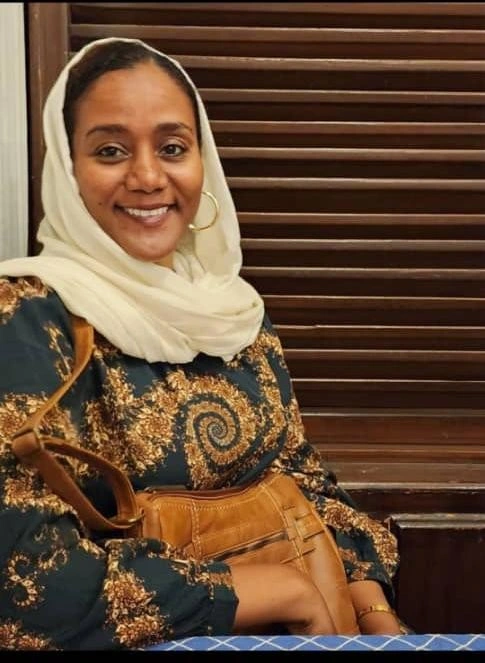
Yati Bhalla is a public health professional and Human Biology graduate from Capilano University, with a focus on psychology, epidemiology, and community health systems. She works on the frontlines of Vancouver's social health landscape as a Residential Support Worker and Peer Support Shift Lead — not from a distance, but alongside people navigating some of life's most disorienting and painful chapters.
Her daily work involves supporting individuals experiencing homelessness, developmental disabilities, substance use disorders, and complex trauma. What guides her is not protocol alone, but a deep belief that people deserve to be met where they are — with dignity, with patience, and with genuine care. She brings this conviction to every interaction, grounded in trauma-informed care, harm reduction, and equity-oriented health practice.
"A crisis doesn't announce itself. For many of the people I work with, life changed overnight — and the version of normal they knew simply stopped existing. That deserves to be taken seriously."
Yati has applied epidemiological thinking to frontline realities: building data-informed documentation systems, reducing structural barriers to care, and improving service continuity in high-acuity environments. Her interests span social determinants of health, population health management, health disparities, and the translation of evidence into community-based action.
She is driven by a vision of care that does not stop at managing symptoms — but asks harder questions about healing, agency, and what public health systems owe the people they serve.
PERSONAL AGENDA
These are the convictions that shape how Yati approaches her work — not policies, but principles she has arrived at through proximity to suffering and recovery alike.
Crisis changes everything — and that must be acknowledged. For many people, a major life event — a loss, a diagnosis, a sudden collapse of the life they knew — is the turning point that everything else orbits around. Yati believes this reality deserves to be named, not minimized. Real support begins with recognizing that a person's internal world was fundamentally altered, often without warning.
Healing requires more than surviving the past. Acknowledging trauma is essential — but so is the work of returning to the present. Yati advocates for approaches that help people move forward without abandoning or erasing what they've been through. Staying permanently anchored to a traumatic past without the tools to re-engage with life leads to further deterioration. Recovery must hold both truths.
People experiencing severe psychosis need safety, not just stabilization. For individuals with extreme psychosis, access to safe, consistent spaces and medically appropriate support is not optional — it is foundational. These are not cases for informal intervention alone; they require coordinated clinical and community responses that treat the whole person, not just the episode.
The shift must be from consumption to recovery. Yati believes governments have a responsibility to move beyond consumption sites and invest in recovery infrastructure — places that do not simply manage crisis, but actively support people in rebuilding their lives. Harm reduction is a vital starting point, but it cannot be the ceiling. Public health policy must commit to healing as the destination.