Abstract
This will be a presentation of real crime scenes and the management of efforts bringing together the forensic experts and the investigative personal to solve real cases. Having lead the Homicide Department department unlike CSI and other programs, police fail to collect and properly analysis a crime scene which I will demonstrate. We need to interpret crime scenes. Sloppy police investigations, lazy forensic personnel team up to reduce the ability to solve cases with solid evidence.
Biography
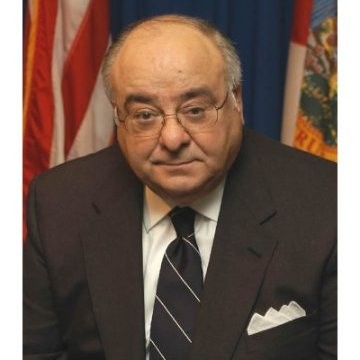
Anthony Schembri is a respected law enforcement and academic professional with over four decades’ experience in the field. Over the years, he has drawn praise from such varied sources as New York City Mayor, President Jimmy Carter, Florida Governor Jeb Bush, and New York Governor Mario Cuomo. First appointed to the Brooklyn District Attorneys Office he advanced to Deputy Chief of the Narcotics Bureau, then to Director of Training at the District Attorneys Police Academy. Anthony Schembri has served as the city’s Deputy Inspector General, investigating cases of major crime and corruption. He was appointed by the Mayor of New York as Corrections Commissioner, a position putting him in charge of 12,000 uniformed officers and 20,000 inmates at 19 separate jail facilities. Today, the Citrus County, Florida, resident serves as a Visiting Professor at Oxford and Sheffield Hallam University and named Outstanding Professor of the Year at the University of Florida.

Abstract
As the emerge of Digital world and communication technologies each one of us are now needs to and even forced to use mobile devices, computers and many more. With the growth of fast access of internet data from 2G, 3G, 4G, 5G many hackers are evolved into illegal access of each ones of our data for execution of fast business. If we look for the market strategies there are many illegal sites which are involved in snatching minute personal details of individuals and their connections. If we see into it many sites are available which are exposing sexual content in form of advertisements.
Even a single click can force younger generation or even our school students to get trapped easily in the fantasy world. In absence of awareness parents provides their children a digital bomb in the hands of their innocent children. Lots of youngsters are easily caught under the grab of these Sexual sites. In absence of clear laws and policies there is no or little control of Government rules. Hence it becomes almost tedious to get away from these sites. If we look into the fastest growing crimes related to sexual assault there is lot more role of Porn sites and available drugs that derailed our youths towards committing sexual crimes. Due to unawareness of the consequences youths are often attracted towards drugs and sexual contents which is served to them in such a fantasy manner that it is very difficult to revert back from these addictions.
It is high time to make every youth and our younger generation to get aware of the Consequences that may lead them to unhealthy lifestyle, criminal assault and drug addiction. We have several examples where the accessibility of sexual content misleads the youths and they have committed sexual crimes that leads them to Hanging or life imprisonment. Hence every individual needs to know about it. The Role of Forensic Scientists is not only to analyse but also to go into the depth of causes which are responsible for the rising scenario of crimes.
Biography
Dr. Rakhi Khanna is presently the Deputy Director Training at State Forensic Science Laboratory, Jaipur, Rajasthan, India. As Head of Toxicology section, Analyzed more than 10 thousand cases. Manage Analysis and Reporting of Poisoning cases, Produce Reports in time, Give evidence in court, Adoption of new innovative techniques of analysis according to specific cases. Performed Research work in many cases. President of Internal Complaint committee of Prevention, Prohibition and Redressal Act against sexual harassment of women at workplace, 2013. Has wide experience of analytical and administrative work as DDO, Building construction of new building, Development of new Laboratory and Toxicology Division at Ajmer, Attend conferences, sending papers in conferences, taking invited lectures. Working experience of 22 years as Forensic Scientist cum Toxicologist from 1998 and have experience of analyses of large number of cases. approx. 20,000 cases and 60000 exhibits are reported.

Abstract
The chain of custody is the most critical process of evidence documentation. It is a must to assure the court of law that the evidence is authentic, i.e., it is the same evidence seized at the crime scene and that it was, at all times, in the custody of a person designated to handle it. Although it is a lengthy process, it is required for evidence to be relevant in the court.
This study aims to highlight the chain of custody from crime scene to the court. A general review of the research variables had been explored, which were the Crime scene & Evidences’ collection; and Chain of Custody and preservation of forensic Evidence.
The research had followed an historical prospective approach, collecting primary data from observations reported from visits to some police stations, and personal communications with some senior staff.
Biography
Amna sharaf eldin elsheikh has completed MSC of forensic science with major of DNA analysis From alribat university in khartom sudan And BSC of forensic science from jordan university of science and technology in jordan And worked at the forensic evidence laboratory of sudan at the DNA department And also worked at the safia medical organization as a manger of laboratory and research department.

Abstract
The purpose of this presentation is to identify the connection between schizophrenia and different behaviours qualified as antisocial, which involve a number of violent crimes and even homicide. It has been confirmed by the practice that since the 1950s, people affected by schizophrenia have had the tendency to be culprits and have been arrested more frequently than other citizens. They have the inclination to be over-represented in correctional institutions and belong to the majority of individuals who are acquitted for insanity. It is proved that in the group of violent offenders suffering from schizophrenia, there can be differentiated three separate types that are defined by the age at which they began their violent and antisocial behaviour. If the terms of mental health policy are taken into consideration, the dominance of crime in individuals affected by schizophrenia generates serious consequences in that schizophrenia constitutes a main reason for psychiatric admissions and particularly that it is the greatest reason for hospitalizations in the long term. The hazard of committing a violent crime was increased 4.6 (3.8–5.6) times in the group of the males and 23.2 (14.4–37.4) times in the group of females suffering from schizophrenia in comparison to people who haven’t been admitted to a psychiatric hospital. Whereas a smaller number of females and males, who suffer and do not suffer from schizophrenia, are sentenced for crimes, it has been observed that schizophrenia poses a larger risk for committing a crime among females than among males.
Biography
Dominika Prokop graduated from the Faculty of Medicine with a Bachelor's degree studies and now is finishing Master’s degree studies in the field of Human Resources (with the focus on burnout) at the University of Liverpool. Presently she is a student in the area of Psychology at the Fernuni in Bern in Switzerland. She is a professional mental health specialist with nearly 10 years of experience in forensic psychiatry institution in Switzerland, including patients with civil and criminal charges, as well as other mental disorders.
Abstract
Law enforcement agencies are frequently studied for officer wellness, yet research is limited in the influence of organizational support for the psychological wellness of crime scene investigators exposed to tragic scenes. The purpose of this quantitative study was to examine the perceptions of job performance effectiveness of crime scene investigators based on organizational support through the provision of stress management resources. The theoretical framework of organizational support theory and management theory formed the basis of the investigation into the contributing elements of job performance. Data were collected through surveys from 92 crime scene investigators, of which 77 were civilians and 15 were sworn, primarily representing Florida law enforcement agencies. Multiple regression analyses assessed the relationships between the variables of perceived organizational support, stress management training, trauma exposure, tenure, and education to determine factors influencing perceived job effectiveness. The regression analysis results indicated that tenure was a statistically significant determinant of perceived job effectiveness (p = .036) among the predictor variables.The results were consistent with prior explorations of the influential nature of perceived organizational support and demographic characteristics as predictors of job effectiveness. The statistical model applied was appropriate for the theoretical framework examined. Implications for positive social change include recommendations to policy makers to increase resources tolaw enforcement agencies for the wellness of crime scene investigators and the establishment of a critical incident protocol that, if provided as a preventive measure, could impactpublic safety and perceptions of organizational support.Vicarious traumatization is a substantive possibility that education, training, and time could minimize.
Biography
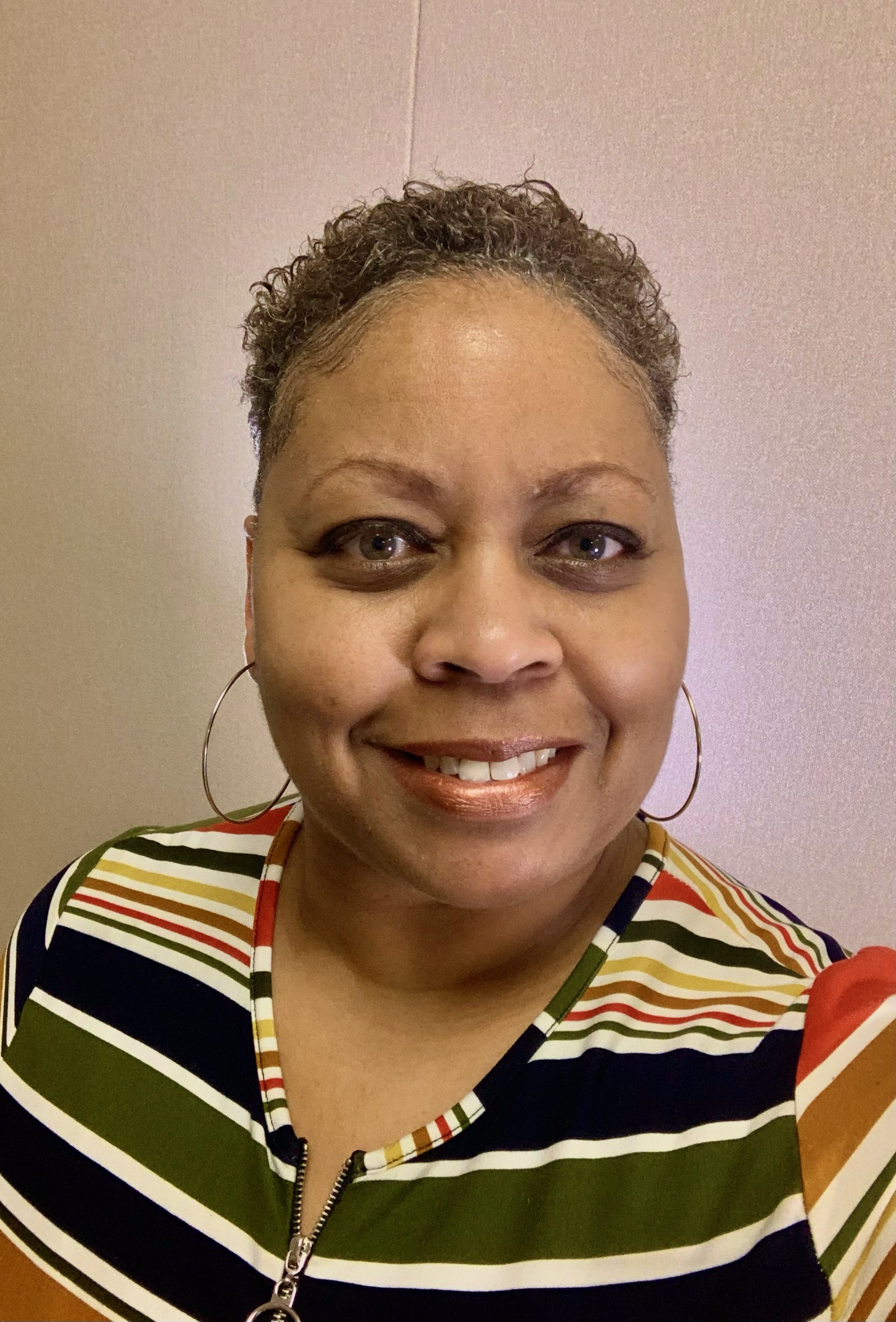
Dr. Leggie Boone is a Forensic Analyst in Florida, an educator at Keiser University, and president of Generation ForSciTe, a conglomeration of Forensic Science and Technology subject areas providing consultant services and research assistance. Dr. Boone completed her PhD from the Public Policy and Administration in Criminal Justice program through Walden University. She has worked in forensic science since 1993, as a forensic services practitioner and an educator in Maryland and Florida. She has also contributed to multiple publications, including So You Want to Be a CSI, a forensic textbook, and The Dead and the Bizarre, and has presented in international conferences on the topics of vicarious trauma, coping strategies, and fingerprints.
Abstract
Bloodstain pattern analysis (BPA) has long been used as a tool for detectives and investigators in attempting to determine what happened at the crime scene. BPA has more recently been called into question for its scientific validity and subjective interpretations. During this talk we will review some of the principles of BPA which lead to its foundation in the scientific domain as well as update the audience on current terminology and techniques used in documentation and processing of bloodstain scenes. Special attention will be given to the importance of follow up DNA testing on samples located at a scene involving bloodstain pattern analysis. Discussion will be held on the ability of DNA analysts and in turn bloodstain pattern analysts to conclusively say the DNA came from the blood at the crime scene. Case studies will be presented to highlight the importance of proper collection and DNA processing of the samples seized from different blood scenes. After the talk, participants will be able to confidently use current terminology, understand the importance of stain selection for DNA processing, and feel more confident in the methodology used in interpreting bloodstain patterns at crime scenes.
Biography
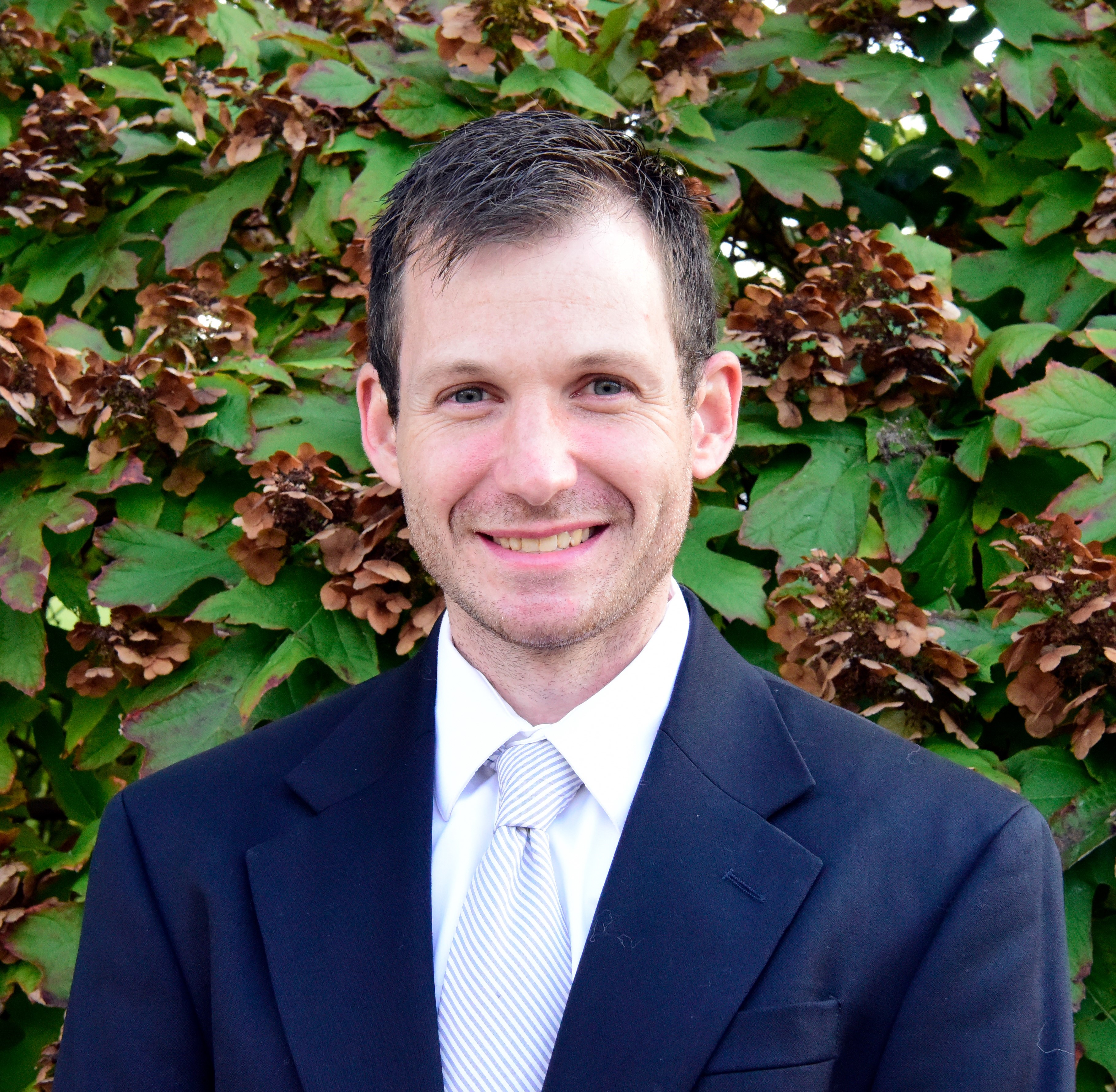
Erik Hallis currently the Director of the Forensic Science Program at Saint Louis University in St Louis, Missouri. Mr. Hall wasthe former Biology Technical Leader and a DNA analyst at the St Louis Metropolitan Police Department Crime Laboratory. At the crime laboratory, Mr. Hall was the head of the DNA crime scene response team which was tasked with aiding detectives in investigating major crime scenes using bloodstain pattern analysis and advanced DNA techniques to gain insight into the crimes. Mr. Hall has expanded his passion for forensic science as the founder and principal consultant of Hall Forensic Consulting, which specializes in assisting law enforcement, crime laboratories, and attorneys in areas such as DNA analysis, crimescene investigation, and bloodstain pattern analysis. Mr. Hall has a Masters degree in forensic science from the University of New Haven and a Bachelors degree in Biochemistry from Messiah University.
Abstract
In January 2013, 94 yo Leola Shreves was brutally murdered within the bedroom of her residence. Curiously, $4000 was not taken from the scene despite being in plain sight. Law enforcement focused on the next door neighbor, 20yo Michael Alexander as the primary suspect. While the application of forensic science to a case reconstruction can assist to reveal the identity of a suspect and potential details of a crime incident, in this particular case study, none of the forensics fit the evidence of the theory of how the case transpired, yet despite this, Michael Alexander remained in-custody for over three years before finally being released. After over six years since Leola Shreves was murdered, a full DNA profile matching the numerous bloodstains recovered from the crime scene hit in CODIS to a suspect named Armando Arias Cuadras, which resulted in his arrest for the murder of Leola Shreves. This case is a sobering reminder that as forensic scientists, we need to trust the science and remain objective in the scientific findings.
Biography
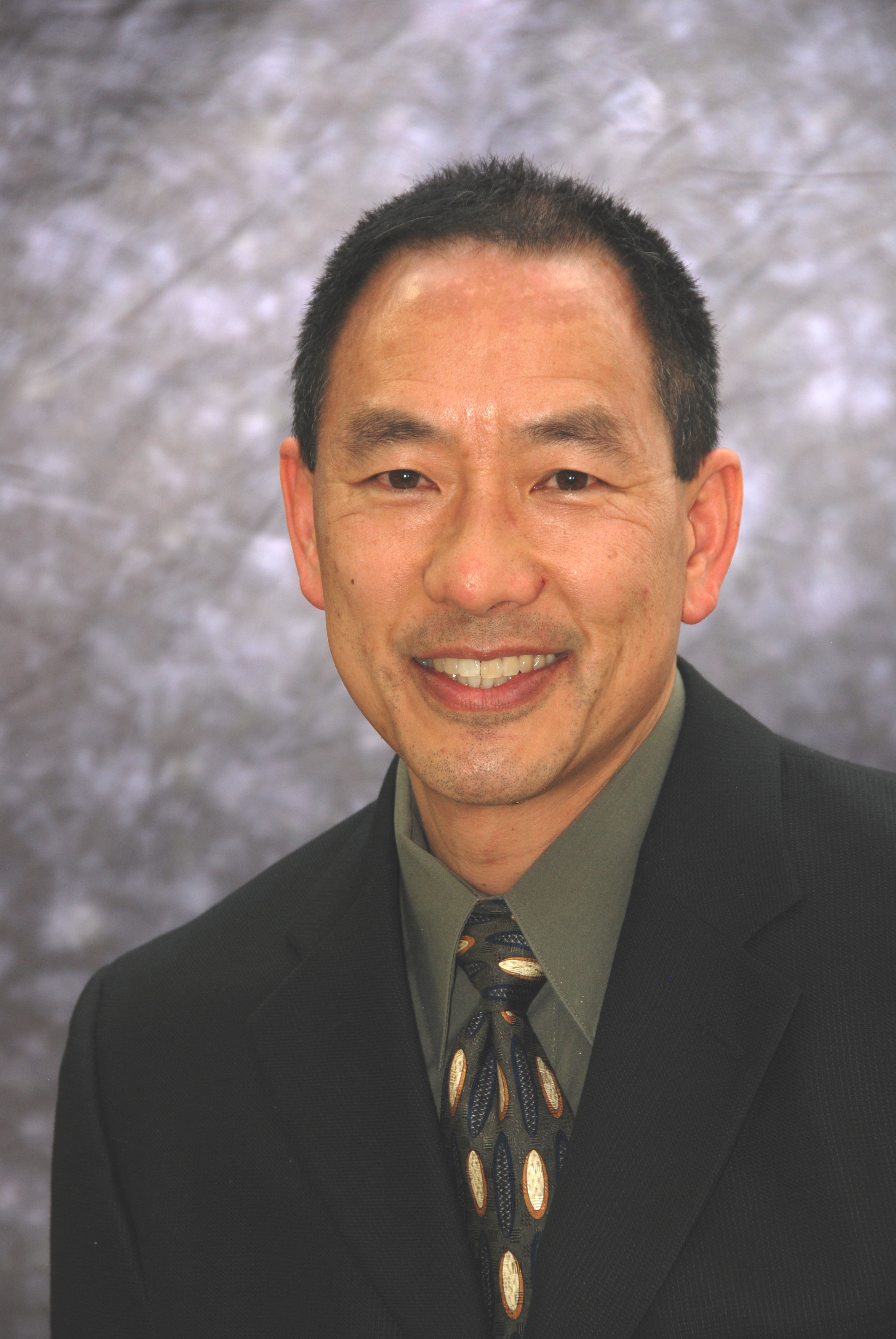
Kenton Wong has been a Forensic Scientist for over 30 years. He holds his national board certification in Criminalistics as a Diplomate of the American Board of Criminalistics (D-ABC, #1030) as well as International Certification as a Crime Scene Investigator (CCSI, #1840) with the International Association for Identification’s (IAI) Crime Scene Certification Board. He is a Distinguished Member of the Association of Firearm and Toolmark Examiners (AFTE) and a member of the International Association of Blood Stain Pattern Analysts (IABPA). He served as a Scientific Editor for the 2008 Edition of the text, "Scientific Evidence in California Criminal Cases", jointly published by the Continuing Education Board of the CA State Bar and the Regents of the University of California. He also served on the Board of Directors for the Association for Crime Scene Reconstruction (ACSR) from 2010 – 2015 and as President for 2014 and is also a member of the Shooting Incident Reconstruction Glossary Committee which promotes standardization of shooting incident reconstruction terminology. His work has been profiled on the Discovery Channel’s episode of “Extreme Forensics” and he has had a number of articles on ballistics and crime scene work published in scientific journals. He has examined and testified in cases on hundreds of occasions throughout the state of California, the states of Arizona, Washington, Oregon, Nevada, Utah, Idaho, Colorado, Hawaii, Alaska, and internationally in Italy, Austria, and Hong Kong.

Abstract
Wrongful conviction is a pressing legal and social justice issue that requires scholarly attention in the United States. Wrongful conviction has been occurring in the United States since the eighteen century. According to the National Registry of Exonerations (2022), 2,949 individuals have been exonerated since 1989. The role of jurors in the criminal justice system has been empirically investigated and debated for many decades as researchers attempt to understand fallibilities in the juror decision-making process. Actual venire person experience with wrongful conviction has not been explored in previous studies, severely limiting evidence-based jury and legal system reform. Training designed to educate and assist criminal justice system professionals in combating wrongful conviction lacks insight obtained only through juror perspective. The goal of this study was to qualitatively explore authentic juror experience with having wrongfully convicted a defendant. The story model of juror decision making and commonsense reasoning were used as conceptual frameworks to explore how juror reliance on narrative construction and commonsense reasoning, rather than legal and judicial instruction, manifested in wrongful conviction cases. RQ1) What is the lived experience of jurors who have rendered verdicts in wrongful conviction cases? RQ2) How does juror reliance on narrative construction of case facts manifest during deliberations? RQ3) How does juror reliance on commonsense reasoning manifest during decision making? In-depth interviews were conducted with 12 jurors who served on a criminal case in which the defendant was wrongfully convicted. Thematic analysis identified several commonalities in the lived experience of jurors who served on a wrongful conviction case. Overall, jurors described the experience as negative, revealed patterns of systemic racism and oppression, expressed skepticism about the CJS, frequently disassociated and deflected the responsibility and implications of the wrongful conviction, and communicated adverse impacts of group decision-making. In addition, analysis detected repeated patterns of juror reliance on narrative construction and commonsense reasoning during the decision-making processes. Jurors exhibited implicit bias colored by life experience, directly impacting their decision-making in wrongful conviction cases. The results of this study warrant a need for immediate action in the form of jury system education and reform. Criminal justice professional awareness of this issue is limited, and attorneys and judges must address potential juror bias head-on to prevent faulty determinations of guilt. Further, criminal and social justice platforms must be made aware of patterns in the deliberation process to implement effective, informed avenues of change.
Biography
Danielle Schulte Lewis, Ph. D., has been making a difference in the United States criminal justice system for over 15 years. She has served as a criminal defense fact and mitigation investigator since 2006. Danielle obtained her Ph. D. in Forensic Psychology from Walden University in 2020 and is an adjunct professor of psychology at the University of Providence. Danielle’s doctoral research on juror bias ignited a passion in her to spread awareness pertaining to flaws in the United States jury system and abundant pro-prosecutorial bias within the criminal justice system via presentations, scholarly publications, and expert consultations to initiate evidence-based reform in the criminal justice and jury system.
Abstract
One Digital World launched the virtual Digital Literacy program to prepare refugees for integration in April 2021. Fifty-two (52) participants from Mexico and the Northern Triangle (Guatemala, Honduras, and El Salvador) participated in the program. Three-quarters of participants were female. Before class started, a higher percentage of males reported experience with computers than females. The difference between genders will be further discussed in this report. Entrance and exit surveys showed that participants are more likely to have used the internet than computers and participants were more likely to use other devices to connect to the internet though they believe that “using computers will make their lives easier by connecting to the world” and is the main motivation to join the program. Most participants reported no knowledge of software skills before the program. However, upon completion, most of the participants met the international standards for digital literacy. Other key findings include improving their English skills during and after the course. This report shows the details of how they change.
Keywords: analyze, average, computer, demographics, internet, increase, survey
Biography
Tsung Hsien Wu is a researcher and a certified victim advocate in the United States who is currently working with refugees from Mexico. Will Wu concentrates his research on serial homicide offenders’ risk assessment tests, victimology, criminal behavior, and criminal profiling. He completed his Masters of Forensic Behavior Science at Alliant International University and now works as a volunteer in One Digital World. His paper “Psychological Analysis of Li Yu’s life, and the motivation for his creations and masterpieces” was announced in Taiwan in 2018.
Abstract
Since its first introduction in 1985, DNA typing evolved rapidly and it has become the most popular technique in criminal investigations. In the last decades, new technologies (i.e. rapid DNA systems, Next Generation Systems) have been introduced that enable reducing analysis time and cost, while increasing the effectiveness. New methods goes beyond standard forensic DNA profiling since they allow, for example, to obtain from crime scene samples information about externally visible characteristics (i.e.hair, eye, skin color), age and biogeography ancestry of the sample donor. This greatly help the investigations when there are no suspects or matches with profiles in DNA databases This presentation is an overview about the most relevant advances in forensic genetics.
Biography
Anna Barbaro has completed her European PhD in Forensic Genetics (PhD) at University of Santiago de Compostela (Spain). She got a Diploma at the School of Specialization in Applied Genetics and a Master Diploma in Psychological and Behavioral Techniques of the Criminal Investigation at the University of Rome La Sapienza (Italy). She has published more than 150 papers, including conference presentation, she is Author of 3 technical Manuals and of some chapters in other books. She serves as President of the Worldwide Association of Women Forensic Experts, she is honor member of some scientific associations, she serves as reviewer for several international scientific journals and she is Member of the Editorial Committee of some international scientific journals. Invited speaker at various national and international conferences, organizer of courses and conferences about Forensic Sciences, member of the Scientific Committee of several courses and conferences. She is currently researcher at the University of Alcalà (Spain).
Abstract
The identification of the human person in forensic medicine is based on a series of scientific methods, which allow the forensic pathologist to determine the probability that two samples belong to the same individual, going so far as to find a perfect match when comparing two sets of evidence: a known evidence, usually belonging to the person that we have information about and a sample to analyze, about which we want to know if it belongs to that specific person. Throughout history there have been different methods of identification, specific to the level of scientific evolution in each period. For example, over a century, from the 1880s until the beginning of 1980s, human identification was performed using methods such as fingerprinting, blood groups, Rh factor, MNSs antigens, the HLA system, and, most recently, the genetic fingerprinting. This paper addresses the analysis of bloodstains for human identification, from blood groups to DNA fingerprinting, along with the benefits, improvements, and challenges associated with each method.
Keywords: human identification, bloodstain, blood groups, DNA, challenges
Biography
Beatrice Gabriela Ioan is Professor of Legal Medicine and Bioethics at “Grigore T. Popa” University of Medicine and Pharmacy of Iasi, Romania, She also serves as forensic pathologist at the Institute of Legal Medicine of Iași. She graduated from the Faculty of Medicine in 1993, the Faculty of Psychology in 2002 and the Law Faculty in 2012. In 2004 she graduated from the Master Program in Bioethics at Case Western Reserve University, USA. She is a member of the Committee on Bioethics of the Council of Europe and its former Chair and a member of the International Bioethics Committee- UNESCO. Bianca Hanganu is a forensic pathologist, specialist physician, and assistant professor in Forensic medicine at Grigore T Popa University of Medicine and Pharmacy of Iasi. She attended many international scientific meetings where she presented her work and has published papers in the field of forensic medicine, bioethics, and medical communication, her main areas of interest. Irina Manoilescu is a senior forensic pathologist since 2016 and lecturer in Forensic medicine at Grigore T Popa University of Medicine and Pharmacy of Iasi since 2020. She graduated from Grigore T Popa University of Medicine and Pharmacy in 1998. Since then she attended numerous postgraduate courses in Forensic Medicine, both national and international as well as various scientific conferences. She is author of numerous papers in the forensic medicine field.
Abstract
The scope of the research corresponds to an explanative substantiation of the opinion that fMRI comprises reliable evidence in American and European courts. Furthermore, the purpose of the research was to prove that the option according to which some of the human rights’ articles could be considered as serious obstacles to the provision of fMRI recording as legal evidence in justice matters, because the application of fMRI interferes with the articles, is not well-supported, and it could not impede the presentation of fMRI in courts as legal proof.
The permanent aim of justice has been to detect the truth and the lie to judge fairly by considering the valid parameters. The last more reliable lie-detection tool before fMRI was the polygraph. However, there was no scientific proof of the latter reliability. FMRI is a more reliable tool, compared to the polygraph, to evaluate the claims of somebody as true or deceptive. Yet, it can detect false memory and if it leads to a lie or is restored. It records the central part of nervous system. Furthermore, fMRI can evaluate the psychopathic level of someone. The prejudices that the fMRI images were just images could not stand up. Either the countermeasures could not jolt the fMRI accuracy.
From its first days, neither the fact that its feedback did not cover all the American Supreme Court parameters to be accepted as court evidence nor the fear that the justice representatives might misinterpret the neuroscientific terms could impede the acceptance and high evaluation of fMRI as legal evidence. The fMRI impact was proved to be of vital importance. There are serious allegations that fMRI should be a coercive examination for witnesses and defendants.
It could be presented as accurate and legally permitted evidence in justice.
Its accuracy and reliability are proved through abundant scientific studies, and the scientific community has approved fMRI as a reliable lie-detection machine.
Biography
Konstantina Kotsaki is, amongst others, a criminal, forensic and investigative psychologist. Her dissertation was published in the biggest european association of epilepsy, Epilepsy Action, by its staff. The accomplishment of her Master of Science in the University of Central Lancashire was followed by training in criminal, forensic and investigative psychology, collaborations with internationally famous doctors and the publication of an article about the father and the therapy of electroshock. New articles are submitted for publication in international journals. Yet, she was the speaker and the moderator in several international conferences. Recently, she accomplished her training in European and International Law. Her knowledge is extended to neurology and its interactive factors. She intends to compose an article about serial offenders and serial killers and to commence a PhD on fMRI as legal evidence.
Abstract
In forensic toxicology, there are two types of tests: screening tests and confirmatory tests. Usually, the samples are first examined for the presence of psychoactive substances, then a more specific confirmatory test is performed to determine the exact substance and often its concentration. A confirmatory test should have a different methodology than the screening test and should be performed on another sample, if possible.
Keywords: forensic toxicology, screening, confirmation, psychoactive substance
Introduction
In forensic toxicology, there are two types of tests: screening tests and confirmatory tests. Samples are usually first screened for the presence of medications and/or intoxicating substances, then a more specific, confirmatory test is performed to determine the exact substance and, often, concentration. A confirmatory test should be a different methodology from the screening test and should be run on a different sample/specimen, if possible.
Prior to testing of any sort, the first step is preparation. For many methodologies, the drugs must be separated from the organic matrix in which they are suspended. This can be accomplished by heat, protein precipitation, liquid-liquid extraction, or solid phase extraction. In the postmortem setting, protein precipitation and liquid-liquid extractions are the most commonly used techniques.
Screening Tests Immunoassay
Use: Can be used to screen for a large number of drugs; can be qualitative or semiquantitative.
Basic Principle: An antibody is designed to react against a particular drug or drug class. The specimen to be tested is combined with the antibody; the antibody binds to the drug in question, yielding a positive screen if the drug is present. If the sample is combined with a known amount of labeled antigen, competitive binding can occur between the antibody, the known amount of labeled antigen, and the unknown amount of drug. The antibody-antigen reaction is then measured, allowing for a semiquantitative determination of the amount of drug present.
Types:
Radioimmunoassay (RIA).
Enzyme multiplied immunoassay (EMIT).
Fluorescent polarization immunoassays (FPIA).
Kinetic interaction of microparticles in solution (KIMS).
Enzyme linked immunosorbent assay (ELISA).
Advantages: Relatively easy to use and to perform; requires minimal, if any, sample preparation; good sensitivity even at low concentrations; can be performed using very small sample amounts.
Disadvantages: Limited specificity as can have cross-reactivity between drug(s) and structurally similar compounds; interfering substances may be present within the biological matrix, yielding either false positive or false negative results; requires that an assay has been developed and is available for the desired drug. Urine is the preferred matrix as it has less interfering substances than blood.
Spectrophotometry
Use: Not commonly used except for the determination of carboxyhemoglobin; historically also used for barbiturates and salicylates.
Basic Principle: Molecules will absorb/distort light of different wavelengths in particular ways. A spectrophotometer can measure the changes in the wavelength of light passing through a substance to determine the presence or absence of certain molecules within the matrix.
Types:
Ultraviolet (UV).
Visible spectra.
Infrared (IR).
Advantages: Ease of use.
Disadvantages: Lack of sensitivity and specificity.
Chromatography
Use: When combined with a detector, can be used as a screening test for a large number of drugs.
Basic Principle: Drugs are dissolved into a mobile phase (gas or liquid), which is then passed through a stationary phase (i.e., a column) allowing for separation and isolation of the constituents of the sample. The time taken to traverse the stationary phase is recorded by a paired detector and compared to an internal standard, allowing for detection of each component within the sample.
Types:
Gas (GC): Uses time to traverse a packed column in a gas matrix; usually paired with a flame ionization detector(FID) or nitrogen phosphorous detector(NPD) for identification.
Liquid (LC): Uses migration distance in a liquid matrix; can be used on a solid media (Thin Layer) or liquid (HPLC); most commonly paired with ultraviolet detector but can also be paired with fluorescence or electrochemical refractive detectors for identification.
Advantages: Can vary packing material, temperature, mobile phase components, and flow rate to adjust sensitivity and specificity; can be paired with a detector to increase specificity; HPLC is run at normal temperatures (unlike GC which is run at elevated temperatures), and may preserve heat-labile components.
Disadvantages: Time consuming; requires significant sample preparation; equipment expensive.
Confirmatory Tests/External models
Confirmatory tests are performed when a drug has been identified by one of the screening tests. Confirmatory tests should be performed by a different methodology than the screening test and on a different sample, if possible, or, at least, a different extract of the same sample. The confirmatory test should also be more specific than the screening test. The gold standard for confirmatory testing in forensic toxicology is GC or LC paired with mass spectrometry. This paired method allows for mass spectral analysis of analytes after they have been separated and isolated by chromatography. Mass spectrometry is accomplished by fragmenting a molecule by a barrage of electrons and then analyzing the relative abundance of the fragments (electron ionization) or by ionizing molecules and analyzing the charge transference (chemical ionization).
If mass spectrometry is not available, the American Board of Forensic Toxicology (ABFT) allows for confirmation by the same system as identification as long as a different chemical derivatization and column and, thus, retention time is used. However, this is not recommended by the ABFT and may face scrutiny in a court of law. Confirmation of an immunoassay with another immunoassay is never acceptable.
In Romania, neither the amount of psychoactive substance(s) that influence the central nervous system(CNS) or the screening and confirmation (dosing) methods that can be used are regulated. It is not acceptable for a person to be investigated or convicted without a quantitative material evidence that differentiates between habitual and accepted and desired consumption and /or an influence, or not, of mental functions.
Testing Panels
Most forensic toxicology laboratories offer five basic screening tests to determine the presence or absence of the majority of forensically significant drugs. These panels include (listed with examples of the drugs/drug types found):
Lower alcohols: methanol, isopropanol, acetone, ethanol Acid/neutral: barbiturates; meprobamate/carisoprodol; NSAIDs(ibuprofen, naproxen), salicylic acid, acetaminophen; valproic acid and phenytoin;
Basic (alkaline): psychoactive medications (antidepressants, anti-psychotics); methamphetamine/amphetamine/MDMA; benzodiazepines; antihistamines;
Cocaine: cocaine, benzoylecgonine, ecgonine methyl ester;
Narcotics: morphine, monoacetylmorphine, hydrocodone, codeine;
Additional Testing
Additional testing may be available for THC or other specific drugs. Some substances require special testing procedures for identification. For example, digoxin is detected by RIA and carbon monoxide by UV spectrophotometry or Conway diffusion (semiquantitative). Screens for heavy metals are not uncommonly performed in postmortem cases and can be accomplished by multiple methods, including special atomic absorption, inductively coupled plasma mass spectroscopy (ICP-MS), and neutron activation. The Reinsch test can also be used to determine the presence of arsenic, antimony, bismuth, and mercury. It is recommended that the particular forensic laboratory be contacted regarding any specific requirements.
Conclusions
There are, as we have shown above, many screening methods, but they generally have a low specificity, with a reasonable possibility of false positive results. For this reason it is necessary to regulate, legislate and methods of confirmation. The institutions provided in art.188 C.P.P. should have the methods of confirmation (dosing), accredited R.E.N.A.R. on I.S.O. 17025. At this moment, there is no standardization at national level, regarding the dosage of psychoactive or regarding their concentration, at which to influence the mental state.
Biography
Abstract
By ritual we mean a specific bodily and linguistic behavior without any technical and rational purpose, oriented towards the respect of specific rules, withouta competitive connotation. They are movements of the body that have a beginning, an end, a direction and that assign a position to the interested individuals. They are codified symbolic bodily processes, such as to modify social realities.
The rites can be classified into positive (prayers and sacrifices) and negative (prohibitions of behavior); rites of purification and atonement, sympathetic or contagious rites can still be identified.
A rite can be direct if it has an immediate power without any intervention of an autonomous individual, as for example in the case of the spell, or indirect, when there is the intervention of an autonomous or personified person, such as, for example, a demon, a divinity.
There are also rituals for killing. If you do not have the courage or if you do not know the methods, you can resort to other people: the killers or rely on magic
The term Muti Murder instead refers to a homicidal ritual aimed at obtaining human organs from a living person to be used, together with other ingredients, for the preparation of a potion, to be used to solve the health problems of another subject or to increase luck.
Four distinct people are involved in the Muti practice: the client, the healer, the murderer who will have to carefully extract the organs while the victim is still alive; the victim.
Biography
Biography Dr. Giuseppina Seppini. MSN, RN, S. Croce e Carle Hospital Italy, Criminologist, Forensic Analyst, Adjunct Professor of Nursing Research, Master of Science in Nursing, Faculty of Medicine and Surgery, Catholic University, Cottolengo Hospital, Turin Italy; Adjunct Professor of Theory and Methods of Professional Management, and Applications in Nursing, Master of Science in Nursing, School of Medicine, University of Turin; Vice-President, and Scientific Manager of National Association of Neuroscience Nurses; Member of International Association of Forensic Nurses; Member of WAWFE, Worldwide Association of Women Forensic Experts; Director of Piemonte Regional Office Forum Lex Association; Member Italian Academy of Forensic Science (Forensic and Legal Nursing). Biography Dr. Iolanda Ippolito Criminologist - Officialat the ItalianMinistry of Infrastructure and Transport. HonoraryPresidentAssociation "Forum Lex ", (Italy) ▪ Headmaster, professor in Investigative Criminology and Course of specialisation "Expertise in Investigative Techniques and InterventionProcedures in DomesticViolence, Stalking, Feminicide, Bullying, Baby Gang. Until the 23rd of May 2021, Judicial Police Unit for Gender, JuvenileViolenceMunicipal Police Department in Naples, Responsibleperson of Unit for activities of prevention, control and contrast, assistance to womenexposed to the risk of violence, stalking, violenceagainstchildren. Referent of the Ministry of Infrastructure, Transport for project “VI International Festival of Road Safety and LegalityArts" as expertise for “Gender violence,bullying, cyberbullying and web dangers”.
Abstract
The purpose of the study was to delineate the epidemiological characteristics of electrocution deaths in Maryland, identify any potential risks, and address preventive measures. A retrospective review of all the deaths due to electrocution was conducted at the Office of the Chief Medical Examiner in the State of Maryland from 2005 to 2015. During the 11-year period, a total of 55 electrocution deaths were identified from the autopsy cases at the statewide medical examiner system. More males died of electrocution than females with its ratio of (M: F) = 9:1. Of the 55 cases, 67.3% were White, 18.2% were African-American, 12.7% were Hispanic, and 1.8% were other races. The age of the victims ranged from 4 to 83 years with mean age of 40 years. >96% deaths due to accidents and 3.4% were suicide. The majority of deaths (70.9%) were caused by high-voltage circuits. Approximately 64% of fatalities were work-related accidents. The study indicated that electrocution deaths frequently affected young male workers who were in contact with a high-voltage currents while on the job. The detailed death scene investigation and autopsy findings are presented. The potential hazards of electricity must continue to be addressed in public safety campaigns to prevent such deaths. Strategies should ensure safe work environments for any contact with electric currents.
Biography
Brittani (Massey) Smith has completed her Bachelor of Science degree in Biology from Claflin University in 2016. She has also completed her Master of Science degree in Forensic Medicine from the University of Maryland, Baltimore in 2017. She is currently pursuing her Doctor of Philosophy degree in Forensic Science from the Oklahoma State University. She has previously worked as an instructor of Anatomy and Physiology for two colleges and prior has experience performing forensic autopsies at the Office of the Chief Medical Examiner in Baltimore, Maryland. Her research on electrocution has been presented at the International Conference of Evidence Law and Forensic Science (ICELFS) and has been published in the Journal of Forensic Science and Medicine. She is also a member of the International Association for Identification.
Abstract
Michael Peterson's case still fascinates the forensic investigators and Netflix viewers of The Staircase alike. Despite the proper crime scene investigation and the experts' testimonies for and against Michael Peterson, we still do not know for a fact what happened twenty-one years later.
International renowned Romanian mezzo-soprano Maria Macsim had a similar death to Kathleen Peterson's death, and to a certain degree, the cases are similar:
- The husband found her at the bottom of the stairs.
- There was blood mixed with vomit on the walls and stairs.
- The skull was severely wounded.
The dissimilarities consist of a two-day delay for the investigators to attend the crime scene giving the husband enough time to wash the evidence, improper crime scene search, improper forensic photography, the crime laboratory did not process the biological evidence, and most importantly, not a single forensic photography of the victim. Case closed as an accident -domestic fall down the stairs caused by alcohol.
Although the Romanian authorities inadequately investigated the case, my team proved in Court that the death of Maria Macsim was murder simulated as an accident. This intrinsic case study is compelling as Michael Peterson's case.
Biography
Criminal InvestigativeAnalyst Criminal Intelligence Analyst Geographic Profiler GPA I CertifiedAnti-TerrorismSpecialist
Abstract
Purpose: This qualitative study explicitly addresses the geography of serialists as an integrated function of their behavioural profiles. Serialists’ geometric home range patterns are reflective of their uniquely identifying mental map, remaining relatively invariable over time, necessarily intercalated with their behavioural profiles. Psychogeographic profiling emerges as a powerful investigative approach.
Design/methodology/approach: Geographic locations pertaining to three separate serial murder cases were mapped and scaled using Google Maps’ interactive features. Encounter and disposal sites associated with 30 total victims were qualitatively examined along with offender home and work sites. Respective geographic ranges were captured, montaged and labelled using imaging software, each case rendering an identifying home range geometry. Ranges were spatially analyzed with respect to offenders’ known behavioural profiles.
Findings: Serialists were revealed to each have uniquely typifying home range patterns which may be a sequela of their behavioural profile. Encounter sites were closer to the offender’s home than disposal sites. The total transversed geometric range area for the commuter serialist, Keyes, was nearly two orders of magnitude greater than Hansen’s and three orders of magnitude greater than Legebokoff’s. Spatial analytic techniques were demonstrated to locate or approximate the offender’s home site.
Originality/value: This study uniquely examines the geography of serialists as a function of evidentiary behaviour using a novel application of mapping technology, imaging techniques and spatial analytics. Establishing a centralized psychogeographic database was posited pursuant to implementing Savanna’s Act.
Keywords: Behaviour; Criminalistics; Criminology;Forensic science; Geography; Investigations; Neuroscience; Psychology; Victimology
Biography
I am an independent forensic science consultant, a neuroscientist (PhD) with expertise in both criminalistics and criminology. I firstly specialized in forensic neurobiology and criminological behaviour, now with professional experience as a behavioural evidence analyst/profiler, augmented with bloodstain pattern analysis and crime scene reconstruction. And I am an Alaskan, minus a few years in the United Kingdom and Canada.
Abstract
As the use of digital technology increases, cybercrime also increases.
The UN and Europol estimated that in 2016 the global cybercrime industry exceeded the global illicit drug trade, which was believed to be worth over $445 Billion. In 2020 the Canadian Internet Registration Authority (CIRA.ca)estimated that annually by 2021, the global cost of cybercrime will increase to over $6 Trillion.
Unfortunately, the level of success we are currently experiencing in preventing cybercrime lies somewhere between, “possibly” providing protection, to not at all. One thing is for sure, whatever we are doing, is only partially working. It is imperative that solutions to reversing cybercrime need to be found.
The general purpose of this talk is multifold. To bring to the attention of the forensic sciences community the need for new and innovative ways to look at research in general and particularly at cyber research. I will also provide a short overview of my cyber research methods used and announce cyber discoveries recently made.
The primary objective of this talk is to encourage the cyber research community to go back to the very basics of how malware enters data and systems and to understand how that infected data is processed and executes its malicious intent.
Once the very basics are understood, a path forward to finding an effective method to fighting cybercrime should be close at hand.
In short, a re-think is needed.
Biography
I have 30+ years in electronic component technical sales, sales management, project management and was instrumental in the supply of electronic components used in three satellites, including the imaging sensor used in the European Space Agency satellite which produced from outer space, the first images of the Aurora Borealis hovering like a crown above Earths north pole. I speak at conferences, have been published in the respected military technology magazine Vanguard and have been invited as a keynote speaker at the 4th World Conference on Forensic Sciences in Osaka Japan, Nov. 4-6, 2021.

Abstract
Fingerprints, one of the most frequently encountered types of evidence at crime scenes, remains a fundamental method of ascertaining an individual’s identity. The powder technique for detecting latent fingerprints, commonly known as “dusting”, has been universally used on non-porous surfaces. By using a natural hair or fiber brush, fingerprint powder is applied to a surface and is lightly spread over the surface to make the latent fingerprints visible. The application of fingerprint powder is simple and inexpensive, but it is unable to process large crime scenes and bulky evidence items with large surface areas in an effective, cheap, safe, simple and timely manner. The use of a brush in contact with the surface may also destroy the print and the ridge characteristics. The study investigated a new and innovative latent fingerprint detection technique that used dry powder from a fire extinguisher to detect latent fingerprints on common porous and non-porous surfaces. Fingerprints were first deposited on different non-porous surfaces (clear float glass, mirror glass, tinted glass, tempered glass, aluminium sheet and plastic sheet) and porous surfaces (wood, paper and cardboard). They were then developed by different brands of fire extinguisher dry powder, white latent powder and white magnetic powder. There was good observation of details and minutiae for fingerprint samples sprayed and visualized by fire extinguisher dry powder. Fire extinguisher dry powder can be advantageous for fingerprint detection by spraying the crime scene in a few seconds and handling bulky evidence items with large surface areas efficiently and timely.
Biography
Miss Mak, Deejay Suen-yui is a Senior Lecturer at School of Medical & Health Sciences, Tung Wah College in Hong Kong and also a part-time PhD student at The Hong Kong Polytechnic University. She completed her Master of Science in the field of Food Safety and Toxicology from The University of Hong Kong and Honours Bachelor of Science (Chemistry Specialist in Forensic Science) from University of Toronto, Canada. Her major research interests include fingerprint development, heavy metal detection and water analysis.
Abstract
Virtual Reality (VR) long propose to use as a technology that would allow judges to examine a crime scene fro m the court hall, or help the investigators visualise the scene in full rather than through separate sketches, audio, photographs, props, Using VR to represent evidence is a natural idea. lawyers used drawings, dioramas, and eventually 3D-renders of crime scenes and relevant locations to show judges the nuanced relationship between different pieces of evidence, Recreating car crashes Where the metaverse can go one step further is adding real-world data and simulation to fully render a scene, objects and actors in high definition and using machine learning to simulate the occurrence in full detail. Because of the accessibility of the metaverse, there wouldn’t be any need for virtual reality headsets in the courtroom and potentially both judge and jury could log in and review the simulation in their own time. The immersive aspect offered, like a VR scene, would allow them to view the crime from any perspective. In a true virtual space like the metaverse, it’s less about showing the investigators the evidences they supposed to consider, and more about letting them see and understand the implications of that evidence for themselves and seeing the events leading up to the crime unfold. It also doesn’t solve ongoing issues with vertigo and using headsets, so accessibility becomes a limiting factor again. virtual renderings of crime scenes centred on road traffic accidents - it’s hard to render or simulate a murder or violent robbery, and a simulation could be used to convey a particular result the prosecution is aiming for to get a conviction. but how the metaverse will be structured technically. we could effectively create a set of metaverse that are bound under one multiverse for the legal system, which contains their own sets of standards and interoperability - this way protecting them from other instances of meta and multiverse that don’t need to share the data or information with one another. the metaverse represents another step further forward to create an immersive environment for the legal system to understand criminal acts from multiple perspectives, view crime scenes fully rendered and in high resolution using photogrammetry and overlay real-world data using digital twin information to simulate the crime taking place.
Biography
Associate Professor of Criminal Investigation and Investigation – Member of criminal investigation Section - Head of Police Management Section - Dubai Police Academy. He received Doctorate in Criminal Sciences - entitled "The legislative and security confrontation of the crimes of electronic signature" a comparative study "- with a very good overall grade with exchange - dated 2012 - from Police Academy. Instructor a course in scientific methods developed in the fight against crime - PhD students - Dubai Police Academy - 2018, 2019 Rewards and Honours: 1- Rewards from Minister of the Interior – Egypt - for exposing the ambiguity of many criminal cases (case of conducting a criminal investigation) 2- Controlling many cases in combating e-terrorism, cyber fraud and criminal cases 3- Acknowledgment for the outstanding performance of the Minister of Interior in 2016 – 4- UN medal of honour during serving in peacekeeping operation in Darfur 2014.
Abstract
If a website has been compromised, the cybercriminals can perform various harmful activities to the users visiting the platform: insertion of suspicious code or scripts, insertion of iFrames containing malware, redirection to other infected websites, generation of spamming or phishing attacks, or inserting cookies to monitor the activity of visitors. The presentation will focus on methods for monitoring the websites security and Open-Source Intelligence (OSINT) tools for investigating cybercrime activities on websites.
Biography
Ioan-Cosmin MIHAI is a researcher, professor, trainer, and conference speaker, with an experience of more than 15 years in cybercrime and cybersecurity. He is a cybercrime training officer at the European Union Agency for Law Enforcement Training (CEPOL), monitor of the Ad-Hoc Raising Awareness Working Group from the European Union Agency for Cybersecurity (ENISA), associate professor at “Al. I. Cuza” Police Academy, visiting professor at the University Politehnica of Bucharest and “Carol I” National Defence University, Romania, honorary professor at CT University, India, and vice president of the Romanian Association for Information Security Assurance (RAISA).

Abstract
The 7 S’s of crime scene investigation are globally used by law enforcement agencies and crime scene investigators as basic steps to which they approach a scene. These are also the first steps that CSI students are taught on how a scene should be approached. The 7 S’s are: Securing a scene Separating witnesses Scanning a scene See a scene Sketch a scene Search a scene Secure and collect evidence My experience was however not as theoretical as one would imagine. As a student, being called out to two crime scenes in one day, had me bouncing off walls; only to get to the first and it was a maximum security prison. Excitement soon changed to despair as I realized the prison guards were in total contravention of Forensic protocols and we could hardly do any investigation. The scene was not secured, the body was moved to a different cell and due to this the following protocols could not be adhered to; scanning or searching of scene as well as evidence collection. At the second crime scene, the disappointment followed. The scene was once again not secured, the witnesses were not separated and were being questioned amongst the crowd, the photographer took pictures before we arrived and moved the body, without any markers or rulers. It was mind blowing to see so many mistakes being made by so called professionals, just to find out the police is not trained in Forensic protocols. Therefore, it is about time South Africa follows the lead of other countries, where the Crime Scene Investigation department has a branch of its own with a direct line of contact.
Biography
Tiffany Bok, former Du Plessis, has completed her honors from the department of Forensic Medicine, in Medical Criminalistics at the University of Pretoria, under Prof. G. Saayman. She also completed her undergraduate degree in Medical Sciences at the University of Pretoria, with a double major in Human Anatomy and Physiology. She however, has been struggling to set off her career in Forensics since graduating in 2018, and has been tutoring ever since.
Abstract
Criminology is an interdisciplinary branch of sociology that applies biological, sociocultural, and psychological lenses to the social problem of crime and its causes. At this time, there are no criminological theories specific to the deaf and hard of hearing (deaf) population. There have been historical attempts to apply human development and psychological theories toward deaf individuals who have demonstrated antisocial or criminal behaviors.
The deaf and hard of hearing population makes up a small portion of the general criminal/prison population that is frequently hidden from view. The lack of appropriate social exposure may create a perspective of deaf and hard of hearing individuals and American Sign Language as unusual and/or undesirable amongst the hearing majority population and its social institutions. The emerging Deaf Critical theories can serve to understand and illuminate certain behavioral development unique to the Deaf population. This paper explores these theories to develop a model of behavioral development.
Biography
Dr. Aviva Twersky Glasner, Ph.D. received a Masters in Forensic Psychology and her doctorsl degree in Criminal Justice. She has worked with Deaf individuals and developed her research interests around using criminological theories to examine the role that socialization may play in criminality of Deaf inmates.
Abstract
The United States, a nation that led the world politically and scientifically post World War II has become a place that no longer leads but whose students performs near the middle of spectrum of countries whose students’ science performance is measured. Were a grade to be assigned to this situation, this researcher contends that it would be a C-. In 2006, educators in one of the U.S.’s most challenging regions chose to respond to this situation with an innovative pathway program that uses forensic science to engage learners in what one magazine terms “the Appalachia of the West.” Supported by funding and other forms of resources from agencies such as the National Science Foundation, the National Institutes of Health, the U.S. Dept. of Energy, California Dept of Education, University of California, Davis, University of California, Merced, along with a host of life science companies such as Genentech, Novartis, Roche and others, a model program was created that has engaged students since 2006.With teacher training provided by facilities such as Lawrence Livermore National Laboratory, U.S. Department of Justice crime labs, and the AAFS, curriculum has been kept relevant and well-informed while being aligned to standards and university prep-approved. This program, which uses a variety of forensic tools has seen its graduates go on to pursue higher education up to and including Doctorates, careers in the military as specialists in cyber security and communications, and in the private sector as researchers and managers in STEM corporations including Apple and Zymergen.
Biography
Dave Menshew completed his Ed.D. in educational leadership from Brandman University and anM.A. in curriculum and instruction from Chapman University. He achieved National Board for Professional Teaching Standards certification and has been an educator for 29 years, 7 of which as an adjunct professor. He was selected for the Amgen Award for Teaching Excellence, and the Biotechnology Industry Organization’s Teacher of the Year award. His work to promote the inclusion of diverse populations in STEM education was recognized by the Association of Mexican American Educators Awardas well as an Omega Psi Phi Citizen of the Year. His publications focus on promoting STEM education.
Abstract
This presentation serves to educate the global forensic society on the possibility of transforming corruption on the local level when law enforcement does not take the lead. The results of a five-year project within Anywhere Town, Everywhere County, USA provide optimism that corruption may, with persistent effort, be productively transformed. Anywhere Town’sactivities are marionetted by a prominent business leader and political fundraising bundler with a cadre of political operatives and whose roots are entrenched with organized crime.Political party loyalty is required to ascend in community leadership. Until recently, major foundations funded 2,000 non-profits. “Spinning a web of bribery and intimidation will over time, profoundly alter a community’s social and moral values” ~ Anonymous. First discoveredwas a contract between the water company and two former elected officials that directed profits to them rather than reinvesting in new infrastructure for Anywhere Town. When 22 acts ofdocumented alleged corruption were presented to Everywhere County’s prosecutor, she declined stating, “No one in the state will take this case. I can’t even trust the sheriff.” Rather than to accept defeat, facilitative and collaborative efforts ensued, e.g., leading the sanitary sewer initiative, participating in the Charter Revision Commission, creating a website, and in presenting a Code of Ethics. This presentation traces the steps of the process: Genuinely working to build trust, creating healthy alliances, focusing on creating a “community,” building on the successes, and experiencing joy with the moral change. The hope inspired by the outcome minimizes the inevitable serpent’s whiplash.
Biography
Dr. Janet Schwartz (Ph.D. ’87, University of Pittsburgh) received the University Scholaraward presented to “one of those who show high promise of significant contribution to society and progress.” Her presentation, “Psychology of White-Collar Criminals” is featured on USDOJ’s Justice Television Network. She has provided information to the FBI’s HIDTA Money-Laundering Division (Manhattan), the FBI in Washington, D.C., the Defense Intelligence Agency, the CIA, the NSF, the Criminal Investigation Division of the IRS, the USDOHHS, the U.S. Postal Inspection Service, the Ohio Organized Crime Investigations Commission, the Ohio AG’s Office, Ohio’s Governor’s Office, 19 state departments and U.S. Attorney’s Offices.
Abstract
The main objective was to understand various interfering agents and their effects on presumptive blood tests (Kastle Meyer and Orthotolidine) reagents and confirmatory tests (HemaTrace® and Rapid Stain Identification (RSIDTM)-Blood). Bloodstains from neat to 1:1000 blood concentrations were exposed to ten chemical interferents over a period of 106 days to understand how blood dilution, age of the stain, and the chemical nature of the interferent affect presumptive blood test results. Antioxidants, active oxygen, and tannins are known to interrupt the mechanism of presumptive tests. Ten interfering agents having these characteristics were tested on using both color tests on six separate days. Additionally, bloodstains deposited on real-world samples (wines, citrus fruit juices, teas, coffee, cleaning agents, and leather products) containing chemical interferents were tested in a similar manner. Confirmatory testing for human blood was conducted with HemaTrace® and RSIDTM-Blood on day 106 using the 1:500 dilution. Nearly all chemical interferents and household products tested had an inhibitory or altering effect on bloodstain identification. As blood concentration reduced, more false-negative results were observed. Further, chemical interferents produced frequent atypical color changes that were not characteristics of a positive result, while only some atypical color changes were observed with the household products tested. Even though one third of sample tested with immunoassay card yielded a negative result, identification of bloodstains was possible in the presence of interferents. Overall, the data indicates that valuable blood evidence may be overlooked due to faint or false negative results when these chemical interferents are present.
Biography
Reshma Gheevarghese has completed her master’s degree in Biomedical Forensic Sciences from Boston University: School of Medicine, Massachusetts, USA in 2021. She has been working as a Forensic Scientist I in the DNA section of Cuyahoga County Regional Forensic Science Laboratory under the Cuyahoga County Medical Examiner’s Office in Cleveland, Ohio, USA since January 2022.
Abstract
There is an art to interviewing inmates on death row. Establishing trust and rapport and mirroring their lingo or “slang” is paramount in gathering a comprehensive personal profile. Disclosed information must be comprehensive: spanning conception to the current age of arrest, and holistic in scope, covering biological, social, psychological, emotional, spiritual, physical, and educational experiences. The literature indicates that no such comprehensive instrument exists within corrections, social work, or the criminal justice professions. The development of SCI was developed out of an essential need for a comprehensive instrument examining the “lived experiences,” both positive and negative. The purpose of this presentation is to introduce and discuss the first culturally-informed assessment instrument for capital offense cases.
Biography
Dr. Marian Swindell is the first teaching instructor at Mississippi State University to be awarded tenure and achieve the rank of full professor. With over 30 years in forensic social work, Dr. Swindell brings a wealth of information from sociology, social work, and forensic testimony evidence retrieval to this conference. Dr. Swindell completed her Ph.D. (2001) and MSW (1992) in Social Work from the University of Alabama and completed her Bachelors of Arts (1989), majoring in Political Science and minoring in Latin from the University of North Carolina-Greensboro. She teaches Forensic Social Work at the College Park Campus and Research Methods for Social Workers. She is also a Captain in the Mississippi State Guard and is the first social work academic to present at this conference.
Abstract
Computer-generated models have revolutionized how reconstructions of violent events, such as police use of force, are both performed and visualized. Yet, many in the legal and forensic disciplines do not understand them at a level required to use them effectively or create credible arguments supporting their findings. Simply put, models are a simplification of reality. Hence, models permit human programmers to specify the simplified behavior of a system. Since model parameters dictate the system's behavior, the programmer must document and provide justification for the selection of model parameters. The model structure, together with the selected parameters, form the backbone supporting the forensic investigator’s conclusions. This presentation will begin with an overview of the usefulness of models in forensic investigations and follow with an example of how a model is constructed and applied in use of force cases. The selected cases are particularly relevant to incidents commonly encountered in law enforcement, frequently leading to litigation.
Biography
Dr. Desmoulin is the Principal of GTD Scientific Inc. GTD offers Biomechanical Consulting Services on behalf of clients throughout North America, as well as abroad. Focused practice areas include Injury Biomechanics, Incident Reconstruction and Physical Testing with a sub-specialty in the Science of Violence®. GTD has been retained in significant complex injury litigation cases involving municipal police department use of force, violent encounters and TASER International to name just a few examples. Furthermore, landmark testing and shooting reconstruction methodology developed by Dr. Desmoulin was recently upheld as reliable and admissible by the U.S. Federal District Court for the 9th District of California.