Abstract
The rapid growth of the global ageing population represents one of the greatest challenges confronting contemporary healthcare. Although advances in medicine have substantially increased life expectancy, improvements in healthspan have not progressed at the same pace, resulting in an increasing burden of multimorbidity, frailty, functional decline, and escalating healthcare costs. Contemporary geroscience has established that ageing is a dynamic and potentially modifiable biological process driven by interconnected molecular, cellular, and physiological mechanisms rather than by chronological time alone. However, translating these biological discoveries into clinically applicable and integrative models for healthy longevity remains a major challenge.
This presentation introduces the Longevity Naturopathic Medicine Framework, a systems-based, evidence-informed conceptual model that integrates current knowledge from geroscience, systems biology, epigenetics, precision medicine, lifestyle medicine, precision nutrition, evidence-informed phytomedicine, psychoneuroimmunology, microbiome science, and personalized healthcare. Rather than proposing an alternative paradigm, the framework synthesizes these converging scientific disciplines into a coherent clinical strategy for promoting healthy longevity.
The framework advances the hypothesis that Biological Reserve represents the principal systems-level determinant of healthy longevity, linking the molecular mechanisms of ageing with adaptive physiology, functional resilience, and clinical outcomes. Within this model, Biological Reserve is conceptualized as the integrated physiological capacity of the organism to maintain homeostasis, adapt to biological and environmental stressors, repair damage, recover from perturbations, and preserve function throughout the lifespan.
Clinical decision-making is therefore reframed from a predominantly disease-centred approach toward the continuous assessment, preservation, and optimization of Biological Reserve. A multidimensional assessment strategy—including biological age, functional capacity, molecular and inflammatory biomarkers, metabolic health, cognitive performance, lifestyle behaviours, psychosocial resilience, and environmental influences—supports individualized risk stratification and mechanism-oriented clinical interventions. Therapeutic strategies, including lifestyle medicine, precision nutrition, evidence-informed phytomedicine, physical activity, sleep optimization, stress regulation, behavioural medicine, and environmental optimization, are selected according to the biological mechanisms they are intended to modulate rather than according to therapeutic tradition alone.
The Longevity Naturopathic Medicine Framework is presented as a hypothesis-driven, systems-based clinical model designed to facilitate the translation of advances in the biology of ageing into personalized strategies aimed at preserving Biological Reserve, extending healthspan, enhancing resilience, delaying frailty, and improving quality of life. By proposing Biological Reserve as a unifying clinical construct, the framework seeks to stimulate interdisciplinary dialogue, clinical investigation, and future translational research in precision healthy longevity.
Biography
Born and raised in the United States, after studying Medicine at the University of Genoa, I specialized in he graduated from Medicine & Health Sciences Founder, Educational Director and Professor of Holos Academy – Educational & Training Center (Switzerland) and President of the Swiss Clinical Aromatherapy Association (Switzerland) Consultant in Clinical Aromatherapy and Emotional Aromatheraoy for the Geriatric Center of the Luganese Hospital of Moncucco - Dr. Pio Eugenio Fontana and Geriatric Center at Felix Platter Hospital - Prof. Reto Kressig I worked as an assistant at Peking University during his specialization in Traditional Chinese Medicine and as an Associate Professor at the University of Siena where he taught Medical Informatics, Naturopathic Phlebolymhlogy and Vodder Technique.
Abstract
For more than two millennia, the olive tree (Olea europaea L.) has occupied a central place in Mediterranean civilization, symbolizing health, longevity, resilience, and peace. While olive oil has received considerable scientific attention, the therapeutic properties of olive leaves have only recently become the focus of rigorous pharmacological and clinical investigation. Traditional Mediterranean medicine, particularly the Hippocratic tradition, regarded the olive tree as a valuable medicinal resource for supporting vitality, promoting recovery from illness, and preserving balance within the body. Contemporary research is increasingly validating these traditional observations through the identification of biologically active phytochemicals, including oleuropein, hydroxytyrosol, verbascoside, and a diverse range of flavonoids and triterpenoids.
Biography
Dr. Matina Chronopoulou was born in Sparta, Greece. Today, she is a practicing Naturopathic Doctor, Homeopath, Acupuncturist and Bioresonance Therapist. She has been involved in natural therapies since the late 1970s. Since 1995 she has been the director of the Center for Natural Medicine and Acupuncture in Athens, with an emphasis on physiotherapy, nutritional medicine, lifestyle modification, herbal medicine, homeopathy, acupuncture, flower essences and energy medicine. She practices private practice, lectures and teaches. Additionally, she specializes in educational workshops and seminars for professionals. She shares her knowledge about the traditional Mediterranean therapeutic diet, herbal walks and herbal retreats in the Greek countryside. She has presented scientific papers around the world and has regularly contributed articles to natural health journals, newspapers, television and radio talk shows for the past 25 years. Dr. Matina Chronopoulou is a columnist for the Huffington Post and Director of the Naturopathy and Complementary Medicine program and a member of the Board at Warnborough College Ireland.
Abstract
Anthroposophic medicine is an integrative, multi-professional medical system which emerged in Europe in 1920 and is now widespread throughout the world. It is taught in several universities (reference to the "criteria for training in anthroposophic medicine" published by the WHO in 2023), and is practiced in 12 hospitals and private practices. It is based on a specific image of the human being and nature, of disease and therapy, and on solid pre-clinical and clinical research into the quality, safety, efficacy and cost of its treatments (HTA).
In view of the multifaceted and heterogeneous characteristics of anthroposophic medicine, a narrative form has been chosen, drawing on the numerous publications, clinical studies and books concerning its methodology and practice.
Anthroposophic medicine proposes a broadening of the art of healing. It expands conventional medicine with a holistic vision of the human being and nature, of illness and treatment, based on scientific investigation of the supra-sensible aspects of the human being and nature. In addition to specific drug therapies, it also offers non-drug treatments (biographical work and psychotherapy, art therapy, eurythmy, etc.) which involve the active participation of the patient.
As a conclusion, anthroposophic medicine, with its integrative approach based on an innovative scientific approach to the human being and nature, offers a multi-modal therapeutic approach which should open up new perspectives for the healthcare system.
Biography
Robert Kempenich is a medical doctor (Université de Strasbourg. France), holder of a university degree in cancerology (Université Paris13), a university certificate in HIV infection (Université Strasbourg),a diploma from the French School of Homeopathy.He was trained in anthroposophical medicine at the Arlesheim Klinik in Schwitzeland .He is president of AREMA (Association pour la Recherche et l’ Enseignement en Médecine Anthroposophique. Paris.Strasbourg.) and has been teaching anthroposohic medicine to doctors for around thirty years.He is board member of the GETCOP (Groupe d’ Evaluation des Thérapie Complémentaires Personalisées. France) He was a member of the advisory board of the pan-european study CAMbrella , president ot the ECPM (European Council of Doctors for Plurality in Medicine), board member of the IVAA (International Federation of Anthroposophic Medical Association).
Abstract
Modern healthcare has achieved remarkable advances in diagnostics and therapeutics, yet the global burden of chronic disease continues to rise. This paradox reflects a fundamental limitation in the prevailing model of care, which predominantly targets downstream manifestations of disease—symptoms, biomarkers, and end-stage pathology—rather than the upstream regulatory systems that maintain biological resilience.
This plenary lecture introduces Adaptive Medicine, a systems biology–based framework that shifts the focus from disease suppression to restoration of the body’s intrinsic adaptive capacity. Central to this paradigm is the dynamic balance between key regulatory networks, particularly the interplay between the pro-inflammatory NF-kB signaling pathway and the cytoprotective Nrf2 pathway. Aging and chronic disease are conceptualized as a progressive loss of adaptive resilience, characterized by declining mitochondrial function, impaired redox regulation, hormonal dysregulation, and chronic low-grade inflammation.
The lecture will outline the Upstream–Downstream Continuum, highlighting how current therapeutic strategies often intervene late in disease progression, leading to lifelong pharmacologic dependence and escalating healthcare costs. In contrast, Adaptive Medicine proposes a proactive, integrative approach structured around three core principles: Stabilize, Retrain, and Sustain. This model leverages targeted lifestyle, nutritional, and environmental interventions to modulate key biological systems, including mitochondrial function, immune regulation, and circadian rhythms.
Clinical applications across cardiometabolic, neurodegenerative, and autoimmune conditions will be discussed, demonstrating how upstream interventions can complement conventional therapies while addressing root causes of disease. Ultimately, Adaptive Medicine represents a paradigm shift toward preventive, personalized, and resilience-based care—aligning modern medicine with the fundamental biology of human adaptation.
Biography
Dr. Kevin KF Ng is a physician-scientist and thought leader in systems biology, inflammation, and longevity medicine. His work focuses on the integration of molecular pathways—particularly redox regulation, mitochondrial function, and the balance between NF-kB signaling pathway and Nrf2 pathway—into a unified framework of health and disease. Trained in cardiovascular and pharmacological sciences, Dr. Ng was mentored by Nobel Laureate John R. Vane, contributing to foundational insights into vascular biology and inflammatory signaling. He is the originator of the Adaptive Medicine model, which emphasizes restoring biological resilience through upstream regulation rather than downstream disease suppression. Dr. Ng is actively involved in medical education, research, and global thought leadership, with a growing international audience through lectures, publications, and digital platforms. His work aims to redefine modern medicine toward prevention, personalization, and longevity.
Abstract
There is a proverb saying, that happy people have many wishes, but sick people have only one. However, when it comes to healing many individuals struggle with basic prerequisites like letting go of the identity “patient”. We are so much trained in suffering and asking for a pill, a quick fix and instant biochemical treatment rather than looking for natural ways and remedies. The least effort is dedicated to the healing process itself, although it’s the primary path. The majority of patients think in categories of regaining lost functions, going back-to-duty, being healthy, and being “quite ok”. In my outpatient practice, we invite our patients to think in categories like healing and happiness, because these approaches lead to more sustainable outcomes than the restriction to just healthy. The “Law of Assumption” used to be a major subject in lectures held in the 1950ies by Neville Goddard, but it is still valid and applicable. Adapted to healing, giving up the identity “patient” and replacing it by the identity “Happy Me” is the central message of the Law of Assumption regarding the transformation of a sick person into a healed one. There are several steps that need to be done in the right way and the right order.
Biography
Folker Meissner has been a physician since 1979 and has worked in the fields of complementary and alternative medicine, as well as in mind and body medicine for 30+ years. As the founding president of the German Academy for Energy Medicine and Bioenergetics he has been working scientifically in the realm of consciousness, energy and information medicine. An author of two fundamental books about mind and body medicine and self-healing, he developed HOLAR Medicine™ as a compilation of evidenced based and clinically proven modalities.
Abstract
Chiropractors understand the connection between vertebrae and organs/systems in the body. Eastern medicine indicates emotions that are connected to those organs that can cause physical ailments. If you are trained in sensing subtle energy fields as I am, it’s possible to detect influences from present and previous lifetimes affecting the current life. Consider the idea that time is not linear. Consider the idea that a person’s electromagnetic field, the measurable biofield, is full of a person’s memories, stored as energy. I alter my perception to sense low energy areas indicating an imbalance. (Kinesiology can be used too.) Then I search within the toroidal electromagnetic area extending from the body using tuning forks. I find resistance that indicates stagnant low energy. Then I choose the correct tuning fork according to intuition as to what frequency is needed. I activate it in the biofield to raise the vibration to a healthier level. I may also place my hands on the body to transfer energy. My client and I have a conversation about my findings to confirm them.
My personal experience has been that a person’s unexplained depression may be their mother’s depression, experienced while they were in her womb. The anxiety attack that interrupted a facial was triggered by a connection to terror in a previous lifetime. Very painful pancreatitis was healed when a client resolved the emotional burden he was carrying. Every client presents a different collection of energies, and each may provide my mind with an image or word as a clue to what is stored there. Past life exploration can help us understand present life difficulties. We are energy and memories are also energy. They can spontaneously cause imbalances in both the emotions and body.
Biography
Susan Bischak has a BA from William Paterson University in art. She had a seventeen-year career in commercial art and a sixteen-year career as a thermographic imaging technician. She was a sales representative for Xlear, Inc. and currently represents The Best Immune Support, Inc. (ProImmune). She is an ordained interfaith minister. She studied evidential mediumship, hypnosis for past life regressions, Reiki, Integrated Energy Therapy, acupressure, working with earth energies to heal, Biofield Tuning, medicinal herbs, nutrition, and basic anatomy. Susan is a skilled telepathic psychic medium. She is author of Healing a Desperate Heart: a Memoir of Love, Compassion, and Forgiveness. Her work can be done in person and remotely. Einstein called this having an effect at a distance in the quantum energy field.
Abstract
Broad Spectrum DeTOX (BSD) is an innovative, non-consumable approach to detoxification that integrates principles from biophysics, frequency medicine, and holistic health. Conventional detoxification protocols often rely on ingestion-based interventions, which may present challenges related to compliance, sensitivity, and side effects. BSD introduces an alternative model utilizing frequency-imprinted materials—including sand, copper, and crystalline structures—designed to support the body’s regulatory systems without oral administration.
The theoretical framework of BSD is informed by concepts in quantum physics, including non-local interaction, resonance, and the role of informational fields in biological regulation. These principles suggest that physiological processes may be influenced not only by biochemical inputs but also by electromagnetic and informational signaling. BSD leverages this perspective by maintaining a continuous proximity-based interaction between the individual and frequency-programmed materials to support homeostatic balance.
Observational data collected over a three-year period demonstrated progressive reduction across multiple toxin categories, including heavy metals, microbial burden, and environmental stressors. This work is supported by multi-year observational research conducted by the author. Participants reported improvements in energy, sleep quality, cognitive clarity, and overall well-being. Case observations suggest particular relevance for individuals with chronic conditions where conventional detoxification approaches have yielded limited results.
BSD represents a non-invasive, personalized, and compliance-friendly model that aligns with emerging trends in integrative medicine emphasizing systems biology, bioenergetics, and whole-person care. This approach supports a broader paradigm in which detoxification is understood as a regulatory process influenced by both biochemical and informational inputs.
Biography
Susan V. Whittaker, PhD, D.Ms., is a researcher, author, and practitioner specializing in frequency-based and integrative approaches to health and detoxification. Her work focuses on the development of non-consumable, frequency-imprinted systems designed to support the body’s natural regulatory processes. She has conducted multi-year observational research on toxin reduction and systemic balance using the Broad Spectrum DeTOX model. Her work bridges bioenergetics, systems-based health models, and practical clinical application.
Abstract
The obesity epidemic pushed metabolic dysfunction-associated steatotic liver disease (MASLD) to the forefront of the 21st century. Disease work-up is invasive with liver biopsy or noninvasive using elastography and alanine aminotransferace (ALT) and apartate aminotransferawe (AST) liver enzyme biomarkers. There are few FDA approved drugs on the market to treat the disease. Alternative medicinal treatments include altering intestinal microbiota, consuming anti-inflammatory, herbal-based, vitamin-based, and plant-based medications, and following a healthy lifestyle. In this study, databases including Biomedical Reference Collection: Comprehensive, Cumulative Index of Nursing and Allied Health (CINAHL), Google Scholar, and PubMed were used to identify articles pertaining to fatty liver disease (FLD). Articles were less than 10 years old to ensure recent information. Peer review was confirmed using Ulrich’s web. In all 13 peer-reviewed articles used for this review, the diagnosis of FLD was most commonly done using ALT and AST lipid profiles. Liver ultrasound, liver FibroScan, and liver biopsy were supplemental tools used. Anti-inflammatory, herbal-based, vitamin-based, and plant-based medications and healthy gut microbiota had beneficial and therapeutic effects in treating FLD when coupled with healthy lifestyle changes. All medicinal treatments lowered the ALT and AST liver enzymes, lipid profiles (total cholesterol, triglycerides, low-density lipoprotein), and liver steatosis scores in studies where ultrasound was used before and after treatment. There were no reported side effects of these treatments. The treatment options studied may have beneficial impacts in treating FLD patients and may be used in the development of future medications to combat the disease.
Biography
Suzanne Riskin completed her MD from the University of Miami, Miller School of Medicine and residency training from the University of Miami, United States. She has been working as an Assistant Professor of the Dr. Kiran C. Patel College of Osteopathic Medicine (KPCOM), Nova Southeastern University (NSU), United States since 2019. She has published in reputed journals and has been serving as a journal editor at The Cureus Journal of Medical Science.
Abstract
Traumatic brain injury (TBI) disrupts neuroendocrine function, exacerbating psychiatric and cognitive symptoms that resist standard therapies. We review the hormonal foundations of post-TBI psychiatric stability, highlighting diagnostic and therapeutic strategies for targeted hormone optimization.
Each hormone contributes distinctly: Testosterone—supports mood, motivation, cognition via neurotrophic and anti-inflammatory effects; Estrogen—enhances neuroprotection, memory, and emotional regulation; Progesterone—modulates GABA, reduces neuroinflammation, and stabilizes sleep/mood; Growth Hormone—drives neurogenesis and cognitive recovery; Thyroid Hormones—regulate metabolism, neurotransmitters, and neuroplasticity; DHEA—buffers cortisol, promotes resilience and neurogenesis; Pregnenolone—enhances memory, stress adaptation, and neuroprotection; Prolactin—modulates stress, neurogenesis, and libido; Cortisol—balances stress response and circadian rhythm; Melatonin—restores sleep architecture and antioxidant defense; Insulin—supports neuronal glucose metabolism and neurotransmitter synthesis.
Correcting endocrine deficits enhances the impact of psychotherapy and neurorehabilitation by restoring stress resilience, energy metabolism, and circadian regulation.
Precision assessment and replacement of deficiencies markedly improves mood, cognition, and rehabilitation outcomes
Objectives
- Recognize the prevalence and timeline of post‑TBI pituitary dysfunction and its psychiatric manifestations.
- Map hormone → neurotransmitter → phenotype links across cortisol/DHEA, thyroid, sex steroids, insulin, and melatonin.
- Implement a practical screening bundle (e.g., PHQ‑9, GAD‑7, NSI) with targeted labs and actionable treatment targets.
- Apply case‑based algorithms that integrate hormonal care with rehabilitation and psychotherapy to improve outcomes.
- Restore circadian alignment and stress resilience as core levers for psychiatric stability.
Recent publications (minimum 5)
- Postolache TT, Wadhawan A, Can A, Lowry CA, Woodbury M, Makkar H, Hoisington AJ, Scott AJ, Potocki E, Benros ME, Stiller JW. Inflammation in Traumatic Brain Injury. J Alzheimers Dis. 2020;74(1):1-28. doi: 10.3233/JAD-191150. PMID: 32176646; PMCID: PMC8190673.
- https://www.veteranshealthlibrary.va.gov/rehab/traumaticbraininjury/3,83330#:~:text=After%20a%20brain%20injury%2C%20a,to%20agitation%20and%20behavioral%20changes.
- Dia R. Halalmeh, HusamEddin Z. Salama, Emma LeUnes, David Feitosa, Yusuf Ansari, Gul R. Sachwani-Daswani, Marc D. Moisi, The Role of Neuropsychology in Traumatic Brain Injury: Comprehensive Literature Review, World Neurosurgery, Volume 183, 2024, Pages 128-143, ISSN 1878-8750, https://doi.org/10.1016/j.wneu.2023.12.069.
- von Steinbüchel N, Anton G, Riechers C, et al. Factorial structure and validity of depression and anxiety scales after traumatic brain injury. J Clin Med. 2020;9(4):873. doi:10.3390/jcm9040873
- Fatih Tanriverdi, Harald Jörn Schneider, Gianluca Aimaretti, Brent E. Masel, Felipe F. Casanueva, Fahrettin Kelestimur, Pituitary Dysfunction After Traumatic Brain Injury: A Clinical and Pathophysiological Approach, Endocrine Reviews, Volume 36, Issue 3, 1 June 2015, Pages 305–342, https://doi.org/10.1210/er.2014-1065
Biography
William Clearfield, a 1978 graduate of the College of Osteopathic Medicine and Surgery, Des Moines, IA., completed a rotating internship and served as an OB/GYN resident at Metropolitan Hospital, Philadelphia, PA. Certified by the American Board of Family Medicine after completing a Family Practice resident in 1982 at United Health and Hospital Services in Kingston, PA, Dr. Clearfield, since 1982, is a leading figure in family and integrative medicine. With graduate expertise in areas ranging from Cardiac Rehabilitation (the University of Wisconsin/Lacrosse) to Medical Acupuncture (UCLA, 1991), to Age Management and Non-Surgical Aesthetic Medicine, (fellowship-trained and diplomat status from the American Academy of Anti-Aging Medicine,) Dr. C is a leading authority on cutting-edge medicine in Northern Nevada. In 2016, Dr. Clearfield’s turned when, after meeting with several veterans who suffered traumatic head injuries while serving overseas, recognized some of the long term maladies experienced by these soldiers were hormonal consequences of their TBI’s. Research led him to study with and be certified by the Millennium-Warrior Angel Foundation Trau matic Brain Injury Program. Dr. C’s lectures on Traumatic Brain Injury and Hormone Replacement in general, have taken him to OMED, the American Osteopathic Association’s Scientific Convention, NOMA, the Nevada Osteopathic Association, the American Osteopathic Society of Rheumatologic Disease, and the American Academy of Anti-Aging Medicine. Dr. Clearfield is the Nevada Delegate to the American Osteopathic Association’s House of Delegates and the Executive Director of the American Osteopathic Society of Rheumatologic Diseases.
Abstract
I treat an eclectic variety of patients of all ages and demographics, and run a general naturopathic medical practice. Over the years, I have gained a special interest in mental health, specifically depression, anxiety and ADHD – as well as cortisol dysfunction, adrenal fatigue and burnout. I see men, women, and children and treat a large range of hormonal imbalances such as fertility, menopause, low libido, PMS/PMDD and PCOS. I also treat a lot of migraines in my practice (as it is a common issue in Calgary, due to changing weather and chinooks) and also allergies, addictions and hangover/detoxification support (mainly via IV therapy approaches) as well as overall health and general immune support. I have been treating a lot more patients lately, who are also interested in anti-aging and skin health as well as acne and eczema support.
I am also passionate about fitness and work out regularly and weight-lift, and adopt these applications into my practice to empower and educate my patients. In the last few years, I’ve been having impassioned discussions about longevity/antiaging, weight loss and management, and even bio-hacking with some of the leading doctors in these fields. Recently, I spoke on a couple of panels, about the future of health care at an AI conference ie) Canada HealthTech Innovation Symposium alongside others, such as medical doctors, pharmacists, psychiatrists, and health tech companies - all with the common goal of integrating AI into the hands of health care practitioners to simplify/enhance patient outcomes.
I use integrative approaches including requisitioning lab-work, and looking past basic lab values, to focus on health optimization, and not simply treating symptoms. I also use specialized and private lab testing approaches such as Food Sensitivity Testing, DUTCH hormonal tests, GI Maps, as well as Doctors Data stool testing and others, with the intent of finding the root cause of disease. I like to talk to my patients and educate them on how to lower the progression of chronic diseases and lowering future outcomes such as cardiac risk factors (especially clients with high blood pressure/cholesterol/diabetes) and those with abnormal lab values and/or chronic pain and inflammation.
Treatment wise I primarily use IV/IM vitamin injection therapies such as B12/Bcomplex, magnesium, amino acids, and others vitamins, as well as glutathione and NAD+ (primarily for anti-aging and antioxidant support and liver detoxification), cortisol and adrenal support. I also utilize IV therapies such as myers cocktails and vitamin c supports as well as IVC and glutathione pushes. I also prescribe supplements and herbal medical blends, using FullScript (ie an online dispensary app) and TCM/Acupuncture approaches, as well as acute (and some constitutional) homeopathy in addition to the above, for overall wellness support. I also try my best to also integrate it all with, diet and lifestyle approaches. I also often refer to dieticians, chiropractors, physiotherapists, psychologists, and medical doctors and nurses and functional health practitioners – as I’ve always worked closely with other professionals in multidisciplinary clinics.
Biography
Dr. Rawji received her Bachelor of Science degree with a major in Kinesiology from the University of Calgary in 2009. She went on to receive her second (professional) degree in Naturopathic Medicine in Toronto Ontario. She is a board-certified Naturopathic Doctor licensed in Alberta, Canada and has been practicing in clinics in Calgary for nearly ten years. She has additional training in homeopathic, and holistic health practices from Mumbai India, as well as vitamin intravenous (IV) and intramuscular (IM) injections therapies from San Diego, California, USA. She has also completed all of her examinations and certifications by the Canadian Therapeutics and Prescribing Certification course for Naturopathic Doctors in British Columbia, where she has further and additional expertise in pharmaceuticals and integration of medications into her overall health and holistic treatment plans for all of her patients.
Abstract
Flower essences are made from the flowering part of plants. Historically flowers have been used therapeutically for thousands of years. They work through vibrational frequency and law of signature. They can be used individually or synergistically combined to enhance their effectiveness. Flower remedies may be applied to specific acupuncture points prior to treatment. This can assist dissipation of emotional charge, helping the physical body to dissipate old patterns and /or trauma, switching the client out of state of fight, flight or frozen. When this is accomplished it expedites the body’s ability to reorganize and heal. Through clinical experience application of flower remedies during treatment improve clinical outcomes. This may also then decrease number of treatments needed. The application of flower remedies can be used in conjunction with acupuncture needles on specific points or used as a stand alone therapy while accessing the meridian system or auricular points. The acupuncture points are chosen according to their energetics and function and the remedies matched accordingly. When working with children flower remedies can be a gentle way to work with the meridian system. Clients and/or parents can also be empowered to be participants in there care when given remedies to work with at home in between sessions
Biography
Holly Rabbe began a healthcare career over 40 years ago. First by attending to the elderly as a nursing assistant. Then as a Licensed Practical Nurse (LPN) in an acute rehabilitation setting, educating patients and assisting in their recovery. Following a health crisis at age 28, she searched for answers to restore her health and found the healing power of herbs. She then studied CranioSacral Therapy (CST) through the Upledger Institute after seeing the profound effect it had on her second child's recovery after an auto accident. Completing through Advanced level CST, and going on to teach assisting CST. She has Advanced study through the Chikly Institute, in brain, lymph drainage and Heart Centered Therapy. She has been a support therapist and acupuncturist in many comprehensive therapy programs through integrative intentions. It was there she fell in love with acupuncture while volunteering at Integrative Intentions and have since completed her Bachelors in Science at Empire State College, Master's Level Diploma in acupuncture at the Eastern School of Acupuncture and Traditional Medicine and received her doctorate in acupuncture and herbal medicine (DAHM) from Daoist Traditions College of Medical Arts in NC. She is currently Licensed in Pennsylvania, and I am Nationally Certified by the NCBAHM as a Diplomate of Acupuncture
Abstract
Modern society presents increasing demands on the human system, with chronic stress, overstimulation and emotional load impacting wellbeing, resilience and our ability to remain connected to purpose. Health practitioners are not immune to these pressures. As the complexity of clinical presentations continues to grow, there is increasing recognition that beyond knowledge and technique, the practitioner's own state, including their capacity for regulation, presence and resilience, may profoundly influence therapeutic relationships, clinical decision-making and sustainable practice. This presentation explores a novel approach to supporting practitioner wellbeing and human potential by integrating ancient wisdom with contemporary understanding of nervous system regulation and embodied presence.
Daryl Mitchell will introduce Presence Field Reset (PFR), a novel approach developed through decades of Qigong practice, observation and exploration of consciousness. He will explore the relationship between present moment awareness, embodied presence and nervous system regulation, and how cultivating a more regulated internal state may enhance a practitioner's capacity to remain present, adaptable and connected in clinical practice.
Leisa Blanch will explore the clinical perspective, drawing on her experience as a naturopath and mentor to discuss practical approaches that support practitioner resilience, therapeutic presence and sustainable practice in an increasingly demanding world. She will explore how practitioner regulation not only supports personal wellbeing, but may also influence patient engagement and the capacity to facilitate meaningful, lasting change.
Together, this presentation brings ancient practices and contemporary understanding into conversation, inviting practitioners to look beyond knowledge and technique, and consider whether their own state may be one of the most influential, yet often overlooked, tools they bring to every consultation.
Biography
Leisa Blanch: Leisa Blanch is the Lead Naturopath and Director of Gisborne Health Essentials in Australia, and Co-Founder of ZEN KI Energy. Her journey into natural medicine was shaped by an earlier corporate career, where the demands of sustained high performance highlighted the impact of stress on energy, wellbeing and resilience. This experience led to a deeper exploration of nutrition, lifestyle medicine, breathwork and meditation, which now underpin her clinical approach. As part of ZEN KI Energy’s mission of Advancing Human Potential, Leisa combines evidence-informed health strategies with practical tools to support neurological wellbeing, nervous system regulation and long-term vitality. She also mentors naturopaths and health practitioners and regularly presents at conferences, workshops and educational events. Known for her grounded and compassionate style, she helps people move beyond simply functioning by restoring purpose, presence, and their capacity to thrive. Daryl Mitchell: Daryl Mitchell is the Co-Founder of ZEN KI Energy and developer of Presence Field Reset (PFR). Since 1996, he has dedicated his career to understanding energy, consciousness and human potential. He has trained extensively with respected Qigong masters throughout China and across Asia, and for more than three decades has guided individuals, practitioners and wellness clinics through transformational practices. Through ZEN KI Energy’s mission of Advancing Human Potential, Daryl combines ancient wisdom with practical application to help people cultivate greater presence, resilience and vitality in an increasingly overstimulating world. His work focuses on helping people reset, nourish and rewire to create lasting change.
Abstract
Constitutional hydrotherapy is a traditional naturopathic therapy rooted in historical medical systems that emphasized health as a state of balanced circulation and harmonious movement of bodily fluids. Ancient healing traditions described disease as arising from stagnation, imbalance, or improper distribution of internal fluids, concepts that parallel modern understandings of impaired circulation, inflammation, and autonomic dysregulation. Although widely utilized in early nature-cure medicine, constitutional hydrotherapy has received limited attention within contemporary scientific discourse despite plausible physiologic mechanisms. The therapeutic application of alternating heat and cold produces sequential vasodilation and vasoconstriction, generating dynamic changes in peripheral circulation and vascular tone. Heat exposure promotes increased blood flow, metabolic exchange, and smooth muscle relaxation through vasodilatory pathways, while cold stimulation induces transient vasoconstriction followed by rebound vasodilation and parasympathetic activation. This rhythmic vascular response functions as a form of vascular conditioning that may enhance endothelial responsiveness, stimulate baroreceptor activity, and support autonomic nervous system regulation. Hypertension, increasingly recognized as a disorder involving chronic sympathetic activation and reduced autonomic flexibility, provides a relevant clinical framework for examining these effects. Rather than acting through direct pharmacologic suppression, constitutional hydrotherapy may support cardiovascular health by restoring physiologic adaptability and regulatory balance. This presentation examines constitutional hydrotherapy through both historical and modern perspectives, translating traditional concepts of fluid equilibrium into contemporary models of vascular physiology and neurocardiovascular regulation. Reconsideration of this foundational naturopathic therapy may broaden non-pharmacologic strategies for cardiovascular care and highlight the ongoing relevance of traditional medical practices within integrative medicine.
Biography
Dr. Fjorda Jusufi is a Naturopathic doctor who believes in treating more than symptoms—she treats people. With a background in Molecular and Cellular Biology, she helps patients restore vitality and resilience from the cellular level up, honoring the body's innate ability to heal while addressing every obstacle standing in the way. What drew Dr. Jusufi to naturopathic medicine was its unique blend of ancient wisdom and modern science. She's captivated by the therapeutic order—a structured approach that prioritizes fundamentals like nutrition, lifestyle, and environment before considering higher-force interventions. This philosophy of treating the whole person and uncovering root causes, rather than just managing symptoms, allows her to create truly individualized care plans that address the physical, emotional, and spiritual dimensions of health. Beyond the clinic, Dr. Jusufi finds balance through travel, time in nature, and sharing nourishing meals with family and friends. She practices what she preaches, engaging in mindfulness and embodiment work that keeps her grounded. Above all, she's committed to creating a judgment-free space where patients can shed shame, embrace their authentic selves, and move forward with confidence on their path to lasting wellness.
Abstract
This lecture is based on the content of paper G-code. It will be conducted using a video created by Mr. Yoji Miyake, a technical officer at Osaka University and a co-researcher. Conclusion is as follow,Iodide ion species inhibit the oxidizing power of hydroxyl radicals, a harmful reactive oxygen species that is the primary cause of cellular aging, and their antioxidant properties contribute to maintaining mitochondrial activity. Because structural deterioration of the mitochondrial endoplasmic reticulum is caused by hydrated hydroxyl radicals generated from superoxide anion radicals, inhibiting the generation of these radicals that accompanies aging is important for health management. Potassium iodide (KI) is found in trace amounts in seafood such as seaweed and small fish, and its continuous intake through diet is thought to contribute to maintaining mitochondrial activity and stabilizing cellular metabolism. Understanding and implementing the mechanisms involved between mitochondria and iodine is an important perspective for preventing disease and living a long, healthy life.
Biography
Shozo Yanagida (Emeritus Professor of Osaka University since 2004) is a pioneer of molecular-structured solar cells, and now stay at the forefront with regards to density functional theory-based quantum chemisty molecular modeling of molecular aggregats. Now, he may be regarded as a molecular-structure chemist using density-functional theory. He presented a plenary lecture entitled “Carbon dioxide is by no means the cause of climate change, and solar radio radiation causes climate change. Forecast/Verification by Quantum Chemistry Molecular Modeling in a global conference. Many theoretical verification examples by molecular modeling can be found on the homepage of M3 Laboratory Co., Ltd. (https://www.m3lab.en/).
Abstract
Plaque psoriasis, a persistent autoimmune skin condition marked by elevated, reddened, and flaky patches on the skin's surface, shares resemblances with Ek Kuṣṭha in Ayurveda. classification based on its clinical appearance. This study primarily aimed to evaluate the efficacy of a personalized traditional Ayurvedic treatment protocol in managing plaque psoriasis in a 49-year-old male patient. The approach involved bio purification through therapeutic emesis and purgation, coupled with oral and topical Ayurvedic remedies. Assessment of treatment effectiveness was based on the Psoriasis Area and Severity Index [PASI] score, Subjective criteria, and photographic evidence before and after the intervention. Results indicated a remarkable 95% decrease in the PASI score, an 82% enhancement in Subjective criteria, and noticeable photographic improvements. These positive outcomes can be attributed by the anti-inflammatory and antioxidant properties of the ayurvedic medications, supported by the facilitating impact of the therapeutic bio-cleansing processes. Consequently, this innovative personalized Ayurvedic strategy can holds promise for the management of plaque psoriasis
Biography
Dr. Shivani Sanjeev Gavande is Ph.D. in Ayurveda, Masters in Kayachikitsa-Ayurveda and a Bachelor of Ayurvedic Medicine and Surgery. She has received Hari Ananta Gold Medal for her research work under Ayurvidya, New Delhi. She is Professor in the department of Kayachikitsa at Bharatiya Sanskriti Darshan Trust’s Ayurved Mahavidyalaya, Wagholi, District Pune, Maharashtra, India and had been faculty and examiner of Maharashtra University of Health Sciences, Nasik. She has 25 years of clinical and academic and administrative experience. She is PG and PhD guide at Faculty of Ayurved. Dr. Shivani Sanjeev Gavande has been resource person in various Ayurveda workshops and national and international seminars. Also she has shared her valuable clinical experiences and Ayurvedic concepts in various national and international conferences. She has published her 19 research articles in peer reviewed national and international journals. She was invested Ph.D. for her work in Enhancement of quality of life in patients having cancers of female genital organs. She has been worked for teenagers since last 25 years and socially active for women empowerment and environmental awareness. She is healer and councilor of mindfulness program, satwavajaya Chikitsa also volunteer of Aniruddha Academy of Disaster management.
Abstract
Marine therapy, developed from the work of René Quinton, presents seawater not as a simple saline solution, but as a complex matrix with a mineral and organic composition of interest for the maintenance of the internal environment. This lecture will provide an introduction to the historical foundations of marine therapy, from the publication of Seawater: Organic Medium in 1904 to the evolution of the Quinton laboratories and their adaptation to today’s scientific, technical, and regulatory standards.
Throughout the session, we will explore the similarities between seawater and extracellular fluid, the difference between hypertonic and isotonic seawater solutions, and the role of minerals, trace elements, and other micronutrients naturally present in seawater. We will also review why Quinton seawater should be understood as a complete biological matrix, whose composition and stability depend both on the origin of the raw material and preparation processes, in accordance with quality control standards.
In this session, we will approach marine therapy as a therapeutic tool aimed at supporting physiological balance by using seawater in conditions that respect its natural composition. From this perspective, we will review the relevance of the extraction protocol, the importance of cold microfiltration, isotonic adjustment, and the role of quality control in ensuring a safe, stable, and reproducible product.
Finally, the main applications of seawater will be reviewed as a support for homeostasis, remineralization, hydration, mucosal balance, and physiological regulation processes, always from a rigorous, responsible perspective aimed at healthcare professionals.
Biography
Álvaro Gómez earned his degree in Biology in 2025 from the Faculty of Sciences at the University of Alicante. Since then, he has worked as a technician in the Scientific Department at Quinton Biotech Labs, a leading company in the seawater sector with more than 120 years of experience, continuing the scientific legacy of René Quinton. His work focuses on the study, development, and quality control of seawater-based products inspired by Quinton’s original protocols. Within the Scientific Department, he has been involved in the preparation of educational and technical documentation aimed at both healthcare professionals and the general public, helping to promote scientific dissemination and specialized training in the field.
Abstract
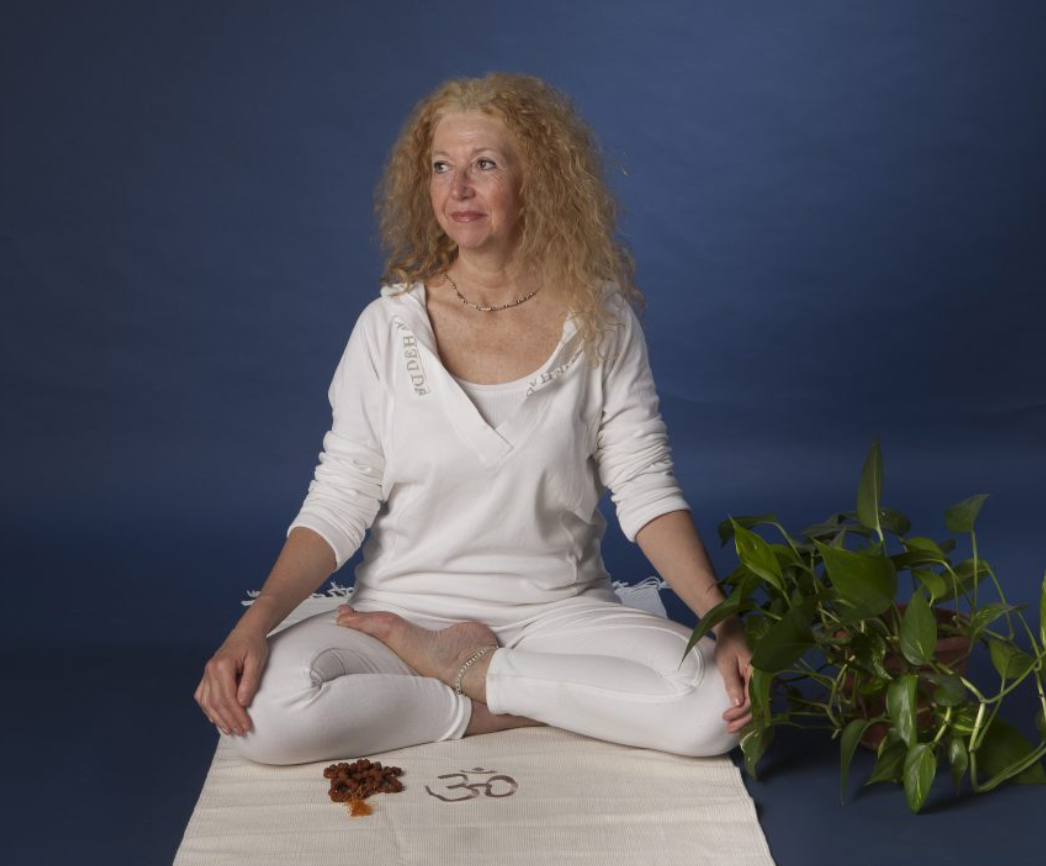
This speech examines the role of Sanskrit pronunciation in contemporary yoga practice through an interdisciplinary framework integrating linguistics, philosophy, and neuroscience. While Sanskrit terminology is often treated as a conventional or decorative element in modern postural yoga, this study argues that its phonetic precision constitutes a functional component of practice with cognitive, physiological, and pedagogical implications. Drawing on the Vedic discipline of phonetics (Śikṣā), one of the six Vedāṅgas, Sanskrit is approached as a highly systematic and phonologically encoded language in which articulation, meaning, and vibrational quality are intrinsically linked (Deshpande, 1993; Staal, 1996). Within the broader framework of yogic philosophy, particularly the concept of Nāda (primordial sound), linguistic utterance is understood as both a carrier of semantic meaning and an instrument of psychophysical modulation (Feuerstein, 2001). The speech further examines how correct pronunciation of āsana names may function as an integrative mechanism aligning semantic content, symbolic imagery, and embodied experience. This perspective is supported by contemporary research on vocalization and neurophysiology. Studies indicate that controlled phonation and chanting practices can modulate autonomic nervous system activity, notably through vagus nerve stimulation, contributing to parasympathetic activation and stress reduction (Porges, 2011; Bernardi et al., 2001). Additionally, neuroimaging research on Vedic Sanskrit recitation has demonstrated increased cortical thickness and grey matter density in regions associated with memory and cognitive control, particularly the hippocampus (Hartzell et al., 2016). These findings suggest that repeated, precise phonetic articulation—such as the correct pronunciation of Sanskrit āsana names—may influence attentional regulation, emotional processing, and neuroplasticity. From a pedagogical and therapeutic perspective, integrating accurate pronunciation into yoga instruction may enhance mindfulness, support breath–sound coordination, and reinforce embodied cognition through linguistically mediated cues. By situating Sanskrit pronunciation at the intersection of traditional knowledge systems and contemporary scientific inquiry, this paper proposes that the verbal dimension of yoga practice is not ancillary but constitutive. Correct pronunciation emerges as a subtle yet measurable factor contributing to the integrative aims of yoga, linking language, body, and mind within a unified experiential framework.
Selected References • Bernardi, L., Sleight, P., Bandinelli, G., et al. (2001). Effect of rosary prayer and yoga mantras on autonomic cardiovascular rhythms. BMJ, 323(7327), 1446–1449. • Deshpande, M. M. (1993). Sanskrit & Prakrit: Sociolinguistic Issues. Motilal Banarsidass. • Feuerstein, G. (2001). The Yoga Tradition. Hohm Press. • Hartzell, J. F., Zysk, K. G., et al. (2016). Brain structural changes associated with Vedic chanting. NeuroImage. • Porges, S. W. (2011). The Polyvagal Theory. Norton. • Staal, F. (1996). Ritual and Mantras: Rules Without Meaning. Motilal Banarsidass.
Biography
Eleonora Medici Sarasvati is the Founder of Rifugio Corpo & Spirito – Yoga Center, Rapallo Liguria-Italy, She is a passionate Yoga teacher, Ayurvedic naturopath, and explorer of the inner world. Her over 30 year path has always been guided by the desire to unite body, mind, and spirit in harmony with nature and ancient wisdom. Her Yoga journey began as personal transformation and evolved into a life vocation. She holds many advanced international certifications including: • E-RYT (1550+ hours) – World Yoga Alliance • Certified Yoga Teacher Trainer and Yoga Therapy – World Yoga Alliance • Certified Meditation Teacher Trainer – World Yoga Alliance • Certified Yin Yoga Teacher Trainer – World Yoga Alliance • Yoga and Meditation Teacher Diploma – Ananda Ashram • Three-Year Yoga Teaching Diploma – Institute of Human Sciences, Rome • Continuous Education Trainer for World Yoga Alliance Her teaching combines Yoga Science with essential oils through her unique method, Yogarôme, emphasizing both its depth and emotional energy. Her teachings are intuitive, feminine, and transformative, embodying her journey. At Rifugio Corpo & Spirito, sacred spaces foster reconnection, healing, and alignment with one’s true essence. Her motto emphasizes that yoga is a way of being, shared with grace, compassion, and deep presence.
Abstract
Across the Western world, we are witnessing a growing movement of women who are choosing alternatives to conventional pregnancy and birth care. This shift has been accompanied by increasing awareness of obstetric violence, as well as concerns regarding women's rights, autonomy, and individual needs during pregnancy and childbirth. As a result, more women are seeking complementary approaches to maternity care, particularly from homeopathic practitioners with expertise in obstetrics. This presentation explores how homeopathy may meet the needs of women who seek individualized care and a more traditional, person-centred approach to pregnancy and birth. It also considers the challenges faced by women who disengage from conventional maternity services, where early signs of potential complications may go unnoticed if they are reluctant to seek medical care. Drawing on real-world clinical cases, we will examine how individualized homeopathic treatment, and the broader philosophy of homeopathic practice, may contribute to supporting these women. These cases illustrate observations and clinical experiences that warrant further scientific investigation and may offer insights not readily captured within conventional research models
Biography
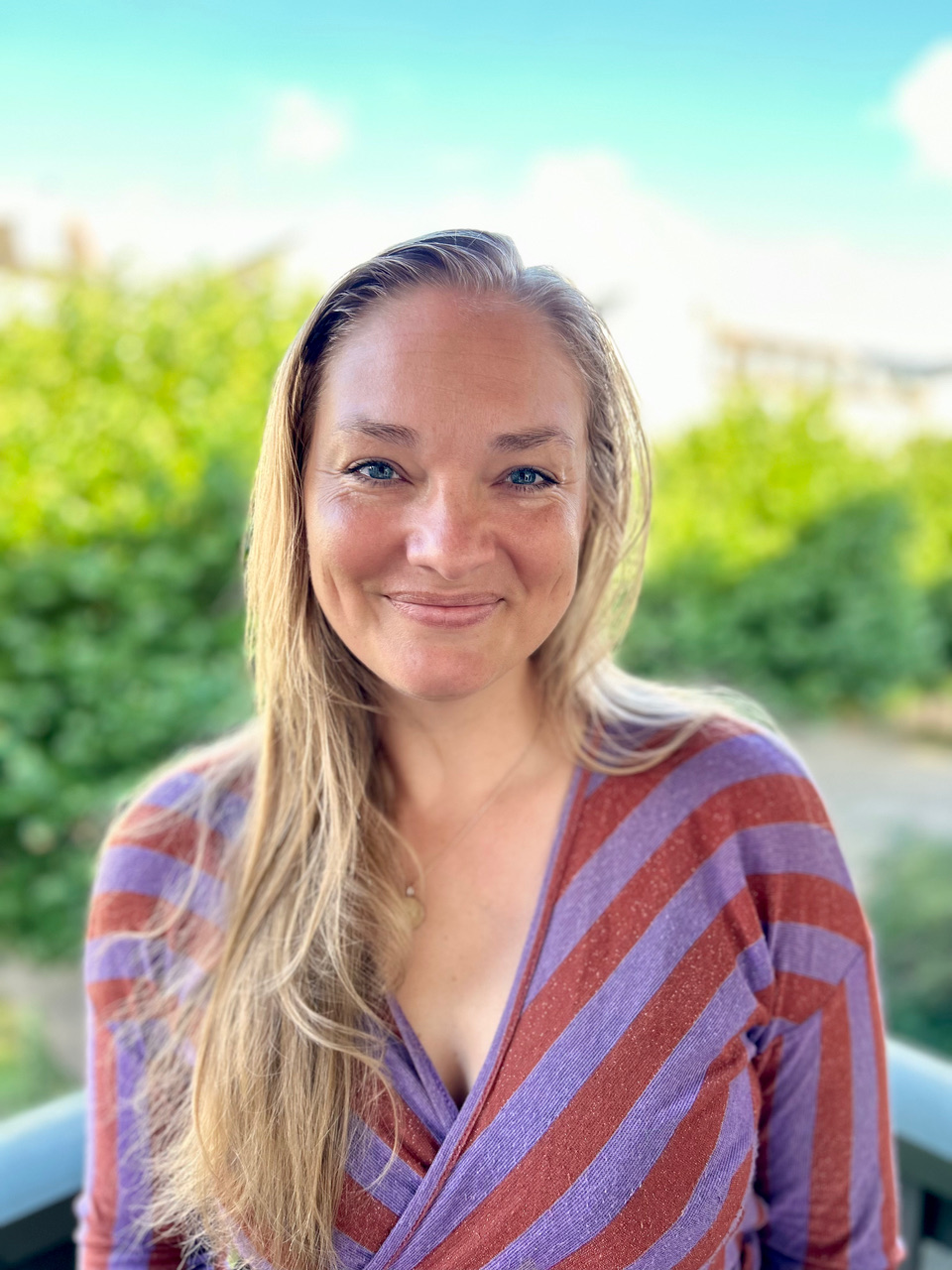
Dr. Stine Ruge is a homeopathic practitioner based in Copenhagen, Denmark. She holds a Licentiate Degree in Homeopathy from the Centre for Homeopathic Education in London, UK. She runs an international online clinic specializing in obstetrics, birth trauma, and newborn care. In addition to her clinical work, she lectures at the International Forum for Promoting Homeopathy (IFPH) in Kerala, India, teaches homeopathic obstetrics at the Danish Doula School, and supervises homeopathy students while treating patients at the Riojen Outreach Clinic in Gambia. Dr. Stine Ruge is also the founder of Scandinavia's largest online membership community for mothers interested in homeopathic prescribing and co-hosts a Danish podcast exploring the intersection of homeopathy and midwifery. She lives in Copenhagen with her husband and their two daughters
Abstract
Patients and clinicians exhibit wide variability in perspective on medicinal herbs and the use of herbal medicine in clinical practice, ranging from deeply rooted traditional beliefs to rigorous scientific skepticism. This presentation aims to present the pharmacological and metabolic mechanisms of medicinal herbs to advance the safe, precise, and evidence-based application in integrative clinical practice. Herbal medicine, when perceived ambivalently as folk remedy (Natural), clinically inert (Neutral) or a combination of the two can lead to disparities in selection, dosage and patient compliance, potentially confounding the clinical picture, and complicating complex or chronic conditions. I term this the “Natural - Neutral Parallax”; a dualistic view of herbs as magically therapeutic and medically inconsequential. This disparate perspective overlooks their pharmacologically and biologically active nature and underestimates their significant metabolic effects. To clarify the “Natural - Neutral Parallax”, we distinguish medicinal herbs from prescription medications to resolve the polarized divide between “natural” and “pharmaceutical” substances. This is accomplished via transmission of the fact both are chemical; however, medicinal herbs and their innate chemical constituents exist independent of human invention or intervention, where pharmaceuticals exist as a direct result of human invention and interventional modifications.Whatever our individual perspectives, as clinicians, we unite in physiology and biochemistry. By examining metabolic signaling pathways, hepatic enzyme dynamics, and effects of phytochemicals on immunomodulatory cytokines, a clinical perspective of medicinal herbs emerges. This is essential to patient safety, therapeutic precision, and optimal outcomes in clinical practice. Medicinal herbs must be safely indicated, selected, dosed and administered by qualified clinicians based on an individual’s condition and constitution. Clinical consideration is applied to pharmacokinetics and pharmacodynamics. Clear, consistent communication between clinicians and patients regarding medicinal herbs in care plans is essential. Ensuring patient safety, minimizing risk, and optimizing outcomes are core clinical priorities that strengthen therapeutic alliance and relational trust.
Biography
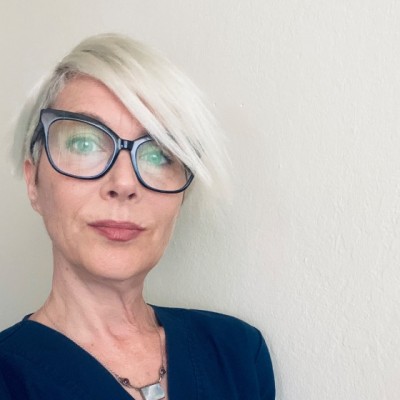
Allison Lubas is a Doctor of Acupuncture, Herbalist, and Certified Clinical hypnotherapist specializing in the formulation and creation of custom herbal medicines for complex and chronic conditions. She is the founder of Blessed Integrative Health in Orange County, California, providing comprehensive, home-based integrative care. Areas of clinical focus include complex and autoimmune conditions with neuropsychiatric and cutaneous features. Dr. Lubas is the author of “Emotional Virulence: Pathogenic Speech and Disease Complexes: A TCM Diagnostic Perspective on Wind” featured in the upcoming issue of Acupuncture Today, and a member of the American Physiological Society. Trained at Yo San University of Traditional Chinese Medicine, American University of Complementary Medicine, South Baylo University, and Pacific College of Health and Science, Dr. Lubas merges Traditional Chinese Medicine therapies, global herbalism, Clinical Hypnotherapy, functional medicine principles, and laboratory diagnostics to advance a pluralistic approach to integrative patient care.
Abstract
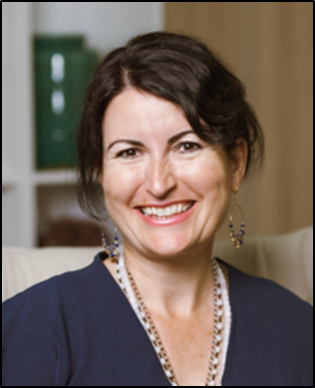
Dr. & Master Sha is a world-renowned healer, author, humanitarian and Tao grandmaster. He is also a doctor in modern medicine in China (MD), and a doctor in traditional Chinese medicine in China and Canada. He trained with Dr. & Master Guo, who founded Zhi Neng Medicine (Body Space Medicine) in China to help thousands of people who did not have access to medical treatment. He wrote more than 30 books, including 11 New York Times bestsellers, and he created the Love Peace Harmony foundation that received widespread recognition for its unconditional service to humanity. He founded Soul Mind Body Medicine by combining the essence of western medicine with ancient Tao wisdom. He applies the Universal Law of Shen Qi Jing: “heal the soul first, healing of the heart, mind and body will follow”. A powerful information system to help bring transformation. He created Tao Science, in collaboration with Dr Rulin Xiu, bridging science and spirituality at a fundamental level, and he contributed to the culmination of quantum physics scientists work on the Grand Unification Theory. Sole lineage holder of professor Li Qiu Yun in the Yi Bi Zi calligraphy style (One Qi), he created Tao Calligraphy to carry a powerful transformative field; and he developed the 6 powers technique to benefit from this field. He received the prestigious titles of Shu Fa Jia (national Chinese Calligrapher Master) and Yan Jiu Yan (honorable researcher professor) by the Chinese State Ethnic Academy of Painting.
Sha Research Foundation, a non-profit organization lead by Dr. Peter Hudoba, neurosur geon, studied the effectiveness of Dr. and Master Sha technique. A team of 24 medical doctors, nurses and researchers conducted 19 clinical studies involving about 600 subjects and lasting between 3 months up to 10 years. This research showed remarkable improvement in quality of life of participants, of their clinical symptoms, and documented many heart touching stories. Results of these studies were presented in 29 International conferences. Laure Le Corroller trained with Dr. & Master Sha for 15yr, and is now one of his leading teachers. People testimonials are Dr. & Master Sha technique’s report card. Many reported transformations in health, relationships, and more. There is no promise of result or any guarantee. Soul Medicine is not a replacement of modern medicine or traditional Chinese medicine, but it can complement powerfully through the power of guided meditation in a powerful transformative field.
Soul Medicine with Tao transformative field is empowering everyone to reconnect with the power of the soul. Soul is the warehouse of information that goes through the emotional body, mental body and physical body. Beyond mindfulness: soulfulness. Soul can make things happen.
What will audience learn from your presentation?
Presentation of Dr. & Master Sha, and what is Shen Medicine and Tao Healing Arts. Presentation of Laure Le Corroller.
Explanation of how Shen Medicine and Tao Healing Arts work. Sharing results from studies lead by Sha’s Research Foundation and its partners.
In time allows, and a workshop is offered, the audience will be able to use what they learn right away, by experiencing the power of Shen Meditation in the field of Tao Calligraphies, Tao Song, and possibly Tao Essential Oils.
If participants wish to continue to experience the power of Shen Medicine and Tao Healing Arts after the workshop, we will provide a free guest pass to experience the Tao Healing Art of Shen Meditation in the field of Tao Calligraphies and Tao Song, as well as access to our free weekly introductory session to Dr. & Master Sha Tao transformative technologies where people share their transformation results Live around the world every week.
Summary of benefits: Shen Medicine and Tao Healing Arts are empowering everyone to reconnect with their own soul power. In combination with modern medicine and Traditional
Chinese medicine, it can help transform health, relationships, every aspect of life. Beyond mindfulness, soulfulness: The soul can make things happen.
Biography
Laure Le Corroller is a one of Dr & Master Sha leading teachers and healers. In 2008, she discovered Dr. & Master Sha through one of his books: Soul Mind Body Medicine. Her life changed and she decided to train with him. She is a certified Tao transformative field master teacher & healer since 2015. She witnessed great results and heart touching transformations when combined with conventional medicine and/or traditional Chinese medicine. Laure’s compassion and service have touched thousands of people around the world since then. She offers free introductions, workshops, courses on intuitive development, spiritual channels, soul wisdom & healing, Tao wisdom & healing.
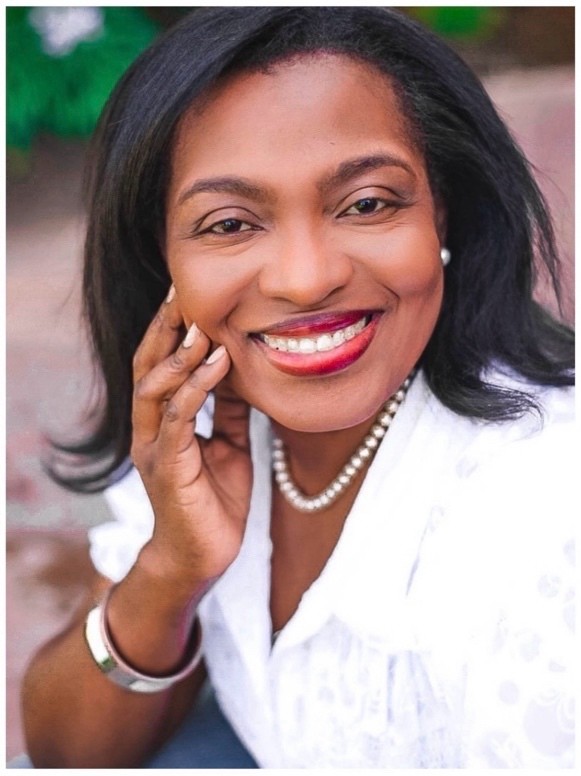
Abstract
Migraine is a debilitating, multifactorial neurological disorder that heavily impacts quality of life. While pharmacological therapies remain the cornerstone of management, nearly half of all patients explore complementary and integrative medicine (CIM) to achieve better symptom control. This webinar presents a whole-person, multidisciplinary approach to migraine care that synergistically combines conventional medicine with evidence-backed lifestyle interventions. Attendees will explore the science behind targeted nutraceuticals such as magnesium, riboflavin, and CoQ10, which have shown efficacy in reducing migraine frequency and severity. The session will also cover mind-body therapies, including mindfulness practices and yoga, that can aid in pain management and stress reduction. Additionally, the use of neuromodulation devices will be discussed as an innovative and effective treatment option. Participants will learn how to identify and manage lifestyle triggers, navigate dietary changes, and integrate physical therapy into a cohesive care plan. By focusing on a holistic approach, providers will leave with actionable, evidence-based tools to counsel patients safely, build stronger therapeutic alliances, and improve patient-centered outcomes. This session promises to enhance your practice by equipping you with the tools necessary to address the complexities of migraine care effectively.
Biography
Dr. Anise Tatiana Wheeler is a dedicated healthcare professional specializing in the management of anxiety, pain, and migraines through integrative approaches that emphasize the role of vitamins and nutrition. Currently, she practices at Stanford Health Care, where she provides compassionate care to patients dealing with chronic pain conditions. Prior to her tenure at Stanford, Dr. Wheeler honed her expertise over 11 years at Johns Hopkins University, focusing on corporate wellness initiatives. Her experience in corporate wellness has equipped her with unique insights into the intersection of mental health and organizational well-being, fostering a holistic approach to patient care. Dr. Wheeler holds a Bachelor of Nursing degree from Brigham Young University and a Master's in Nursing from San Francisco State University. She has also earned a post-master's certificate as a Psychiatric Nurse Practitioner from the University of Texas Rio Grande Valley. Additionally, Dr. Wheeler achieved a Doctorate in Nurse Leadership at the University of Massachusetts Amherst and a Master's in Health System Management from Johns Hopkins University. Her commitment to empowering patients through evidence-based nutritional interventions and supportive coaching allows them to reclaim control over their health and enhance their overall quality of life. Dr. Wheeler's work exemplifies the effectiveness of blending functional medicine with traditional practices to address complex health challenges.
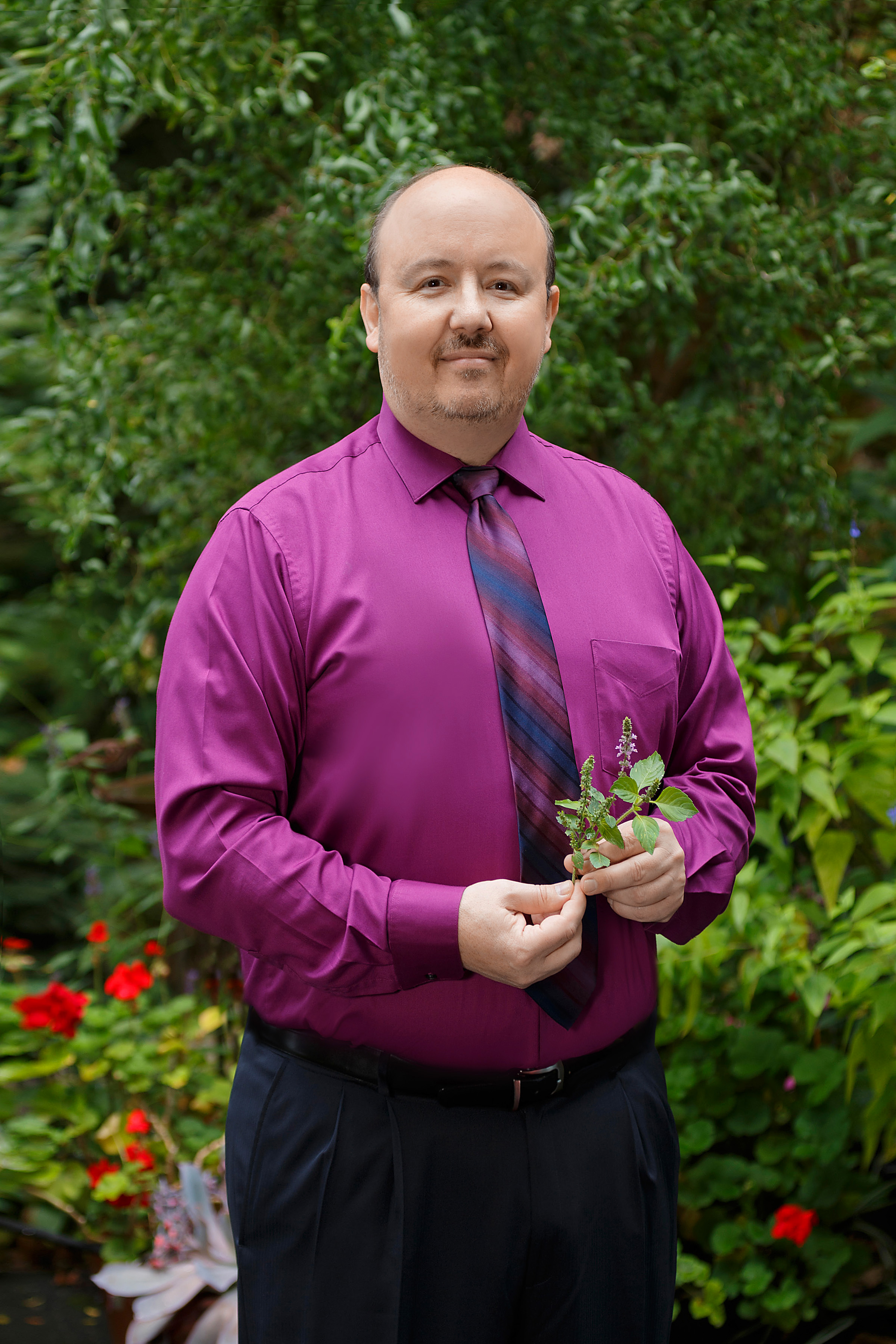
Abstract
This lecture explores how integrating quantum physics with full-spectrum botanical extracts is reshaping what is possible for absorption, distribution, and clinical impact—going well beyond the performance of equivalent standardized botanicals.
By applying concepts such as energy fields, resonance, and quantum-tuned molecular dynamics to whole-plant matrices, emerging technologies have been shown in human clinical trials to significantly increase bioavailability and functional outcomes compared with conventional, marker-standardized extracts at similar or lower doses.
We will unpack how frequency-based “priming” and field modulation can interact with complex phytochemical networks to enhance membrane transport, tissue targeting, and physiological signaling, while still aligning with evidence-informed and regulatory-aware practice. Special emphasis will be placed on how clinicians and product formulators can critically evaluate these quantum‑enabled, full‑spectrum ingredients, interpret human trial data, and translate these advances into more targeted protocols and differentiated product designs.
Participants will leave with a clear framework for understanding, assessing, and responsibly leveraging quantum-driven bioavailability gains across the clinical and formulation pipelines.
Biography
Dr. Chris Meletis is an educator, international author, and lecturer with over 33 years of clinical practice. His mission is “Changing the World’s Health One Person at a Time.” Dr. Meletis has authored 18 books and over 200 national scientific articles in journals, including those in PubMed. Dr. Meletis served as Dean of Naturopathic Medicine and Chief Medical Officer for seven years at the National College of Naturopathic Medicine (now the National University of Natural Medicine). The American Association of Naturopathic Physicians awarded him the Physician of the Year for his work helping the underprivileged and spearheading the creation of 16 free natural medicine healthcare clinics in the Portland metropolitan area of Oregon.
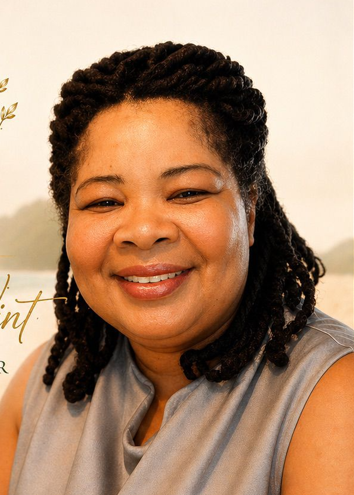
Abstract
Holistic healing is more than a profession for me,it is a divine calling, a lifelong mission, and a sacred responsibility. My work is rooted in the belief that true healing addresses the whole person: body, mind, spirit, emotions, lifestyle, and environment. Through years of studying herbs, nutrition, natural wellness practices, and the connection between humanity and nature, I have come to understand that healing begins long before an herb is harvested or a remedy is prepared. Healing begins in the soil. My passion for holistic medicine emerged from witnessing the growing health challenges affecting families and communities worldwide. I saw people struggling with chronic illnesses, stress-related conditions, nutritional
deficiencies, and a dependence on solutions that often addressed symptoms rather than underlying causes. This inspired me to dedicate my life to educating others about the healing gifts found within nature and how proper nutrition, herbal support, spiritual wellness, and lifestyle changes can work together to promote optimal health.
What many people fail to realize is that medicinal plants are only as powerful as the environment in which they are grown. The quality of the soil directly influences the nutritional and therapeutic value of herbs. Healthy soil is a living ecosystem rich in minerals, organic matter, beneficial microorganisms, fungi, earthworms, and natural biological activity. When medicinal plants are cultivated in nutrient, depleted soil, they may grow physically, but their healing potential can be significantly diminished. Throughout my work, I have learned that successful herbal cultivation requires a deep understanding of the relationship between the plant, the soil, the climate, water quality, sunlight exposure, and seasonal cycles. Not every herb can be planted in every location. Each medicinal plant has unique environmental requirements that determine its growth, potency, and medicinal effectiveness.
Biography
Dr. Anthia Wint is a Holistic Wellness Consultant, Herbal Educator, Natural Healing Advocate, Author, and Wellness Program Developer dedicated to empowering individuals through natural health education. My work focuses on herbal wellness, plant-based nutrition, detoxification, spiritual wellness, preventive health strategies, and holistic lifestyle transformation. Inspired by my passion for helping others achieve optimal wellness, I Dr. Wint has developed numerous educational programs, workshops, herbal protocols, detox plans, meal programs, and wellness resources designed to support individuals on their healing journeys. I believes that true wellness is achieved when physical health, emotional well-being, spiritual balance, and environmental stewardship work together in harmony Through my teachings, writings, and community outreach efforts, l Dr. Wint continues to advocate for a deeper understanding of natureʼs healing gifts while encouraging individuals to embrace informed, balanced, and holistic approaches to health and wellness.
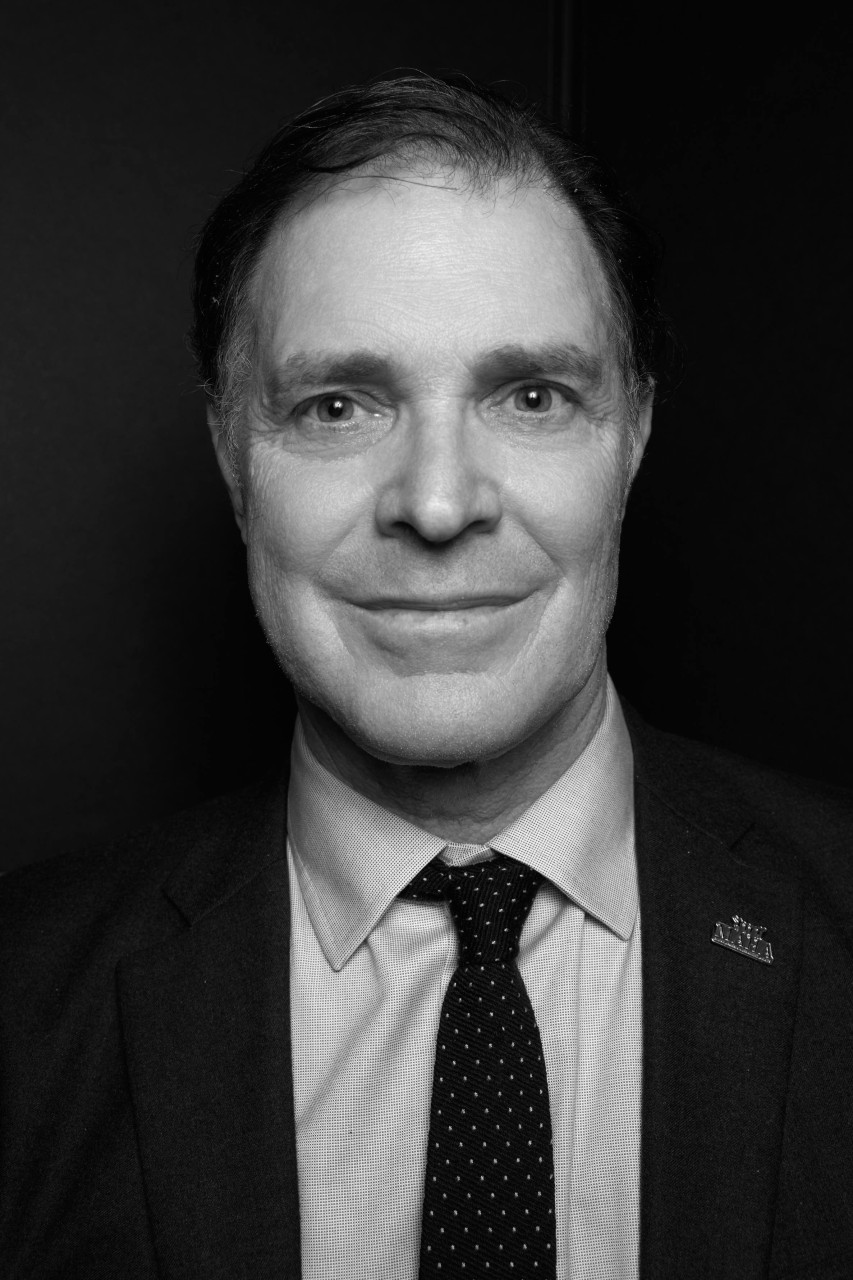
Abstract
Traditional Chinese Medicine (TCM) is like a timeless conversation between humanity and nature, a dialogue that’s been refining itself for over 80 centuries. As an integrative practitioner, I’ve watched patients walk into my clinic skeptical, only to leave with a newfound respect for the power of a well-placed herb or a bowl of congee. TCM’s approach to health—using food and herbs to harmonize the body’s Qi, Yin, and Yang—is both an art and a science, grounded in observation and elevated by intuition. This chapter dives deep into TCM’s food energetics and herbal medicine, exploring how these ancient tools can address modern complaints like perpetually cold hands, sneezy springtime allergies, or the achy joints of osteoarthritis. We’ll unpack the principles, share clinical stories, and offer practical wisdom you can bring to your kitchen or clinic. Whether you’re a patient, practitioner, or curious soul, prepare to see food and herbs in a whole new light.
The Roots of TCM: A Philosophy of Balance: TCM isn’t just a medical system; it’s a way of seeing the world. At its core are the concepts of Yin and Yang—complementary forces that dance in everything from your body to the seasons—and the Five Elements (Wood, Fire, Earth, Metal, Water), which map the interplay of organs, emotions, and nature. Health, in TCM, is balance: when Qi (vital energy), Blood, and Body Fluids flow smoothly, you thrive. When they stagnate or falter, symptoms arise. Food and herbs are TCM’s primary tools to nudge the body back to harmony, with acupuncture being an adjunctive therapy.
I remember a patient, a stressed-out IT manager, who scoffed at the idea that ginger tea could help his chronic fatigue. “I need a double espresso, not a root!” he quipped. Two weeks of warming foods and a gentle herbal formula later, he was sleeping better and had energy to spare. That’s TCM at work: subtle, yet profound. Its relevance today lies in its holistic lens, which aligns beautifully with integrative medicine’s focus on the whole person. A 2018 study in The Journal of Ethnopharmacology found that TCM-based dietary adjustments improved immune markers in healthy adults, hinting at why this ancient system resonates in our high-tech world.
Food Energetics: Your Plate as Your Pharmacy: In TCM, food is more than sustenance—it’s a prescription. Every morsel carries an energetic profile defined by its thermal nature (hot, warm, neutral, cool, cold), flavor (sour, bitter, sweet, pungent, salty), and organ affinity. Think of your kitchen as a pharmacy: the right food can warm a chilly body, cool an overheated one, or drain excess dampness. Unlike Western nutrition’s focus on macros or calories, TCM asks, “How does this food make your body feel?” (A “Big Mac attack” happens 30 minutes after you eat it.)
Thermal Natures and Flavors: Thermal nature determines a food’s effect on your internal thermostat. Warming foods like cinnamon, lamb, or cloves stoke Yang, ideal for someone who’s always cold or lethargic. Cooling foods—think cucumber, watermelon, or mung beans—calm Yin-deficient heat, like hot flashes or irritability. Neutral foods (rice, carrots, sweet potato) are gentle balancers, good for most constitutions.
Flavors, meanwhile, have specific roles:
Sour (lemon, plum): Astringes and holds, useful for diarrhea or excessive sweating.
Bitter (dandelion, kale): Drains heat and dries dampness, great for acne or bloating.
Sweet (honey, yam): Tonifies and harmonizes, boosting energy or calming the mind.
Pungent (ginger, garlic): Disperses stagnation, clearing colds or sluggishness.
Salty (seaweed, miso): Softens hardness, like nodules, and moistens dryness.
Each flavor targets an organ: sour to the Liver, bitter to the Heart, sweet to the Spleen, pungent to the Lung, salty to the Kidney. Overdo one flavor, and you risk imbalance—too much salty food, for instance, can strain the Kidneys. It’s important to understand that all of the organs in Chinese medicine are conceptual – being diagnosed with a Spleen Qi deficiency has nothing to do with your actual spleen, so we designate Chinese organs with capital letters: Heart, Kidney, Liver.
Seasonal Eating and Lifestyle: TCM emphasizes eating with the seasons, a practice that aligns your body with nature’s rhythms. In winter, when Yang wanes, opt for hearty, warming dishes: beef stew with star anise, roasted root vegetables, or black bean soup. Summer calls for cooling, light fare—mung bean salad, watermelon, or chrysanthemum tea—to counter heat. Spring, a time of Liver Qi rising, benefits from pungent, detoxifying foods like scallions or dandelion greens. Autumn, tied to the Lung, favors moistening foods like pears or almonds to combat dryness.
Lifestyle matters too. I often remind patients, “Your body’s a garden, and you’re the gardener.” Eating slowly, avoiding distractions, and chewing thoroughly enhance the Spleen’s ability to transform food into Qi. Overeating, skipping meals, or chugging iced drinks can dampen digestion, leading to fatigue or bloating. (From a Western medical perspective, cold drinks dilute hydrochloric acid and reduce stomach motility leading to undigested food in the stool and bloating.) A patient once told me she felt “like a slug” after her daily smoothie. Switching to warm oatmeal with ginger transformed her energy—she was practically bouncing into her next appointment.
Practical Applications: For a patient with cold hands and feet (Yang deficiency), warming foods are key: ginger tea, lamb stir-fry with scallions, or roasted chestnuts to improve microcirculation. Avoid raw salads or iced coffee, which extinguish the body’s fire. For seasonal allergies, often tied to Wind-Heat, cooling foods like mint or pear soothe itchy eyes, while pungent garlic helps Wind-Cold patterns (clear mucus, worse in cold). For cold-type osteoarthritis, a “Bi syndrome” with heavy, achy joints, warming, damp-draining foods like turmeric, adzuki beans, or rosemary-infused chicken soup can ease pain.
Let’s consider a vignette. Maria, a 50-year-old nurse, struggled with bloating and loose stools, a Spleen Qi deficiency pattern. I suggested warm, sweet foods like pumpkin porridge and baked apples, avoiding cold smoothies and greasy takeout. Within a month, her digestion stabilized, and she felt lighter. This is food energetics in action: simple shifts, big results.
Herbal Medicine: Nature’s Precision Toolkit: If food is TCM’s broad stroke, herbs are its scalpel. TCM herbal medicine is a sophisticated system, with over 5,000 substances—plants, minerals, and occasionally animal products—categorized by their energetic properties. Herbs can be used alone or in synergistic formulas, tailored to a patient’s unique pattern. As I wrote in my Acupuncture Today article on nootropics, adaptogenic herbs fit seamlessly into TCM, offering modern solutions to stress and depletion.
Principles of Herbal Medicine: Herbs are classified like foods: by thermal nature, flavor, and organ/meridian affinity. For example, Sheng Jiang (fresh ginger) is warm, pungent, and targets the Lung and Spleen, making it ideal for colds or nausea. Huang Qi (astragalus) is sweet, slightly warm, and strengthens the Spleen and Lung, boosting immunity. Herbs are prepared in various forms—decoctions (boiled teas), powders/granuals, pills, or tinctures—each suited to different needs. Decoctions, the traditional method, extract maximum potency but require time and patience.
Safety is paramount. Some herbs, like Fu Zi (aconite), are potent and require expert handling to avoid toxicity. Others, like Gan Cao (licorice), are gentle but can raise blood pressure in excess. Today you can buy “deglycyrrhizinated licorice root” where the blood pressure elevating component is stripped out. TCM practitioners rely on pattern differentiation—assessing symptoms, pulse, and tongue—to prescribe safely. A 2020 study in Medicine found that Liu Wei Di Huang Wan (Six-Ingredient Rehmannia Pill) improved kidney Yin deficiency symptoms in elderly patients suffering from diabetic kidney disease, highlighting the efficacy and safety of well-crafted formulas.
Single Herbs vs. Formulations
Single herbs are like solo performers, shining in straightforward cases. Consider:
Sheng Jiang (fresh ginger): Warms the middle, dispels cold, settles nausea. Perfect for morning sickness/chemotherapy induced nausea, or chills.
Gan Cao (licorice root): Sweet, neutral, tonifies Qi, harmonizes formulas, soothes throats.
Ju Hua (chrysanthemum): Cool, bitter, clears heat, calms itchy eyes or headaches.
Single herbs are great for acute symptoms or when a patient’s pattern is clear. For example, I might recommend Ju Hua tea for a patient with red, itchy eyes from Wind-Heat.
Formulations, however, are TCM’s masterpieces. By combining herbs, formulas address complex patterns with precision. Take Gui Zhi Tang (Cinnamon Twig Decoction), used for exterior Wind-Cold: it warms Yang, releases chills, and harmonizes the body’s defenses. Its ingredients follow a “monarch, minister, assistant, envoy” structure, where the Monarch is the primary herb or main therapeutic agent, the Minister supports the Monarch by strengthening its action or treating secondary symptoms. The Assistant further aids the two, often by counteracting potential side effects, and the Envoy directs the formulat to particular parts of the body. Here’s an example:
Monarch: Gui Zhi (cinnamon twig) releases the exterior.
Minister: Bai Shao (white peony) nourishes Yin to balance warmth.
Assistant: Sheng Jiang and Da Zao (jujube) support digestion.
Envoy: Gan Cao harmonizes the formula.
Formulations excel in chronic or multifaceted conditions, reducing side effects through synergy. For instance, Si Wu Tang (Four Substances Decoction) nourishes Blood for menstrual irregularities, combining rehmannia, angelica, peony, and ligusticum to address both deficiency and stagnation.
Adaptogens: TCM Meets Modern Stress
In my nootropics article, I described adaptogens as herbs that enhance resilience, a concept that aligns with TCM’s focus on balance. TCM adaptogens include:
Ren Shen (ginseng): Warm, sweet, tonifies Qi and Yang. Boosts energy, focus, and immunity.
Huang Qi (astragalus): Sweet, slightly warm, strengthens Wei Qi (defensive energy).
Ling Zhi (reishi mushroom): Neutral, calms Shen, supports immunity and stress resilience.
These herbs are lifesavers in our high-stress world. Ginseng, for example, can revive a depleted patient, while reishi soothes anxiety. I often pair adaptogens with food: ginseng in a chicken congee for fatigue, or reishi tea with goji berries for stress-induced heat. Their flexibility—adapting to the body’s needs—makes them TCM’s bridge to modern wellness. They also support adrenal function.
TCM Diagnosis: The Art of Seeing Patterns: TCM’s magic lies in its diagnostic precision. Practitioners assess patients through four pillars: observation (tongue, complexion), listening/smelling (voice, breath), inquiry (symptoms, lifestyle), and palpation (pulse, abdomen, meridian pathways). The goal is to identify the pattern—say, Spleen Qi deficiency or Liver Qi stagnation—behind the symptoms.
Take the tongue: a pale, swollen tongue with teeth marks (also known as scalloped edges) suggests Spleen deficiency, while a red tongue with a yellow coating points to heat. The pulse, felt at three positions on each wrist, reveals depth, speed, and quality— ancient terms such as weak, slippery, or wiry. These clues guide food and herbal prescriptions. For example, a patient with a wiry pulse and irritability (Liver Qi stagnation) might benefit from sour, Liver-soothing foods like vinegar or the formula Xiao Yao San (Free and Easy Wanderer).
Clinical Examples: TCM in Action
Let’s explore five cases to show how food and herbs work together. Each reflects patterns I’ve seen in practice, highlighting TCM’s personalized approach.
Case 1: Cold Hands and Feet (Yang Deficiency)
Sarah, a 42-year-old teacher, is perpetually cold, with icy hands and feet that worsen in winter. She’s tired, her digestion is sluggish, and she catches colds easily. Her tongue is pale, her pulse weak—classic Kidney Yang deficiency.
Diagnosis: Sarah’s Yang, the body’s warming energy, is low, impairing circulation and metabolism.
Food Energetics: Warming, Yang-boosting foods are essential. Breakfast could be oatmeal with cinnamon, walnuts, and molasses. Lunch might be lamb stir-fry with leeks, ginger, and black pepper. Snacks like roasted chestnuts or fennel tea keep her warm. She should avoid raw salads, iced drinks, and dairy, which dampen Yang.
Herbal Medicine: Fu Zi (prepared aconite) is a potent Yang warmer but requires supervision. Instead, Jin Gui Shen Qi Wan (Kidney Qi Pill) is ideal, blending cinnamon bark (Rou Gui), aconite, and rehmannia (Shu Di Huang) to warm Yang and nourish Yin. Astragalus, an adaptogen, bolsters her Qi and immunity. After six weeks, Sarah’s hands are warmer, her energy is up, and she’s braving winter with a smile.
Case 2: Seasonal Allergies (Wind-Heat)
John, a 35-year-old graphic designer, dreads spring. His eyes itch, his nose runs, and he sneezes constantly, worse on warm, windy days. His tongue has a thin yellow coating, his pulse is floating—Wind-Heat invading the Lung.
Diagnosis: External Wind-Heat is obstructing John’s Lung Qi, causing allergic symptoms.
Food Energetics: Cooling, Wind-dispersing foods can clear Heat. John should sip chrysanthemum tea, add mint to salads, and eat pears or watermelon. If allergies shift to Wind-Cold (clear mucus, worse in cold), pungent scallions or garlic help. He should avoid spicy or fried foods, which aggravate Heat.
Herbal Medicine: Xin Yi Hua (magnolia flower) opens nasal passages, but Cang Er Zi San (Xanthium Powder) is better for Wind-Heat, combining chrysanthemum (Ju Hua), mint (Bo He), and xanthium to clear Heat and Wind. Reishi, an adaptogen, calms John’s stress and supports immunity. After a month, John’s symptoms are minimal, and he’s enjoying spring hikes.
Case 3: Cold-Type Osteoarthritis (Cold-Damp Bi Syndrome)
Emma, a 60-year-old retiree, has achy knees and hips that worsen in cold, damp weather. Her joints feel heavy, stiff, and sometimes swell. Her tongue is pale with a greasy white coating, her pulse is slow—cold-damp Bi syndrome.
Diagnosis: Cold and dampness obstruct Emma’s meridians, causing pain and stiffness.
Food Energetics: Warming, damp-draining foods are key. Emma should try turmeric-spiced chicken soup with rosemary, adzuki bean porridge, or ginger tea with cayenne. Avoid cold, greasy foods like ice cream or fried foods, which worsen dampness.
Herbal Medicine: Du Huo (angelica pubescens) dispels wind-damp, but Du Huo Ji Sheng Tang (Angelica and Mistletoe Decoction) is comprehensive, warming channels and nourishing Liver and Kidney. Ginseng, an adaptogen, addresses fatigue. After eight weeks, Emma’s pain is down, and she’s walking daily.
Case 4: Digestive Issues (Spleen Qi Deficiency)
Lisa, a 28-year-old marketing assistant, suffers from bloating, loose stools, and low energy, worse after eating raw foods. Her tongue is pale with teeth marks, her pulse is weak—classic Spleen Qi deficiency.
Diagnosis: Lisa’s Spleen is failing to transform food into Qi, leading to dampness and fatigue.
Food Energetics: Warm, sweet foods strengthen the Spleen. Lisa should eat pumpkin porridge, baked apples, or rice congee with cardamom. Avoid cold smoothies, salads, or greasy foods. Fennel tea can ease bloating.
Herbal Medicine: Single herb Si Jun Zi Tang (Four Gentlemen Decoction) tonifies Spleen Qi, combining ginseng, white atractylodes, poria, and licorice. Huang Qi, an adaptogen, boosts energy. After a month, Lisa’s bloating is gone, and she’s feeling vibrant. Adding a comprehensive digestive enzyme formula to supplement the herbs will improve her condition that much quicker.
Case 5: Insomnia (Heart Blood Deficiency)
Tom, a 55-year-old accountant, can’t sleep, waking at 3 a.m. with a racing mind. He’s irritable, his memory is foggy, and his tongue is pale, pulse thin—Heart Blood deficiency.
Diagnosis: Insufficient Blood fails to anchor Tom’s Shen (spirit), causing insomnia and anxiety.
Food Energetics: Nourishing, Blood-building foods help. Tom should eat spinach, red dates, or beef liver, paired with calming chamomile tea. Avoid caffeine or spicy foods, which agitate Shen.
Herbal Medicine: Suan Zao Ren (sour jujube seed) calms Shen, but Gui Pi Tang (Restore the Spleen Decoction) nourishes Heart Blood and Spleen Qi. Reishi, an adaptogen, soothes anxiety. After six weeks, Tom sleeps through the night and feels sharper.
Integration with Western Medicine
TCM shines as a complement to Western medicine. For example, a patient with osteoarthritis might use NSAIDs for pain while using Du Huo Ji Sheng Tang to address underlying cold-damp patterns. Seasonal allergy sufferers can pair antihistamines with Cang Er Zi San for faster relief. In my practice, I’ve collaborated with MDs to wean patients off sleep aids by using TCM to address root causes like Heart Blood deficiency. This integrative approach maximizes outcomes while minimizing side effects.
Patient Empowerment: Bringing TCM Home
TCM empowers patients to take charge of their health. Start small: swap iced coffee for ginger tea, or add cinnamon to your oatmeal. Keep a food journal to notice how meals affect your energy or mood. For herbs, consult a TCM practitioner, but gentle options like chrysanthemum tea or goji berry snacks are safe for most. Seasonal eating—warming stews in winter, cooling salads in summer—is an easy entry point. As I tell patients, “You don’t need a PhD in TCM to start. Just listen to your body.”
Conclusion: TCM’s Timeless Wisdom
TCM’s food energetics and herbal medicine offer a roadmap to health that’s as relevant today as it was centuries ago. From warming Sarah’s chilly hands to calming John’s allergies or easing Emma’s joints, TCM provides targeted solutions to the individual. Adaptogens like ginseng and reishi, bridge ancient wisdom with modern stress, making TCM a vital tool for our times.
As we face rising chronic disease and stress, TCM’s holistic lens—treating body, mind, and spirit—offers hope. It’s not about replacing Western medicine but enhancing it, creating a synergy that honors both science and tradition. So, next time you’re feeling off, skip the processed snacks and brew a cup of chrysanthemum tea. Your Qi will thank you, and you might just find yourself dancing with nature’s rhythm.
Biography
Dr. Ziegler is a distinguished holistic chiropractic and integrative physician with over 30 years of private practice experience. Board-certified and licensed by the Virginia Board of Medicine, Dr. Ziegler earned his Doctor of Chiropractic degree from Life University in Marietta, Georgia, in 1989. He further honed his expertise through postgraduate studies in physiological therapeutics at the National University of Health Sciences and completed a fellowship in medical acupuncture through the International Academy of Medical Acupuncture. Additionally, he holds certifications from the American Biomechanics and Bioengineering Association, as well as in Nutrition and Blood Chemistry. Dr. Ziegler’s comprehensive approach to healthcare emphasizes prevention, healing, and optimal wellness. Drawing on scientific methodologies such as chiropractic care, acupuncture, nutrition, vitamin therapy, and physical medicine, he tailors integrative treatment plans that address the unique internal and external environments of his patients. By fostering partnerships with his patients, he is dedicated to promoting whole-body and mind healing responses. Widely recognized for his expertise, Dr. Ziegler has been featured on national and local media platforms, including ABC’s Good Morning America, News Channel 8, Northern Virginia Magazine, ashingtonian Magazine, and Your Health Magazine. His credentials include serving as a consultant to the medical office of the Japanese Embassy and as an expert witness in multiple jury trials. He is also an accomplished athlete, having completed both the Marine Corps Marathon and the New York City Marathon multiple times, reflecting his commitment to health and fitness. Dr. Ziegler is a proud recipient of a full athletic scholarship to the University of Connecticut, where he demonstrated exceptional dedication to health sciences and athletics. He remains deeply passionate about healthcare, fitness, and integrative medicine, striving to make a profound impact on the lives of his patients and the communities he serves.
Abstract
This thesis investigates real-world psilocybin use, focusing on one primary objective, user behaviors, and two secondary objectives: belief transmission and variation of psilocybin use. This thesis aims to bridge the gap between clinical research and naturalistic use, exploring how psilocybin is consumed and perceived outside controlled settings. Understanding real-world use is crucial for informing integrative clinical practices, public policy, and harm reduction strategies. Methods: An observational cross-sectional study was conducted using an anonymous online survey disseminated across Reddit forums. All participants must have consumed psilocybin at least once to participate in this study. Descriptive statistics (frequencies, percentages, and means) were used to analyze the research outcomes. Results: The study included 241 participants, primarily male (69.5%) and White or European (n=187, 78.2%). Oral absorption was the predominant method (n=238, 99.2%), with fresh/dried mushrooms being the most common product consumed (n=218, 90.8%). A large portion of participants (n= 138, 57.5%) reported side effects, with nausea (n=92, 38.3%) and anxiety (n=73, 30.4%) being the most frequent. Oral products which had the least amount of side effects reported include blue honey (n=1, 20%) and capsulated psilocybin mushrooms (n=22, 25%). Recreational use was the primary intention (n=219, 91.3%) for psilocybin use. The majority of participants consume psilocybe cubensis mushrooms (n=103, 58.5%) and the Golden Teacher strain (n=49, 32.9%). Conclusions: These findings highlight the wide range of complexity and diversity of real-world psilocybin use and the need for continued efforts in harm reduction by emphasizing the importance of understanding both clinical and naturalistic settings. Future research should focus on reducing the ambiguity in psilocybin products and exploring safe use practices to inform comprehensive, evidence-based regulations.
Biography
Sierra holds a Doctorate of Naturopathic Medicine and Masters in Integrative Medicine Research and conducted novel research through the Helfgott Research Institute investigating the use of psilocybin-containing products in the 2020s. Her research is aimed at exploring the ethnomycology in regards to psilocybin-containing fungi and the real-world use of these products outside of controlled clinical settings. Her love for mycology was awakened while living in the Atlantic Forest of Brazil investigating ideal substrates for bioluminescent fungi cultivation. She also has eight years of experience in cannabis extraction where she has led manufacturing of medical and recreational grade cannabinoid-containing products. She has experience in a range of extraction and refinement chemistry applications of this medicinal plant.
Abstract
Metabolic inflexibility — the inability to efficiently switch between glucose and fatty acids as primary fuel sources — has become a defining feature of modern chronic disease. Despite decades of dietary guidelines, the global burden of insulin resistance, obesity, type 2 diabetes, and chronic inflammatory conditions continues to escalate. This presentation introduces the Keto-biotique protocol, a clinically informed naturopathic framework developed over 40 years of practice, synthesizing current evidence in metabolic medicine, microbiome science, and nutritional biochemistry. The protocol addresses five interconnected therapeutic targets. First, therapeutic carbohydrate management: individualized glucidic restriction (30–100 g/day according to the patient's HOMA-IR index and muscle mass) is used to restore insulin sensitivity and reactivate endogenous ketone production — restoring the ancestral metabolic duality of glucose and beta-hydroxybutyrate as dual fuel sources, as described by Bikman and Fung. Second, seed oil elimination: industrial omega-6-rich vegetable oils (sunflower, corn, soybean, canola) are replaced by ancestral stable fats (butter, coconut oil, extra-virgin olive oil). Drawing on Shanahan's work on lipid oxidation and mitochondrial damage, this intervention reverses a primary driver of chronic inflammation and cellular energy dysfunction. The emerging role of C15:0 pentadecanoic acid — identified by Venn-Watson as a novel essential fatty acid protective against metabolic syndrome is also discussed. Third, antinutrient avoidance: three specific classes are addressed. Oxalates (Norton) — plant-derived sharp crystals that damage mitochondria, sequester essential minerals, and trigger systemic inflammation when accumulated in tissues. Lectins (Gundry) — glycoproteins that increase intestinal permeability, stimulate zonulin release, and directly mimic insulin receptor signaling, driving insulin resistance. Neu5Gc — a sialic acid found in red meat that, unlike the human homologue Neu5Ac, triggers autoimmune molecular mimicry and neuroinflammation when chronically incorporated into host glycocalyx.
Fourth, microbiome restoration: the three-step approach of 'weed, feed, reseed' guides patients from eliminating dysbiotic drivers (ultra-processed foods, unnecessary antibiotics, pesticide-laden produce) through prebiotic fertilization (polyphenol-rich foods, 30+ plant species weekly) to targeted reseeding via William Davis's super-probiotic fermented dairy cultures delivering up to 300 billion CFU of Lactobacillus reuteri and L. gasseri per serving.
Fifth, intermittent fasting (16:8 protocol): timed eating windows are introduced progressively following glycemic stabilization. Fasting activates autophagy, selects for metabolically versatile microbiota, and synergizes with nutritional ketosis to accelerate restoration of metabolic flexibility. Clinical observations across 40 years of practice, combined with the referenced scientific literature, demonstrate that this integrative, multimodal approach consistently achieves sustained reduction in fasting insulin, improvement in body composition, resolution of inflammatory symptoms, and restoration of stable energy metabolism. The Keto-biotique protocol represents a translatable, evidence-grounded naturopathic contribution to the global challenge of metabolic disease reversal.
Biography
Marion Kaplan is a French functional naturopath with over 40 years of clinical experience in metabolic and integrative medicine. She is the author of approximately twenty books, including her most recent work Keto-biotique (Thierry Souccar Éditions, 2026), which synthesizes current evidence in metabolic flexibility, antinutrient biology, microbiome restoration, and mitochondrial nutrition into a practical clinical protocol. A pioneer in gentle steam cooking as a therapeutic modality, she invented the Vitaliseur de Marion in 1985 — a low-temperature steam appliance now widely used by health practitioners across Europe to preserve the nutritional and enzymatic integrity of foods. Marion is an internationally recognized conference speaker on topics including ketogenic nutrition, hormonal health in women, metabolic oncology, and microbiome medicine, drawing on the works of Ben Bikman, Robert Lustig, Catherine Shanahan, Steven Gundry, Sally Norton, Gabrielle Lyon, Jason Fung, Mindy Pelz, William Davis, and Stephanie Venn-Watson. She hosts NutriRadio, a weekly nutritional science broadcast, as well as a YouTube channel and Instagram Lives with a combined audience of tens of thousands of healthcare professionals and patients across the French-speaking world. Her clinical and educational work is dedicated to translating the most current research in metabolic medicine into accessible, actionable protocols — bridging the gap between evidence-based science and sustainable, whole-person health transformation.
Abstract
The increasing public and clinical interest in psychedelic-assisted healing has created an urgent need for integrative harm reduction models that prioritize safety, preparation, ethical facilitation, and long-term integration. While contemporary psychedelic care often emphasizes psychological screening and acute-session support, traditional medicine systems offer additional frameworks for understanding the relationship between body, mind, spirit, constitution, and environment. This presentation introduces a Chinese Medicine–informed model for psychedelic preparation and integration, with particular attention to shen, qi, jing, yin-yang balance, Five Phase theory, constitutional assessment, and somatic regulation. The proposed framework views psychedelic experiences not as isolated peak events, but as processes that require preparation of the nervous system, clarification of intention, relational safety, post-session stabilization, and embodied behavioral change. Drawing from more than two decades of clinical practice in Chinese medicine, herbal medicine, qigong-informed lifestyle care, and psychedelic harm reduction education, this presentation will examine how traditional East Asian medical principles may support practitioners in identifying common preparation and integration needs, including emotional dysregulation, insomnia, fatigue, grief, fear, spiritual opening, and difficulty translating insight into daily life. Practical applications include breathwork, qigong, nutrition, sleep hygiene, journaling, ritual structure, referral networks, and scope-appropriate use of herbal and lifestyle support. Special emphasis will be placed on informed consent, screening, contraindication awareness, practitioner scope of practice, and the avoidance of exaggerated medical claims. By bridging traditional Chinese medicine with contemporary harm reduction principles, this model offers a practical and ethically grounded approach for supporting individuals before, during, and after non-ordinary state experiences.
Biography
Dr. LeTa Jussila is a Doctor of Acupuncture and Oriental Medicine, Licensed Herbalist, integrative medicine practitioner, and psychedelic harm reduction educator based in the United States. She has more than 20 years of clinical experience in Chinese medicine, herbal formulation, functional wellness, qigong-informed lifestyle care, and mind-body healing. She completed training through Naropa University’s Center for Psychedelic Studies and serves as Director of Harm Reduction. Her work integrates traditional East Asian medicine, somatic awareness, preparation and integration practices, and ethical harm reduction frameworks to support individuals navigating healing, transformation, and non-ordinary states of consciousness. Dr. Jussila’s approach emphasizes safety, embodiment, nervous system regulation, spiritual integration, and practical tools for translating insight into daily life
“ Will be updated soon...”