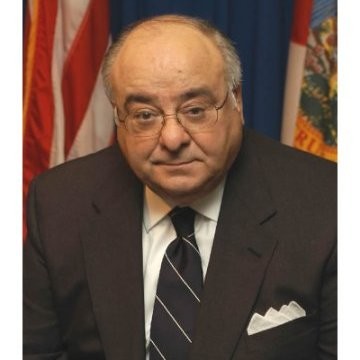
Abstract
This will be a presentation of real crime scenes and the management of efforts bringing together the forensic experts and the investigative personal to solve real cases. Having lead the Homicide Department department unlike CSI and other programs, police fail to collect and properly analysis a crime scene which I will demonstrate. We need to in terpret crime scenes. Sloppy police investigations, lazy forensic personnel team up to reduce the ability to solve cases with solid evidence. The research profession needs to catch up with policing, corrections and juvenile jus tice, and define a role for itself in the problem solving process. The research community needs to find ways to bring its analytical skills, its objectivity, its rigor, its independence, its ability to link theory and practice, into the messy arena of contemporary practice. Although we have made progress, the need is tremendous.
Biography
Anthony Schembri is a respected law enforcement and academic professional with over four decades’ experience in the field. Over the years, he has drawn praise from such varied sources as New York City Mayor, President Jimmy Carter, Florida Governor Jeb Bush, and New York Governor Mario Cuomo. First appointed to the Brooklyn District Attorneys Office he advanced to Deputy Chief of the Narcotics Bureau, then to Director of Training at the District Attorneys Police Academy. Anthony Schembri has served as the city’s Deputy Inspector General, investigating cases of major crime and corruption. He was appointed by the Mayor of New York as Corrections Commissioner, a position putting him in charge of 12,000 uniformed officers and 20,000 inmates at 19 separate jail facilities. Today, the Citrus County, Florida, resident serves as a Visiting Professor at Oxford and Sheffield Hallam University and named Outstanding Professor of the Year at the University of Florida.
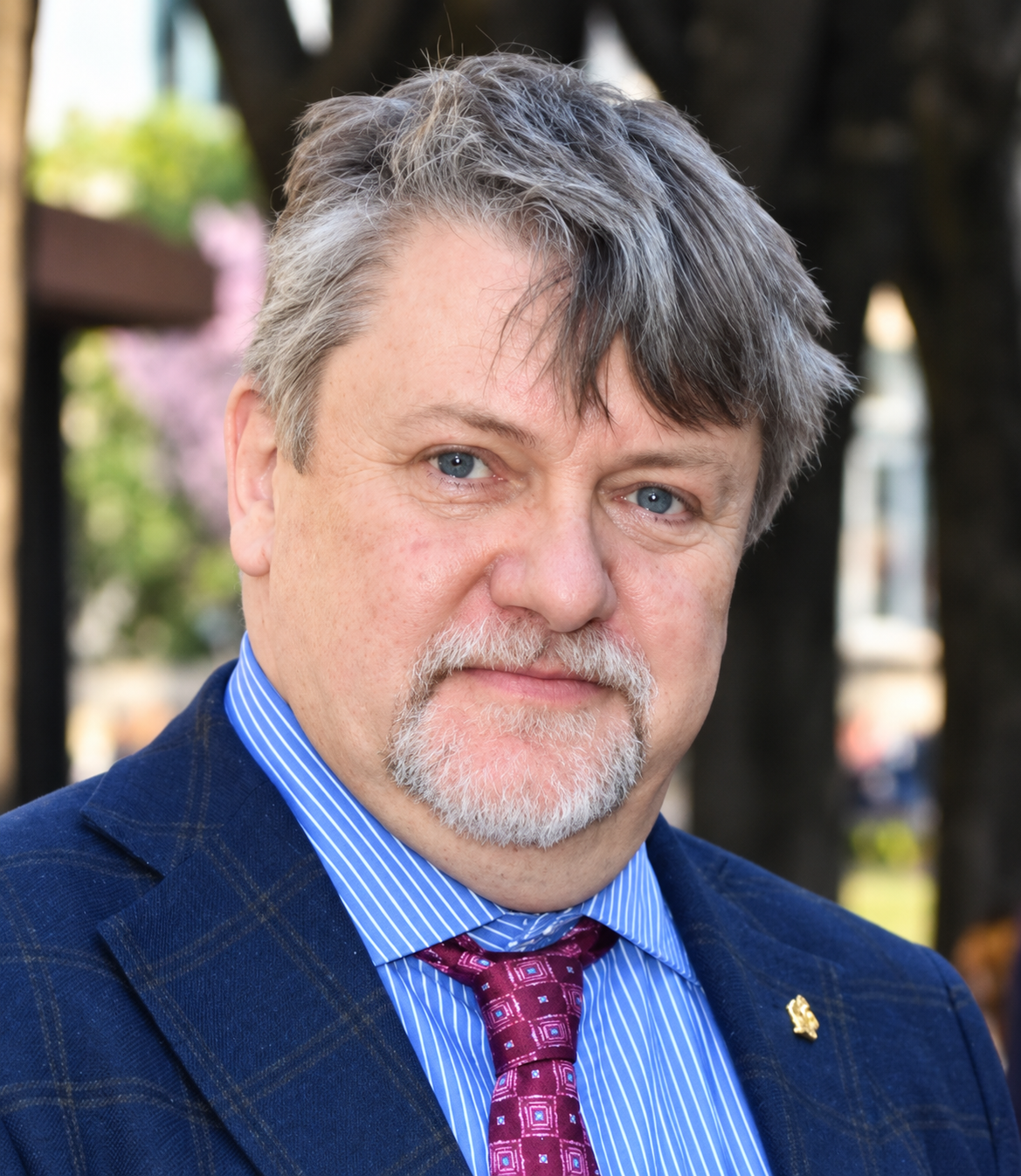
Abstract
The security verification of identity documents remains a key issue in an era of rapid technological innovation and the need to combat various forms of criminal activity.Authenticity verification—conducted using scientific tools and ranging from field checks to specialized laboratory analysis—has undergone profound changes over time, even while remaining rooted in traditional investigative practices.The presentation will outline how the history of document forgery has shaped various operational approaches, depending on the historical period and the tools available to those conducting the checks.The analysis will then shift to the present, examining the best investigative methods enabled by current technologies—along with their inherent limitations—and focusing on the “three pillars” of document verification.Finally, the presentation will envision a potential future involving AI, while emphasizing that the human element remains indispensable due to its quick thinking, creativity and investigative intuition.
Biography
Davide Capsoni, an Associate Professor at the Institute of Forensic Sciences in Milan (Italy), has served with the Milan Local Police since 1986 and has headed its Document Forgery Unit since 2000. He is an instructor at various police training academies, specializing in document verification, anti-counterfeiting, anti-fraud measures, and the forensic analysis of documents and handwriting.
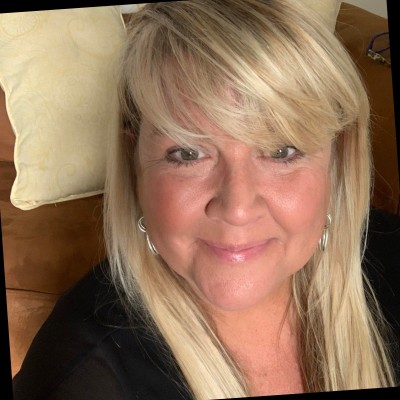
Abstract
Understanding violent criminal behavior requires forensic professionals to examine not only the offense but also the developmental experiences that may have shaped an individual's functioning, decision-making, and behavioral responses. This presentation explores the intersection of adverse childhood experiences (ACEs), neurodevelopment, trauma, and violent criminal behavior, emphasizing the importance of comprehensive biopsychosocial investigations in forensic evaluations and capital litigation.Research examining childhood adversity demonstrates associations between cumulative traumatic experiences and later behavioral, psychological, and justice-related outcomes. Chronic exposure to abuse, neglect, family violence, and environmental instability may influence neurological systems involved in emotional regulation, threat perception, and impulse control. However, these associations do not establish individual causation or predetermine criminal behavior.Drawing upon forensic social work principles and death penalty mitigation practices, this presentation examines how incomplete developmental histories, inadequate corroboration, investigator bias, and unsupported clinical interpretations can compromise forensic conclusions. Particular attention is devoted to the collection and verification of childhood records, collateral interviews, intergenerational family histories, and documentation of developmental adversity.Illustrative case comparisons demonstrate distinctions between comprehensive, evidence-based mitigation investigations and assessments characterized by limited interviews, missing documentation, and premature conclusions. The presentation further considers how inaccurate or incomplete life histories may influence expert testimony, courtroom interpretation, sentencing decisions, and potential miscarriages of justice.Participants will examine practical strategies for conducting trauma-informed interviews, identifying investigative gaps, distinguishing documented evidence from professional inference, and presenting scientifically defensible findings across forensic disciplines.Ultimately, this presentation emphasizes that rigorous developmental investigation is essential to accurate forensic interpretation. By integrating neurodevelopmental knowledge, corroborated life histories, and ethical investigative practices, forensic professionals can strengthen the reliability of expert opinions, improve interdisciplinary understanding, and contribute to more informed judicial decision-making while recognizing the limitations of trauma research in explaining individual criminal conduct and responsibility.
Biography
Dr. Marian Swindell is a Professor of Social Work at Mississippi State University with more than 24 years of experience in higher education, clinical practice, and professional leadership. Her expertise encompasses forensic social work, childhood trauma, adverse childhood experiences, neurodevelopment, and the relationship between developmental adversity and violent criminal behavior. Her forensic work includes interviewing individuals incarcerated on Mississippi's death row and examining the complex relationships among childhood abuse, neglect, poverty, family violence, and criminal behavior. Her professional background also includes pediatric hematology/oncology, cardiovascular healthcare, hospice, and behavioral health. Dr. Swindell has served in academic leadership positions, participated in national social work accreditation activities, and provided professional training across healthcare and public service settings. She also serves as State Director of the Mississippi State Guard Behavioral Health Unit. Her scholarly and consulting interests focus on forensic assessment, capital mitigation, developmental trauma, and evidence-based approaches to understanding criminal behavior.
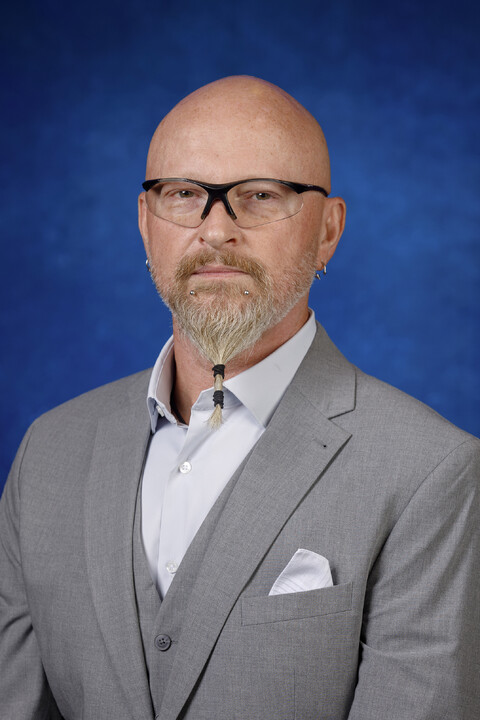
Abstract
Every criminal investigation begins with evidence, yet every investigation is conducted by human beings whose perceptions are influenced by cognitive shortcuts, emotion, prior experience, and social influence. In today's digital environment, criminal narratives spread globally within minutes, often shaping public opinion long before investigators complete evidence collection. This keynote explores how cognitive psychology, criminology, forensic science, and investigative psychology intersect to influence investigators, witnesses, jurors, media organizations, and the public. Drawing upon contemporary research in cognitive bias, false memory, social identity, algorithmic amplification, and investigative decision-making, the presentation demonstrates why understanding human psychology has become as essential as understanding physical evidence in modern forensic science.
Biography
Dr. Michael Gurley: Confirmed as Lecturer of Criminal Justice at University of Tennessee at Martin (UTM) since 2023. Previously at University of Memphis (2016-2023). Holds Ph.D. from Northcentral University, M.S. from Saint Leo University, B.A. from Ashford University. Has 32 years of law enforcement experience and a graduate of the University of Tennessee National Forensics Academy
Abstract
The detection of semen at a crime scene can provide crucial investigative and evidentiary information,particularly in cases of sexual assault, where the identification and localization of seminal traces may contribute to the reconstruction of events and guide subsequent DNA analysis. Rapid presumptive testing at the crime scene can therefore facilitate the targeted collection of biological evidence,especially when stains are small, partially degraded, or located on complex surfaces.
STK Spray (AXO Science) is a presumptive forensic reagent designed for the rapid detection of semen on hard surfaces through the detection of acid phosphatase, an enzyme highly concentrated in seminal fluid and associated with a visible color reaction. However, crime scene samples may contain mixtures of biological fluids or be contaminated by household substances, potentially affecting test performance and leading to false-positive or false-negative reactions. This study aimed to evaluate the sensitivity and specificity of STK Spray under controlled conditions and in the presence of common interfering substances.
Biography
Senior Lecturer in Forensic Biology and Genetics and in Forensic Medicine, with consolidated academic experience in undergraduate and postgraduate university programs in Italy and internationally, including Spain, Colombia, Bolivia, Malta, and Costa Rica. Academic activities are primarily focused on university teaching, international scientific collaboration, and participation in multidisciplinary research and applied forensic science projects.Extensive international collaborations have been established across Europe and Latin America,including Italy, Spain, and Chile, involving universities, forensic laboratories, research institutions,and industry partners. These activities have been developed within both academic and applied frameworks and include collaborative research initiatives and projects aimed at technology transfer and methodological innovation in forensic science. This work has contributed to strengthening interactions between academic research, forensic practice, and industrial stakeholders, with particular emphasis on the development and implementation of innovative analytical approaches.Previous professional roles include Director of the Forensic Genetics Department at SIMEF (Italy) and forensic DNA expert consultant for Italian civil and criminal courts, with contributions to forensic casework in collaboration with national and international law enforcement agencies, including Italian Police Forces and UK Police. Additionally, activities include service as expert evaluator for the European Research Executive Agency (REA) of the European Commission.Author of more than 200 scientific contributions, including 84 publications indexed in Scopus, with regular involvement in peer-review activities for international scientific journals and publishers,including Springer, Elsevier, and Taylor & Francis. Scientific evaluation activities also include the assessment of book proposals, research projects, and contributions to editorial activities as Editor-in-Chief, Editorial Board Member, and reviewer for international journals in forensic science.Active participation in the organization and scientific development of international conferences,courses, and webinars in forensic science, including roles as scientific committee member, session chairperson, and invited speaker. Participation has also included doctoral examination committees and international scientific award panels.Recipient of several international awards and recognitions in the field of forensic biology and genetic.
Abstract
Chemical Clues: Enhancing and Detecting Blood at Crime Scenes is a practical lecture designed for forensic personnel working at crime scenes.
Forensic personnel use several chemicals to locate, visualize, enhance, and detect blood evidence at crime scenes, particularly when stains are faint, diluted, partially cleaned, or difficult to see under normal lighting. Common approaches include luminol-based reagents, leuco crystal violet (LCV), Amido Black and more. These techniques are generally considered presumptive or enhancement methods rather than definitive identification tests. Forensic personnel should therefore document the scene and sampling context carefully, consider potential false positives and follow their agency's validated procedures and applicable laboratory protocols.This lecture will explore the role of chemical methods in locating, visualizing, and enhancing blood evidence, including challenging or faint stains. The lecture emphasizes the scientific principles behind these techniques, appropriate application at crime scenes, interpretation of results, and considerations for preserving evidence for subsequent forensic analysis
Biography
Sharon holds an Ed.D. in Education, a Master of Science in Criminal Justice. She has been a certified crime scene investigator since 2006 in North Miami for over 20 years, where she investigated thousands of cases ranging from burglary to homicide in a crime scene capacity. She continues to assist police agencies with crime scene work. Sharon is currently employed as an Associate Professor Senior at Miami Dade College in Florida and is an adjunct faculty member at universities in Florida. Sharon is a fellow with the American Academy of Forensic Science and a member of the International Association for Identification and the International Association of Bloodstain Pattern Analysts. She is also a member of FEMORS (Florida Emergency Mortuary Operations Response System- state) and DMORT (Disaster Mortuary Operational Response Team- federal). Sharon has taught law enforcement personnel locally, statewide, and internationally.
Abstract
Qualified forensic entomologists are increasingly called upon to analyze entomological evidence in legal investigations. Insects and other arthropods associated with human remains can provide valuable information about the postmortem interval, circumstances surrounding death, and the possible movement or treatment of a body after death. Patterns of insect growth, behavior, activity, and distribution on remains may also provide clues regarding sites of trauma.The entomological fauna associated with human remains can be evaluated to determine whether it is consistent with the environmental conditions and geographic location of the death scene. Differences in insect species and developmental stages may provide evidence that a body was moved between geographic areas. In addition, insect activity and distribution can provide clues concerning the wrapping or concealment of remains in materials such as rugs, carpets, or other coverings, including circumstances involving transportation or disposal. In some cases, insect succession and developmental patterns may also provide evidence that remains were subjected to freezing or refrigeration prior to disposal at another location.This lecture introduces the core principles of forensic entomology and the use of entomological evidence in death investigations. Case histories will demonstrate how insect evidence can help determine the postmortem interval and evaluate body movement, environmental exposure, concealment, and postmortem storage conditions. Attendees will also learn about laboratory methods for examining and identifying forensic insect evidence, as well as best practices for collecting, preserving, packaging, and shipping insects and other arthropods to a qualified forensic entomologist. These practices are essential for maintaining specimen integrity and evidentiary value.
Biography
Dr. Jason H. Byrd is a Board-Certified Forensic Entomologist and Diplomate of the American Board of Forensic Entomology, with more than two decades of experience applying entomological evidence to death investigations and criminal and civil cases. His work has focused on insect development, postmortem interval estimation, and the application of arthropod evidence in forensic investigations. He has consulted on cases throughout the United States and internationally and has provided specialized forensic entomology training to law enforcement, medical examiners, coroners, death investigators, attorneys, and other forensic professionals. Dr. Byrd is an Associate Professor and the Director of Research at Westcliff University. He has served as President of the American Board of Forensic Entomology and the North American Forensic Entomology Association. He is a Subject Editor for the Journal of Medical Entomology and an editor for Insects. He has authored numerous scientific publications and book chapters and continues to advance forensic entomology through research, education, case consultation, professional leadership, and standards development.
Abstract
Competency and expertise are often treated as interchangeable concepts within forensic science, yet they represent different dimensions of professional development and performance. While structured training, competency assessments, and certification establish essential foundations for independent casework, do they adequately measure the complex judgment, adaptability, and decision-making abilities required of an expert latent print examiner?
This presentation critically examines the distinction between competency and expertise in friction ridge examination, exploring the limitations of traditional training and assessment models. Drawing upon operational experience, empirical research, and principles of examiner development, the session will address factors contributing to variability in examiner performance, the interpretation of challenging impressions, and the importance of recognizing uncertainty and cognitive influences.
Particular emphasis will be placed on developing more meaningful approaches to training and evaluating expertise through realistic casework scenarios, progressive skill development, constructive feedback, and continuing performance assessment. Attendees will be encouraged to reconsider how forensic laboratories define, develop, and measure expertise in pursuit of greater scientific reliability, consistency, and professional excellence.
Biography
Andrew Reitnauer is an experienced forensic scientist, latent print examiner, educator, and lead trainer with Delta Forensics LLC. He has a MS in Forensic Examination, and BS degrees in both Criminal Justice and Biology, and is currently pursuing a 2nd MS degree in Criminalistics and PhD in Criminology and Forensic Science, with 20 years of professional experience in latent print examination and crime scene investigation. He is currently a Certified Senior Crime Scene Analyst through the International Association for Identification (IAI). Andrew specializes in friction ridge examination, forensic photography, crime scene response, and forensic training program development. In addition to his casework experience, he serves as an adjunct professor at seven universities, teaching undergraduate and graduate forensic science courses. Through Delta Forensics and its Virtual Academy, Andrew is dedicated to advancing forensic education by providing accessible, practical, and performance-focused training opportunities for examiners and laboratories worldwide.
Abstract
The unsolved 1993 homicide of Stephanie “Stacy” Wasilishin continues to leave a profound emotional impact on her family and a burden on her local law-enforcement community. Although her death occurred during an argument with her live-in boyfriend and was immediately ruled a homicide, no charges have ever been filed. The suspect gave multiple accounts that contradicted one another as well as contradicts a witness statement, leaving the guilt questionable for some involved. This unresolved case underscores the importance of integrating behavioral analysis into investigative workflows. Behavioral analysts can develop objective victim and offender profiles and closely examine suspect statements, giving detectives and attorneys deeper insight into offender intent, possible deception, and linguistic cues that traditional interviews may overlook. With targeted follow-up and behavioral analysis support this case is still solvable, illustrating the broader value of collaborative multidisciplinary approaches to cold-case investigations.
Biography
Sarah Lambert has a master’s degree in forensic science from Nebraska Wesleyan University. She worked as a Crime Scene Investigator for 12 years in the United States. Sarah recently published Crime Scene Investigator (CSI) Field Guide, a reference guide for use in the field by crime scene investigators which includes a variety of documented methods for processing crime scenes and collecting evidence.
Abstract
This paper reviews how best forensic scientists can comport themselves as witnesses under cross-examination. It analyses the strategies and techniques deployed by cross-examiners and how forensic scientists can most effectively communicate their opinions without being discredited or distracted by the style and content of the questions posed. It addresses the approaches most likely to maximise the credibility, reliability and authority of forensic scientists when they are cross-examined.It deals with how forensic scientists should respond to attacks on their expertise, experience and independence.It identifies that for the most part cross-examiners attempt to scrutinise the basal material which constitutes the underpinning of forensic scientists’ opinions and then the methodology employed and, finally, the inferences drawn from tests and analyses. Much of such questioning seeks to elicit concessions about the representativeness of the basal material, the role of the scientist’s assumptions, the limitations to the scientific methodology employed, and other approaches and inferences which remain lie open. In this regard, the cross-examination seeks to lay a platform for the plausibility of opposing scientists’ opinions.The paper identifies styles of forensic scientists in giving evidence which may be alienating or which may result in findings that they are biased or functioning as partisan advocates for the party calling them. It reviews how forensic scientists can optimise their impressiveness as witnesses by practical suggestions about how they can make suitable concessions about the parameters of their expertise, and respond to poorly framed and provocative questions, multi-part questions and questioning based on the learned-treatise attack.
Biography
Ian Freckelton is a King’s Counsel (senior counsel) at the Australian Bar with a broad national practice in criminal law, personal injury law and disciplinary law. He is also a Judge of the Supreme Court of Nauru; a Professor of Law and Professorial Fellow in Psychiatry at the University of Melbourne; and an Honorary Professor of Forensic Medicine at Monash University. He is an elected Fellow of the Australian Academies of Law, Social Sciences, and Health and Medical Sciences and is the Editor of the Journal of Law and Medicine. He is the author of over 50 books and more than 800 articles and chapters of books. In 2021 he was appointed an Officer of the Order of Australia (AO) for “distinguished service to the law, and to the legal profession, across fields including health, medicine and technology”.
Abstract
I was first introduced to mutilated fingerprints in the United States by a friend, Casey Wertheim. At the time, he was working for the FBI, and he wrote a paper on what he had learned.In 2017, after retiring, I was brought back to the Massachusetts State Police as a IAI Certified Latent Print Examiner to work on a special project on a major problem involving immigration and criminals mutilating their fingerprints to thwart the AFIS systems. The schemes became so elaborate that criminals were paying thousands of dollars to have their fingerprints altered. I will detail how to search for and locate the original fingerprint files in AFIS systems. During this time, I read that Europe was having a similar problem with immigration and criminals mutilating their fingerprints. The computers at that time could not properly search and find the criminal records of these individuals who had previously been arrested numerous times.
Biography
Brian M. O Hara: I have over forty-six years in the field of forensics, starting with the Massachusetts State Police in 1980 and retiring in 2006. Brian held the rank of Detective Lieutenant and was a homicide scene supervisor assigned to the Crime Scene Services Section of the Bureau of Forensics. Duties included supervising 45+ troopers assigned to seven labs across Massachusetts. He responded and investigated hundreds of homicides and other major crimes within Massachusetts. I have recently published my first book on Forensics and Homicides on Amazon Kindle called The Rest of the Story. It details fifteen homicide cases solved with different forensics: Fingerprints, Footprints, Foot Tracks, Tire Tracks, Blood, DNA, AFIS, NGI, and Photography.

Abstract
Latent fingermarks are present on surfaces of evidence items in many cases. However, current fingermark development methods fail to detect all the invisible fingermarks, and it can be very time consuming and labor-intensive when processing large crime scenes and bulky evidence items with large surface areas. During this talk, an in situ latent fingermark detection method that makes use of dry powder from a fire extinguisher is introduced. Its selectivity and sensitivity were compared with those of the current fingermark development methods using traditional fingerprint powders and cyanoacrylate fuming. Even for old fingermarks aged up to 12 weeks old, over 88% had a grade of 3 or 4 and were categorized as useful for potential identification, which has provided preliminary evidence for the feasibility of using fire extinguisher dry powders for the development of latent fingermarks. The application of matrix-assisted desorption/ionization mass spectrometry imaging (MALDI-MSI) for the chemical analysis of developed latent fingermarks with dry powder from a fire extinguisher was also reported for the first time. The spraying process of fire extinguisher dry powder allows latent fingermarks to be developed within seconds at crime scenes, while imaging of each developed fingermark allows simultaneous pattern visualization and chemical analysis for building a profile of the individual who left the fingermark. Operational use of the method is further supported by successful separation of overlapping powder-treated fingermarks without disturbing the fingermark patterns. The results indicated that the fingermark detection method with fire extinguisher dry powder was quick, simple and cost-effective, while effectively combines the advantages of fire extinguisher dry powder as an in-situ fingermark development technique with MALDI-MSI which shows the significant potential for the powder to be integrated into the routine fingermark forensic analysis.
Biography
Dr. Deejay Mak is an Assistant Professor in the School of Medical and Health Sciences at Tung Wah College, Hong Kong. She graduated with a Bachelor of Science in Forensic Science, specializing in Chemistry, from the University of Toronto, Canada, and completed her internship at the Toronto Police - Forensic Identification Services. In addition to her role in teaching the Forensic Science programme, she successfully secured two Research Grants Council - Faculty Development Scheme (FDS) grants in three years, one of which was submitted prior to her PhD application. To date, her externally funded research grants total HK$5 million. Her research interests include mass spectrometry applications in detection of analytes, as well as fingerprint development and analysis in the field of forensic science.
Abstract
Medico-legal examination after rape serves a dual purpose: to provide appropriate clinical care and, where the survivor chooses, to document and preserve evidence that may be relevant to a criminal investigation. The quality of this approach depends on timely examination, informed consent, appropriate evidence collection, accurate injury documentation, the availability of forensic resources, and coordination between health, police and laboratory services. Evidence from South Africa indicates ongoing challenges with access to and continuity of post-rape care.A qualitative study was conducted at three Thuthuzela Care Centres in South Africa. The broader study included 17 adult female rape survivors and 28 service providers. This presentation presents a descriptive summary of survivors’ responses concerning their medico-legal examinations and a reflexive thematic analysis of interviews with nine medical service providers (six forensic nurses and three medical doctors). The interviews explored participants’ experiences of examination, evidence collection, documentation and service-level challenges affecting the medico-legal pathway.Eight survivors spoke positively about their medico-legal examination, mainly because they were made comfortable, treated with dignity and informed about procedures. Six described the examination as painful, traumatic or invasive, while three did not respond to this question. Medical service providers described practical and system-level issues affecting the forensic pathway, including limited availability of female examiners, bathing before examination, decisions to decline forensic examination, shortages of female medico-legal clinicians, uncertainty concerning evidentiary admissibility and documentation, delays in obtaining rape kits, transport difficulties, and concerns about the practical implementation of the J88 medico-legal form.The findings indicate that the quality of the medico-legal response depends on more than the technical examination itself. Survivor-centred consent and communication must be augmented by reliable access to evidence-collection materials, competent documentation, timely laboratory processing and effective coordination across sectors. Strengthening these linked components may improve the continuity and forensic utility of post-rape services in South Africa.
Biography
Dr Nigel Bradely Bougard holds a MA and PhD in Criminology from the University of Pretoria (UP). He is as an academic and researcher at the University of South Africa (UNISA), Department of Criminology and Security Science. His research interests include violent crimes, political offences, economic crimes, gangsterism, victimology; and criminological assessment and evaluation of offenders. He is actively involved in postgraduate supervision and training of both honours and masters’ students. Dr Bougard comes with extensive practical and theoretical experience in both Criminology and Victimology.
Abstract
Forensic odontology plays a crucial role in human identification, particularly in mass fatality incidents where dental evidence may remain available despite challenging postmortem conditions. Dental restorations represent a valuable source of comparative information; however, their forensic usefulness depends largely on the accuracy and completeness of antemortem dental records.Among restorative materials, dental composite resins present particular challenges due to their ability to closely resemble natural tooth structures in color, translucency, and surface characteristics, making them difficult to distinguish through visual examination alone. Consequently, comprehensive documentation of restorative procedures, including the tooth and surface restored, composite resin brand, shade, and relevant product identifiers, is essential to preserve potentially valuable information for future forensic investigations.Drawing on two published studies investigating forensic odontology awareness and dental composite resin practices among Lebanese dentists, this presentation examines the relationship between professional knowledge, clinical documentation practices, and the potential contribution of restorative materials to human identification. Particular emphasis is placed on identifying gaps in forensic awareness and the recording of restorative material characteristics that may compromise the availability of meaningful antemortem information.The presentation further highlights the importance of integrating forensic odontology principles into dental education and routine clinical practice. Promoting professional awareness, standardized recordkeeping, and comprehensive documentation of restorative materials may strengthen the evidential value of dental records and facilitate more reliable antemortem postmortem comparisons.Ultimately, maximizing the forensic potential of dental composite resins requires recognizing dental documentation not merely as a clinical obligation but as an essential component of preparedness for forensic human identification.
Biography
Maysaa Fakhro is a lecturer, and Coordinator of the Forensic Science Department at the American University of Science and Technology (AUST), Lebanon. She holds a Bachelors degree in Forensic Science and a Masters degree in Bioanalytical Toxicology from AUST and is currently pursuing her PhD in Forensic Science at Universiti Sains Malaysia (USM).Her expertise encompasses forensic chemistry, analytical toxicology, bloodstain pattern analysis, crime scene investigation, and forensic education. She has received specialized international training at the Netherlands Forensic Institute in bloodstain pattern analysis and at the Tarrant County Medical Examiners Office in Texas, USA, covering forensic pathology, toxicology, anthropology, odontology, and trace evidence examination.Her research interests focus on the integration of advanced analytical techniques and artificial intelligence into forensic investigations, including FTIR spectroscopy for dental restorative material identification, AI-assisted crime scene reconstruction, and forensic odontology in human identification. Alongside her academic and research responsibilities, she has contributed to forensic training programs for Lebanese law enforcement personnel, including members of the Internal Security Forces and the Lebanese Armed Forces. She remains actively engaged in advancing forensic science through interdisciplinary research, international academic collaboration, and practical forensic education.
Abstract
Organ Donation groups [ODGs] are well established worldwide and ,overall, appear positive, with no unethical conduct discussed; however, not everything they do is positive, as they use unethical tactics, have further traumatized some families, and harmed forensic cases. The goal of this presentation is to show some of the unethical tactics ODGs perform, explain why they perform them, and the harm they can cause families and the forensic field. Previous studies will be explored to showcase data and evidence of prior exposure of how ODGs have harmed forensic cases, ruined forensic evidence, created further trauma and grief in families, and how the legislative system is used to impose this organizations agenda. The findings that were discovered reealed that ODGs study the psychology of human emotion in grief and how to determine when someone is most vulnerable to get them to say yes to organ donation when they experience loss. Future work needs to be done to explore the negative things ODGs have done, and restrictions need to be put into place; when they are told no, the laws should not side with them. The dead have the right to be protected and need to stop being looked at as a resource; they need to be respected, and there needs to be more of a fight to protect them from such groups. The goal of this presentation is to bring more awareness to this issue in the field of forensics and last responders and to encourage more research be done to educate others on this issue.
Biography
Dr. Raven Malcorvojic has completed her Doctorates degree from the Center of Health Sciences, Oklahoma State University, USA and Masters of Forensic Science at Steven University. Dr. Malcorvojic has worked as a forenisc autopsy professional since around 2013, having worked on over three thousand forensic cases. She has published her first paper in ARC Journal of Forensic Science and plans on further her publications. Dr. Malcorvojic also enjoys writing fiction novels and has a self published novel call Into the Void and plans on writing more.
Abstract
Title: Crime Science for the 21st Century: An Expanded Vision of the concept of Crime Science embedded more in sciences and technologies and the AI Bridge in Intelligence-Led Policing
Overview The 21st-century investigative landscape demands a radical departure from siloed policing disciplines. Historically, criminological theory, forensic science, and operational intuition have existed in isolation, creating occasionally friction when translating raw data into tactical deployment. This webinar presents an expanded, unified vision of Crime Science—presenting a concept of the synthesis of hard science, advanced technological integration, and the gritty reality of police domain knowledge.
Core Themes Participants will explore the evolution of Intelligence-Led Policing (ILP) through the framework of the three core policing assets: Systems assets (RECORDS, raw data, ANPR, forensic hits etc), Knowledge assets (investigative, legal, Forensuc criminological principles, repeat victimisation, and geospatial behaviour), and Intelligence assets (the human practitioner and sources). The session will argue that modern operational failure rarely stems from a lack of data, but rather from the friction between these critical assets. By anchoring analysis in evidence-based profiling and the ACE-V (Analyse, Compare, Evaluate, Validate) protocol, modern intelligence techniques within this proposed expanded concept of Crime Science can assist in reducing this friction to improve investigations and outcomes.
Live Demonstration: The AI Partnership A central feature of this presentation is a live, real-time demonstration of a human-AI operational partnership. Utilising a complex synthetic distraction burglary dataset, the presenter will direct a specialised AI Agent to synthesise raw Systems data, temporal behavioural signatures, and help fast-track forensic support strategies. Attendees will witness the immediate generation of a fully costed, command-ready in the form of a draft proactive assessment, proving that automation does not replace the human command structure, but rather elevates it.
Learning Outcomes
- The Expanded Concept: Understand the modern definition of Crime Science as a holistic, integrated operational philosophy rather than an academic silo.
- The ACE-V Crucible: Learn how to apply the Analyse, Compare, Evaluate, validate protocol to audit and direct automated intelligence synthesis.
- Tactical Synthesis: Observe how a deep human-AI partnership bridges the gap between raw data and proactive, targeted tactical deployment.
This session is designed for intelligence analysts, operational commanders, forensic practitioners, and policing educators ready to transition from passive data management to 21st-century intelligence command.
Biography
Professor and Dean of Applied Sciences European Forensic Institute. Between 1969 and 2008, he had a full career as a practitioner with the Directorate of Forensic Services New Scotland Yard, in the roles of Fingerprint expert, Crime scene Investigator, Crime Scene manager and Crime Scene Coordinator. In project management he created modern sequential treatment laboratories designed to deal with the volume crime in London and pioneered the concept of Forensic Intelligence. He set up one of the world’s first Forensic Intelligence Units in 2001 and was the Head of Forensic Intelligence Metropolitan Police until 2008. He has the Kings College London University Diploma in Crime Scene Investigation and Fingerprint Expertise. He developed the wireless, three electrode, method of electrostatic dust mark lifting, the Pathfinder’ now used worldwide. In 2012 he published the textbook ‘Forensic Intelligence’ CRC Press. In 2018 he joined the European Forensic Institute as a lecturer and was invited to lecture on Forensic Intelligence at the Istituto Di Scienze Forense, Corporate University, Milan. In 2021 he was awarded a Professorship in Criminology, Forensic Criminology and Forensic Intelligence and awarded the role of President of the Istituto Di Scienze Forense University Milan. In February 2024 the university renewed his professorship. He has been a member of the Chartered Society of Forensic Sciences (CSFS) since 1983, and in October 2024 was elected as the Honorary Editor of the CSFS.
Abstract
Diversity, equity, inclusion, and belonging (DEI-B) are increasingly recognized as essential to innovation, rigor, and legitimacy in forensic science. Despite growing awareness, substantial gaps persist across forensic science education and professional practice, particularly for LGBTQ+, Black, Indigenous, and People of Color (BIPOC), and neurodivergent individuals. Concurrently, limited demographic data, underrepresentation in leadership, microaggressions, and the “leaky pipeline” effect in forensic science have contributed to the inequities faced by underrepresented minority (URM) groups. This prestation aims to synthesizes existing literature, historical context, and workforce data to examine the current state of DEI-B within U.S. forensic science academic programs and crime laboratories, emphasizing the critical role of ‘belonging’ in retention, performance, and professional advancement. Historical and systemic discrimination—such as the legacy of the Lavender Scare, racial bias, and exclusionary institutional practices—continues to shape policies and workplace culture in forensic science. This presentation argues that DEI-B must move beyond awareness initiatives toward structural integration within forensic science curricula, training, and organizational practices. Incorporating DEI-B into academic programs through inclusive case studies, bias-aware pedagogy, culturally competent training, and attention to neurodiversity can better prepare future practitioners for complex real-world challenges while fostering psychological safety and belonging. Several forensic subdisciplines—including DNA analysis, anthropology, digital forensics, and jurisprudence—demonstrate how inclusive approaches can improve scientific outcomes and community trust. Ultimately, systemic curricular reform and institutional accountability are necessary to ensure forensic science evolves with changing societal demographics and the next generation of forensic professionals.
Keywords: diversity, belonging, forensic science, LGBTQ, BIPOC
Biography
Dr. Paul Yount, DFS is an Assistant Clinical Professor and the Director of the Arizona Forensic Science Initiative (AFSI) at Arizona State University School of Interdisciplinary Forensics. He is also a former forensic DNA analyst with the Phoenix Police Department Crime Lab—where he served for 5 years working on hundreds of homicides and sexual assault cases. His previous research investigated inaccuracies in bloodstain pattern analysis and DNA recovery in unidentified human remains (UHR) investigations. His current research centers around workplace and academic belonging and curriculum reform. Paul is a Certified Forensic Manager (CFM-1) and he has served on the Phoenix LGBTQ Employees and Allies Executive Board and the Young Forensic Scientist Forum (YFSF) and Community Connections Committee (CCC) within the American Academy of Forensic Sciences (AAFS).
Abstract
The increasing volume, velocity, and complexity of information available to criminal investigators and intelligence analysts presents both an opportunity and a significant analytical challenge. Open-source information, digital records, communications, imagery, structured databases, and other forms of investigative data can provide valuable intelligence, yet transforming heterogeneous information into timely and actionable assessments remains highly resource-intensive. Artificial intelligence (AI) is emerging as a tool capable of augmenting this process across multiple stages of the intelligence cycle.Within crime and intelligence analysis, AI-enabled capabilities can support information triage, data processing, entity and relationship extraction, pattern identification, timeline construction, hypothesis generation, and the synthesis of large volumes of heterogeneous information. These applications have the potential to reduce routine analytical workloads, accelerate the identification of relevant information and relationships, and allow analysts to devote greater attention to contextual interpretation, hypothesis testing, and professional judgement.At the same time, the integration of AI into investigative practice raises significant challenges. Hallucinations, algorithmic bias, automation bias, limited explainability, source reliability, data protection, and the potential misuse or overinterpretation of machine-generated outputs require careful consideration. In particular, a clear distinction must be maintained between AI-assisted analytical outputs, investigative leads, validated intelligence, and evidence suitable for forensic or judicial purposes.Positioning AI within the established intelligence cycle supports a human-centred approach in which technological capability complements, rather than replaces, analytical expertise. The effective use of AI ultimately depends not only on technical performance, but also on critical evaluation, contextual understanding, source assessment, and professional accountability. The future of crime and intelligence analysis may therefore lie not in replacing the analyst, but in augmenting the analyst’s capacity to process information, identify connections, and generate meaningful intelligence.
Biography
Forensic science and crime intelligence professional with an interdisciplinary background spanning forensic investigation, forensic medicine, cybersecurity, digital forensics, and crime analysis.Holds a BSc (Hons) in Forensic Science and Criminal Investigation and an MSc in Forensic Medicine, and is currently pursuing an MSc in Cyber Security, Digital Forensics and Crime Analysis. Professional development also includes specialized training in Pattern Analysis through the International Association of Crime Analysts (IACA), as well as participation in the National Association of Medical Examiners Annual Meeting, with a scientific poster presentation on pediatric homicide. Professional experience includes medicolegal death investigation with the Virginia Office of the Chief Medical Examiner, involving death-scene investigations and collaboration with law enforcement and other investigative agencies. Additional forensic experience includes practical exposure to forensic autopsy, forensic toxicology, and histology. Currently working in crime and intelligence analysis, supporting complex investigative workflows and contributing to the development and evaluation of analytical tools for investigative applications.
Abstract
Effective use of the patient intake medical history, to learn if history of PTHD, past physically assaulted, abused as a child, TBI from domestic violence, human trafficked history. It will also be discussed how to render treatment for these patients will be given, considering their past life events.
Biography
Dr. James graduated from a one-year course, McGill University, Dental Forensics Program; part on-campus training with the Surete du Quebec Forensics Team. Dr James is focusing on Child Abuse, Elderly Abuse, Human Trafficking, and Intimate Partner Violence. He also gives educational PowerPoint presentations on these topics. Also, trained at University of Tennessee, Body Farm, and Clandestine Grave Recovery. Dr Frizzell’s motto is: “The Power of Observation”, in the forensic’s world.
Abstract
Human trafficking can be facilitated through digital environments, where traffickers exploit social media platforms, encrypted communication channels, online marketplaces, and other networked technologies to recruit, manipulate, and control victims. Investigative analysis must address the scale, anonymity, and complexity of these cyber-enabled trafficking operations. This presentation introduces a forensic cyberpsychology-informed framework designed to analyze the behavioral, linguistic, and psycholinguistic features embedded within digital communications associated with trafficking-related activities.
Drawing from doctoral research in forensic cyberpsychology, the presentation explores how observable online behaviors, communication patterns, grooming strategies, digital persona construction, and coercive interaction techniques can be systematically examined to support analyst-assisted investigative triage and lead generation. The proposed Cyberpsychology Informed Profiling Model (CIPM) integrates concepts from forensic cyberpsychology, criminology, forensic psychology, behavioral evidence analysis, and digital forensics to create a structured, transparent, and ethically bounded approach to interpreting trafficking-related digital artifacts.The proposed framework combines thematic analysis, psycholinguistic coding, behavioral reconstruction, and digital network analysis, to examine potential indicators of recruitment, dependency creation, coercive control, operational concealment, and network coordination across online platforms. The presentation considers how digital behavioral evidence may inform interpretation of trafficking-related communication patterns, subject to appropriate evidentiary, ethical, and legal safeguards. Particular attention is given to the role of human oversight, uncertainty disclosure, and the distinction between behavioral interpretation and person-level attribution. Behavioral indicators require corroboration and should not, by themselves, establish trafficking involvement or psychological diagnosis.The presentation will discuss the theoretical foundations of forensic cyberpsychology, the development of the CIPM framework and requirements for its validation, and its potential implications for law enforcement, intelligence analysis, digital safety initiatives, and future anti-trafficking research. Attendees will gain insight into how interdisciplinary approaches can inform the interpretation of cyber-enabled exploitation while supporting responsible, analyst-assisted investigative triage in digital environments
Biography
Bernard Switala is a Ph.D. candidate in Forensic Cyberpsychology at Capitol Technology University, where his research focuses on the intersection of cyberpsychology, criminology, forensic psychology, and digital behavioral analysis. He earned a Master of Science in Forensic Psychology from Arizona State University and studies behavioral profiling and assessment in digital environments.Drawing on contemporary forensic research, Switala behavioral, linguistic, and psycholinguistic features of trafficking related digital communications. His work seeks to characterize patterns of online behavior that may assist investigators in interpreting communication strategies and operational methods, while maintaining ethical and forensic standards.His doctoral research focuses on the Cyberpsychology Informed Profiling Model (CIPM), a proposed interdisciplinary framework that integrates forensic cyberpsychology, behavioral science, and digital forensics to support analysis of trafficking related digital communication. His research interests include human trafficking, online grooming, cyber-enabled exploitation, offender typologies, behavioral evidence analysis, and digital investigations.Through his scholarship, Switala aims to advance forensic cyberpsychology as a discipline and contribute practical tools that support investigator training, digital safety initiatives, and evidence-based investigative decision-making.
Abstract
Forensic investigations are complex, multidisciplinary processes requiring effective coordination from crime-scene examination through laboratory analysis and courtroom presentation. Although forensic science has established procedures for evidence recovery and analysis, the investigation as a whole is often managed across separate professional and organizational boundaries. A more integrated management approach is therefore needed to strengthen continuity, accountability, evidentiary integrity, and investigative efficiency. This paper proposes a Forensic Investigation Management (FIM) framework that treats the investigation as a coordinated project from scene to verdict. Its novelty lies in integrating project-management principles, including planning, scheduling, resource allocation, risk management, quality assurance, stakeholder coordination, and performance monitoring, with established forensic methodologies.The paper adopts a conceptual and practice-oriented approach, organizing forensic investigations into four interconnected phases: scene assessment; evidence collection and preservation; laboratory analysis; and courtroom presentation. The framework incorporates documentation, chain-of- custody controls, defined responsibilities, communication pathways, quality assurance, and milestone-based monitoring across the investigative lifecycle. Relevant forensic standards, professional guidance, and practical case-study applications inform the framework.The proposed approach provides a unified management structure that can improve coordination among investigators, forensic scientists, digital forensic practitioners, legal professionals, and other stakeholders. It emphasizes that evidentiary reliability depends not only on scientific examination but also on effective management of the processes connecting each investigative stage.Forensic institutions should adopt standardized investigation-management frameworks, strengthen multidisciplinary training, establish measurable investigative milestones, and implement secure evidence-management and tracking systems. Periodic quality reviews should also be undertaken to identify operational gaps and support continuous improvement.The paper advances a paradigm in which forensic investigation is viewed as both a scientific process and a multidisciplinary project extending from scene to verdict. The framework is adaptable across forensic disciplines, investigative agencies, jurisdictions, and legal environments, offering a globally relevant approach to strengthening evidence integrity, investigative efficiency, collaboration, and justice outcomes.
Biography
Prof. (Mrs.) Stacy A. C. Nwodo, PhD, affectionately known as ADA Forensics, is a distinguished Professor and global authority in forensic accounting, financial intelligence, security strategy, and forensic investigations. She holds two PhDs in Forensic Accounting and Audit and another PhD in Security and Strategic Studies, supported by multiple professional qualifications and certifications. As a Chartered Accountant and licensed forensic expert, she combines rigorous scholarship with practical field experience, advancing forensic capacity through specialised training, research, publications, and professional practice. Prof. Nwodo holds strategic leadership positions with CIFCFIN, JJTC/ICDMFS, and IACDECFP-UK. She is Professor and Faculty Member at Charisma University, USA, and Faculty Member at the International Business School IBS-Nigeria. Beyond her professional achievements, she is committed to mentorship, leadership, and community service. Her work reflects a powerful commitment to integrity, accountability, justice, and the continuous advancement of forensic practice globally.

Abstract
I have been researching psychiatry for myself for around 20 years now, and seen a lot of malpractices happening against clients, and really there are almost no people that address these problems on a bigger scale so that the injustice can stop. There are a lot of mental health care workers that feel that they are above their clients and feel superior to the clients, in the way that they act abusive, bullying or malefic sometimes with hidden bad intentions out of envy or jealousy of the private situations of clients. There are a lot of hidden motives for people that work in psychiatry, to abuse their clients, especially women against women, but sometimes even insecure men. This is disturbing because you seem to trust the people that are close to you, like a doctor or psychiatrist, psychologist or therapist, and these people you tell your story only to find out they betray your trust in the later stage of the program with gossiping, bad reviews or resumes on your behavior, wrong interpretations and bullying behavior. It seemed more the case that trust was built on sand instead of stone, and mutual respect or even moral or ethical sense seems farfetched for a lot of mental health care workers. Also, the overall pushing of unwanted meddling in your private life is disturbing because once they get jealous you cannot go back anymore and the connection is ruined for the whole treatment plan. Most of the treatment plan actually fails, because the client has to do all the work themselves, and the medication usually also has a lot of side effects, if it is working at all in your benefit. You can talk about your problem, but the only thing you do is make yourself vulnerable for attack in the future.
Biography
Ms. Shehnaaz Elahi (Elia) is a well rounded social and organizational psychologist that has a lot of experience in different proactive jobs and coming up with alternative treatments for holistic wellness and therapy. Finding solutions for problems was something she mainly had to focus on because of the lack of resources while being in treatment which actually ended up being constant forms of mental and emotional abuse. Psychiatrists, psychologists, therapists, mental health doctors and other mental health care workers have mostly failed her due to the betrayal that happened later in the line. Being honest and open can be a good trait, but it can also mean you make yourself vulnerable for betrayal, dishonesty, disloyalty, disrespect and mistrust. Ms. Shehnaaz Elahi researches different types of psychology, from transpersonal psychology to criminological psychology. She works from her own experience as a social psychologist and the problems that she sees in the psychiatric system. Being mostly wrongly diagnosed and underestimated herself, she knows how it feels for clients that are actually also abused by the psychiatric system, that not all is treatment and most is actually bullying and abuse.
Abstract
This study evaluates whether multispectral imaging (MSI) of wounds and tattoos can be used as a reliable tool for postmortem identification and postmortem interval estimation. To do this, we used three imaging devices: a Canon Digital Single-Lens Reflex (DSLR), a Canon UV-IR Digital Single-Lens Reflex (UV-IR DSLR), and a ForensCope SuperSpectral Camera (MSI). The last one was the most user-friendly and effective at detecting spectral signatures associated with injuries. The results showed that the SuperSpectral camera, using the negative filter, produced the highest contrast and detectability of these injury-related signatures.As the visible appearance of the injuries began to fade due to decomposition, the negative filter still detected subsurface tissue disruption. This suggests that MSI captures not only surface-level features but also underlying tissue damage. Because this study used tattooing as a controlled form of injury, these findings support its use as a model for tracking injury throughout the decomposition process.The identification and documentation of antemortem tattoos and injuries play a critical role in forensic death investigations, as these factors can help with postmortem identification, trauma assessment, and forensic reconstruction. Throughout decomposition, the skin undergoes physical and chemical changes that can affect its coloration, elasticity, and thickness. These changes alter the visual and spectral presentation of tattoos and injuries throughout decomposition, making it increasingly difficult to determine whether injuries were created antemortem or postmortem.Most methods for wound and tattoo assessment rely on visual examination and professional experience, which may be subjective and dependent on examiner expertise. Histology is also used in wound assessment because it allows scientists to study the microscopic structure of tissue samples, but it is invasive, time-consuming, and impractical in many field settings. Without histology, visual inspection alone is limited by factors such as lighting conditions, skin tone changes, and postmortem tissue alteration.Multispectral imaging (MSI) is a promising non-invasive wound assessment technique that captures data using ultraviolet (UV), infrared (IR), and visible wavelengths of light. MSI has been used to detect bruising and pigment differences in both living and recently deceased individuals, but little research has examined how effective MSI is at detecting spectral signatures created by injuries in decomposing remains.This pilot study aimed to determine whether MSI can detect spectral changes in wounds and tattoos on decomposing pig carcasses. The secondary objective was to develop preliminary predictive models to estimate time since wounding using spectral features extracted from the MSI data. For this study, we used tattooing as the injury application method.The study was conducted at a research decomposition facility at Chaminade University of Honolulu in Palolo Valley, Oahu, Hawai i. The tropical environment at this site is characterized by warm temperatures, high humidity, and variable amounts of sun exposure.
Decomposition progression throughout the experiment was also documented using two total body scoring methods (TBS). One of the methods is used for scoring decomposing human remains (Magyesi et al), and the other was adapted for porcine decomposition (Keough et al. 2017). Both carcasses were scored separately every 24 hours, concurrently with imaging. Scoring included the head, trunk, and limbs.During this research, the tattoos visibility changed throughout the decomposition process, but overall, the findings supported that tattooing created a physical injury to the skin rather than merely adding pigment. Early in the experiment, the tattoos were clearly visible on both pigs while the skin was still intact. As decomposition progressed, the ink became less visible, but MSI could still detect the injury created by the tattooing process. The facial tattoos disappeared first, consistent with the head decomposing faster than the rest of the body. In the shaded pig, some tattoos, especially on the abdomen, shoulder, and rear, were still partially visible even by Day 10. In the sun-exposed pig, all tattoos were no longer visible by around Day 8 due to faster tissue breakdown.
Conclusions
The results show that multispectral imaging (MSI) can improve detection of injury-related features during decomposition. In this study, tattooing served as a controlled form of injury, making it easier to track how injured tissue changed over time.
The results show that multispectral imaging (MSI) has potential as a tool for identifying injuries during decomposition. Using tattooing as a controlled form of injury, it was found that injury sites remained detectable even after the visible pigment began to fade. This suggests that MSI is detecting underlying tissue disruption, not just surface-level ink.
Biography
Carlos A. Gutierrez Ayala holds a Doctorate in Forensic Sciences from the Instituto de Ciencias Juridicas de Nayarit (Law Science Institute of Nayarit State), Mexico. He also earned a Master of Science in Forensic Sciences from Chaminade University of Honolulu, USA, a Masters in Educational Management from Universidad Andres Bello in Chile, and a Masters in Forensic and Legal Medicine from Tech University in Spain. Dr. Gutierrez is a retired Captain of the Chilean National Police, where he served for 18 years. He is a globally recognized forensic expert, has received awards in several countries, is the author of two books, and has been a speaker at numerous scientific conferences worldwide. He is currently an Assistant Professor of Forensic Sciences at Chaminade University of Honolulu.
Abstract
Forensic dental identification is an important method of human identification, particularly when remains are decomposed, burned, mummified, or skeletonized and visual identification is unreliable. This presentation reviews the principal methods of identification, including visual examination, personal effects, fingerprints, identifying marks, dental and medical findings, and DNA. It highlights the limitations of visual identification and fingerprints, as well as challenges associated with DNA identification, including damage from extreme conditions, processing time, and cost.Dental identification is particularly valuable because teeth and dental restorations are highly durable and can withstand conditions that may severely damage other forms of identifying evidence. The presentation discusses the forensic value of dental anatomy, restorations, dental anomalies, iatrogenic features, and craniofacial anatomy. The combination of restorative procedures, anatomical characteristics, and treatment history can provide highly individualized patterns for comparison.The dental identification process involves documenting the postmortem findings through photographs, dental and craniofacial examination, full-mouth radiographs, and dental charting, followed by comparison with available antemortem records. Useful antemortem evidence includes dental radiographs, dental charts, treatment notes, models, photographs, social media images showing the teeth, and dental appliances such as dentures, retainers, mouthguards, and nightguards. Medical and craniofacial imaging may also provide valuable evidence when dental records are unavailable. Ultimately, forensic dental identification depends on evaluating consistencies and determining whether any discrepancies can be explained. The presentation introduces American Board of Forensic Odontology terminology for reporting conclusions, including positive identification, possible identification, insufficient data, and exclusion. Dental identification can therefore provide a rapid and cost- effective method of establishing identity, particularly in cases where other identification methods are limited by the condition of the remains.
Biography
Dr. Cristina M. Dalle Grave graduated from the Lutheran University of Brazil in 2005. After taking several seminars on forensics, Dalle Grave was accepted on the Forensic Odontology Fellowship from the University of Texas Health Science Center in San Antonio graduating in 2009. She is a member of the American Academy of Forensic Sciences (AAFS), the American Society of Forensic Odontology (ASFO), and a Diplomate of the American Board of Forensic Odontology (ABFO). Dr. Dalle Grave has presented at AAFS annual meetings and at the Southwest Symposium in San Antonio, TX. She was the recipient of ABFO and ASFO research grants in 2008. Dr. Dalle Grave is a forensic odontology consultant for the Office of the Medical Investigator in New Mexico (OMI) and also for several Colorado Coroners Offices.She has been a forensic team member on the NM Mass Fatality Dental ID team and Kenyon Internation Emergency Services team.
“ Will be updated soon...”