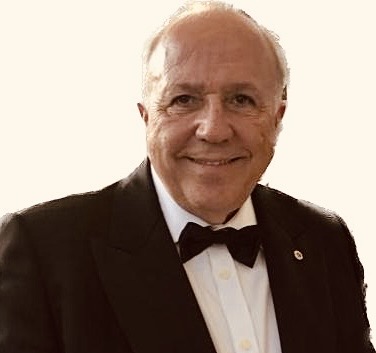
Abstract
Longevity research has traditionally centered on genetic determinants, metabolic processes, and lifestyle factors such as diet, exercise, and environmental risk exposure. However, emerging evidence indicates that emotional connection—conceptualized through constructs such as love, attachment security, relational trust, and social belonging—plays a measurable and causally relevant role in determining both lifespan and healthspan.
“What’s love got to do with it?” becomes not a rhetorical question but a legitimate scientific inquiry: Can love, or more specifically the physiology of safe emotional connection, alter the trajectory of human aging? This abstract presents a multidisciplinary synthesis across psychoneuroendocrinology, immunology, epigenetics, and cellular gerontology, proposing that love is not metaphorically but biologically implicated in processes that slow aging and extend life.
The physiology of love begins within the central nervous system, where interpersonal safety and emotional attunement activate oxytocinergic pathways centered in the hypothalamus. Oxytocin release has downstream effects on the hypothalamic–pituitary–adrenal (HPA) axis, including attenuation of corticotropin-releasing hormone (CRH) and adrenocorticotropic hormone (ACTH) signaling. The result is a reduction in chronic cortisol output—a hormonal pattern consistently linked with accelerated biological aging, mitochondrial exhaustion, insulin resistance, and neurodegenerative vulnerability. While cortisol is adaptive in acute threat responses, persistent elevation contributes to allostatic load and multisystem breakdown; thus, emotionally safe relationships serve not only psychosocial functions but also endocrine regulatory roles that moderate long-term risk.
This endocrine shift cascades into the immune and inflammatory domains. Chronic stress and social isolation elevate pro-inflammatory cytokines, particularly interleukin-6 (IL-6) and tumor necrosis factor-alpha (TNF-α), which are now understood as primary drivers of “inflammaging,” the low-grade inflammatory milieu that accelerates tissue decline and predicts morbidity. By contrast, social bonding increases parasympathetic tone—measurable through vagal activity—which suppresses excessive immune activation, reduces oxidative load, and supports immunological resilience. In this model, love operates as a regulator of immune expression, positioning relationships as an upstream variable in the maintenance of host defense and repair.
At the genomic and cellular level, emotional connection correlates with slower telomere attrition, improved telomerase activity, and reduced incidence of stress-induced DNA damage. Telomeres, the protective caps at chromosome ends, shorten with each cellular division; accelerated shortening is associated with morbidity, mortality, and age-related disorders. Individuals experiencing chronic relational threat—conflict, abandonment, isolation, attachment insecurity—demonstrate shorter telomeres and weaker telomerase response, while those reporting relational security show more favorable cellular aging profiles. Though causality remains under investigation, the association strengthens the hypothesis that emotional environments shape biological timekeeping.
In parallel, epigenetic research suggests that loving relationships may influence DNA methylation patterns linked to inflammatory regulation, stress responsivity, and neuroplasticity. Emotional safety appears to promote methylation states protective against chronic disease, while emotional neglect or isolation correlates with epigenetic patterns resembling physiological threat states. These findings imply that love functions not merely as a subjective experience but as an informational input that modulates gene expression over the lifespan.
Cognitive aging is similarly affected. Neurologically, love and secure attachment correlate with higher brain-derived neurotrophic factor (BDNF) levels, hippocampal preservation, and reduced glucocorticoid-induced neurotoxicity. These relationships suggest that supportive social environments act as neuroprotective factors, potentially delaying cognitive impairment and neurodegenerative progression. Conversely, loneliness is now recognized as a dementia risk factor comparable in magnitude to hypertension and smoking.
Collectively, these findings support a unified model: love—and its physiological correlates—affects aging through multisystem co-regulation. Emotional safety decreases threat physiology; decreased threat physiology reduces oxidative, inflammatory, and endocrine strain; reductions in strain slow cellular and cognitive aging. In this framework, the question is no longer “Does love matter?” but “Through which mechanisms, in which tissues, and over what timescales does it matter most?”
This presentation argues for the inclusion of relational health markers in longevity research and advocates that clinical prevention strategies integrate social connection metrics alongside traditional biomarkers. If love contributes measurably to increased healthspan, then public health models emphasizing community building, attachment literacy, and relational support become as biologically relevant as cardiovascular screening or nutritional counsel. Longevity, therefore, is not solely an outcome of genetic inheritance, caloric efficiency, or biomedical intervention; it is shaped continuously by how human beings co-regulate, bond, and belong.
In summary, what’s love got to do with longevity? According to current evidence: potentially everything. Love may not replace medicine, but it may be one of medicine’s most underestimated allies. This abstract proposes love as a biologically active component of healthy aging—an upstream determinant worthy of rigorous measurement, clinical application, and scientific respect.
Biography
Born and raised in the United States, after studying Medicine at the University of Genoa, I specialized in he graduated from Medicine & Health Sciences Founder, Educational Director and Professor of Holos Academy – Educational & Training Center (Switzerland) and President of the Swiss Clinical Aromatherapy Association (Switzerland) Consultant in Clinical Aromatherapy and Emotional Aromatheraoy for the Geriatric Center of the Luganese Hospital of Moncucco - Dr. Pio Eugenio Fontana and Geriatric Center at Felix Platter Hospital - Prof. Reto Kressig I worked as an assistant at Peking University during his specialization in Traditional Chinese Medicine and as an Associate Professor at the University of Siena where he taught Medical Informatics, Naturopathic Phlebolymhlogy and Vodder Technique.
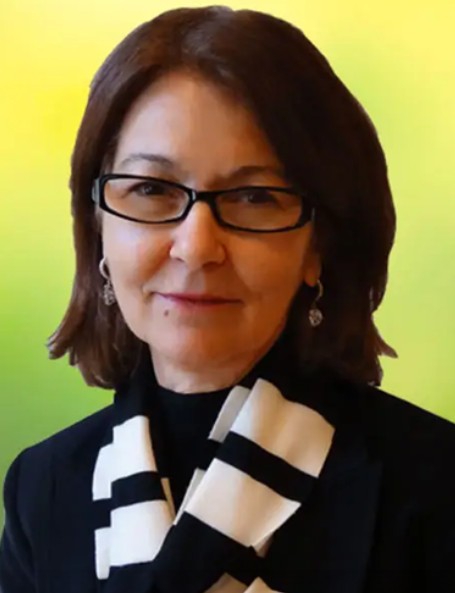
Abstract
Chronic noncommunicable diseases (NCDs) are a growing global health burden. While conventional biomedicine is essential for acute care, it often falls short in preventing or reversing lifestyle-related chronic conditions. Naturopathy, a systems-based and prevention-focused clinical discipline, offers an evidence-informed approach to addressing underlying causes of chronic disease. This article reviews evidence for naturopathic interventions across major NCDs, examines mechanisms, outcomes, and cost-effectiveness, and proposes strategies for integration into modern health systems. Integrating naturopathic principles into mainstream care may improve chronic disease outcomes, reduce costs, and strengthen preventive healthcare.
Biography
Dr. Matina Chronopoulou was born in Sparta, Greece. Today, she is a practicing Naturopathic Doctor, Homeopath, Acupuncturist and Bioresonance Therapist. She has been involved in natural therapies since the late 1970s. Since 1995 she has been the director of the Center for Natural Medicine and Acupuncture in Athens, with an emphasis on physiotherapy, nutritional medicine, lifestyle modification, herbal medicine, homeopathy, acupuncture, flower essences and energy medicine. She practices private practice, lectures and teaches. Additionally, she specializes in educational workshops and seminars for professionals. She shares her knowledge about the traditional Mediterranean therapeutic diet, herbal walks and herbal retreats in the Greek countryside. She has presented scientific papers around the world and has regularly contributed articles to natural health journals, newspapers, television and radio talk shows for the past 25 years. Dr. Matina Chronopoulou is a columnist for the Huffington Post and Director of the Naturopathy and Complementary Medicine program and a member of the Board at Warnborough College Ireland.
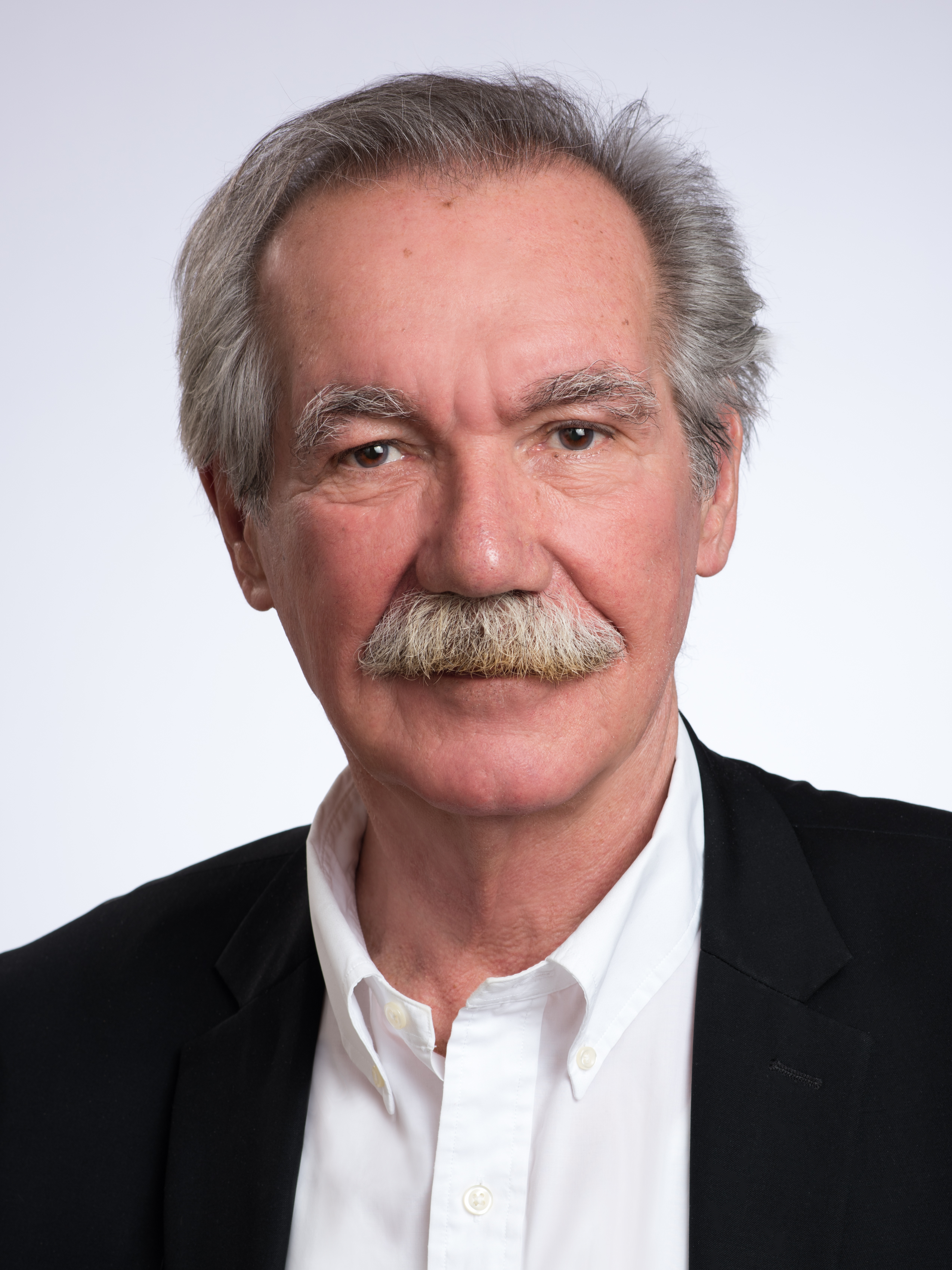
Abstract
Anthroposophic medicine is an integrative, multi-professional medical system which emerged in Europe in 1920 and is now widespread throughout the world. It is taught in several universities (reference to the "criteria for training in anthroposophic medicine" published by the WHO in 2023), and is practiced in 12 hospitals and private practices. It is based on a specific image of the human being and nature, of disease and therapy, and on solid pre-clinical and clinical research into the quality, safety, efficacy and cost of its treatments (HTA).
In view of the multifaceted and heterogeneous characteristics of anthroposophic medicine, a narrative form has been chosen, drawing on the numerous publications, clinical studies and books concerning its methodology and practice.
Anthroposophic medicine proposes a broadening of the art of healing. It expands conventional medicine with a holistic vision of the human being and nature, of illness and treatment, based on scientific investigation of the supra-sensible aspects of the human being and nature. In addition to specific drug therapies, it also offers non-drug treatments (biographical work and psychotherapy, art therapy, eurythmy, etc.) which involve the active participation of the patient.
As a conclusion, anthroposophic medicine, with its integrative approach based on an innovative scientific approach to the human being and nature, offers a multi-modal therapeutic approach which should open up new perspectives for the healthcare system.
Biography
Robert Kempenich is a medical doctor (Université de Strasbourg. France), holder of a university degree in cancerology (Université Paris13), a university certificate in HIV infection (Université Strasbourg),a diploma from the French School of Homeopathy.He was trained in anthroposophical medicine at the Arlesheim Klinik in Schwitzeland .He is president of AREMA (Association pour la Recherche et l’ Enseignement en Médecine Anthroposophique. Paris.Strasbourg.) and has been teaching anthroposohic medicine to doctors for around thirty years.He is board member of the GETCOP (Groupe d’ Evaluation des Thérapie Complémentaires Personalisées. France) He was a member of the advisory board of the pan-european study CAMbrella , president ot the ECPM (European Council of Doctors for Plurality in Medicine), board member of the IVAA (International Federation of Anthroposophic Medical Association).
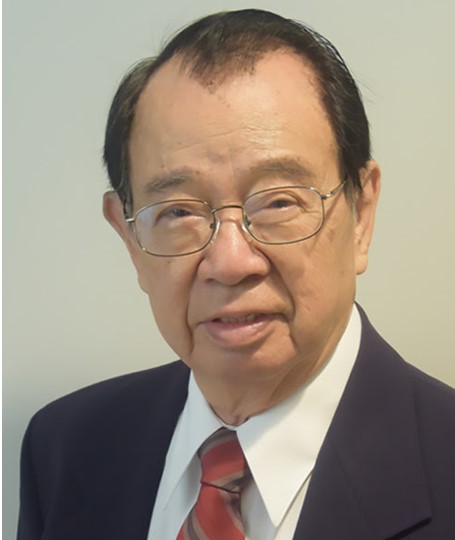
Abstract
Despite extraordinary advances in modern medicine, chronic diseases such as diabetes, cardiovascular disorders, autoimmune conditions, and neurodegeneration continue to rise worldwide. This paradox reveals a fundamental limitation in the traditional, reductionist, organ-centered model of healthcare. While highly effective for acute and infectious diseases, this model struggles to address the complex, multifactorial nature of chronic illness.
Adaptive Medicine proposes a new framework based on the body’s inherent capacity to adjust, repair, and restore balance in response to physical, metabolic, and psychological stress. Human physiology evolved for survival in dynamic environments, relying on interconnected adaptive systems that regulate oxidative stress, inflammation, neuroendocrine function, energy metabolism, immunity, mitochondrial health, and vascular integrity.
Rather than viewing disease as an isolated defect, Adaptive Medicine reframes chronic illness as a state of maladaptation — a breakdown in the flexible, dynamic balance among these biological axes. Health, therefore, is not defined as the absence of stress, but as the capacity to adapt, recover, and maintain resilience.
This approach integrates pharmacology with targeted lifestyle and nutritional interventions, recognizing food, movement, sleep, and psychosocial environment as powerful biological signals. By restoring adaptive capacity rather than merely suppressing symptoms, Adaptive Medicine offers a unifying, preventive, and regenerative paradigm for the future of healthcare and public health.
Biography
Dr. Kevin KF Ng, a distinguished pharmacologist, made groundbreaking contributions to the field, including discovering the adrenergic neuron-blocking action of emetine and the angiotensin-converting enzyme (ACE) in the lung. He collaborated with Nobel Laureate Sir John R. Vane and developed an ACE inhibitor from snake venom. After a successful academic career, including over 150 clinical trials, Dr. Ng shifted his focus to "Food as Medicine," emphasizing phytochemicals and boswellic acids to complement traditional pain management
Abstract
Natural remedies exist that are able to damage or even destroy viruses. Known are for example: Cystus-incanus (https://www.cystus-pandalis.de/graubehaarte-zistrose), the Capeland Pelargonium (Pelargonium sidoides, https://www.umckaloabo.de/de/umckaloabo-produkte) and CDL (Chlordioxid). A second problem are the spike proteins that occupy ACE-2 receptors in the organism, especially in the intima of the blood vessels, the heart (1, 2) and the brain (3). The mRNA from the vaccines mislead cell ribosomes to produce spike proteins for a long time. A third problem is the antibodies to mRNA that occur via shedding even in nonvaccinated individuals and cause autoaggressions, e.g. autoaggressive mitochondriopathy.
We have developed herbal mixtures against A) viruses, and B) spike proteins. A contains extracts from: Dandelion leaves, Citrus peels, Licorice roots, Pine needles, Pomegranate peels, and Red kitchen onions. These ingredients achieve the listed goals (see www.cellavita.de). For the Long Covid Syndrome (often Post Vac Syndrome), the autoaggressive processes are in the center. For this we have developed the so-called "Tria Mystica" (B), which contains as ingredients extracts of frankincense and myrrh as well as colloidal gold. Additionally Quercetin and Nattikinase should be applied.
In the case of myocardial or pericardial infestation (4, 5) by spike proteins, the most effective drug is Strophanthin (in the form of 3mg enteric-coated capsules, g-Strophanthin = Ouabain). If the brain is affected, Huperzine A (Lycopodium extract) and Methylene Blue have proven most effective. Additionally Ginkgo biloba 240mg should be applied. We have had very good experiences with those remedies.
Biography
Dr. of Nuclear Medicine (Germany), General Doctor (Switzerland), Expert in Energy Medicine Born in Bad Berleburg/Germany. Medical studies in Munich and Giessen, exams and doctorate in 1971. Scientific assistant at the clinical centre of the Justus Liebig University at Giessen until 1978. Senior physician for nuclear medicine at the clinical centre in Hanau/Germany until 1985. Founder of the "International Institute for Experiential Medicine" www.iifeh.de ; Founder of the "Diagnostic Centre for Mineral Analysis and Spectroscopy DCMS. From 2011 to 2018 Head Physician of the Quantisana Health Centre for Holistic Diagnostics and Therapy in Switzerland. Since 2018 Head of the HolisticCenter in Abtwil CH 9030. More than 400 oral and written publications in the fields of Integrative and Energy Medicine. Many videos on Youtube, Google and complementary portals. Reviewer of international journals. Co-founder and Deputy President of DGEIM (German Society for Energetic and Information Medicine, Stuttgart www.dgeim.de ).
Abstract
CranioSacralQigong represents an integrative process of cranial osteopathy and the ancient wisdom of Qigong, focusing on the profound relationship between cranial bone movement, primary respiratory motion, and Qi, the vitality of our core link intelligence. Rooted in the principles of cranial osteopathy, this practice emphasizes the subtle yet vital movements of the cranial bones that facilitate the flow of cerebrospinal fluid, essential for maintaining our neurological health.
At the heart of this integration is the concept of the dural tube, the external meningeal unit that encases the central nervous system. Understanding its structure and function enhances our awareness of the inherent Tides within our bodies—dynamic expressions of life that reflect our core link intelligence. Unlike manual therapies, CranioSacralQigong is a personal practice which teaches us to follow and modulate these intrinsic rhythms, unveiling our natural connection to the cosmic flow of Qi.
Through the practice of Qigong, we engage with the balance of Yin and Yang, alongside the central meridians, Ren and Du, which further amplifies our understanding of health and wellness. This conscious engagement fosters a deeper awareness of our physical and energetic selves, embedding the way to embody a self-regulatory life skill.
CranioSacralQigong invites practitioners to cultivate and develop this awareness, facilitating a profound connection to their core link intelligence and enhancing their overall well-being. As we explore these integrative pathways, we unlock the potential for greater health, vitality, and conscious living, enriching our journey toward holistic wellness.
This integration is based upon the movement of cranial bones and primary respiratory motion, followed by the understanding of the dural tube in the Craniosacral paradigm and then the Tides, and parallels with Qigong, the cosmic flow, and the central channels of yin and yang, REN and DU. This context elaborates on the consciousness of our core-link intelligence and how with qigong practice we develop and gain the ability to potentialize and activate this motion within ourselves, and how the CranioSacralQigong practice stems from this understanding.
Biography
Dr. Cloe Couturier, a medical Qigong doctor (China) and certified osteopath (France, UK), is an advanced certified medical Qigong instructor, a certified Integrative Qigong Practitioner, and Craniosacral Diplomate. Developer of CranioSacralQigong®, she’s a published author with over 30 years of clinical practice in Palm Beach County, Florida. Awarded “Medical Qigong Master 23 by World Congress Integrative Health. Cloecouturier.com the developer of craniosacralqigong.com
Abstract
An experimental, individualized therapeutic regimen utilizing high daily doses of Vitamin D3 (ranging from 40,000 to 300,000 IU/day), the Coimbra Protocol (CP is an integrative approach to a variety of treating autoimmune diseases. The Comibra Protocol is grounded in the hypothesis that genetic polymorphisms (e.g., VDR SNPs) and environmental factors cause an acquired vitamin D resistance compromising immune function.
High-dose Vitamin D3 functions as an immunomodulatory hormone, compensating for Vitamin D resistance to achieve enhanced Regulatory T cell (T-reg) activity while suppressing pathogenic Th17 cells.
Vitamin D3 dosing is titrated meticulously using Parathyroid Hormone (PTH) levels as the key biomarker, aiming for suppression into the lower third of the reference range. Observational data indicates reliable safety under strict physician supervision, provided the patient adheres to a low-calcium diet, high fluid intake (min. 2.5 L/day), and mandatory cofactor supplementation (e.g., Magnesium, K2, B2). The CP represents a promising, biologically plausible mechanism for achieving disease control and long-term remission.
Biography
William Clearfield, a 1978 graduate of the College of Osteopathic Medicine and Surgery, Des Moines, IA., completed a rotating internship and served as an OB/GYN resident at Metropolitan Hospital, Philadelphia, PA. Certified by the American Board of Family Medicine after completing a Family Practice resident in 1982 at United Health and Hospital Services in Kingston, PA, Dr. Clearfield, since 1982, is a leading figure in family and integrative medicine. With graduate expertise in areas ranging from Cardiac Rehabilitation (the University of Wisconsin/Lacrosse) to Medical Acupuncture (UCLA, 1991), to Age Management and Non-Surgical Aesthetic Medicine, (fellowship-trained and diplomat status from the American Academy of Anti-Aging Medicine,) Dr. C is a leading authority on cutting-edge medicine in Northern Nevada. In 2016, Dr. Clearfield’s turned when, after meeting with several veterans who suffered traumatic head injuries while serving overseas, recognized some of the long term maladies experienced by these soldiers were hormonal consequences of their TBI’s. Research led him to study with and be certified by the Millennium-Warrior Angel Foundation Trau matic Brain Injury Program. Dr. C’s lectures on Traumatic Brain Injury and Hormone Replacement in general, have taken him to OMED, the American Osteopathic Association’s Scientific Convention, NOMA, the Nevada Osteopathic Association, the American Osteopathic Society of Rheumatologic Disease, and the American Academy of Anti-Aging Medicine. Dr. Clearfield is the Nevada Delegate to the American Osteopathic Association’s House of Delegates and the Executive Director of the American Osteopathic Society of Rheumatologic Diseases.
Abstract
Peripheral neuropathy arises from a wide spectrum of causes, including diabetes, chemotherapy, metabolic disorders, circulatory compromise, autoimmune conditions, and idiopathic factors. Yet many forms share common underlying patterns: inflammation, impaired microcirculation, metabolic stress, and altered nerve signaling. This presentation introduces a comprehensive holistic framework that integrates Traditional Chinese Medicine (TCM), Essential Oils, lymphatic support techniques, and practical self-care strategies to improve nerve function and reduce pain.
Drawing upon over fifteen years of clinical experience as a licensed acupuncturist and aromatherapy practitioner, this approach bridges Western pathophysiology with TCM concepts such as Qi and Blood stagnation, Damp accumulation, and organ system deficiency. Special attention is given to lymphatic stagnation as a contributing factor, recognizing its role in inflammatory waste buildup, microvascular impairment, and heightened nerve sensitivity, while emphasizing that neuropathy is inherently multifactorial.
Participants will learn an integrative protocol that includes:
- Essential Oils shown to support circulation, reduce neuroinflammation, and modulate pain pathways
- Targeted acupressure and meridian techniques to restore Qi flow and calm neuropathic signaling
- Lymphatic activation methods to enhance detoxification and reduce peripheral inflammation
- Evidence-informed self-care practices that improve mobility, sleep, and nervous system resilience
Biography
Beverly Lawrence, Ph.D., L.Ac. is a licensed acupuncturist, aromatherapist, and integrative medicine researcher with over fifteen years of clinical experience. She served as the primary investigator for a 2019 study examining scalar energy as a supportive modality for neuropathy; the findings were shared as a poster and online digital exhibit at a podiatry conference in 2020. Dr. Lawrence integrates Traditional Chinese Medicine, Essential Oils, lymphatic support, and somatic self-care to address complex neuropathic conditions. She is the founder of both the Dancing Bear Healing Center and the Dancing Bear Enlightenment Academy, where she teaches multidisciplinary approaches to healing, nervous system regulation, and holistic wellness. Her forthcoming book, The Neuropathy Healing System™, brings together ancient medical systems and contemporary scientific perspectives.
Abstract
Neuropathic pain, chronic pain syndromes, and functional neurological conditions represent a growing global health burden and remain challenging to manage with conventional medical approaches alone. These conditions are frequently associated with persistent pain, sensory disturbances, motor dysfunction, autonomic imbalance, and reduced quality of life. Pharmacologic treatments often provide incomplete relief and may be limited by side effects, highlighting the need for effective integrative strategies.
This presentation explores the role of integrative acupuncture in the management of neuropathic pain, chronic pain, and functional neurological conditions, drawing upon traditional acupuncture diagnostics alongside contemporary neurophysiological and integrative medicine frameworks. Key mechanisms discussed include neuromodulation of pain signaling, regulation of central sensitization, enhancement of microcirculation, reduction of neuroinflammatory processes, and autonomic nervous system regulation. Emphasis is placed on individualized treatment planning, pattern differentiation, and the application of neuro-acupuncture techniques to address both peripheral and centrally mediated symptoms.
Clinical observations from practice demonstrate improvements in pain intensity, sensory function, balance, motor coordination, and overall functional capacity among patients with both structurally defined and functional neurological presentations. This session aims to bridge traditional medicine principles with modern clinical practice, offering practical, patient-centered insights for healthcare providers seeking non-pharmacologic, integrative approaches to complex pain and neurological conditions. Integrative acupuncture represents a safe, adaptable, and clinically relevant modality that can be effectively incorporated alongside conventional care to support improved patient outcomes.
Biography
Kim Windschauer, DACM, L.Ac., is a licensed acupuncturist and Doctor of Acupuncture and Chinese Medicine specializing in integrative approaches to neuropathic pain, chronic pain, and functional neurological conditions. She is the founder of Acupuncture of West Florida, where her clinical work focuses on individualized, evidence-informed acupuncture protocols within a modern integrative healthcare setting. Dr. Windschauer has extensive experience treating complex pain conditions and collaborating within multidisciplinary care models.
Abstract
The number one way to live longer, found by a 2023 Harvard study, is to have successful relationships.
Yet the one of the top 5 reasons people break up or get divorced is due to lack of intimacy, meaning intimacy is a major factor in relationships failing. Surveys share that 70% of people want to talk about sexual health with their doctor but not don’t, either due to stigma or lack of comfort talking to their doctor about such topics.
It's also no surprise that 92% of people in super satisfying relationships talk about sex. We need to be able to talk about sex in order to help improve intimacy and longevity of relationships. Therefore, if medical professionals can successfully address this taboo topic, it can greatly improve people's quality of life.
This presentation will help medical professionals feel comfortable talking about sexual health.
Topics discussed include: (1) top medical reasons for decreased libido, (2) how to understand desire mismatch and what to do about it within couples and (3) how to close the orgasm gap, as well as (4) comfortability tricks for talking about this with patients.
Attendees will leave with statistics and evidence-based rationale for what's going on physiologically and psychologically for each of the issues addressed, take-aways for how to treat patients experiencing sexual health problems and techniques for open, non-judgmental dialogue.
Regular inclusion of this topic into medical care can help patients improve their relationships, their quality of life and longevity.
Learning Objectives:
- Assess medical and psychological reasons for decreased libido and desire mismatch in couples.
- Learn how to close the orgasm gap and help their patients have more satisfying sex with their partner.
- Create comfortability in assessment of sensitive sexual health topics.
- Understand how communication about sex increases quality of relationships, leading to longevity.
Biography
Dr. Diane Mueller is a Functional Medicine Doctor, Naturopathic Doctor, and Acupuncturist in the Denver Metropolitan Area, USA. Founder of My Lyme Doc and My Libido Doctor, she integrates her training in naturopathic medicine, acupuncture, and functional medicine. Dr. Mueller holds a Doctorate in Naturopathic Medicine and a Master's in Acupuncture from the National College of Natural Medicine, and a doctorate in acupuncture and oriental medicine from Five Branches University. She has advanced certifications in applied kinesiology, genetics, and functional gastroenterology. Dr. Mueller is also a speaker, educator, and summit host at DrTalks.com.
Abstract
Various types of brain tumour, including malignant glioblastomas, are well known to be extremely challenging to treat, with frequently poor prognosis for the patient. This presentation examines recent results from clinical trials, in vivo and invitro experimentation using a combination of bee venom and sonodynamic therapy. Furthermore, the presentation includes the case studies of three brain tumour patients and examines the treatment, experiences and results of each of these patients.
The study concludes that positive results from clinical trials and scientific studies of the potential for these therapies, may point the way to a less invasive and less toxic form of treatment. The very positive responses and results from patients in the study so far appears to show this combined therapy may have merit if more widely adopted.
Biography
Bridget Goodwin is a certified herbalist, and Apitherapist and is a founding member and President of the Australian Apitherapy Association. She is currently enrolled in a Post Doctoral Diploma in Integrative Medicine at Bio Quantum Academy, Canada. Bridget is preparing a thesis on non-toxic natural medicine treatments for cancer, most notably bee venom and photodynamic therapy using natural photosensitizers Bridget has a a post-graduate diploma in Health Sciences and is also completing a degree in Health Sciences (Naturopathy) from Torrens University, Australia. Bridget completed a Phd in 1996 on the Top Secret medical experiments using mustard gas on Australian soldiers during WWII. These experiments are now known to have been fundamental research for the introduction of chemotherapy. Chemotherapy followed hard on these experiments immediately after WWII, with many of the wartime scientists becoming oncologists. Her book on the subject, Keen As Mustard, was published by University of Queensland Press in 1998 and she is currently updating a second edition. Bridget also practices as a laser therapist and trains for www.dermaltherapycollege.com She has Cert III in Pathology Collection from Southern Pathology, NSW, 2023. Member of the Australian Association of Integrative Medicine Member of Naturopaths and Herbalists Association of Australia.
Abstract
Facial acupuncture, anchored in a grounded constitutional approach, possesses a unique power of transformation; the face is the vehicle for the transmission of the richness of our inner feeling lives to the outer world, and its musculature has evolved through untold eons to facilitate this communication. The face is more directly reflective of significant psychospiritual changes than are other parts of the body. The three burners of Chinese medicine, housed in the abdomen, are akin to the sealed vessel employed by alchemists in both West and East, and the refinement of the spirit essence that occurs within can be more readily observed through changes in the face.
The ancient Taoists incorporated alchemical considerations into their philosophy, devising a series of rituals of ascent involving meditative breath, which traversed the acupuncture meridians on the inner planes; these facial acupuncture treatments likewise allow the practitioner to address the facial landscape in a manner that far exceeds the “aesthetic” preoccupations of the recently emergent “cosmetic” acupuncture, enacting sacred rituals of transformation. This seminar will likewise introduce alchemical transformation rituals utilizing specific acupuncture points, which can similarly be incorporated within the context of a facial acupuncture treatment series.
Additionally, alchemical facial acupuncture treatments can be regarded, as in the sense of quantum mechanics, as being a participatory paradigm, in which the practitioner, like the patient, undergoes a process of personal evolution during a treatment series. It should be emphasized that, despite the seeming esoteric emphasis upon elements of theory and practice of alchemy, stemming from Taoist and Western sources, the ultimate purpose of the presentation is to introduce grounded practical skills that can be readily incorporated into a pre-existing acupuncture practice, highlighting a facial protocol using acu-muscle treatment points, an approach which Ms. Wakefield pioneered some 20 years ago.
Biography
Mary Elizabeth Wakefield, the internationally recognized author of the 5-star rated Constitutional Facial Acupuncture (Elsevier UK, 2014), is an acclaimed teacher, acupuncturist, herbalist, Acutonics® and Zen Shiatsu practitioner, cranio-sacral therapist and a professional opera singer. A leading authority on facial acupuncture, she has created innovative treatment protocols that emphasize a constitutional approach to this modality, as well as some 22 educational seminars. In March 2020, Mary Elizabeth and her life and teaching partner, MichelAngelo, collaborated on the ground-breaking book, Vibrational Acupuncture: “Integrating Tuning Forks with Needles” (Singing Dragon UK). A new book, Alchemical Facial Acupuncture: “Sparking the Shen”, is in the process of being published by Singing Dragon UK later in 2026.
Abstract
The cell theory, which states that disease is caused by the aging of cells, is a theory on the cause of disease that Pasteur, who advocated the bacterial theory in his later years, also accepted in his later years.
However, the facts related to health and medicine reported by medical scientists and pharmacologists are explained by events occurring within cells at micron sizes (one millionth of a meter) that can be observed with an optical microscope. Because the metabolic chemical and physical phenomena occurring within cells are primarily driven by molecules and ions smaller than nanometers (one billionth of a meter), healthcare cannot be properly explained unless they are understood as electron transfer phenomena between frontier orbitals of associated structures of molecular and ionic species. Molecular modeling using Spartan, a molecular modeling software based on density functional theory, verifies and explains the following three points.
Trace amounts of iodide ions at the ppm level found in sun-dried salt, seaweed, and seafood maintain the activity of mitochondria, the cell's engine, through their antioxidant properties. (2) Healthy mitochondria convert the instantaneously generated hydrated superoxide anion radicals [O2-* (H2O)2] into microwave, radio wave, and high-frequency electromagnetic energy, while the resulting far-infrared wave energy is converted into heat through thermal upconversion, driving metabolic chemical reactions within the cells. (3) Activating mitochondria with iodine fosters healthy cells in the nerves and brain, liver, kidneys, heart, pancreas, and gastrointestinal tract, contributing to health care. It is worth noting here that cellular aging is caused by the deterioration of mitochondrial structure. This deterioration of mitochondrial structure is caused by the destruction of the mitochondrial lipid bilayer membrane by hydrated hydroxyl radicals generated from superoxide anion radicals. Therefore, as we age, it is important to maintain lifestyle habits that suppress the generation of hydroxyl radicals. [HO* (H2O)2].
Biography
Shozo Yanagida (Emeritus Professor of Osaka University since 2004) is a pioneer of molecular-structured solar cells, and now stay at the forefront with regards to density functional theory-based quantum chemisty molecular modeling of molecular aggregats. Now, he may be regarded as a molecular-structure chemist using density-functional theory. He presented a plenary lecture entitled “Carbon dioxide is by no means the cause of climate change, and solar radio radiation causes climate change. Forecast/Verification by Quantum Chemistry Molecular Modeling in a global conference. Many theoretical verification examples by molecular modeling can be found on the homepage of M3 Laboratory Co., Ltd. (https://www.m3lab.en/).
Abstract
Soundharmony is an integrative healing system combining: Ayurvedic Sound Resonance -Pulsed Electromagnetic Field (PEMF) & Structured Water Resonance All delivered via smartphone for the purpose of targated tissue Healing
Why Soundharmony?- High-end PEMF or structured-water, VAT devices cost thousands of dollars.- Soundharmony brings the same science through your smartphone. - Integrates Ayurveda and TCM for total mind-body balance.- Designed for healers, therapists, and coaches for versatile, daily use.
How Soundharmony Works: Sound Resonances &PEMF Integration: - Uses specific tissue ,Chakra,meridian frequencies for each body part.- Balances the tissue imbalances and realigns energy pathways. - The smartphone connects to a small PEMF coil for energetic correction. Structured Water Resonance: - we Digitally capture resonance of herbs, homeopathy, and superfoods.- Charge water with Soundharmonys frequencies for hydration, detox, and coherence.
Methods & Applications: Healing can be applied through any of 3 modes: 1) Sound sessions (via smartphone speaker/headphones) 2) PEMF sessions (using connected coil for deep tissue effect) 3) Charged Water sessions (using digitally infused structured water) Applications include:- Pain management- Stress and emotional balance- Sleep enhancement- Organ rejuvenation and chakra harmonization Soundharmony integrates seamlessly with Acupuncture, physiotherapy,Reiki, Yoga, and Ayurveda, Pranic Healing. 1. sound Helaing 2. PEMF Healing 3. Structured Water Case Studies & Clinical Observations Case 1: Jenene (South Africa) - Cancer survivor with nerve irritation and pain after chemotherapy. - Achieved pain relief and deep relaxation after Soundharmony sessions. Case 2: Frozen Shoulder One PEMF session via smartphone coil improved pain and range of motion. These outcomes highlight the potential of smartphone-based vibrational healing.
Research & Future Direction- Ongoing research on SoundPEMF therapy in pain management.- Practitioners invited to contribute data and observations.- Preliminary findings show consistent improvements in pain relief and wellbeing.- A publication on Soundharmonys role in pain modulation is forthcoming.
Conclusion: Soundharmony bridges Ayurveda, TCM, and modern frequency science - turning a smartphone into a portable healing device. It empowers anyone, anywhere, to experience natural energy balance and wellness through sound, magnetism, and water resonance
Biography
Dr. Kedar Ghatnekar is a 4th‑generation Ayurvedic physician, acupuncturist, and researcher working in the field of integrative and vibrational medicine. With clinical experience that includes more than 10,000 acupuncture treatments, his work focuses on integrating Ayurveda, microsystem therapies, and frequency‑based therapeutic approaches. He has served as an Associate Professor in an acupuncture college, teaching clinical acupuncture and integrative healing methodologies. Dr. Ghatnekar is the founder of Soundharmony, an integrative system that explores the therapeutic potential of sound frequencies, smartphone‑based PEMF technology, and vibrational principles derived from Naada science and Ayurveda. His research interests include cymatics, biological resonance, frequency‑induced physiological responses, and accessible digital therapeutic systems. Through clinical work, teaching, and international consulting, he works with practitioners and students worldwide to develop practical, technology‑supported integrative healing approaches.
Abstract
Chronic inflammation is a significant factor contributing to systemic complications and gut dysfunction. Protein combinations with high biosimilarity to human breast milk proteins offer a promising avenue for addressing inflammation and promoting gut health. The aim of this study was to evaluate the anti-inflammatory efficacy of an AI-generated combination of bio-functional proteins derived from bovine colostrum, and to investigate its potential for integration into functional nutrition applications.
Ex-vivo experiments were conducted using human peripheral blood mononuclear cells (PBMCs) activated by OKT3 to simulate inflammatory conditions. The protein combination’s effects on T-cell activation and INF-γ secretion were compared to colostrum powder, lactoferrin, and curcumin. The optimized protein combination demonstrated a significant reduction in T-cell activation (51%) and INF-γ secretion (14%), outperforming all comparators.
In-vivo efficacy was assessed using a delayed-type hypersensitivity (DTH) mouse model induced by oxazolone, where ear inflammation served as a measure of treatment effectiveness. Mice treated with the protein combination exhibited a 39% reduction in ear thickness after 48 hours, compared to 29% in untreated controls, indicating accelerated recovery. Pathological analysis further revealed a decrease in macrophage infiltration and epidermal thickness in treated groups, confirming the formulation's anti-inflammatory efficacy.
The study demonstrates that AI-generated protein combinations with high biosimilarity offer a robust solution for managing gut inflammation and promoting immune health. This formulation provides a promising foundation for developing functional nutrition products targeting chronic inflammation and gut health disorders.
Biography
Yuval Appelbaum is the CTO of Maolac, an Israeli FoodTech and biotech company specializing in advanced colostrum-derived functional ingredients for health, nutrition, and wellness applications. With a B.Sc. in Biotechnology Engineering, Yuval leads the company’s R&D, production scale-up, and engineering strategy, overseeing process development, production technologies, protein characterization, and quality systems. Driven by a passion for innovation, precision, and scientific excellence, Yuval works closely with global partners to bring clinically-supported bovine colostrum proteins to market while ensuring full compliance with FDA, EU, and Israeli regulatory standards. Beyond R&D, Yuval is deeply involved in patent strategies, product launches, and operational growth, contributing to Maolac’s expanding international presence.
Abstract
Trauma and chronic stress are expressed through the body–mind system as persistent autonomic dysregulation, muscular tension and visceral disturbance. Japanese medicine developed a unique palpation-based diagnostic approach, originally refined by blind practitioners, allowing the body to be read directly through touch. In this proof-of-concept model, reproducible patterns of abnormal tenderness, tissue density and altered skin response are identified in viscerosomatic and meridian-related zones. These areas reflect stored stress and autonomic imbalance and serve as primary treatment targets. Using gentle touch and minimal Japanese acupuncture stimulation, these reactive zones are released. Across repeated clinical observations, reduction of local tissue sensitivity is consistently followed by emotional relief, slowed breathing, reduced heart rate and subjective calming of the nervous system. This demonstrates a direct functional link between somatic tissue reactivity and body–mind regulation. By further developing and refining such models, it may become possible to extend effective trauma care to a broader population in need.
Biography
Boaz Colodner has over 25 years of clinical experience in Japanese and Chinese medicine. He is the director of one of Jerusalem’s largest integrative treatment centers, combining Japanese acupuncture, manual therapy and movement-based rehabilitation. He teaches advanced continuing-education programs for practitioners, including a comprehensive Japanese medicine curriculum focused on palpatory diagnosis, polarity systems and body–mind regulation.
Abstract
Diane van der Vliet is a medical doctor specialised in acupuncture and auriculotherapy, with recognised expertise in the integrative management of age-related macular degeneration (AMD).
Age-related macular degeneration (AMD) is a leading cause of irreversible vision loss in older adults, with a rapidly increasing incidence in industrialised countries and limited therapeutic options, particularly for its dry form. As vision loss profoundly affects autonomy, quality of life and mental health, there is a growing need to explore integrative approaches that go beyond conventional ophthalmic care.
This presentation introduces AMD in accessible terms and reviews current evidence on acupuncture as a complementary strategy in its management. Published studies and meta-analyses suggest that acupuncture may improve visual function, reduce central macular thickness and enhance macular microcirculation. These data will be complemented by real-world clinical experience and the integration of auriculotherapy and the AcuNova (John Boel) eye acupuncture approach into an individualised treatment protocol.
In light of recently published international clinical practice guidelines recognising acupuncture among supportive interventions for AMD, this lecture highlights how integrative medicine can contribute meaningful, patient-centred options—particularly for dry AMD, for which no curative treatment currently exists. This session aims to provide auditors from diverse professional backgrounds with a clear, evidence-informed overview of why and how acupuncture may have a role in the integrative care of patients with macular degeneration.
Biography
Dr. Diane van der Vliet is a medical doctor and recognised expert in Acupuncture and Auricular Acupuncture, with a special focus on supportive care in oncology. Based in Lyon, France, she specialises in acupuncture and Chinese energetic techniques to help cancer patients manage treatment-related side effects and regain balance, energy, and quality of life. Dr van der Vliet has reinforced her expertise by a training in Clinical Oncology at the prestigious Gustave Roussy Institute in France. Her clinical expertise is enriched by a solid background in pharmaceutical research and global clinical trials, having served as Director of Clinical Development for over a decade. She has authored numerous scientific publications and regularly contributes to medical conferences and regulatory work. In addition to her clinical and scientific credentials, Dr van der Vliet is deeply committed to integrative, patient-centred care. She regularly leads group acupressure workshops at the Centre Ressource in Lyon, a supportive care centre for individuals living with or recovering from cancer. These workshops empower patients to use self-acupressure techniques to enhance vitality, reduce anxiety, and better manage common side effects of cancer treatments—promoting autonomy and well-being throughout the healing journey. At the 16ᵗʰ Global Webinar on Traditional and Integrative Medicine, Dr Van Der Vliet will share a comprehensive evidence-based review of acupuncture’s role in oncology supportive care, drawing on her dual expertise in Clinical Science and Acupuncture. Her work exemplifies the fusion of rigorous scientific inquiry with compassionate, integrative healing practices.
Abstract
Integrative medicine has long sought to heal the fragmentation inherent in modern biomedicine by viewing the person as an inseparable whole — body, mind, environment, and relationships woven together. Yet despite this holistic vision, clinical practice and research remain heavily anchored to what can be measured: biochemical markers, physiological parameters, behavioral scales. While these tools are undeniably valuable, they often fall short when confronting the deeper complexities of healing — the lived experience of illness, the therapeutic encounter, the subtle shifts that precede recovery.
The definition and introduction of non-measurable variables—such as perceptive, meaningful, relational, intuitive, or motivational aspects—represent a necessary extension of the theoretical, interpretive, and clinical framework across all disciplines. These dimensions, while eluding quantification, possess observable coherence and explanatory power within an evolving systemic and phenomenological approach. They shape outcomes, guide decisions, and influence the therapeutic process in ways that current scientific models cannot capture.
This work proposes defining and integrating non-measurable variables from physics to biology and finally clinical practice. Through concrete clinical examples and shared observations, we explore how these variables can form bridges between disciplines, create common theoretical ground, and enrich our understanding of what it means to care and to heal, opening a broader therapeutic horizon.
Biography
Patrick Grassi is a licensed acupuncturist, anaesthesia nurse, specialist in integrative health, and federal expert in TCM naturopathy (OdA AM, Swiss Confederation). With 20+ years of healthcare experience spanning emergency care, anaesthesia, traditional Chinese medicine, researches and treatments of emotional impacts on biology,… he uniquely bridges biomedical science with classical healing traditions. .
Founder of “Au Bout de l’Aiguille", a private practice integrating acupuncture, naturopathic consultation, and bio-emotional medicine, Patrick has served hundreds of patients with high satisfaction rate. He specialises in chronic pain and illnesses management, burnout prevention, functional disorders, etc… developing new paradigmes that allow to integrate modern scientific concepts with ancient wisdom. .
As an official federal expert for the Swiss OdA AM regulatory body, Patrick evaluates and certifies naturopathic practitioners, contributing to professional standards in integrative medicine. His clinical philosophy combines scientific rigor with humility before traditional wisdom, emphasising patient empowerment and the belief that symptoms carry meaning and that crises are opportunities for growth. .
Patrick's global perspective is informed by humanitarian healthcare work in Nicaragua and in Nepal. He is fluent in French, Italian, he speaks basic English, and Spanish, a little of German and brings a passion for cross-cultural healthcare integration. .
His research interests include bridging TCM and biological medicine, psychosomatic pathways in chronic disease, burnout recovery protocols, and preventive medicine models.
Abstract
Gastrointestinal (GI) disorders, including irritable bowel syndrome, functional dyspepsia, gastroesophageal reflux disease, and inflammatory bowel diseases, pose a significant global health burden and are frequently associated with chronic symptoms, reduced quality of life, and limited long-term effectiveness of conventional therapies. Acupuncture, a key modality of traditional Chinese medicine, has increasingly been explored as a complementary treatment for GI disorders. Evidence from clinical and experimental studies suggests that acupuncture may improve gastrointestinal function through multiple mechanisms, including modulation of the gut–brain axis, regulation of autonomic nervous system activity, attenuation of visceral hypersensitivity, enhancement of gastrointestinal motility, and reduction of inflammation. Neurobiological pathways involving neurotransmitters and hormones such as serotonin, cortisol, and endogenous opioids are believed to mediate these effects. Clinical trials indicate that acupuncture can reduce symptom severity, improve bowel habits, and enhance quality of life, particularly in patients with functional gastrointestinal disorders, while also alleviating associated psychological symptoms such as anxiety and stress. Overall, acupuncture appears to be a safe and potentially effective adjunctive therapy for GI disorders. However, heterogeneity in study design, treatment protocols, and outcome measures limits definitive conclusions. Further large-scale, well-designed randomized controlled trials are needed to clarify mechanisms of action, standardize interventions, and establish evidence-based clinical guidelines.
Biography
Dr. Shaweta Shay Vasudeva, DAc., LAc., Dipl.Ac is an Acupuncturist, Professor, Author, & Coach. Her passion is to help people become the best version of themselves by using an interdisciplinary and holistic approach, bringing 10+ years of experience in Psychology, Personal Fitness Training, Corrective Exercise, Nutritional Coaching, Cranial Sacral Work, and teaching Karate & Tai Chi classes to her business. Acupuncture is an addition to her existing practice, called ShayTheCoachAcupuncture. Background and training in acupuncture: Dr. Shay earned her Doctorate in Acupuncture from the Phoenix Institute of Herbal Medicine and Acupuncture. With more than 3,000 combined clinical and didactic training hours, she brings extensive experience to healing, delivered with genuine care. For more information visit her webpage: www.shaythecoachacupucnture.com. Areas of practice: Back, Neck, and Joint Pain; Headaches; Stress; Chronic Fatigue and Insomnia; Digestive Issues; The Unique Needs of People in Long-Term Recovery from Drug and Alcohol Addiction.
Abstract
Background:
Emotional eating is frequently mischaracterized as a behavioral or moral failure, yet emerging evidence demonstrates that it is a biologically mediated stress‑response pattern involving neuroendocrine, metabolic, and epigenetic mechanisms. Chronic stress activates the hypothalamic–pituitary–adrenal (HPA) axis, elevating cortisol, increasing appetite, and intensifying cravings for energy‑dense foods. Concurrently, stress suppresses prefrontal cortex activity and amplifies dopaminergic reward pathways, reducing impulse control and reinforcing food‑seeking behavior. Over time, these processes contribute to neuroplastic changes that heighten reward sensitivity and diminish satiety signaling, creating a self‑perpetuating cycle of emotional eating and metabolic dysregulation.
Epigenetic Influence:
Stress, trauma, nutrition, and lifestyle exposures can modify gene expression through epigenetic mechanisms, including DNA methylation and histone modification. These changes affect pathways related to appetite regulation, mood, stress reactivity, and reward processing. Variability in genes associated with dopamine receptors, serotonin signaling, HPA‑axis regulation, and appetite hormones (e.g., leptin, ghrelin) may predispose individuals to emotional eating and impaired metabolic resilience. Importantly, these epigenetic patterns are modifiable, suggesting that targeted lifestyle interventions may reverse maladaptive gene expression and improve metabolic outcomes.
Clinical Relevance for Diabetes:
For individuals with type 2 diabetes, emotional eating and chronic stress contribute to insulin resistance, glycemic instability, and reduced adherence to treatment plans. Although GLP‑1 receptor agonists have demonstrated efficacy for weight reduction and glycemic control, tolerability remains a significant barrier. Recent data indicate that 22% of study participants discontinued GLP‑1 therapy due to intestinal complications, including nausea, vomiting, and severe gastrointestinal distress. This high dropout rate contributes to a growing sense of hopelessness among patients who feel they have exhausted available options for weight loss and diabetes management.
Conclusion:
Reframing emotional eating as a physiological and epigenetically influenced stress response provides a more accurate, compassionate, and clinically actionable understanding of patient behavior. Integrating stress‑regulation strategies, personalized nutrition, sleep optimization, and identity‑based coaching may help modulate gene expression, reduce emotional‑eating drivers, and improve metabolic outcomes. As pharmacologic therapies such as GLP‑1 agonists remain inaccessible or intolerable for a substantial subset of patients, biologically informed behavioral and lifestyle interventions represent a critical, scalable pathway for restoring metabolic health and patient hope.
Biography
Dr. Tess Volner is an experienced Doctor of Chiropractic and Natural Medicine, having worked in the field for 10 years now & keeping up-to-date with advancements in the fields of chiropractic and natural medicine.
Abstract
Chronic sympathetic dominance underlies some of the most treatment-resistant conditions in clinical practice: chronic pain, anxiety, hypertension, insomnia, and post-traumatic stress. Yet the vagus nerve, the primary mediator of parasympathetic outflow, exits the skull at the jugular foramen directly through the suboccipital region, placing it within reach of trained manual contact. Fascial hypertonicity and articular restriction at this site mechanically impinge vagal passage and suppress heart rate variability, the objective marker of parasympathetic tone. This presentation synthesizes findings from four controlled trials and three systematic reviews demonstrating that intentional suboccipital manual therapy produces measurable, reproducible autonomic rebalancing within minutes of manual contact, verified by objective HRV measurement. Across independent research groups, sham-controlled trials consistently show that technique specificity matters: general touch does not replicate the autonomic effect of intentional cranial contact, and findings hold across healthy subjects and clinical populations alike. Attendees will review the functional anatomy of vagal passage through the suboccipital region, examine the mechanical basis for fascial and articular impingement, and explore the specific manual techniques supported by this body of evidence. Clinical integration is addressed directly: how to read tissue response, how to sequence these techniques within an existing session, and how verbal safety cueing and resonance-frequency breathing amplify the autonomic effect. The goal is a practice-ready framework grounded in anatomy, supported by research, and applicable to every patient population.
Biography
Dr. Heather Pannetti, DACM, Dipl. AHM, LAc., CMT, is a National Diplomate of Acupuncture and Herbal Medicine and a California-licensed acupuncturist, herbalist, and certified massage therapist. She holds a Doctorate in Acupuncture and Chinese Medicine and a Master of Science in Traditional Oriental Medicine from Pacific College of Health and Science, San Diego, where she also serves as a Clinical Supervisor and Academic Faculty member in the massage therapy program. With an undergraduate degree in psychology and over a decade of experience in bodywork, she integrates trauma-informed care into her practice. Dr. Heather Pannetti has provided clinical services in medical, academic, private practice, and humanitarian settings and currently practices in San Diego, California.
Abstract
Introduction: Posttraumatic stress disorder (PTSD) is associated with hyperactivity of the sympathetic nervous system (SNS). Fascial Counterstrain (FCS) is a manual therapy purported to reduce inflammation and neuroexcitation. We hypothesized that a course of FCS treatment that specifically targets the SNS will result in a decrease in the severity of PTSD symptoms. Materials and Methods: 24 volunteers with a baseline Clinician-Administered PTSD Scale for DSM-5 (CAPS-5) score ≥ 11 were randomized to either a treatment group (n=13) or waitlist control group (n=11). Changes in PTSD symptoms were assessed af ter three 1.5-hour FCS treatments in 11 subjects in the treatment group and compared to 11 waitlist controls. Changes in self-reported symptoms, life satisfaction, and subjective measure of overall improvement were also assessed. Results: Three 1.5-hour treatments administered over an average duration of 19.5 days [95% CI (15.2-23.8)] resulted in a significantly greater reduction in PTSD symptom severity in the FCS treatment group compared to the control group [CAPS-5 scores. Compared to controls, the treatment group also had statistically significant decreases in self-reported symptoms in addition to increases in self-reported overall improvement and life satisfaction. Conclusion: This study is the first to demonstrate that manual therapy targeting the SNS resulted in a statistically significant reduction in PTSD symptom severity, as well as patient-reported symptoms. Large, randomized studies in PTSD should compare the effectiveness of FCS manual therapy to evidence-based psychotherapies or pharmaco therapies to evaluate its potential as a rapid, cost-effective, and scalable public health intervention
Biography
Kristin Barnes is a Naturopathic Doctor and acupuncturist in Port Townsend, WA, USA. She completed a 23-year career in Naval Service as an officer and Naval Aviator. Post-retirement, she completed a doctoral in Naturopathic Medicine and a Masters in Oriental and East Asian Medicine. She works as a primary care physician providing Naturopathic and Fascial Counterstrain therapy in the management of chronic pain. Dr Barnes also volunteers for several non-profits that provide education, resources and therapy for military Veterans and First Responders struggling with PTSD
Abstract
This presentation introduces a gentle, self-administered approach to emotional healing rooted in Traditional Chinese Medicine (TCM) and the luo-connecting channels, drawing on Jeffrey Yuen's teachings. Emotions in TCM are understood as natural movements of qi that can become stagnant when unprocessed, contributing to experiences of grief, overwhelm, anxiety, and irritability. The luo channels are seen as pathways that store and buffer these unresolved emotional burdens. Participants will be introduced to a small set of luo-connecting acupuncture points that are traditionally associated with the processing of grief, worry, anger, fear, and heartbreak. The presentation will demonstrate how to pair these points with specific essential oils in a simple nighttime ritual that can be safely practiced at home. Through the combined use of diluted aromatics, focused touch, and intentional breathing, attendees will learn a supportive method for gradually releasing stagnant emotions and soothing the Shen (spirit). Designed for both interested laypeople and holistic practitioners, this session offers: - A concise TCM framework for understanding emotional states and organ relationships. - Practical guidance on locating and gently stimulating selected luo points. - Suggestions for essential oils matched to particular emotional patterns. - A clear, step-by-step self-care protocol appropriate for evening practice. Attention will be given to safety, contraindications, and the importance of professional support when emotional material becomes intense, ensuring participants leave with grounded, accessible tools rather than a promise of quick catharsis
Biography
Dr. Amy Marie Lathrop is a licensed acupuncturist, educator, and mind-body medicine researcher exploring trauma, stress physiology, and integrative healing through Chinese medicine, biofeedback, hypnotherapy, and energy medicine.
Abstract
Dr. & Master Sha is a world-renowned healer, author, humanitarian and Tao grandmaster. He is also a doctor in modern medicine in China (MD), and a doctor in traditional Chinese medicine in China and Canada. He trained with Dr. & Master Guo, who founded Zhi Neng Medicine (Body Space Medicine) in China to help thousands of people who did not have access to medical treatment. He wrote more than 30 books, including 11 New York Times bestsellers, and he created the Love Peace Harmony foundation that received widespread recognition for its unconditional service to humanity.
He founded Soul Mind Body Medicine by combining the essence of western medicine with ancient Tao wisdom. He applies the Universal Law of Shen Qi Jing: “heal the soul first, healing of the heart, mind and body will follow”. A powerful information system to help bring transformation.
He created Tao Science, in collaboration with Dr Rulin Xiu, bridging science and spirituality at a fundamental level, and he contributed to the culmination of quantum physics scientists work on the Grand Unification Theory.
Sole lineage holder of professor Li Qiu Yun in the Yi Bi Zi calligraphy style (One Qi), he created Tao Calligraphy to carry a powerful transformative field; and he developed the 6 powers technique to benefit from this field. He received the prestigious titles of Shu Fa Jia (national Chinese Calligrapher Master) and Yan Jiu Yan (honorable researcher professor) by the Chinese State Ethnic Academy of Painting.
Sha Research Foundation, a non-profit organization lead by Dr. Peter Hudoba, neurosurgeon, studied the effectiveness of Dr. and Master Sha technique. A team of 24 medical doctors, nurses and researchers conducted 19 clinical studies involving about 600 subjects and lasting between 3 months up to 10 years. This research showed remarkable improvement in quality of life of participants, of their clinical symptoms, and documented many heart touching stories. Results of these studies were presented in 29 International conferences.
Laure Le Corroller trained with Dr. & Master Sha for 15yr, and is now one of his leading teachers. People testimonials are Dr. & Master Sha technique’s report card. Many reported transformations in health, relationships, and more. There is no promise of result or any guarantee. Soul Medicine is not a replacement of modern medicine or traditional Chinese medicine, but it can complement powerfully through the power of guided meditation in a powerful transformative field.
Soul Medicine with Tao transformative field is empowering everyone to reconnect with the power of the soul. Soul is the warehouse of information that goes through the emotional body, mental body and physical body. Beyond mindfulness: soulfulness. Soul can make things happen.
What will audience learn from your presentation?
- Presentation of Dr. & Master Sha, and what is Soul Medicine and Tao transformative field that he created. Presentation of Laure Le Corroller.
- Explanation of how Soul Medicine with Tao transformative field work. Sharing results from studies lead by Sha Research Foundation and its partners.
- The audience will be able to use what they learn right away, to connect with their soul power through a guided meditation in the field of Tao Calligraphies accompanied by Tao Song.
- If participants wish to continue to experience the power of Shen Medicine and Tao transformative field after the workshop, we will provide a free guest pass to attend a guided meditation in the Tao transformative field for a month, as well as access to our free weekly introductory session to Dr. & Master Sha Tao transformative technologies where people share their transformation results Live around the world.
- Summary of benefits: Soul Medicine with Tao transformative field is empowering everyone to reconnect with their soul power. In combination with modern medicine and Traditional Chinese medicine, it can help transform health, relationships, every aspect of life. Beyond mindfulness, soulfulness: The soul can make things happen.
Biography
Laure Le Corroller is a one of Dr & Master Sha leading teachers. In 2008, she discovered Dr. & Master Sha through one of his books: Soul Mind Body Medicine. Her life changed and she decided to train with him. She is a certified Tao transformative field master teacher & healer since 2015. She witnessed great results and heart touching transformations when combined with conventional medicine and/or traditional Chinese medicine. Laure’s compassion and service have touched thousands of people around the world since then. She offers free introductions, workshops, courses on intuitive development, spiritual channels, soul wisdom & healing, Tao wisdom & healing.
Abstract
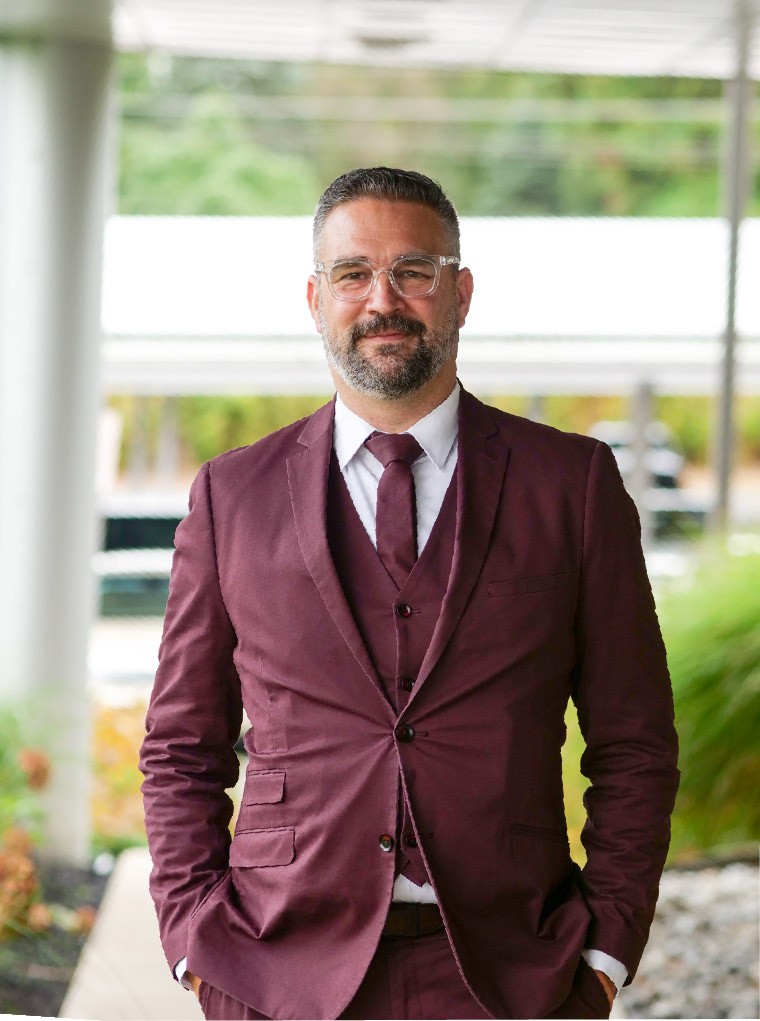
Growing evidence suggests that many of acupuncture’s clinical effects can be explained through endogenous physiological and molecular mechanisms, often demonstrating efficacy comparable to conventional treatments with a low incidence of adverse effects. This course explores the epigenetic mechanisms underlying acupuncture, with a particular focus on the modulation of sirtuins and other gene-regulatory pathways. We will examine how acupuncture influences epigenetic expression to support cellular resilience, regulate inflammation, improve metabolic function, and delay apoptosis. Understanding these mechanisms provides a modern biomedical framework for acupuncture’s role in both disease treatment and preventive care through optimization of cellular health.
Biography
Dr. Michael Beys is the owner and head acupuncturist of Acupuncture Health Services, with over 20 years of clinical experience integrating traditional East Asian medicine with modern biomedical research. His work focuses on pain management, neurological and metabolic disorders, women’s health, and preventive medicine. Dr. Beys is passionate about advancing the scientific understanding of acupuncture, particularly its role in epigenetic regulation and long-term cellular health, and regularly educates both patients and practitioners on evidence-informed acupuncture care.
Abstract
Constitutional hydrotherapy is a traditional naturopathic therapy rooted in historical medical systems that emphasized health as a state of balanced circulation and harmonious movement of bodily fluids. Ancient healing traditions described disease as arising from stagnation, imbalance, or improper distribution of internal fluids, concepts that parallel modern understandings of impaired circulation, inflammation, and autonomic dysregulation. Although widely utilized in early nature-cure medicine, constitutional hydrotherapy has received limited attention within contemporary scientific discourse despite plausible physiologic mechanisms. The therapeutic application of alternating heat and cold produces sequential vasodilation and vasoconstriction, generating dynamic changes in peripheral circulation and vascular tone. Heat exposure promotes increased blood flow, metabolic exchange, and smooth muscle relaxation through vasodilatory pathways, while cold stimulation induces transient vasoconstriction followed by rebound vasodilation and parasympathetic activation. This rhythmic vascular response functions as a form of vascular conditioning that may enhance endothelial responsiveness, stimulate baroreceptor activity, and support autonomic nervous system regulation. Hypertension, increasingly recognized as a disorder involving chronic sympathetic activation and reduced autonomic flexibility, provides a relevant clinical framework for examining these effects. Rather than acting through direct pharmacologic suppression, constitutional hydrotherapy may support cardiovascular health by restoring physiologic adaptability and regulatory balance. This presentation examines constitutional hydrotherapy through both historical and modern perspectives, translating traditional concepts of fluid equilibrium into contemporary models of vascular physiology and neurocardiovascular regulation. Reconsideration of this foundational naturopathic therapy may broaden non-pharmacologic strategies for cardiovascular care and highlight the ongoing relevance of traditional medical practices within integrative medicine.
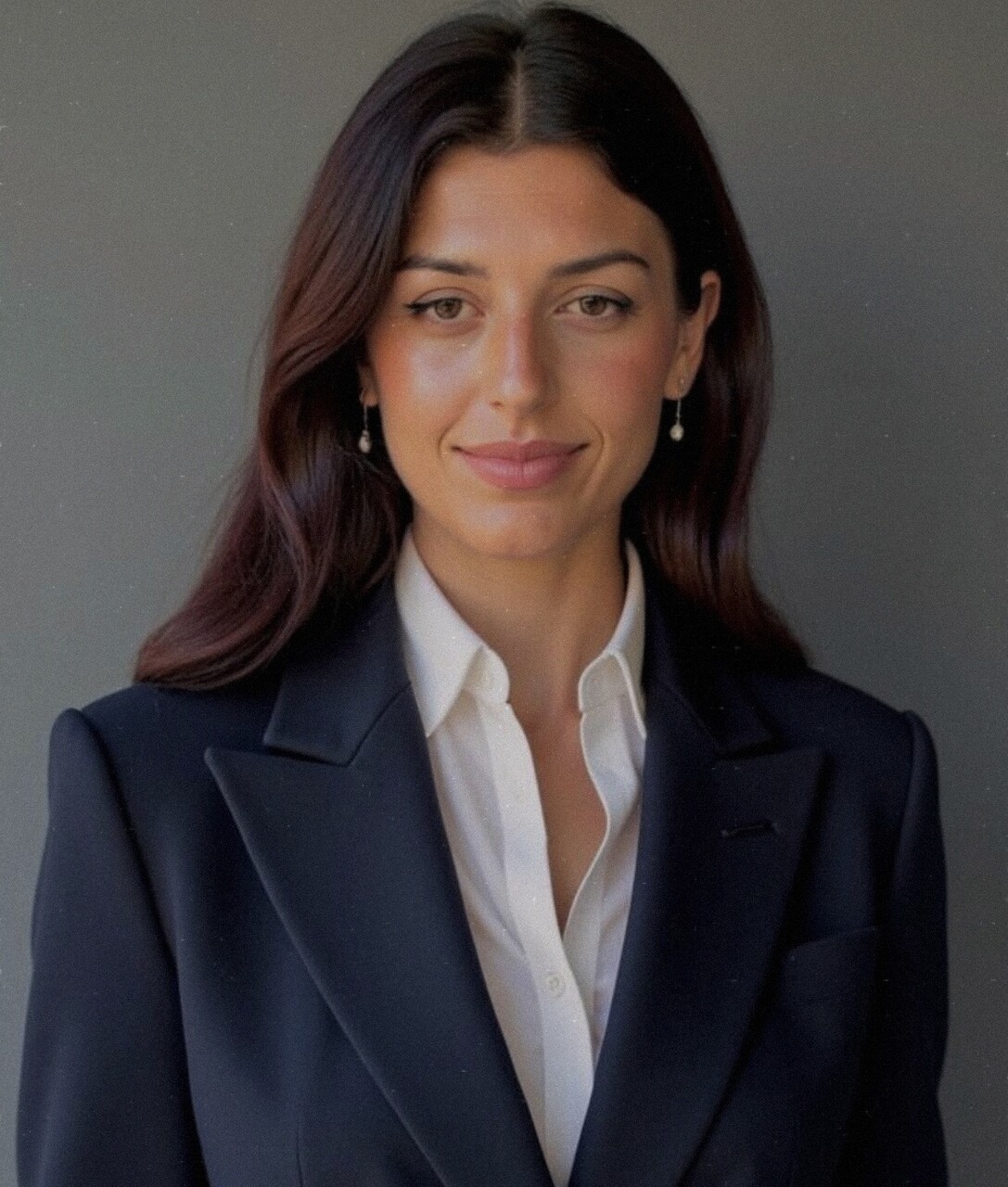
Biography
Dr. Fjorda Jusufi is a Naturopathic doctor who believes in treating more than symptoms—she treats people. With a background in Molecular and Cellular Biology, she helps patients restore vitality and resilience from the cellular level up, honoring the body's innate ability to heal while addressing every obstacle standing in the way. What drew Dr. Jusufi to naturopathic medicine was its unique blend of ancient wisdom and modern science. She's captivated by the therapeutic order—a structured approach that prioritizes fundamentals like nutrition, lifestyle, and environment before considering higher-force interventions. This philosophy of treating the whole person and uncovering root causes, rather than just managing symptoms, allows her to create truly individualized care plans that address the physical, emotional, and spiritual dimensions of health. Beyond the clinic, Dr. Jusufi finds balance through travel, time in nature, and sharing nourishing meals with family and friends. She practices what she preaches, engaging in mindfulness and embodiment work that keeps her grounded. Above all, she's committed to creating a judgment-free space where patients can shed shame, embrace their authentic selves, and move forward with confidence on their path to lasting wellness.
“ Will be updated soon...”