Abstract
This will be a presentation of real crime scenes and the management of efforts bringing together the forensic experts and the investigative personal to solve real cases. Having lead the Homicide Department department unlike CSI and other programs, police fail to collect and properly analysis a crime scene which I will demonstrate. We need to in terpret crime scenes. Sloppy police investigations, lazy forensic personnel team up to reduce the ability to solve cases with solid evidence. The research profession needs to catch up with policing, corrections and juvenile jus tice, and define a role for itself in the problem solving process. The research community needs to find ways to bring its analytical skills, its objectivity, its rigor, its independence, its ability to link theory and practice, into the messy arena of contemporary practice. Although we have made progress, the need is tremendous.
Biography
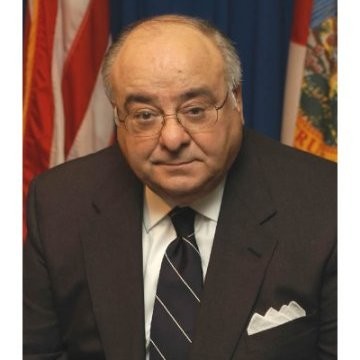
Anthony Schembri is a respected law enforcement and academic professional with over four decades’ experience in the field. Over the years, he has drawn praise from such varied sources as New York City Mayor, President Jimmy Carter, Florida Governor Jeb Bush, and New York Governor Mario Cuomo. First appointed to the Brooklyn District Attorneys Office he advanced to Deputy Chief of the Narcotics Bureau, then to Director of Training at the District Attorneys Police Academy. Anthony Schembri has served as the city’s Deputy Inspector General, investigating cases of major crime and corruption. He was appointed by the Mayor of New York as Corrections Commissioner, a position putting him in charge of 12,000 uniformed officers and 20,000 inmates at 19 separate jail facilities. Today, the Citrus County, Florida, resident serves as a Visiting Professor at Oxford and Sheffield Hallam University and named Outstanding Professor of the Year at the University of Florida.
Abstract
DNA profiling represents a fundamental tool in forensic investigations, especially in cases involving highly degraded, altered, or limited biological evidence. Dental tissues are considered one of the most valuable sources of genetic material in challenging scenarios due to their physical characteristics,which provide protection against external insults and degradation processes. Nevertheless,pathological changes and exposure to extreme environmental conditions may influence DNA preservation and subsequent forensic analysis.This study is a proof of concept to investigate the performance of forensic DNA typing from dental samples subjected to different challenging conditions. Teeth affected by pathological alterations,including carious lesions, periodontal damage, and previous endodontic procedures, were analysed together with samples exposed to controlled thermal stress at different temperatures and exposure times. Following DNA extraction and quantification, STR-based profiling was performed to evaluate DNA quality, profile completeness, and suitability for forensic identification purposes.The results confirm that dental tissues may preserve sufficient genetic information for successful STR typing despite significant structural damage or heat exposure. These findings highlight the value of teeth as a reliable substrate for forensic genetic analysis and provide relevant insights for human identification in complex post-mortem cases, including thermally altered and compromised remains.
Biography
Senior Lecturer in Forensic Biology and Genetics and in Forensic Medicine, with consolidated academic experience in undergraduate and postgraduate university programs in Italy and internationally, including Spain, Colombia, Bolivia, Malta, and Costa Rica. Academic activities are primarily focused on university teaching, international scientific collaboration, and participation in multidisciplinary research and applied forensic science projects.Extensive international collaborations have been established across Europe and Latin America,including Italy, Spain, and Chile, involving universities, forensic laboratories, research institutions,and industry partners. These activities have been developed within both academic and applied frameworks and include collaborative research initiatives and projects aimed at technology transfer and methodological innovation in forensic science. This work has contributed to strengthening interactions between academic research, forensic practice, and industrial stakeholders, with particular emphasis on the development and implementation of innovative analytical approaches.Previous professional roles include Director of the Forensic Genetics Department at SIMEF (Italy) and forensic DNA expert consultant for Italian civil and criminal courts, with contributions to forensic casework in collaboration with national and international law enforcement agencies, including Italian Police Forces and UK Police. Additionally, activities include service as expert evaluator for the European Research Executive Agency (REA) of the European Commission.Author of more than 200 scientific contributions, including 84 publications indexed in Scopus, with regular involvement in peer-review activities for international scientific journals and publishers,including Springer, Elsevier, and Taylor & Francis. Scientific evaluation activities also include the assessment of book proposals, research projects, and contributions to editorial activities as Editor-in-Chief, Editorial Board Member, and reviewer for international journals in forensic science.Active participation in the organization and scientific development of international conferences,courses, and webinars in forensic science, including roles as scientific committee member, session chairperson, and invited speaker. Participation has also included doctoral examination committees and international scientific award panels.Recipient of several international awards and recognitions in the field of forensic biology and genetic.
Abstract
An Evidence-Adaptive Framework Across Victims, Witnesses, and Suspects
Forensic practitioners are often required to derive psychologically meaningful interpretations from video evidence under diverse conditions, including silent or audiovisual material, limited camera perspectives, incomplete contextual information, absence of prior behavioral baselines, and cases involving both adult and juvenile subjects. However, conventional criminal profiling training lacks a standardized methodology for nonverbal analysis applicable across the full spectrum of forensic roles and evidence types encountered in practice. This challenge extends beyond suspect interrogation. Profilers may be required to analyze a victim’s behavior in prior recordings, evaluate the congruence between a witness’s verbal and nonverbal behavior, assess a suspect during recorded interviews or prosecutorial reconstructions, or compare behavioral patterns across multiple recordings. Existing methodologies were typically developed for specific operational or research contexts and are not readily transferable to all forensic scenarios. This presentation addresses the identified methodological gap by proposing an evidence-adaptive forensic approach that distinguishes observation from interpretation, calibrates conclusions to the specific context and developmental stage, and explicitly articulates evidentiary limitations. The objective is not to achieve automatic deception detection or psychiatric diagnosis, but rather to enable transparent and defensible psychological inference based on observable behavior.
Biography
Criminal Investigative Analyst Criminal Intelligence Analyst Geographic Profiler GPA I Certified Anti-Terrorism Specialist.
Abstract
Mitigation interviews require more than attentive listening; they require the ability to recognize how trauma, stress, culture, and trust are communicated through the body. This presentation examines the practical and ethical use of nonverbal communication in mitigation specialist interviews, emphasizing that body language should never be interpreted through isolated gestures or stereotypes. Instead, specialists should establish a behavioral baseline, observe meaningful deviations, identify clusters of verbal and nonverbal behavior, and consider the context in which those changes occur. Key topics include rapport-building signals, defensive and self-protective postures, stress and anxiety indicators, micro-expressions, paralanguage, eye behavior, hand gestures, proxemics, and trauma-related nervous system responses. Particular attention is given to verbal–nonverbal mismatches, including emotional masking among trauma survivors, and to the limitations of using gaze aversion or other single cues as evidence of deception. The presentation also addresses the importance of cultural competence, recognizing that eye contact, silence, posture, and emotional expression vary significantly across cultures and should not be judged through a universal standard.The mitigation specialist’s own body language is presented as a central component of the interview process. Open posture, calm pacing, appropriate silence, and regulated breathing can help create psychological safety and support fuller narrative disclosure. Participants will also learn how to document observations using descriptive, non-interpretive language that can guide follow-up interviews, collateral investigation, referrals, and expert preparation.Attendees will leave with a structured framework for preparing the environment, responding during emotionally charged moments, and planning informed, compassionate follow-up after each interview. Ultimately, the goal of reading body language in mitigation is not to catch a client in deception, but to better understand what has not yet been spoken. When used carefully, ethically, and in context, nonverbal communication becomes a powerful tool for building trust, recognizing distress, and uncovering the life history that informs the client’s story
Biography
Dr. Marian Swindell is a full professor of social work at Mississippi State University–Meridian with 25 years of experience in higher education, curriculum development, forensic practice, and professional training. She was the first teaching social work professor in the MSU Social Work Department to earn tenure and promotion to full professor. Dr. Swindell holds an MSW and PhD in Social Work and has experience in trauma, forensic social work, child welfare, healthcare, hospice, and behavioral health.Her professional work includes conducting and presenting research on adverse childhood experiences, criminal behavior, mitigation, nursing home abuse, neuroplasticity, bullying prevention, and trauma-informed practice. She has interviewed individuals on death row and provided training to legal, social service, healthcare, and professional audiences. Dr. Swindell is also a CSWE site visitor and consultant who assists social work programs with curriculum design, accreditation, and program development. Her work emphasizes ethical practice, human behavior, trauma, and justice.
Abstract
Graphology is the study and analysis of handwriting to infer a person's character, personality traits, and psychological state. It is based on the idea that handwriting is a "brain-writing" process—an unconscious expression of the self through fine motor movements. This presentation examines how graphology interprets handwriting for signs of malevolence and presents examples of specific traits and letters written by prominent figures associated with it. While it is widely used in recruitment, self-discovery, and historical research, it is important to distinguish it from Forensic Document Examination (FDE), which is the scientific side of handwriting analysis. How it "Helps" the Scientific & Legal World Graphology is considered a pseudoscience because its claims about personality haven't been supported by consistent, double-blind scientific testing. Even so, the techniques used to analyze the physical structure of writing remain important to science and law in distinct ways. Within graphology, some practitioners propose that certain handwriting features may correlate with underlying emotional or behavioral tendencies. For instance, markedly heavy or blotting pen pressure is sometimes interpreted as reflecting heightened emotional intensity, which may include tension, frustration, or difficulty with emotional regulation. Likewise, predominantly angular, sharp, or pointed stroke formations, rather than rounded letterforms, are occasionally associated with a more critical, assertive, or guarded interpersonal style. Additionally, irregular or unstable baselines, particularly when accompanied by inconsistent spacing or a disorganized layout, may suggest internal variability or reduced cognitive or emotional consistency. It is important, however, to approach these interpretations with caution and intellectual humility. Constructs such as “malice” are multifactorial, context-dependent, and not operationally defined by isolated physical traits such as handwriting characteristics. While graphological descriptions may offer interpretive frameworks, they do not provide reliable or valid measures of personality or intent in a scientific context.
Biography
Zaida Guajardo, has completed her Master's in Criminal Profiler in Alicante, Spain, at the School of Criminología y Criminalística. She holds a bachelor's in Criminal Justice from National University College, with a focus on forensic investigations. Graphology and Graphoscopier in Colegio Mexicano de Grafologia y Criminalistica , Diploma in behavioral disorders in children and adolescents from the Mexican Federation of Criminology and Criminalistics Diploma in behavioral disorders in adults from Mexican federation of Criminology and Criminalistics among some other specialties in graphology
Abstract
This research examines the neurobiological, psychological, developmental, and social mechanisms underlying homicidal behavior. Drawing on 30 peer-reviewed sources spanning neuroscience, forensic psychology, developmental psychopathology, and criminology, this review synthesizes research across four major domains: (1) neurobiological substrates of violence, including prefrontal dysregulation and amygdala hyperreactivity; (2) developmental and trauma-related pathways, including adverse childhood experiences and attachment disruption; (3) psychopathological dimensions, including psychopathy, antisocial personality disorder, and dissociation; and (4) cognitive and social-learning mechanisms, including executive dysfunction, dehumanization, and moral disengagement. The evidence converges on a multifactorial model in which genetic predispositions, early environmental exposures, trauma, and cognitive distortions interact dynamically to produce a subset of individuals capable of lethal violence. Clinical, forensic, and policy implications are discussed throughout.
Keywords: homicide, neurobiology, psychopathy, adverse childhood experiences, moral disengagement, prefrontal cortex, amygdala, violence prevention, social learning
Biography
Dr. Mike L. Gurley: Confirmed as Lecturer of Criminal Justice at University of Tennessee at Martin (UTM) since 2023. Previously at University of Memphis (2016-2023). Holds Ph.D. from Northcentral University, M.S. from Saint Leo University, B.A. from Ashford University. Has 32 years of law enforcement experience and a graduate of the University of Tennessee National Forensics Academy
Abstract
Quality Assurance is a crucial component of forensic science laboratories. A strong Quality Assurance program provides consistency, oversight, and accountability. Quality Assurance professionals work diligently to create frameworks that identify risks and opportunities while ensuring laboratories comply with all accreditation requirements.
The Association of Forensic Quality Assurance Managers (AFQAM) has partnered with the National Forensic Science Academy (NFSA) to develop a certification course and examination. The AFQAM Ad Hoc Committee is currently developing the content for this certification program. I would like to provide an overview of the Quality Assurance certification training program and examination so that attendees can help spread the word within the forensic community.
Biography
Lisa Glazer graduated from the University of New Haven in 2006 with a bachelor’s degree in Forensic Science and a bachelor’s degree in Chemistry. She became certified in Seized Drug Analysis by the American Board of Criminalistics in 2025. Lisa has worked as a drug analyst for the Commonwealth of Massachusetts for 19 years in two different laboratories and has testified in numerous courts throughout the Commonwealth. She is currently the Forensic Chemist/Quality Lead at the UMass Chan Medical School Drugs of Abuse Laboratory, where she is responsible for the laboratory’s quality management system. Lisa is a member of the Association for Forensic Quality Assurance Managers (AFQAM) and is currently serving on a committee developing a certification for Forensic Quality Professionals.
Abstract
Photography, in essence is the recording of light (visible and invisible). This presentation is a survey of light and how the forensic photographer can leverage the properties of light and wavelengths of light in various spectra. The emission, absorption, transmission, and reflection of light will be reviewed in the visible, ultraviolet, and infrared spectrums. The inverse square law, law of reflection, angles of incidence, intensity, diffusion, refraction, diffraction, and polarization of light are among the properties that will be discussed in the applications of forensic photography.
Biography
Gerald Narowski recently retired as Chief of Police of the Derby Police Department (CT). Initially, he was assigned to the Patrol Division and later to the Detective Division, where he became the Commanding Officer. As a working supervisor, he managed all death investigations and crime scenes. During his tenure managing the Detective Division and as the Executive Officer of the agency, he was also one of a handful of IAI Certified Senior Crime Scene Analysts in the state. He has been an adjunct faculty member of the Forensic Science Department at UNH Henry C. Lee College of Criminal Justice and Forensic Sciences since 2001. After a 36-year law enforcement career, joined the university as a full-time Professor. Professor Narowski has trained and lectured at several police academies, universities, in-service training courses, and presented at several professional conferences. His specialty areas include forensic photography, digital image processing/clarification, alternate light energy, crime scene processing/reconstruction, fingerprints, and criminalistics.
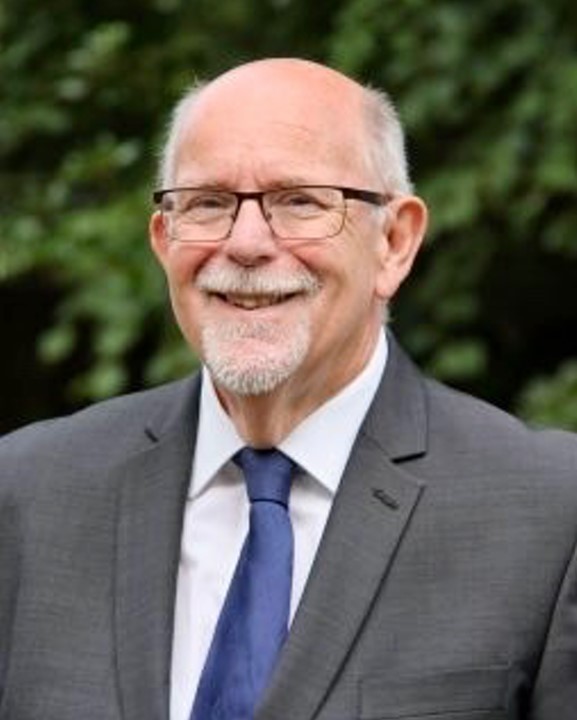
Abstract
The presentation evidences the first Forensic Intelligence Unit in the UK covering North East London probably the first forensic intelligence unit in the world as it was operating from 1996, years before academic papers were published about the concept. Featured is a photographic record of its operation from its beginnings as a concept by Robert Milne in 1987 with images and a artefact from the time. By 2002 it had developed into the Forensic Intelligence Unit Territorial Policing Metropolitan London & by 2006 became the Forensic Intelligence Desk in the then new Met Police Intelligence Bureau ( MIB). The unit operating under the UK National Intelligence Model ( NIM). In the early 2000s the presenter was visited in the Forensic Intelligence Unit in London by Olivier Ribaux ( Now Prof Ribaux) from Lausanne University, who was researching forensic intelligence and brought details of a pioneering police forensic intelligence project in Switzerland. So the presenter found he was not alone in developing this concept.
Biography
Professor and Dean of Applied Sciences European Forensic Institute. Between 1969 and 2008, he had a full career as a practitioner with the Directorate of Forensic Services New Scotland Yard, in the roles of Fingerprint expert, Crime scene Investigator, Crime Scene manager and Crime Scene Coordinator. In project management he created modern sequential treatment laboratories designed to deal with the volume crime in London and pioneered the concept of Forensic Intelligence. He set up one of the world’s first Forensic Intelligence Units in 2001 and was the Head of Forensic Intelligence Metropolitan Police until 2008. He has the Kings College London University Diploma in Crime Scene Investigation and Fingerprint Expertise. He developed the wireless, three electrode, method of electrostatic dust mark lifting, the Pathfinder’ now used worldwide. In 2012 he published the textbook ‘Forensic Intelligence’ CRC Press. In 2018 he joined the European Forensic Institute as a lecturer and was invited to lecture on Forensic Intelligence at the Istituto Di Scienze Forense, Corporate University, Milan. In 2021 he was awarded a Professorship in Criminology, Forensic Criminology and Forensic Intelligence and awarded the role of President of the Istituto Di Scienze Forense University Milan. In February 2024 the university renewed his professorship. He has been a member of the Chartered Society of Forensic Sciences (CSFS) since 1983, and in October 2024 was elected as the Honorary Editor of the CSFS.
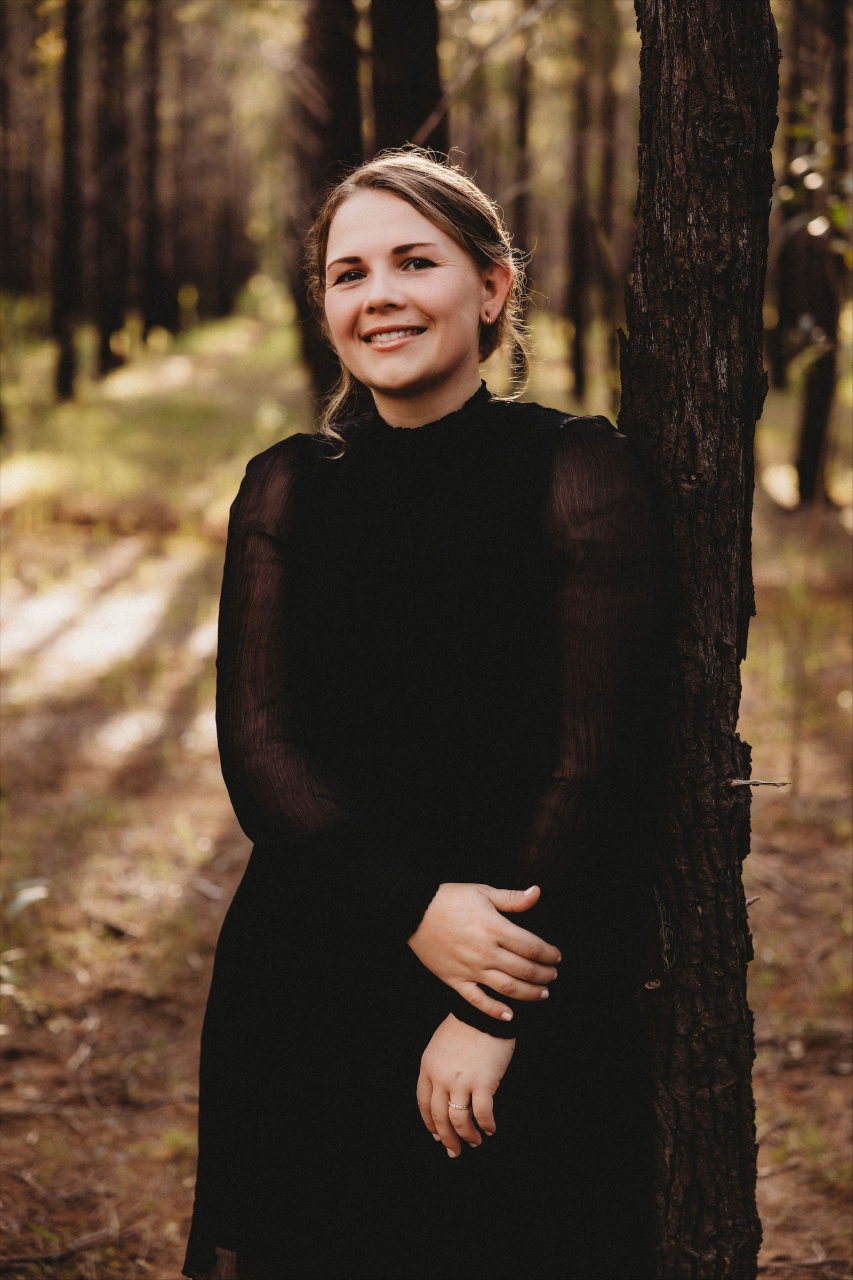
Abstract
Forensic science is undergoing a period of unprecedented transformation, driven by advances in analytical technologies, digital innovation, and multidisciplinary collaboration. As forensic laboratories evolve to meet increasing demands for efficiency, reliability, and scientific rigor, the integration of emerging technologies is reshaping the future of evidence examination and interpretation. Furthermore, fundamental forensic methodologies are being subjected to increasing scientific, legal and societal scrutiny, placing greater emphasis on validation, transparency and evidential reliability.The presentation will discuss the author’s ongoing doctoral research focused on identification, characterisation and isolation of spermatozoa. The thesis includes investigating the use of Imaging Flow Cytometry and Cell Sorting (IFCCS) as a potential future operational technology for analysis of trace biological evidence, including complex mixtures. In a contemporary IFCCS workflow, cell mixtures are tagged with fluorophores and passed through a channel for laser excitation, followed by sorting based on charged variation during which cell-specific images are captured. The BD FACSDiscovery™ S8 Cell Sorter with CellView™ Image Technology IFCCS instrument has been developed with machine learning assisted cell imaging and sorting for high throughput workflow implementation. The instrument capability includes imaging and counting of cells in a heterogeneous mixture, followed by cell sorting into two or more homogeneous subsamples. A pilot study demonstrated the imaging and counting capability of the instrument with unstained heterogenous cell mixtures created using vaginal secretions and semen. Cells were then sorted to collect 2,000 spermatozoa and 2,000 vaginal epithelia into separate collection tubes for subsequent DNA extraction and profiling. This project is part of an ongoing industry PhD and further work aims to fully validate this instrument for use in operational forensic biology casework.
Biography
Laura has been a casework Forensic Scientist in three state laboratories across three jurisdictions in Australia. Laura is currently employed as a Senior Forensic Research Scientist at Forensic Science Queensland (FSQ), specialising in evidence examination, analysis and the application of emerging forensic methodologies. She possesses a robust background in biological evidence examination, sampling and testing, examination of crime scenes and human remains recovery. Laura is currently enrolled in an industry PhD focused on identification, characterisation and isolation of spermatozoa. Currently contributing to FSQ's operational workflow improvements Laura leads projects emphasising rigorous analysis alongside innovation in forensic practices.
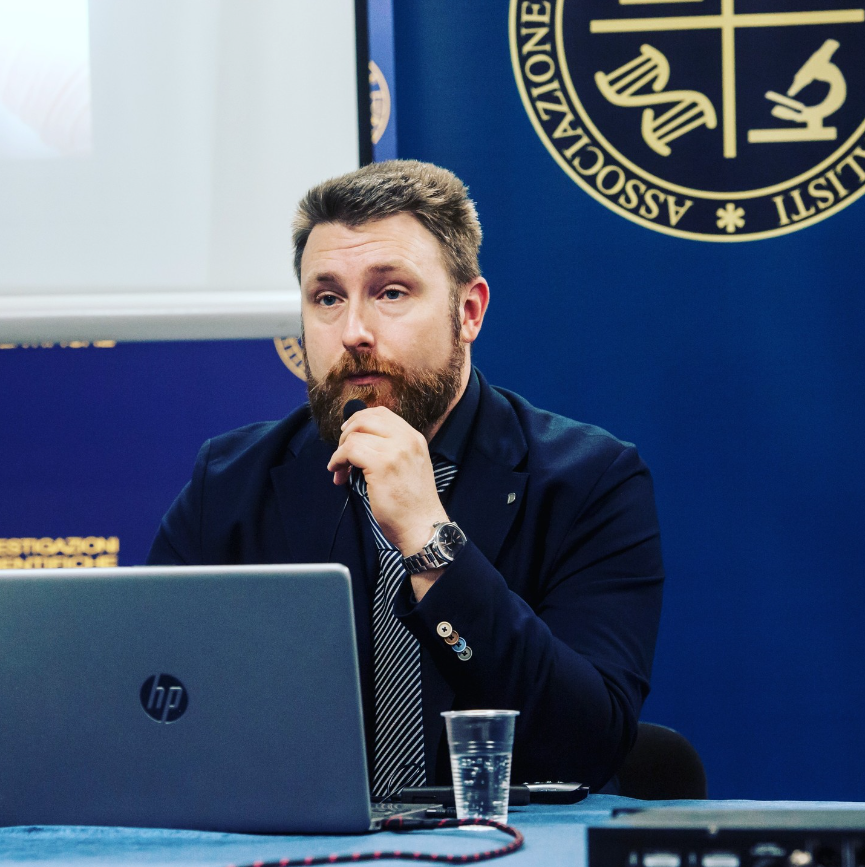
Abstract
The widespread adoption of hardened encrypted communication platforms has significantly increased the complexity of modern transnational criminal investigations. Operations targeting services such as EncroChat, SkyECC and ANOM have demonstrated how organized crime networks rely on customized secure devices and protected infrastructures to coordinate illicit activities across jurisdictions while attempting to reduce digital traceability. These developments have transformed digital evidence acquisition into a cross-border challenge requiring large-scale data collection, coordinated law enforcement cooperation, and advanced forensic methodologies.
This presentation examines the investigative implications of analysing datasets originating from disrupted encrypted ecosystems. Particular attention is given to the issue of defence access to original or raw data. Defence teams have been provided primarily with filtered or pre-processed datasets, often resulting from complex decryption, extraction and analytical workflows conducted during large-scale law enforcement operations.
By discussing methodological, technical and legal considerations, the session highlights how forensic practitioners and investigators can address challenges related to evidence validation, disclosure obligations, and fair trial guarantees in cross-border cases involving encrypted criminal communication platforms.
Biography
Digital Forensic Consultant and Cybersecurity Expert supporting Law Enforcement, Judicial Authorities, and legal teams in the acquisition, analysis, and interpretation of digital evidence. He contributes to complex cross-border investigations, including cases involving encrypted platforms such as SkyECC. Programme Leader for the Master’s in Cyber Security, Digital Forensics & Crime Analysis at the European Forensic Institute (Malta) and Lecturer at the University of Perugia (Italy).
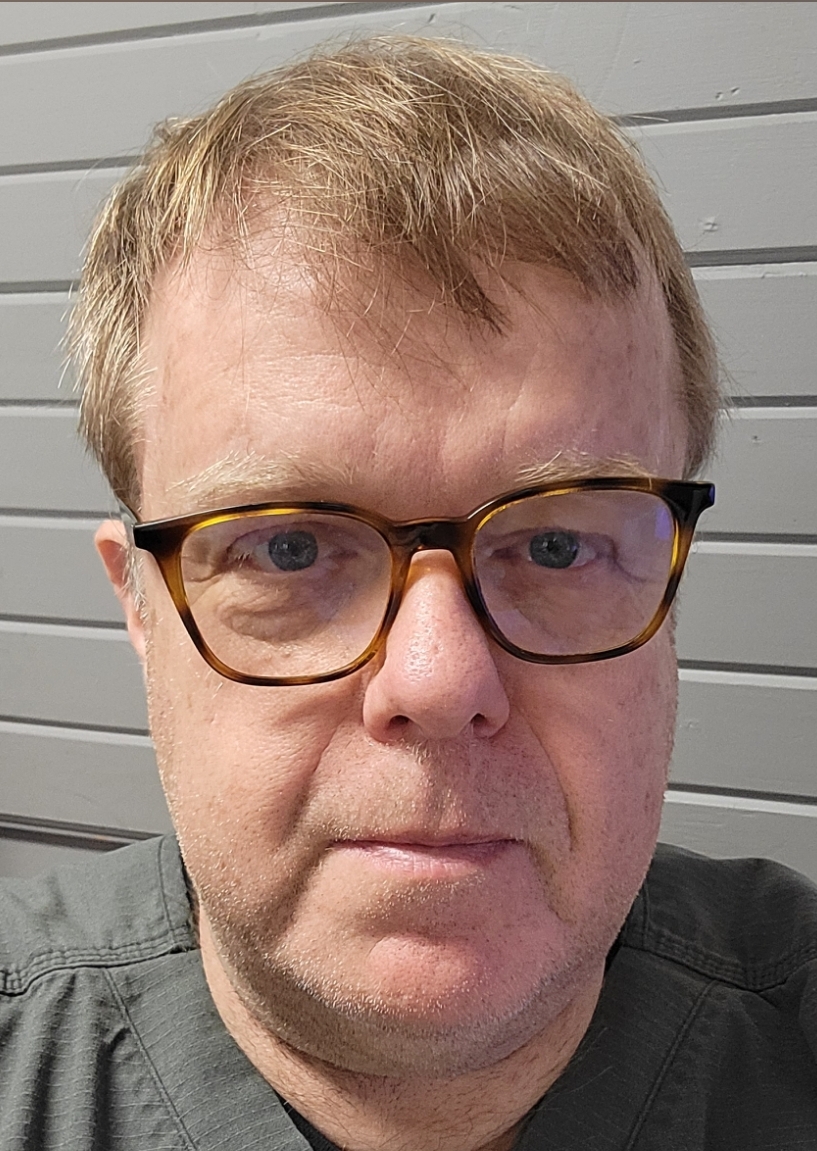
Abstract
The manufacture of humanoid robots with embedded artificial intelligence and for sexual purposes has generated some debates within bioethics, in which diverse competing views have been presented. Themes such as sexuality and its deviations, the objectification of women, the relational problems of contemporary life, loneliness, and even the reproductive future of the species constitute the arguments which have emerged in relation to this subject. Based on these themes, this article presents the current state of the use of female sex robots, the bioethical problems that arise, and how bioethics could serve as a medium for both thinking about and resolving some of these challenges.
In the USA, forensic nurses in ER’s are now dealing with intimate partner violence related to sex with robots, where the robots are beaten violently. Can AI Girlfriend Robots Bring a New Wave of Women's Objectification? When violence becomes acceptable in a robot relationship, it can normalize similar behavior toward real people.
This AI revolution is happening at a dangerous moment in the United States—when women's rights are under threat and there is no hope for strict AI regulation. So, rising polarization in America – including along gender lines –risks being further intensified by this emerging technology. Can a robot be raped?
Biography
Dr. James graduated from a one-year course, McGill University, Dental Forensics Program; part on-campus training with the Surete du Quebec Forensics Team. Dr James is focusing on Child Abuse, Elderly Abuse, Human Trafficking, and Intimate Partner Violence. He also gives educational PowerPoint presentations on these topics. Also, trained at University of Tennessee, Body Farm, and Clandestine Grave Recovery. Dr Frizzell’s motto is: “The Power of Observation”, in the forensic’s world.
Abstract
The scientific study of changes that occur in the human body after death, aiding in death investigation, is forensic taphonomy. The field enables forensic experts to estimate the post-mortem interval, reconstruct events surrounding death, and identify the cause as well as manner of death. The progression of human decomposition comprises five stages, namely fresh, bloating, active decay, advanced decay, and skeletonisation, each of which is characterised by distinct physical, biological, and chemical changes. Insect succession, particularly the activities of maggots, flies, beetles, and mites, also tends to provide valuable evidence for estimating the time since death, making forensic entomology a complementary discipline. Various factors such as age, body weight, clothing, and environmental conditions influence the rate of decomposition. The process of decomposition in aquatic environments follows a similar pattern with an additional stage. Understanding these processes can help forensic investigators develop a scientifically supported hypothesis to interpret post-mortem changes accurately and improve the reliability of medicolegal investigations.
Biography
Ms Varsha AR is a forensic enthusiast with profound knowledge in the field of forensic science.She has done her B.sc Forensic science from Annai Fathima College of Arts and Science, Madurai, Tamil Nadu, India And her masters in forensic science from Kerala Police Academy, Thrissur, Kerala, India.She has published numerous books and articles both in national and international journals on various topics of forensic science ranging from forensic psychology to forensic archaeology and also cybersecurity.She has presented her remarkable work in National and International conferences and is also engaged as a peer reviewer for reputed journal.She is an upcoming forensic expert with keen interest in the developments of forensic science
Abstract
Forensic podiatry is a novel sub-field of Forensic Science in Nigeria that combines anatomical, biomechanical and pathological knowledge for the analysis of footprints. Forensic podiatrists assess congenital and accidental foot anomalies for the purpose of human identification. The emerging intersection between forensic podiatry and artificial intelligence from the perspective of a Nigerian forensic anthropologist, highlights both regional trends and inherent pitfalls. In Nigeria, where mass disasters, clandestine graves, and decomposed remains are common, foot-based identification—such as analyzing footprints, gait patterns, or shoe wear—offers a non-invasive, cost-effective tool compatible with low-resource settings. The integration of AI, particularly deep learning and convolutional neural networks, promises enhanced accuracy in classifying footprint morphology, estimating stature from foot dimensions, and matching barefoot prints to suspects; a trend gaining traction in Nigerian academic and criminal justice pilot studies. However, significant pitfalls persist like algorithmic bias due to under-representation of Nigerian foot anthropometry in training datasets, limited digital infrastructure, and lack of local validation studies. The excessive reliance on AI without contextual skeletal or soft tissue assessment risks false positives, especially in cases of foot deformities, child remains, or post-mortem changes. Ethical concerns around data sovereignty and the absence of forensic AI regulations in Nigeria complicate the adoption process. Consequently, while AI-enhanced forensic podiatry holds promise for identification in disaster victim identification and sexual assault cases involving footprints, its current pitfalls demand a hybrid, expert-led approach. There is need for culturally tailored AI models, interdisciplinary collaborations, and rigorous empirical testing before routine implementation in Nigerian forensic casework.
Biography
Christabel Francis is an Assistant Lecturer at the department of Anatomical Sciences, University of Calabar, Nigeria. She obtained her first degree in Anatomy from the department of Anatomical Sciences in 2018. She proceeded to get a Master's degree in Forensic Science (Forensic Taphonomy) at the University of Kent, United Kingdom in 2023. She is a passionate Forensic Scientist who would like to push the frontiers of the field in Africa. Her short-term goal is to mentor young scientists who are willing to take Forensic Science as a career path in Nigeria. She intends to establish a private Forensic Crime Laboratory in Nigeria in the near future
Abstract
The various examples of forensic entomology are examined in this presentation. Most people when asked about forensic entomology imagine various flies and beetles because they are familiar with homicide investigations and TV shows; some will have knowledge of the 3 major disciplines in forensic entomology including Urban Entomology, Stored Products Entomology, in addition to the aforementioned Medicolegal Entomology or Medicocriminal Entomology (formerly Forensic Medical Entomology). The presentation today deals with insects that can be found at various locations depending on the crime scene and what business is present at that location with respect to food processing and food service, plumbing issues, sanitation and hygiene of various sorts associated with improper or misunderstood cleaning techniques. Depending on the crime scene, various “atypical” insects might be active, and their presence could be attributed to commercial and personal food storage and preparation, unforeseen plumbing issues, cleaning and washing techniques, plus other procedures deployed in manufacturing facilities, structural and architectural building issues, and normal employee behaviors that initiate introduction and propagation of certain pest species. Of course, houses and apartment buildings as well as hospital patient rooms and surgeries occasionally can exhibit insect infestations to varying degrees. Surgeries can have drain infestations and waiting rooms may become infested with cockroaches, moths, beetles, bed bugs and occasionally with human body, head and pubic lice. Crime scenes may have bed bugs, parasitic lice, mites and ticks and even cockroaches. These arthropods may certainly harbor blood from victims present at the scene or from perps who have fled the scene.
Biography
Louis Sorkin received his Master of Science in Entomology from the University of Connecticut, at Storrs and began his entomological career of over 43 years in the Department of Entomology (Division of Invertebrate Zoology) at the American Museum of Natural History, New York City, working on arachnid systematics, parasitic arthropod species (especially the common bed bug, Cimex lectularius) and insect cuisine. He also curated the extensive, preserved arachnid and myriapod collections housed at the museum and collaborated with researchers around the world. He has worked with law enforcement and pest management companies and has taught recertification courses over the years relying on forensic entomology and proper identification and ecology to manage and control pest species. He is the principal entomologist and founder of Entsult Associates, Inc.
Abstract
This study examines the legal implications of the defendant's participation in crime scene reconstruction examinations under Article 7 of the Brazilian Code of Criminal Procedure. Based on empirical observations collected by the author while serving as a Criminal Forensic Expert at the General Institute of Forensic Sciences of Rio Grande do Sul (IGPRS), the research analyzes reconstruction procedures conducted between June 2013 and July 2014. The study investigates whether crime scene reconstruction should be understood not only as an investigative technique but also as an evidentiary mechanism capable of strengthening the constitutional guarantees of due process, the right to present evidence, and the right to a full defense. Although defendants are entitled to remain silent under the principle of nemo tenetur se detegere, participation in reconstruction may provide a unique opportunity to present their version of the facts, particularly in cases where no eyewitnesses or surviving victims exist. Empirical findings revealed procedural concerns. In approximately 10% of the analyzed cases, defendants participated while handcuffed and without legal representation. Two case studies further illustrate situations in which defendants were physically restrained throughout the examination despite one participating voluntarily and accompanied by counsel. Such practices raise questions regarding the effective protection of procedural guarantees during the production of forensic evidence. The paper argues that crime scene reconstruction possesses an inherently dual evidentiary function, serving both prosecution and defense. Rather than constituting a merely investigative procedure, it should be recognized as an impartial forensic instrument capable of integrating technical findings and reducing factual uncertainty. Accordingly, Criminal Forensic Experts play a fundamental role not only in producing scientifically reliable evidence but also in safeguarding the defendant's fundamental rights during forensic examinations. The study concludes that greater attention should be given to the procedural safeguards governing defendant participation in crime scene reconstruction as an essential component of fair criminal proceedings
Biography
Andrei R. Portinho is a Brazilian Criminal Expert (Forensic Scientist) with the Rio Grande do Sul Institute of Forensic Sciences (IGP-RS) and has over 15 years of experience in crime scene investigation and forensic analysis. He holds degrees in Law and History, a Master’s degree in Criminal Sciences, an LL.M. in Medical and Health Law, and a specialization in Forensic Archaeology. He is also a professor of Forensic Sciences at the Pontifical Catholic University of Rio Grande do Sul (PUCRS), an author and researcher with publications in forensic science, and has presented lectures and interviews on forensic investigation for both national and international audiences. His current research focuses on crime scene reconstruction, simulated crime scene reenactment, forensic archaeology, and the application of scientific methods in criminal investigations.
Abstract
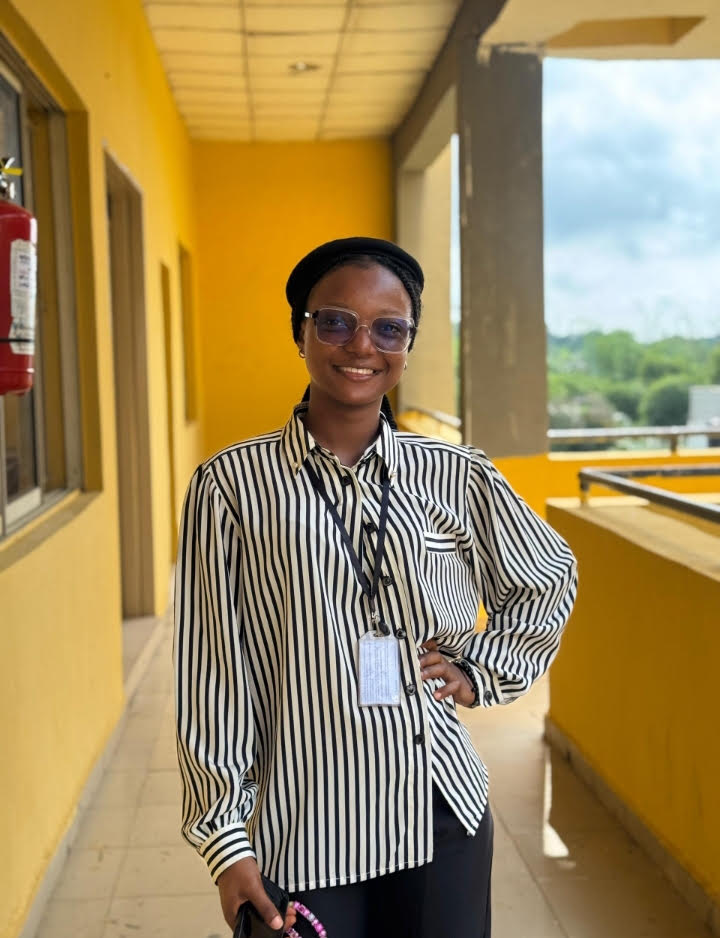
Forensic anthropology plays a crucial role in the identification of unknown human remains,particularly in cases involving skeletonized, decomposed, fragmented, orburned bodies where conventional identification methods are limited. By examining skeletal and dental evidence, forensic anthropologists construct a biological profile that provides vital information about an individual's age at death, biological sex,stature, and ancestry. This profile serves as a scientific foundation for narrowing the pool of possible identities and supporting legal and humanitarian investigations.This presentation reviews the principal methods used in biological profile construction.Sex estimation is achieved through the assessment of sexually dimorphic skeletal features, with the pelvis providing the highest level of accuracy and the skull and long bones offering additional supporting evidence. Age estimation relies on developmental indicators such as dental eruption and epiphyseal fusion in subadults, while degenerative skeletal changes, including those of the pubic symphysis and auricular surface, are commonly used in adults. Stature estimation is performed using regression equations derived from long bone measurements, particularly those of the femur and tibia, while ancestry estimation combines morphological, metric, dental, and molecular approaches to evaluate broad patterns of population affinity.The presentation further highlights the strengths and limitations of these methods,emphasizing that biological profile components are estimates rather than absolutedeterminations and are most reliable when interpreted collectively. It also discusses the integration of forensic anthropology with complementary techniques such as DNA analysis, computed tomography (CT), and digital forensic tools to improve identification accuracy.Finally, the presentation demonstrates the application of biological profile construction in missing investigation,homicide cases, and disaster victim identification,where the careful analysis of skeletal remains contributes to restoring identity,advancing justice, and providing closure for affected families. As forensic science continues to evolve, forensic anthropology remains an indispensable discipline in modern human identification.
Biography
Gift Onyinyechi Opara is a fourth-year undergraduate student of Forensic Science at Olabisi Onabanjo University, Nigeria. Her primary research interests are forensic DNA analysis and serology, forensic toxicology, and forensic anthropology, with a particular focus on integrating these disciplines to strengthen evidence-based human identification and criminal investigations. She is passionate about advancing the Nigerian justice system through the application of reliable forensic science and promoting greater awareness of its role in delivering justice. Beyond academics, Gift actively engages in scientific research, leadership, and community service. She serves in leadership capacities within both her university and faith community and has participated in research activities involving scanning electron microscopy (SEM). She is also involved in forensic science advocacy through educational and media initiatives aimed at increasing public understanding of the discipline. Gift aspires to contribute to innovative forensic research, policy development, and the advancement of forensic practice in Nigeria and beyond.
Abstract
Despite the integration of traditional healing and Western therapeutic treatments in Native American addiction centers, there is virtually no research evaluating their efficacy in this context. Western treatment attempts typically emphasize individuality and illness without regard for broader social and cultural determinants, often resulting in limited success for Native communities. Furthermore, the increasing demand for Evidence-Based Practices (EBPs) has created funding barriers for culturally relevant treatments that have not undergone controlled scientific experiments. This study addresses this gap by measuring the impact of the "Healing the Spirit" (also referred to as "Calling Home the Spirit") Ceremony on the physical, mental, emotional, and spiritual well-being of participants at Friendship House of San Francisco, a residential substance abuse treatment center.Serving as a replication of the Schiff & Moore (2006) sweat lodge study, this research utilized a sample of 28 participants, comparing an experimental group (n=18) that completed the ceremony with a treatment-as-usual control group (n=10). The Heroic Myth Index (HMI) was administered one week before, one day before, and three days post-ceremony to measure shifts in archetypal identification. Results analyzed via the Wilcoxon Rank Sum and Friedman rank sum tests indicated significant positive changes attributable to the ceremony. Specifically, ceremony participants demonstrated a significant increase in affiliation with the Warrior archetype post-ceremony, reflecting enhanced assertiveness, healthy boundaries, and community regard, which are vital for addiction recovery. Within-group analyses also revealed increased identification with the Creator and Sage archetypes, alongside a near-significant decrease in the Orphan archetype (associated with feelings of abandonment and isolation). These findings provide empirical evidence that culturally adapted treatments have a measurable positive impact on Native American clients, helping to bridge the gap between rigorous EBP requirements and the need for culturally congruent healing practices in addiction recovery and rehabilitation.
Biography
Daniel B. Schellenberg, R.D. Psych., MMFT, completed his doctoral studies in Clinical Psychology at the California School of Professional Psychology at Alliant International University in San Francisco. His research focuses on the intersection of evidence-based practices and culturally congruent treatments for Native American populations, specifically evaluating the efficacy of traditional ceremonies in residential substance abuse treatment settings. By investigating tools like the Heroic Myth Index, his work advocates for culturally relevant clinical interventions that bridge the gap between mainstream psychological standards and indigenous paradigms of healing and wellness.
Abstract
This study evaluates whether multispectral imaging (MSI) of wounds and tattoos can be used as a reliable tool for postmortem identification and postmortem interval estimation. To do this, three imaging equipment items were used: Canon Digital Single-Lens Reflex (DSLR); Canon UV-IR Digital Single-Lens Reflex (UV-IR DSLR); and ForensCope SuperSpectral Camera “MSI”. The last one was the most user-friendly and effective at detecting spectral signatures associated with injuries. The results showed that the SuperSpectral camera, using the negative filter, produced the highest contrast and detectability of these injury-related signatures.As the visible appearance of the injuries began to fade due to decomposition, subsurface tissue disruption remained detectable using the negative filter. This suggests that MSI is not only capturing surface-level features, but also underlying tissue damage. Since tattooing was used as a controlled form of injury in this study, these findings support its use as a model for tracking injury throughout the decomposition process.The identification and documentation of antemortem tattoos and injuries plays a critical role in forensic death investigations, as these factors can help with postmortem identification, trauma assessment, and forensic reconstruction. Throughout the decomposition process, the skin undergoes physical and chemical changes that can affect its coloration, elasticity, and thickness. These changes alter the visual and spectral presentation of tattoos and injuries throughout the decomposition process, and it becomes increasingly difficult to determine whether the injuries were created antemortem or postmortem. Most methods for wound and tattoo assessment rely on visual examination and professional experience, which may be subjective and dependent on examiner expertise. Histology is also used in wound assessment, as it allows scientists to study the microscopic structure of tissue samples, but this method is invasive, time-consuming, and not practical in many field settings. Without histology, visual inspection alone is limited by a variety of factors, including lighting conditions, skin tone changes, and tissue alteration that occurs postmortem. Multispectral imaging (MSI) has been identified as a promising non-invasive wound assessment technique that captures data using ultraviolet (UV), infrared (IR), and visible wavelengths of light. MSI has been successfully used to detect bruising and pigment differences in both living and recently deceased individuals, but little research has been done regarding how effective MSI is in detecting spectral signatures created by injuries in decomposing remains. The purpose of this pilot study was to determine whether MSI can detect spectral changes in wounds and tattoos on decomposing pig carcasses. The secondary objective for this study is to develop preliminary predictive models for estimating time since wounding using spectral features extracted from the MSI data. For this study, tattooing was used as the injury application method. The study was conducted at a research decomposition facility at Chaminade University of Honolulu, which is located in Pālolo Valley, Oahu, Hawai’i. The tropical environment at this site is characterized by warm temperatures, high humidity, and variable amounts of sun exposure. Decomposition progression throughout the experiment was also documented using two total body scoring methods (TBS). One of the methods is used for scoring decomposing human remains (Magyesi et al), and the other was adapted for porcine decomposition (Keough et al. 2017). Both of the carcasses were scored separately every 24 hours, and this process was done concurrently with imaging. The areas scored included the head, trunk, and limbs. During this research, the tattoos’ visibility changed throughout the decomposition process, but overall, it supported that tattooing created a physical injury to the skin rather than just adding pigment. Early in the experiment, the tattoos were clearly visible on both pigs while the skin was still intact. As decomposition progressed, the ink became less visible, but the injury created by the tattooing process could still be detected using MSI. The facial tattoos disappeared first, which is consistent with the head decomposing faster than the rest of the body. In the shaded pig, some tattoos, especially on the abdomen, shoulder, and rear, were still partially visible even by Day 10. In the sun-exposed pig, all tattoos were no longer visible by around Day 8 due to faster tissue breakdown.
Conclusions :
The results from this study show that multispectral imaging (MSI) can help improve the detection of injury-related features during decomposition. In this study, tattooing acted as a controlled form of injury, which made it easier to track how injured tissue changed overtime.The results from this study show that multispectral imaging (MSI) has potential as a tool for identifying injuries during decomposition. Using tattooing as a controlled form of injury, it was found that injury sites remained detectable even after the visible pigment began to fade. This suggests that MSI is detecting underlying tissue disruption, not just surface-level ink.
Biography
In 1998, Dr. Carlos Gutiérrez Ayala joined the National Police Academy in Chile, and in 2001, he got his Bachelor's Degree in Public Safety Administration. In 2003 he started his studies in forensic sciences at the same national agency, and in 2004, he became a Deputy Director of the Forensic Lab in the Magallanes Region (State). Between 2008 and 2010, he served as CSI team Leader and Chief of the Forensic Anthropology Lab, leading the identification process for victims of the earthquake (8.8) and tsunami that affected Chile on February 27th 2010. In 2011, he became the Director of the Forensic Lab in the Maule Region (State). In 2014, came to Honolulu as a captain of the Chilean National Police Agency to pursue his Master of Science in Forensic Sciences at Chaminade University of Honolulu. During his studies and after retiring from the force, he worked as a laboratory and teaching assistant, and in 2017, he joined the Forensic Sciences Department as a lecturer. In 2018, he combined his teaching work with his student abilities and began his Ph.D. in Forensic Sciences, focusing his research on Enforced Disappearances in Mexico and training the relatives of the disappeared in Scene Investigation. In December 2019, Carlos was called back to Chile to lead several forensic investigations into human rights violations that occurred in October of that year. He also had the opportunity to work on multiple high-profile criminal cases. At the beginning of 2020, the world was affected by the pandemic; however, during his time in Chile, he worked as a forensic scientist on national TV, wrote a best-selling book based on one of his forensic investigations, obtained his Ph.D. in Forensic Sciences, served as a consultant in the national Chilean congress for a missing person law, and participated as a forensic expert witness in several congressional investigations. In August of 2023, he returned to Chaminade University of Honolulu as an Assistant Professor of Forensic Sciences. In 2024, Carlos was recognized by the Hispanic Chamber of Commerce in Hawaii as Educator of the Year. In March 2025, he won the national “Robert Gaffney award” from the General Section of the American Academy of Forensic Sciences. Since August 2025, Dr. Carlos has been serving as the Director of the Forensic Sciences Department at Chaminade University of Honolulu.
“ Will be updated soon...”