
Abstract
Mechanical behaviour is conventionally understood primarily through material composition, constitutive properties, geometry, and loading conditions. Recent developments in architected materials, mechanical metamaterials, origami engineering, tensegrity, and adaptive structures, however, demonstrate that mechanical functionality can also depend critically on how geometric relations and constraints are organized within a system.
This contribution introduces Geometrically Organized Mechanics (GOM) as a framework for examining systems in which geometry functions not merely as shape or boundary condition but as an active mechanical resource. The central proposition is that geometric relations can constrain and couple the possibilities of individual components in ways that generate coordinated system-level behavior.
Origami and tensegrity provide two complementary examples. In origami-based systems, fold geometry and compatibility conditions organize motion by restricting otherwise independent degrees of freedom and establishing coordinated deformation pathways. In tensegrity systems, connectivity and prestress organize tensile and compressive interactions into compatible states of self-stress, producing stability through distributed relations rather than through conventional continuous load paths. These examples illustrate how geometry can organize both motion and force.
The framework can be extended toward mechanical metamaterials, multistable structures, programmable materials, and adaptive systems, where geometric organization structures not only mechanical states but also the transitions between them. Such systems can exhibit tunable stiffness, controlled deformation, reconfiguration, multistability, and programmable response.
Geometrically Organized Mechanics therefore suggests a broader perspective for materials science: mechanical functionality depends not only on what a material or structure is made of, but also on how its elements, constraints, and accessible states are organized. This perspective may provide a conceptual basis for designing increasingly programmable mechanical
materials and architectures.
Biography
Professor des. Dr. Per Arvid Löthman obtained his Ph.D. degree from Twente University , The Netherlands in the field of Magnetics and Self-assembly, conducted research in Canada, France and Germany on carbon nanotubes, Graphen and related 2D nanomaterials. His research is interdisciplinary and involve sensors and sensing, 2D advanced materials, BioNanotechnology including DNA, S-layers, Viruses (archaea, bacteriophages), Biomolecular Architecture, Botany and functional surfaces, Mechatronics and BioMechatronics. Dr. Löthman has published over 90 scientifical articles, several book chapters & books and serves as a reviewer and he is on the editorial board for several journals such as Nature, Nature Materials, Journal of Bioanalytical and Analytical Chemistry, Journal of Colloid and Interface Science, Thin Solid Films, Sensors and Actuators, Microsystems Technologies. Dr. Löthman is Professor des. in BioMechatronics at the European University of Applied Science Hamburg, and researchgroup leader at University of Bayreuth in the field Organ-on-a-Chip and 3D Bioprinting. Furthermore, Dr. Per Arvid Löthman is Senior lecturer in “Nanomedicine, Nanopharmacy” and “Sensors and Sensing in Engineering, Biology and Medicine” (Kaiserslautern University) and Mechatronics Systems and Design (Hamburg University), Germany and Manufacturing Engineering (HTW Berlin) Germany.

Abstract
Solution combustion synthesis (SCS), also known as self-propagating high-temperature synthesis, is a technique which makes use of highly exothermic redox chemical reactions between metals and non-metals to produce a number of technologically useful oxides and non-oxides. Inorganic oxides were obtained by SCS carrying out a reaction involving metallic nitrates acting as oxidizers, and amino compounds as reducing agents. The combustion was accomplished at 500 ºC and the powder samples obtained were annealed at 900 ºC during 2 h in air, in order to remove residual reagents and improve the crystal structure of the samples. Results on the thermoluminescence (TL), obtained after different intervals of dose exposure, photoluminescence (PL), as well as the structural characterization of different annealed samples of novel oxides obtained by SCS, will be presented to show the most recent progress proposing these materials for luminescence dosimetry applications at Universidad de Sonora, making a collaborative effort with the University of South Africa (UNISA) research group.
Biography
Dr. Victor R. Orante-Barrón, Professor since february, 2010 at Departamento de Investigación en Polímeros y Materiales, Universidad de Sonora, México. Ph.D. in Materials Science from Universidad de Sonora, México, 2009. Post-Doctoral Fellowship, in the Radiation Dosimetry Laboratory of Oklahoma State University, from 2009 to 2010. Visiting Researcher, in the Department of Physics of University of South Africa (UNISA), from September 4 to December 6, 2015. Member of the National System of Researchers of the National Council of Science and Technology, Level 1, since January, 2011. Participation with 111 presentations of scientific contributions in national and international conferences. With 31 articles published in international indexed journals. Member of organizing committees for three international conferences. Advisor of five M.Sc. theses (all concluded), and two Ph.D. theses (both in progress).

Abstract
Contemporary nature-inspired research draws on biological structures and processes to develop advanced materials with enhanced functionality and sustainability. Inspired by systems such as bone architectures, cellular networks, and adaptive ecosystems, researchers increasingly combine biomimetic principles with artificial intelligence (AI) to accelerate materials discovery and design.
AI is transforming materials science through its ability to analyze complex datasets, model multiscale phenomena, and optimize material architectures. These capabilities support the development of lightweight, high-performance porous and lattice structures, often manufactured using advanced techniques such as additive manufacturing. Such approaches can improve mechanical efficiency while reducing material consumption and environmental impact. Similarly, the emergence of bio-based materials and deep eutectic solvents demonstrates how nature continues to inspire sustainable innovation in chemistry and materials processing.
Beyond materials development, AI offers powerful tools for addressing environmental challenges, including pollution control, carbon capture, and ecosystem monitoring. However, the growing use of AI also raises concerns related to energy consumption, resource use, ethical issues, and unforeseen technological consequences. These challenges highlight the importance of establishing clear guidelines for the responsible development and application of AI within a sustainability framework.
In the spirit of a renewed Humanitas, scientific and technological progress should be guided by wisdom, responsibility, and respect for the natural world. The convergence of AI and nature-inspired design encourages a balanced approach in which innovation learns from, rather than dominates, living systems. By integrating AI, biomimicry, and ethical stewardship, materials research can contribute to a more sustainable future for both humanity and the environment.
Biography
Severine A.E. Boyer, CNRS Researcher, has completed her PhD from Blaise Pascal Clermont-Ferrand University (France), and Assistant-Professor studies from the Tokyo Metropolitan University (Japan), and respectively from Mines Paris PSL and IMT Mines Douai (France). She has published more than 50 papers. Her activities aim to conduct combinations of chemo-physics / poly-morpho-genesis / interfaces in hybrids materials to meet the challenges of new materials, new model-experiments and new numerical models. Extreme environments and inspiration drawn from Nature lie at the heart of her expertise.

Abstract
Contemporary nature-inspired research draws on biological structures and processes to develop advanced materials with enhanced functionality and sustainability. Inspired by systems such as bone architectures, cellular networks, and adaptive ecosystems, researchers increasingly combine biomimetic principles with artificial intelligence (AI) to accelerate materials discovery and design.
AI is transforming materials science through its ability to analyze complex datasets, model multiscale phenomena, and optimize material architectures. These capabilities support the development of lightweight, high-performance porous and lattice structures, often manufactured using advanced techniques such as additive manufacturing. Such approaches can improve mechanical efficiency while reducing material consumption and environmental impact. Similarly, the emergence of bio-based materials and deep eutectic solvents demonstrates how nature continues to inspire sustainable innovation in chemistry and materials processing.
Beyond materials development, AI offers powerful tools for addressing environmental challenges, including pollution control, carbon capture, and ecosystem monitoring. However, the growing use of AI also raises concerns related to energy consumption, resource use, ethical issues, and unforeseen technological consequences. These challenges highlight the importance of establishing clear guidelines for the responsible development and application of AI within a sustainability framework.
In the spirit of a renewed
Humanitas
, scientific and technological progress should be guided by wisdom, responsibility, and respect for the natural world. The convergence of AI and nature-inspired design encourages a balanced approach in which innovation learns from, rather than dominates, living systems. By integrating AI, biomimicry, and ethical stewardship, materials research can contribute to a more sustainable future for both humanity and the environment.
Biography
Alain Burr, CNRS Researcher, since the beginning of his career [background from ENS Paris Saclay (1987-1991), “agrégé en Mécanique", Mechanical Engineering ; PhD at Paris VI University (France) ; Assistant-Professor at the University of California Santa Barbara (USA)], his research expertise lies at the intersection of advanced computational mechanics, materials science and chemical bio-inspiration. He focused on developing and integrating constitutive equations for aerospace ceramic/metal matrix composites into Abaqus. Then, he formulated hyperelastic and anelastic behavioral laws for filled elastomers by integrating their physico-chemical properties. Currently, he investigates functional polymer nanocomposites and surface grafting modifications to modulate polymer behavior for nD printing applications, with the help of Nature inspirations. In addition, during 2013-2019, as a founder/partner and funder, he created and developed the startup Pigm'Azur, a company that still manufactures hybrid pigments.

Abstract
This study investigates the valorization of calcium carbide residue, an industrial by product rich in calcium hydroxide, as a low-carbon binder for sustainable construction materials. Calcium carbide residue was incorporated as a partial cement replacement in mortars and as a main component in unburned blocks cured through accelerated carbonation. The materials were evaluated in terms of mechanical performance, physical properties, environmental impact, and leaching behavior. The results showed that mortars containing 10-20% calcium carbide residue achieved adequate compressive strength for non-structural applications, while carbonated blocks exhibited significant strength improvement due to calcium carbonate formation. The incorporation of calcium carbide residue reduced the carbon footprint and met environmental safety requirements. These findings demonstrate that calcium carbide residue represents a promising secondary raw material supporting circular economy principles and the development of low-carbon construction materials.
Biography
Prof. habil. Dr. Eng. Buruiana Daniela Laura is a remarkable personality in the fields of industrial engineering and materials engineering. As director of the Interdisciplinary Research Center for Eco-Nanotechnologies and Innovative Materials (CC-ITI), she coordinates research projects that integrate advanced and sustainable technologies in the development of innovative materials. With extensive experience in coordinating research projects, she guides young researchers in exploring innovative solutions and implementing them on an industrial scale. In addition to her research, she is actively involved in publishing scientific papers, obtaining national/international patents, and participating in international conferences. She stays up-to-date with the latest discoveries in the field and contributes to the global scientific evolution.

Abstract
Biosensors have significant potential to revolutionize diagnostics in centralized clinical laboratories while expanding opportunities for rapid and accessible point-of-care testing. Acoustic wave biosensors offer label-free, sensitive, and real-time monitoring of biomolecular interactions that can be applied towards analyte detection in complex biofluids. However, achieving excellent bioanalytical performance in complex matrices requires antifouling surface chemistry that minimizes nonspecific adsorption and enables analyte recognition through biorecognition probes. Antifouling is particularly crucial for detecting small biomarkers present at low concentrations in complex biofluids. Among these biomarkers, lysophosphatidic acid (LPA) is a small phospholipid associated with the onset and progression of ovarian cancer. Since ovarian cancer is commonly diagnosed in advanced stages when survival rate is poor, early diagnosis is critical. Existing blood tests suffer from limited sensitivity and specificity, highlighting the urgent need for an effective ovarian cancer screening test.
This lecture presents acoustic wave biosensors for the detection of LPA in serum with the electromagnetic piezoelectric acoustic sensor (EMPAS) and the thickness-shear mode (TSM)
sensor. Antifouling molecules based on monoethylene glycol were functionalized on the iii biosensing surfaces of EMPAS and TSM, providing bioconjugation capability for the
immobilization of the gelsolin-actin probe. The combination of antifouling chemistry and gelsolinactin enabled sensitive detection of LPA in undiluted human serum, reaching limits of detection of 1.07 and 0.70 μM with EMPAS and TSM, respectively. The biorecognition probe, gelsolin-actin, is a protein complex that enables label-free and indirect detection of LPA through LPA-induced dissociation of the complex. Molecular modeling revealed that the amphipathic nature of LPA destabilizes the complex through insertion of its hydrophobic tail into actin and interactions between its negatively charged headgroup with gelsolin. In addition to the developed acoustic wave biosensors for LPA, novel antifouling thiols were applied in aptasensors targeting penicillin and bacteria in human serum and whole milk, respectively. Furthermore, phosphonic acid surface functionalization was explored as an alternative to silanization of hydroxylated surfaces, where an octadecylphosphonic acid-based biosensor was developed for monitoring bacterial contamination in milk. Overall, this thesis demonstrates the capability of antifouling biosensors to achieve sensitive detection in complex biofluids for ovarian cancer diagnosis and food quality monitoring.
Biography
Professor Michael Thompson obtained his undergraduate degree from the University of Wales, UK and his PhD in analytical chemistry from McMaster University. Following a period as Science Research Council PDF at Swansea University, UK, he was appointed Lecturer in Instrumental Analysis at Loughborough University. He then moved to the University of Toronto where he is now Professor of Bioanalytical Chemistry. He has held a number of distinguished research posts including the Leverhulme Fellowship at the University of Durham and the Science Foundation Ireland E.T.S Walton Research Fellowship at the Tyndall National Institute, Cork City. He is recognized internationally for his pioneering work over many years in the area of research into new biosensor technologies and the surface chemistry of biochemical and biological entities. He has made major contributions to the label-free detection of immunochemical and nucleic acid interactions and surface behavior of cells using ultra high frequency acoustic wave physics. In recent years his group has concentrated on solutions to the ubiquitous fouling and biocompatibility problem of sensors and medical devices. This has included the direct operation of biosensors in biological fluids and avoidance of platelet aggregation on medical polymeric materials. Thompson has served on the Editorial Boards of a number of major international journals including Analytical Chemistry and The Analyst and is currently Editor-in-Chief of the monograph series “Detection Science” for the Royal Society of Chemistry, UK. He has been awarded many prestigious international prizes for his research including The Robert Boyle Gold Medal of the Royal Society of Chemistry, The Elsevier Prize in Biosensor and Bioelectronic Technology, the E.W.R. Steacie Award of the Chemical Society of Canada, and recently the 2023 Royal Society of Chemistry Horizons Prize in Analytical Science. He was made a Fellow of the Royal Society of Canada in 1999.
Abstract
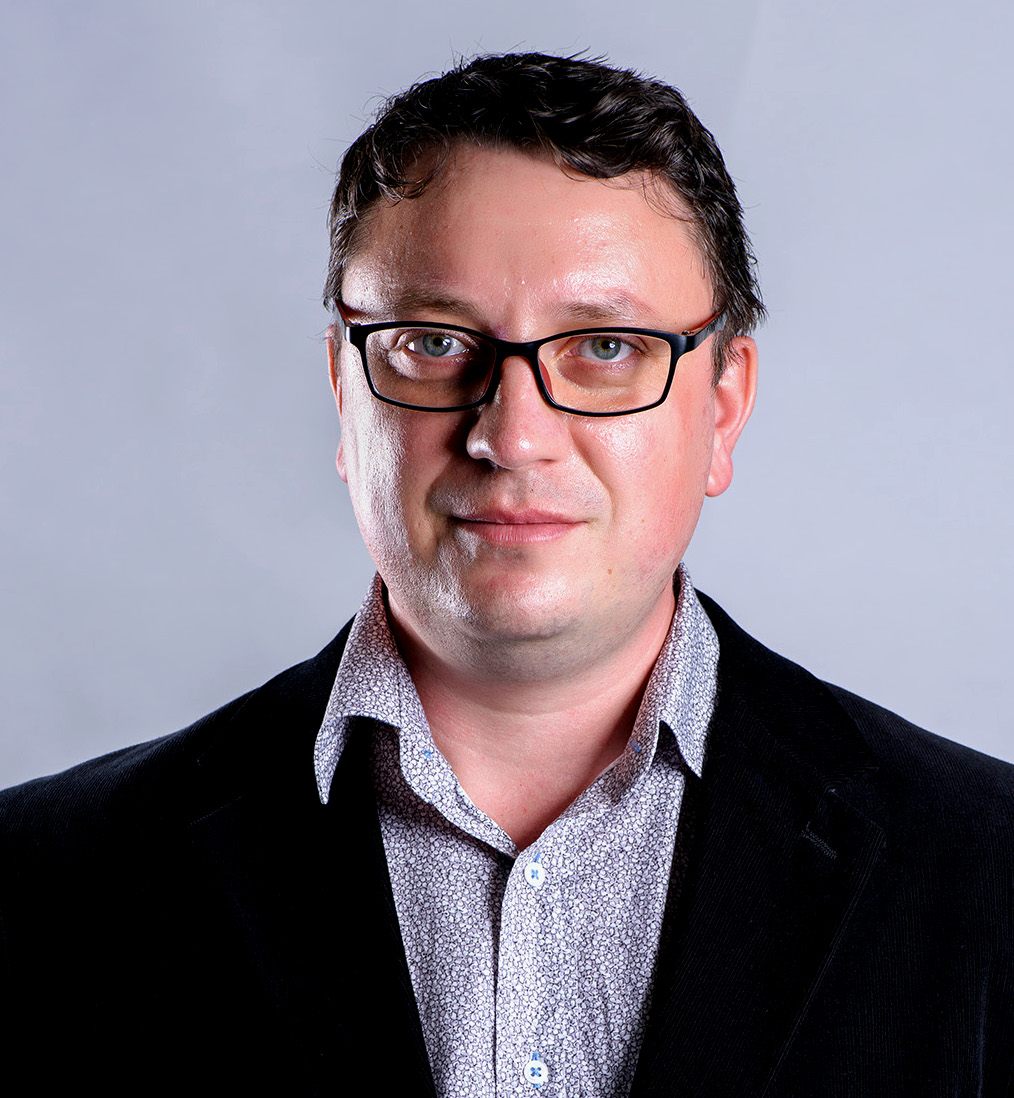
Food quality continuously transforms throughout the process of production, transport, storage, sales and consumer use. Despite that, decisions are often based on expiry dates or lab analyses performed at selected moments. This paper looks at how nanostructured materials could convert biological and physicochemical changes in food quality into immediate, understandable signals to allow for intelligent monitoring of food quality. The issue is examined along the path from materials to decision: nanomaterials, targets, signal transduction, packaging and decision making by producers, sellers and consumers.
Metal and metal oxide nanoparticles, magnetic nanostructures, graphene and carbon nanotubes, quantum and carbon dots, and functional polymers have high surface-to-volume ratio, tunable optical and electrical properties, and functionalization opportunities. These features ensure colorimetric, fluorescent, electrochemical, chemiresistive and magnetic detection of spoilage metabolites and volatiles, foodborne pathogens, contaminants, adulterants, and failures in temperature and/or package integrity. The corresponding platforms comprise indicator labels and films, non-contact headspace sensors, paper-based tests, printed electrodes, electronic-nose arrays, and smart-phone or RFID/NFC-readable tags. In addition to single-point analysis, such sensors allow for distributed or continuous monitoring and earlier interventions.
The key benefits analytical sensitivity, fast response, portability, small sample size, and capability to combine sensing with antimicrobial or barrier properties are evaluated in regard to the requirements for practical applications. The problem of matrix interference, selectivity, humidity and temperature stability, reproducibility, nanoparticle migration, toxicological assessment, calibration, scaling-up, data governance, and regulatory approval become crucial.
This paper proposes materials centered approach to choosing appropriate nanomaterials, transducers and packaging to address particular matrices and monitoring tasks. Such approach allows to turn packaging into an information-generating interface.
Biography
Andrei Ivanov is a second-year Ph.D. student at the Doctoral School of Fundamental Sciences and Engineering, “Dunărea de Jos” University of Galați, Romania, in the field of Materials Engineering. He is also a member of the Interdisciplinary Research Centre in the Field of Eco-Nano Technology and Advanced Materials (CC-ITI). His research focuses on the development and application of advanced nanomaterials for food quality and safety, with particular emphasis on nano-enabled sensors and smart packaging technologies. He is the author of the review paper “Nanomaterials for Sensory Systems: A Review”, published in the international journal Biosensors. His current research activities are oriented toward the development of innovative nanomaterial-based sensing platforms and their potential application in the agri-food sector, contributing to improved food monitoring, quality control, and safety.

Abstract
This Plenary Talk will describe Materials Science and Technological Applications of a unique multifunctional, lowcost, outstanding Ultrananocrystalline Diamond (UNCDTM) film (coating), enabling new generations of industrial products, high-tech / medical devices and prostheses. UNCD films. developed/patented by Auciello and colleagues, are grown by Microwave Power Chemical Vapor Deposition and Hot Filament Chemical Vapor Deposition processes, using Ar/CH4 gas flow into vacuum chambers, where C, CHx (x=1,2,3) species, produced by plasma or hot filaments’ surface cracking of CH4, landing on substrate surfaces, induce growth of UNCD films with smallest gran size (3-5 nm). UNCD films exhibit unique combination of properties, namely: 1) Super harness (98 GPa) and Young’s modulus (998 GPa), like diamond gem. 2) Lowest friction coefficient (≤ 0.04), compared to other materials (≥ 0.5). 3) Only electrically conductive diamond coating, via N atoms in grain boundaries (N-UNCD) or B atoms in grains (B-UNCD), 4) Superior biocompatibility (because made of C atoms / life’s element in human DNA, cells, molecules). 5) Superior scaffolds for embryonic cell growth/differentiation to human cells for biological treatments. Technological applications of UNCDTM coatings include: 1.UNCD-coated seals/bearings for pumps used in industrial applications and mixing pharmaceutical chemicals 2.UNCD-coated high-tech/medical devices/prostheses, marketed by OBI-USA/México, namely: • New generation Li-ion batteries (LIBs) with ≥ 10x longer energy life/safer than current LIBs, using N-UNCD-coated current commercial NG/Copper anodes, for phones, portable electronics, and order of magnitude longer life Defibrillator/Pacemakers. • New generation prostheses (Ti-alloys dental implants (clinical trials / 51 patients received UNCD coated Ti-alloys DIs (2022-present). • UNCD-coated Si-microchip (artificial retina) inside eyes, receiving CCD camera’ images, sending electrons, via ganglion cells in eye’s retina, to brain, returns partial vision to people blind by gene- induced photoreceptors’ death (Argus II marketed by Second Sight (2011-2022) returned partial vision to ~ 450 blind people in USA and EU.
Biography
Auciello graduated with honors: M.S. (1973), Ph.D. (1976) – Physics, Institute “Balseiro”/Universidad Nacional Cuyo-Argentina); EE-Universidad Córdoba-Argentina (1964-1970). Postdoctoral-McMaster University, Canada (1977-1979); Distinguished Research Scientist-University of Toronto-Canada (1979-1984), Associate Professor/North Carolina State University-USA (1984-1988), Distinguished Scientist-Microelectronic Center North Carolina-USA (1988-1996), Distinguished Argonne Fellow (1996-2012)-Argonne National Laboratory-USA. Currently (2012-present), Auciello is Distinguished Endowed Chair Professor-University of Texas-Dallas, Materials Science/Engineering and Bioengineering Departments. Auciello directs basic/applied research on multifunctional oxide [ferroelectric (piezoelectric)/high-K dielectrics films], and nanocarbon films (novel Ultrananocrystalline Diamond (UNCDTM) and graphene films) and applications to industrial, high-tech, and external and implantable medical devices. UNCD film technology is commercialized for industrial products by Advanced Diamond Technologies (Auciello et al.-Founders -2003, profitable-2012, sold to large company for profit-2019), and by Original Biomedical Implants (OBI-USA, 2013) and OBI-México (2016) (Auciello and colleagues /founders), for new generations of superior medical devices/prostheses and other implants. Auciello edited 33 books and published about 500 articles in several fields, holds 23 patents, He was Associate Editor of Applied Physics Letter, and currently of Integrated Ferroelectrics, Functional Diamond, and Coatings. He was President of the Materials Research Society (2013) Auciello is Fellow of AAAS, MRS and IAAM, and has numerous Awards.
Abstract
The increasing need for enhanced protection and traceability of special-regime documents requires the integration of functional security materials with advanced detection and monitoring technologies. This study proposes a sensor-based system for the individual identification and monitoring of documents manufactured using a previously patented secure paper technology containing embedded magnetic microwires. The secure paper is considered in the present study as the functional material enabling magnetic detection, while the novelty of the proposed approach lies in the design and integration of dedicated sensors and detection units capable of recognizing and monitoring secured sheets throughout a controlled perimeter. Specialized sensors are proposed for installation on printing, copying, and document-destruction equipment in order to detect the magnetic signature associated with the secured paper and to control the processing of documents within the protected area. In addition, electromagnetic detection systems positioned at perimeter access points are integrated into the monitoring architecture to identify and track the movement of secured documents entering or leaving the controlled space. The combined use of equipment-mounted sensors, perimeter detection units, and a centralized monitoring system provides a framework for individual document identification, controlled circulation, and enhanced traceability. The proposed concept therefore extends the practical functionality of an existing magnetic-microwire-based secure paper technology through the development of a dedicated sensor architecture for active detection and monitoring. The approach highlights the potential of combining magnetic functional materials with sensor technologies to improve the physical security, traceability, and controlled management of high-security documents.
Biography
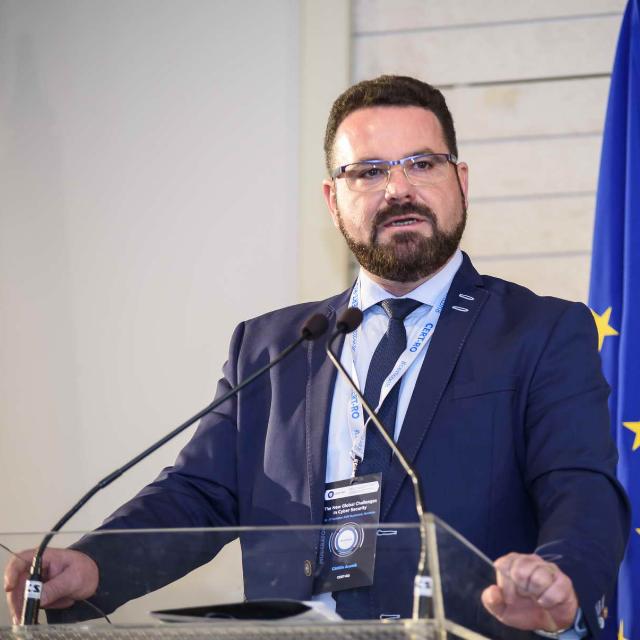
Mr. Cătălin Aramă is currently a first-year PhD researcher in Materials Engineering at Dunărea de Jos University of Galați. He coordinates the Technology Transfer Center at the National Institute for Research and Development in Informatics (ICI Bucharest) and serves as project manager for the Mobility Technologies Center at Dunărea de Jos University of Galați. With over 25 years of experience in the IT industry, he has held executive leadership positions in both the public and private sectors. His current doctoral research focuses on the development of sensor-based solutions for the identification, monitoring, and traceability of secure documents, integrating magnetic and electromagnetic detection technologies for advanced security applications.

Abstract
The construction industry is a major consumer of natural resources and a significant contributor to global CO2 emissions, highlighting the need for more sustainable construction materials. Industrial waste valorization offers an effective approach to reducing virgin resource consumption, waste disposal, and the environmental impact of construction. This review examines the use of industrial waste as secondary raw materials, focusing on supplementary cementitious materials, alkali-activated binders and geopolymers, recycled aggregates, and waste-derived reinforcing materials. These solutions can reduce clinker consumption and associated CO2 emissions while maintaining or improving selected mechanical and durability properties. Their large-scale application remains limited by waste variability, potential contaminant leaching, processing requirements, long-term performance, and regulatory barriers. Industrial waste valorization represents a promising strategy for advancing circular and low-carbon construction.
Biography
Elena Ciutac (Nicolaev) is a third-year Ph.D. student at the Doctoral School of Mechanical and Industrial Engineering, “Dunărea de Jos” University of Galați, Romania, in the field of Industrial Engineering. Her research interests focus on sustainable materials and industrial waste valorization, with particular emphasis on the recycling and reuse of industrial by-products as secondary raw materials for the development of environmentally friendly construction materials. She is the author of the review paper “Industrial Waste Recycling for Sustainable Building Materials: A Review”, published in the international journal Buildings. Her current research activities are oriented toward circular economy approaches, resource efficiency, and the development of low-carbon construction materials with improved performance and reduced environmental impact.

Abstract
The increasing demand for lightweight and efficient ballistic protection systems has intensified research into advanced strategies for improving the performance of high-strength fiber-based materials. Among these materials, Kevlar® remains one of the most widely used reinforcements in personal protective systems due to its high tensile strength, low density, excellent specific strength, and favorable energy absorption capability. However, the ballistic performance of Kevlar-based structures is affected by intrinsic limitations, including insufficient interfacial interactions, limited energy transfer between adjacent fibers, and the need for multiple fabric layers to achieve the required protection level. This work addresses the enhancement of Kevlar fiber performance through surface modification and the use of functional and nanostructured coatings. Polymeric, ceramic, carbon-based, and inorganic nanomaterials, including graphene-based materials, carbon nanotubes, silica, metal oxides, and carbides, are considered as promising approaches for improving interfacial adhesion, inter-yarn friction, load transfer, and energy dissipation during high-velocity impact. Among the different nanoscale materials considered, titanium carbide (TiC) represents a promising ceramic reinforcement for Kevlar surface modification due to its favorable mechanical, chemical, and thermal properties. Its incorporation into surface-engineered systems may contribute to improved fiber–coating interactions and enhanced stress transfer while preserving the lightweight character of the protective structure. The efficiency of the modification process is strongly influenced by factors such as surface activation, nanoparticle dispersion, coating morphology and uniformity, deposition technique, and interface architecture. Advanced characterization approaches are also relevant for assessing surface morphology, chemical composition, coating distribution, and the resulting structural and mechanical performance of modified fibers. By integrating nanotechnology with surface engineering, this work highlights promising strategies for tailoring the surface and interfacial properties of Kevlar fibers and for contributing to the development of thinner, lighter, and more efficient ballistic protection systems with potential applications in defense and civil protection.
Biography
Georgiana Ghisman (Alexe) is a second-year PhD researcher in Materials Engineering at Dunărea de Jos University of Galați, Romania. She holds degrees in Materials Science, and Finance and Banking, as well as a master’s degree in Advanced Materials and Innovative Technologies. Her doctoral research focuses on the advanced materials for ballistic protection, with particular emphasis on coatings, high-performance fibers, and micro/nanostructured surface treatments.

Abstract
A guardrail system with a movable platform lift that incorporates movable guardrail components was investigated for failure. The manufacturer used a closed design, employing two hinge assemblies that are welded to a hinge bracket bar that is bolted to another guardrail section and also welded to the swinging guardrail gate. This is a poor design because it does not allow for the hinge brackets to be taken apart for inspection and/or maintenance. This presentation will show that this design is a poor design for fall protection safety equipment, because a failure is not the best way to find out that the hinge system is compromised.
Biography
Mr. O’Shea’s career has focused on the design evaluation, materials selection, engineering, fabrication, inspection & examination, and testing of plant equipment related to the energy industries (electric, gas and steam), marine industry, and petrochemical industries. M.S. Materials Science and Engineering - University of Notre Dame, 1986 B.S. Metallurgical and Materials Engineering - Illinois Institute of Technology, 1984 Registered Professional Engineer (Arkansas, Illinois, and Wisconsin)

Abstract
Mechanochemistry is an emerging field of chemistry and materials science that uses milling, grinding, extrusion, and related techniques to drive chemical reactions between solid reactants [1]. In many cases, mechanochemical transformations do not require liquid solvents, can operate across a broad range of temperatures, atmospheres, and gas pressures, and may be less dependent on Earth gravity than conventional solution-based chemical processes. These features make mechanochemistry potentially suitable for diverse unconventional applications, such as sustainable chemical synthesis, the generation of metastable materials and phases, mechanochemically driven depolymerization of common macromolecules, and the recently proposed manufacturing of materials in off-Earth environments. In the latter case, mechanochemistry can help reduce the reliance of in-space manufacturing on Earth-supplied solvents and process consumables.
This presentation discusses mechanochemical transformations of organic molecules and selected metallic and inorganic ionic solids [1-2] from the perspective of their reaction environments and highlights the potential of solvent-free mechanochemistry for in-space manufacturing. It also outlines possible initial steps toward its practical implementation beyond Earth.
Biography
Dr. Viktor Balema is an expert in novel electronic and energy materials, as well as non-conventional materials preparation techniques. He earned his BS/MS degrees from L'viv State University, Ukraine, and PhD from the A. Nesmeyanov Institute of the Academy of Sciences in Moscow. Subsequently, he conducted research at the universities of Karlsruhe and Leipzig, Germany as Visiting Scientist, then joined Ames Laboratory of the US Department of Energy. Over two decades, Dr. Balema directed the Hard Materials Segment and Materials Science R&D at Sigma-Aldrich Co. and held Senior Scientist and CTO positions at Ames Laboratory and in the chemical industry. Currently, he is an Adjunct Professor at Clemson University, SC, USA. Dr. Balema has authored over 100 papers and patents, delivered numerous invited talks, and served as a reviewer for the US DOE, NSF, US CRDF, ACS PRF, and numerous peer-reviewed journals. His research has also been featured in popular scientific magazines, including New Scientist and Scientific American.

Abstract
Metallic orthopaedic implants can cause stress shielding and property mismatch with bone, sometimes leading to re-surgery that weak or elderly patients cannot safely undergo. PEEK is a biocompatible polymer and hydroxyapatite (HA) is a bioactive ceramic, so PEEK-HA composites are attractive bone-substitute materials. Their performance depends on how HA changes the crystallization of PEEK. It also depends on how that change carries through to porosity, strength, toughness and wear.
This work connects both aspects for composites with 5, 15 and 30 wt% HA, made by ball milling and compression moulding at 400 °C. Temperature-modulated DSC showed that reversing and non-reversing processes are both active during crystallization between 160 and 330 °C. HA particles act as nucleation sites but also restrict chain mobility, and prolonged high-temperature exposure promotes PEEK degradation. Together these effects give a wide range of crystallinity.
At the property level, increasing HA raised porosity from 1.97% (neat PEEK) to 11.13% and lowered flexural strength from 35.84 to 17.13 MPa. This is attributed to HA agglomeration and weak interfacial bonding. J-integral fracture toughness also decreased as pores and brittle HA increased. Microscratch testing, with H/E and H³/E² indices, showed that the 5 wt% composite (PEEK5HA) had the best surface elasticity and wear response. Its friction, porosity and toughness were also closest to human bone. PEEK5HA is therefore a promising candidate to replace metallic bone implants. The HA fraction has to balance nucleation benefits against bonding loss.
Biography
Dr. Sujoy Kumar Dey is a Professor and Head of the Department of Mechanical Engineering at Sharda University, Greater Noida, with over 15 years of experience in engineering education, research, and academic leadership. His areas of expertise include Mechanical Engineering, advanced polymer composites, biomedical implants, reverse engineering, and computer-aided engineering. He has authored more than 15 peer-reviewed research publications and filed and published over 10 patents. He has played a significant role in NBA accreditation, curriculum development, industry–academia collaboration, and the introduction of industry-oriented specializations in Electric Vehicle Technology and Hydrogen Fuel Cell Technology. He is also actively involved in faculty mentoring, research supervision, and emerging technology initiatives, including Drone and Robotics Training (DART). He holds a Ph.D. in Mechanical Engineering (thesis submitted), an M.E. in Mechanical Engineering from BESU Shibpur, and a B.E. in Mechanical Engineering from Haldia Institute of Technology. His professional vision is to strengthen academic excellence, research innovation, quality assurance, and industry-integrated engineering education

Abstract
Improving the durability of road infrastructure and promoting the valorization of industrial waste are important directions in the development of advanced construction materials. The present study investigates the behaviour of a hot-mix asphalt incorporating industrial waste, with particular emphasis on the microstructural changes induced by successive freeze–thaw cycles. The main objective was to evaluate the structural stability of the material and to identify degradation mechanisms generated by repeated thermal stresses. The modified asphalt mixture specimens were subjected to controlled freeze–thaw cycles designed to simulate temperature variations typically encountered during the service life of road structures. The evolution of the material morphology was monitored using scanning electron microscopy (SEM), focusing on changes within the bituminous matrix, the aggregate–binder interfaces, as well as the distribution and integration of particles originating from industrial waste. SEM analysis enabled the identification of microstructural phenomena associated with freeze–thaw exposure, including the formation of microcracks, changes in interfacial regions, and variations in matrix compactness. The results contribute to a better understanding of the influence of industrial waste incorporation on the resistance of asphalt mixtures to cyclic thermal loading and highlight the potential of morphological analysis as a valuable tool for monitoring degradation processes in road materials. The study supports the development of more durable asphalt mixtures and the implementation of circular economy principles through the controlled integration of industrial waste into materials intended for road infrastructure applications.
Biography
Prof. habil. Dr. Eng. Buruiana Daniela Laura is a remarkable personality in the fields of industrial engineering and materials engineering. As director of the Interdisciplinary Research Center for Eco-Nanotechnologies and Innovative Materials (CC-ITI), she coordinates research projects that integrate advanced and sustainable technologies in the development of innovative materials. With extensive experience in coordinating research projects, she guides young researchers in exploring innovative solutions and implementing them on an industrial scale. In addition to her research, she is actively involved in publishing scientific papers, obtaining national/international patents, and participating in international conferences. She stays up-to-date with the latest discoveries in the field and contributes to the global scientific evolution.

Abstract
Cryogenic fluid storage represents a complex engineering challenge governed by the interaction between the thermophysical behavior of the fluid, heat transfer phenomena, storage system configuration, and the response of structural materials.
In this context, the present study provides an integrated analysis of recent advances in technologies and engineering solutions aimed at improving the performance of cryogenic storage systems. Particular attention is devoted to structural solutions and thermal management strategies developed to minimize heat ingress and limit product losses. The study also examines the role of materials in ensuring structural integrity at cryogenic temperatures, considering changes in mechanical properties, thermal contraction, and material behavior under loading conditions specific to such operating environments. The main categories of materials employed in cryogenic applications are discussed, along with recent developments in functional coatings and surface treatment technologies.
Biography
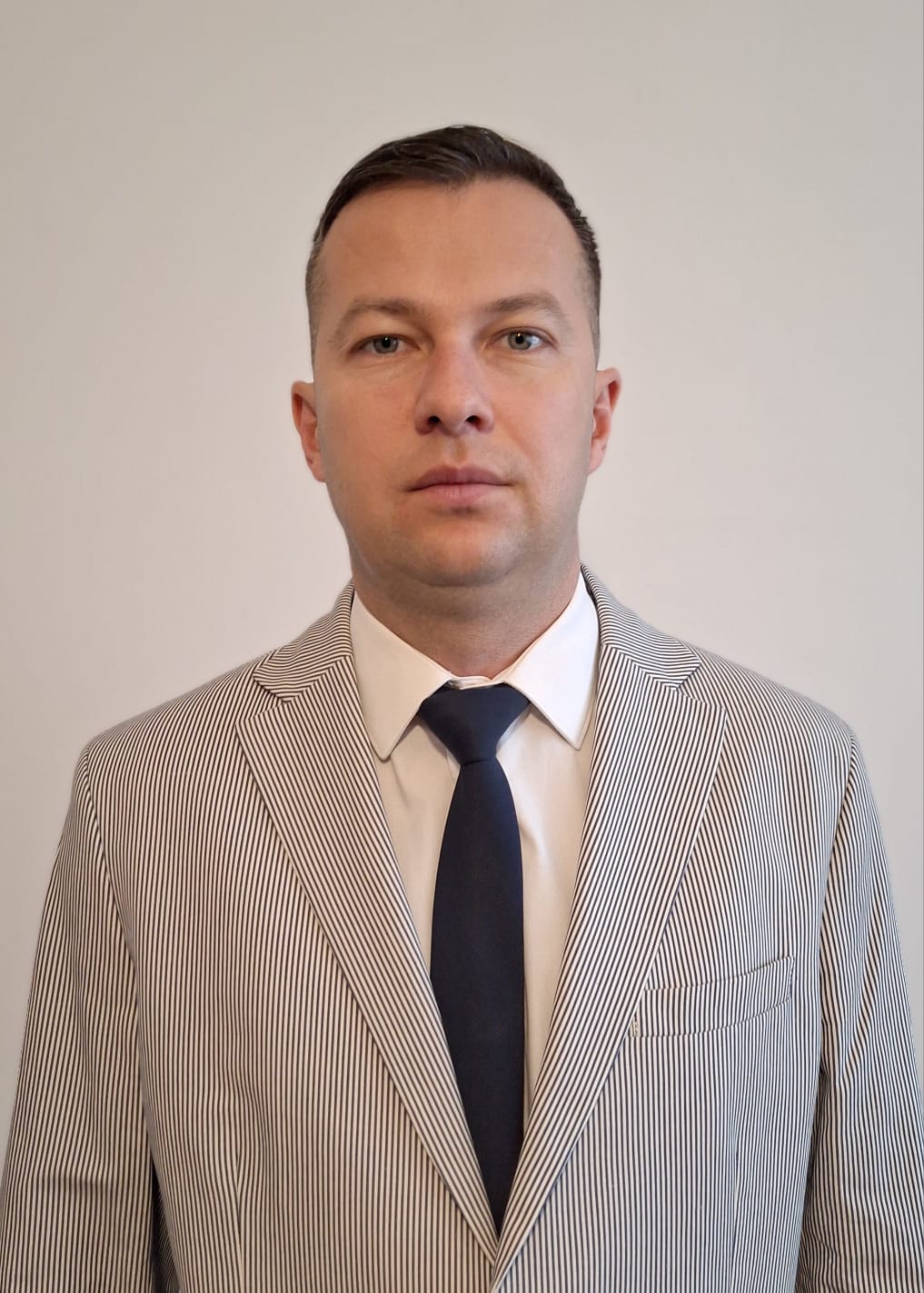
Marian-Cristian Staicu is a second-year PhD student in the field of Materials Engineering within the Doctoral School of Fundamental and Engineering Sciences at “Dunarea de Jos” University of Galati. He completed his bachelor's studies at the Faculty of Naval Architecture, specializing in Naval Architecture, and later earned a master's degree at the Faculty of Engineering, in the field of Quality Management in Industrial Engineering, also at Dunarea de Jos University of Galati.
Abstract
Corrosion is a major challenge facing industry today, directly affecting the safety and durability of infrastructure, structures, and equipment. Although conventional protection methods often rely on harmful compounds that endanger human health and the environment, current trends are shifting toward sustainable and eco-friendly solutions. This study analyzes the current state of sustainable corrosion inhibitors, detailing their classification, mechanisms of action, protective performance, and industrial applications, with particular attention to green and next generation inhibitors. It also presents current limitations, future challenges, and opportunities, highlighting the importance of expanding research toward efficient, environmentally friendly, and sustainable corrosion protection strategies.
Biography
Balan-Balantof Ionut-Cristian is a first-year Ph.D. student at the Doctoral School of Fundamental Sciences and Engineering from “Dunărea de Jos” University of Galați, Romania, in the field of Materials Engineering. He graduated from the Faculty of Firefighters at the “Alexandru Ioan Cuza” Police Academy in Bucharest, specializing in Construction and Installation Engineering – Firefighting. He is also a member of the Interdisciplinary Research Centre in the Field of Eco-Nano Technology and Advanced Materials (CC-ITI). His doctoral research focuses on the corrosion protection of steels through the use of environmentally friendly green corrosion inhibitors, with particular emphasis on sustainable approaches for improving the corrosion resistance and durability of metallic materials. In parallel with his academic and research activities, he works at the Inspectorate for Emergency Situations of Galați County, where he serves as Head of the Prevention Inspection Service.

Abstract
As the basic carriers of quantum information, qubits are extremely vulnerable to unwanted coupling with their surroundings and to imprecise control operations. Processes such as decoherence, energy relaxation, dephasing, and noise in the control signals degrade qubit stability, which in turn restricts how reliably and efficiently quantum computers can operate. In this work, we develop a theoretical, mathematical, and computational framework that applies Deep Reinforcement Learning (DRL) to study and enhance qubit stabilization in noisy environments. We describe the evolution of the qubit with the density matrix formalism and the Lindblad master equation, accounting for relaxation, dephasing, and random fluctuations in the applied control. In this simulated setting, a DRL agent monitors the changing quantum state and chooses control actions, gradually learning adaptive strategies that keep the qubit stable. Training is driven by performance metrics including state fidelity, coherence, purity, and the efficiency of the applied controls. Several DRL methods, namely Proximal Policy Optimization (PPO), Soft Actor-Critic (SAC), and Twin Delayed Deep Deterministic Policy Gradient (TD3), are examined, and their performance can be benchmarked against free (uncontrolled) evolution and standard control techniques. The framework is built to be flexible across a range of physical platforms, such as superconducting circuits, trapped ions, spin systems, neutral atoms, and photonic qubits. Because the evaluation relies on numerical simulations carried out with Python-based quantum simulation and machine-learning libraries, qubit stabilization can be explored without access to physical quantum hardware. Overall, this study lays the computational groundwork for designing intelligent, adaptive control schemes that make qubits more resilient to noise in next-generation quantum technologies.
Biography
Priyanka Brojabasi is a Senior Research and Development Scientist at Ambature Inc. and the University of Waterloo, Canada, and a Manager for Quantum Computing Consulting at CGI Inc., Canada. She also serves as a Professor of Applied Computer Science, teaching AI/ML, Cloud Computing, Software Development, and Software Architecture at Conestoga College and Canadore College in Canada. She earned her Ph.D. from the Institut Quantique at Université de Sherbrooke, Canada, and holds an MBA from the Rotman School of Management at the University of Toronto. Her research spans the physical properties of quantum materials, including artificial heterostructures of transition metal oxides, unconventional superconductivity, nanofabrication, Josephson junctions, and qubits, as well as low-dimensional materials such as thin films, carbon nanotubes, and graphitic nanofibers. She has also worked on nanomaterials and nanofluids for applications in renewable energy, hydrogen storage, solar cells, and sensor development. With over a decade of experience in materials science and engineering R&D, she has authored publications in peer-reviewed journals and conference proceedings, and has received awards and scholarships from NSERC, the Shastri Indo-Canadian Institute, and Université de Sherbrooke.

Abstract
This study addresses the main approaches for increasing the durability and service life of materials employed in the naval industry. The performance of materials in marine applications is strongly influenced by the simultaneous action of corrosive environments, cyclic loading, and mechanical stresses, which may progressively affect their integrity and lead to premature failure. Within this context, the study considers the contribution of material characteristics and advanced surface treatment methods to limiting material degradation.
A particular focus is placed on advanced multilayer protective coating configurations, combining primer layers with hydrophobic finishing coatings to provide enhanced surface protection under demanding marine exposure. The study also considers different approaches for controlling and slowing the corrosion of structural steel. In addition, adequate surface conditioning is emphasized as an important factor for achieving effective coating performance, together with modern technologies intended to strengthen coating adhesion and improve resistance to fatigue-related degradation.
The study further considers sustainable approaches for maintaining material performance through circular economy concepts and remanufacturing practices. These solutions can contribute to prolonging the useful life of high-performance materials while simultaneously lowering environmental impacts and reducing the costs associated with the operation and maintenance of maritime infrastructure. The analysis highlights the main factors that should be considered when choosing protective solutions for materials subjected to complex industrial and marine operating conditions.
Biography
Bianca-Elena Roșca is a first-year PhD student in Materials Engineering at the Doctoral School of Fundamental and Engineering Sciences from “Dunărea de Jos” University of Galați. She obtained her Bachelor’s degree from the Faculty of Naval Architecture, specializing in Naval Architecture, and subsequently completed her Master’s degree at the same faculty and university. Her academic background is primarily focused on naval engineering and materials engineering.

Abstract
The development of smart and sustainable road infrastructure requires advanced materials capable of providing information on pavement condition and performance. The integration of sensors into asphalt materials represents a promising approach for real time monitoring of parameters such as temperature, strain, stress, and structural degradation. This paper presents an overview of sensor integrated asphalt materials, focusing on sensor types, integration methods, and their influence on the properties and durability of asphalt mixtures. The use of embedded sensing technologies can support early damage detection, optimize maintenance strategies, and extend pavement service life. Sensor integrated asphalt materials represent an important step toward safer, more durable, and sustainable intelligent road infrastructure.
Biography
Andromeda Iacob is a first-year PhD researcher in Materials Engineering at Dunărea de Jos University of Galați, Romania. She holds degrees in Traffic Police, Law, and Business Administration, as well as a Master’s degree in Criminal Sciences and Criminology. Since 2013, she has worked at the Galați Traffic Police Department, with expertise in traffic management and road systematization. Her doctoral research focuses on the development and evaluation of advanced asphalt materials and the integration of smart sensors for real time monitoring, aiming to enhance road safety, durability, and the sustainability of transportation infrastructure.

Abstract
High-temperature electronics based on epitaxial diamond are promising because of their wide band gap, high thermal conductivity, and large carrier mobility. To take advantage of this opportunity, research was undertaken to develop techniques for the synthesis of both undoped and doped high-quality single crystal diamond suitable for the fabrication of high temperature electronics devices. There are two methods to grow epitaxial diamond – (a) on a suitable diamond seed and (b) on foreign substrates that can carry the epitaxial registry. Single crystal diamond layers (SCD) were also grown on (100) HPHT SCD substrates to allow for continuous layer-by-layer growth. These layers were also doped with nitrogen and boron to make conducting diamond. When doped with nitrogen, yellow and brown diamond was obtained depending on the dopant concentration. When doped with boron, blue diamond with thicknesses upto 2-3 mm was obtained. The goal was to eliminate defects during this growth process. In order to obtain light blue diamond, co-doping with boron and nitrogen has also been attempted. Methods have been developed to grow heteroepitaxial diamond thin layers in order to eliminate the effect of grain boundaries. Two approaches were used to grow (100) and (111) oriented diamond on Pt/MgO and Pt/Sapphire substrates for large area electronics applications. Such highly oriented diamond has been demonstrated.
Biography
Dr. Rahul Ramamurti is the Founder and President of Epidia Technologies involved with the development and production of high purity single crystal diamond for gem, electronics, thermal and quantum applications. Currently he is a Technical consultant with Karia Technologies involved in making large area single crystal diamond and polycrystalline diamond for thermal and optical applications. Previously he was the Chief Technology Officer at Pure Crystal LLC, a company dealing with the development of highly pure crystalline diamond for various applications. He also served as Senior Applications Engineer at Sub-One Technology, the market leader in advanced coatings for internal surfaces. Its patented InnerArmor coating process applies a high-performance, chemically inert, protective coating which reduces operational costs. He was a Post Doctoral Research Associate at Michigan State University/Fraunhofer U.S.A before that. He has published more than 20 articles in peer-reviewed journals and conference proceedings. He also has 3 patents for his credit. Dr. Ramamurti holds a PhD in Materials Science and Engineering from the University of Cincinnati.
Abstract
The recycling of waste into materials is a form of recovery that offers a double advantage, such as eco-sustainable sanitation and the availability of new ecological construction materials in Civil Engineering. The present study aimed to develop a composite ecomaterial based on sand,soil and recycled plastic waste melted using a Scheffler solar concentrator (SSC). Then, two types of mix were formulated: a sand/PW mix with ratios of 75/25, 70/30, 65/35 and 60/40, and a sand/soil/PW mix with a ratio of 60/30/10. The SSC enabled an internal melting temperature of 172.42 ◦C to be reached. Specimens measuring 4 × 4 × 16 cm3 were made and tested using 3-point bending, compression, capillary absorption and thermal tests. The best mechanical resistance was obtained with the 65/35 ratio of the sand/PW mix, with average values of 12.15 MPa in 3-point bending and 23.96 MPa in compression. This composite ecomaterial had a water absorption rate of 0.4% and a thermal diffusivity of 0.36mm2/s. On the other hand, the sand/PW/laterite mix had a mechanical strength of 10.1 MPa in 3-point bending and 22.83 MPa in compression, with a water absorption rate of 2.3% and a thermal diffusivity of 0.44 mm²/s. In addition to these initial results, we plan to analyze the effect of thermal shock or wetting-drying cycles on the durability of this composite eco-material. As these properties comply with the established standards, the sand/soil/recycle HPDE composites can be used for applications such as pavers and tiles for interior flooring, and hollow and solid blocks.
Biography
Etienne MALBILA is an Associate Professor in Engineering Science and Technology, specializing in Materials Science, at Université Yembila Abdoulaye TOGUYENI (UYAT) in Burkina Faso, where he has been teaching and conducting research since January 2019. He holds a PhD in Applied Physics from Université Joseph Ki-Zerbo. He is also a civil and infrastructure engineer and holds two specialized master's degrees: one in Project Management and the other in Urban Engineering. Between 2001 and 2016, he held various positions within engineering consultancy firms and development organizations before joining the public administration in 2017. Throughout his career, he has served as Head of Department of Water and Sanitation at the Boucle du Mouhoun Area and as Director of Student Affairs at UYAT. He currently serves as Director of the Higher School of Engineering (ESI/UYAT). His professional career combines academic teaching, training, scientific research, and technical expertise in construction and project engineering. Through these activities, he contributes to the development of engineering skills and the advancement of knowledge in his fields of specialization.
Abstract
Despite extensive research, geopolymer and alkali-activated construction materials remain under-deployed because high compressive strength alone does not establish environmental, economic or operational viability. This conference contribution synthesizes evidence from a PRISMA-adapted critical review of 151 sources selected from 1,424 unique records and translates the findings into a deployment-oriented research framework, with particular attention to West African construction markets. The approach integrates precursor chemistry and reactivity characterization, explainable machine-learning surrogate prediction, uncertainty-aware life cycle assessment (LCA), multi-objective optimization of strength, durability, carbon and cost, experimental validation, and a Performance–Carbon–Cost–Readiness decision matrix. These stages are proposed for future joint implementation, not presented as an experimentally executed end-to-end pipeline. The reviewed literature reports predictive coefficients of determination exceeding 0.90 for selected fly ash–slag strength models, although limited dataset quality and under-representation of tropical precursors constrain transferability. Under harmonized cradle-to-gate, equal-strength comparisons and defensible co-product allocation, quality-weighted evidence supports realistic global warming potential reductions of approximately 30–70% relative to ordinary Portland cement; more extreme reductions depend strongly on allocation conventions. A separate techno-economic case for decentralized calcined-laterite and rice-husk-ash-derived silicate binder production in West Africa estimates a deterministic cost of USD 213–305 per tonne versus USD 220–330 per tonne for imported Portland cement. In 10,000 Monte Carlo iterations, the modeled median binder cost is approximately USD 267 per tonne, with cost parity or better in about 54% of scenarios; imported sodium hydroxide price is the principal sensitivity. These results identify local activator production, durability validation, quality assurance and performance-based certification as decisive pathways toward scalable low-carbon construction. The contribution demonstrates why selection of sustainable binders must shift from isolated strength maximization to context-sensitive, uncertainty-aware deployment decisions.
Biography
Dr. Justin Kinda, P.h.D Engineer, experienced in sustainable building materials and fracture modeling. Having obtained my Ph.D. degree from Ecole Normale Superieure Paris Saclay (France) and a double Engineering degree from both École Centrale (France) and École Hassania des Travaux Publics (Morocco), I had the privilege of serving as an R&D specialist at the esteemed University of Luxembourg and as an R&D engineer at EDF. In my career, I have actively worked on sustainable building materials, constantly striving to create innovative solutions that contribute to a greener future.

Abstract
Additive manufacturing of biodegradable vascular stents requires composite formulations that satisfy printability constraints and functional performance requirements at the same time. This work establishes how nanoparticle loading governs ink rheology, printing behaviour, and device-level performance in 4D-printed, self-deployable stents based on polycaprolactone/thermoplastic polyurethane (PCL/TPU) containing 0–15 wt% polydopamine-coated magnetite nanoparticles (Fe₃O₄@PDA). Direct ink writing (DIW) was used as a screening platform to map the rheological processing window, and stent prototypes of the selected formulation were then fabricated by digital light processing (DLP). The 10 wt% formulation offered the best balance between processability and performance: it combined suitable shear-thinning behaviour (n = 0.68) and yield stress (47 Pa) with a 52% increase in glassy storage modulus relative to the neat blend. Shape-fixity and shape-recovery ratios reached 97.3 ± 3.7% and 96.9 ± 1.9%, respectively. Fe₃O₄ cores provide magnetothermal heating while the PDA shell enhances photothermal conversion, allowing the composite to reach its PCL switching temperature (≈55 °C) within about 7 s under NIR and 13 s under AMF. Stents recovered their programmed geometry in 8.0 ± 0.6 s under an alternating magnetic field and 5.1 ± 0.4 s under near-infrared irradiation, and sequential stimulation enabled staged deployment. DLP stents showed a void volume of 0.2 ± 0.4% and an RMS deviation of about 0.2 mm from the CAD geometry, and withstood 50% radial compression without strut fracture. HUVEC viability in extracts exceeded 90% after 72 h, and the material retained 68% of its mass after 12 months at 37 °C. These results link Fe₃O₄@PDA loading, additive manufacturing process parameters, and dual-mode remote deployment in a process–structure–performance framework for biodegradable shape-memory stents, at laboratory proof-of-concept level.
Biography
Dr. Rafael Aguirre Flores is a Senior Researcher (Investigador Titular A) at the Centro de Investigación en Química Aplicada (CIQA), Mexico, and a member of the National System of Researchers (SNII, Candidate level). He holds a Ph.D. in Materials Science and Technology, an M.Sc. in Polymer Science and Technology, and a B.Sc. in Chemical Engineering, all from the Universidad Autónoma de Coahuila. His work links polymer materials development with manufacturing technologies, including plastics processing, additive manufacturing, and the design and optimization of equipment to improve part quality. Since 2015 he has been part of CIQA's Design and Additive Manufacturing Area. His record includes 14 scientific articles, 24 national patents (14 granted), 107 industry projects, and 93 supervised theses. His current research addresses 4D-printed shape-memory composites for biomedical devices.

Abstract
Nanomedicine is the use of nanomaterials to improve disease prevention, detection, and treatment which has resulted in hundreds of FDA approved medical products. While nanomedicine has been around for several decades, new technological advances are pushing its boundaries. For example, this presentation will present an over 30 year journey of commercializing nanomaterials for neurological and orthopedic implants now in over 45,000 patients to date showing no signs of failure. Current implants face a failure rate of 5 – 10% and sometimes as high as 60% for bone cancer patients. Further, this talk will present future research directions into using atomic layer deposition (ALD) to create such nanostructures on implants to reduce infection and improve bone growth. Sensors grown off of implants using ALD will also be discussed in which cell presence on orthopedic implants can be detected and quantified. Such information can also be communicated to a handheld device to better inform surgeons on chances of implant success or failure. Such sensors can also release pharmaceutical agents and/or nanoparticles on-demand to ensure implant success. Lastly, this talk will cover how Artificial Intelligence (AI) can be combined into today’s orthopedic implants to predict implant success or failure in the years that follow.
Biography
Thomas J. Webster’s (H index: 140) degrees are in chemical engineering from the University of Pittsburgh (B.S., 1995; USA) and in biomedical engineering from RPI (Ph.D., 2000; USA). He has formed over a dozen companies who have numerous FDA approved medical products currently improving human health in over 45,000 patients. He is currently helping those companies and serves as a professor at Brown University, Saveetha University, Hebei University of Technology, UFPI, University of the Basque Country, and others. Dr. Webster has numerous awards including: 2020, World Top 2% Scientist by Citations (PLOS); 2020, SCOPUS Highly Cited Research (Top 1% Materials Science and Mixed Fields); 2021, Clarivate Top 0.1% Most Influential Researchers (Pharmacology and Toxicology); 2022, Best Materials Science Scientist by Citations (Research.com); and is a fellow of over 8 societies. Prof. Webster is a former President of the U.S. Society for Biomaterials and has over 1,350 publications to his credit with over 55,000 citations. He was recently nominated for the Nobel Prize in Chemistry. Prof. Webster also recently formed a fund to support Nigerian student research opportunities in the U.S.
“ Will be updated soon...”