
Abstract
Medical image segmentation is one of the core technologies driving the advancement of precision medicine and intelligent diagnosis. Owing to its efficient local feature extraction capability and robustness under limited annotation scenarios, U-Net has become a widely adopted benchmark in this field. However, conventional convolution-based U-Net architectures exhibit inherent limitations in spatial modeling range, long range dependency capture, and computational efficiency, which restrict their adaptability to increasingly complex clinical applications. To further enhance segmentation performance and model capability, the U-Net architecture has undergone substantial evolution. Unlike previous reviews that primarily focus on CNN variants or specific application domains, this study conducts a systematic review of literature published between 2021 and 2025, based on structured search and screening procedures. By integrating emerging technological paradigms, we establish a unified three-dimensional analytical framework to characterize U-Net progression: (1) evolution of spatial modeling capability from convolutional feature enhancement to Transformer and state space-based global modeling; (2) evolution of computational efficiency from localized attention mechanisms to linear-complexity modeling strategies; and (3) evolution of representation sources from random initialization and ImageNet pretraining to knowledge transfer via foundation model components. Through systematic comparison and comprehensive analysis of the literature, this review summarizes representative architectural improvement strategies, identifies performance evolution trends and key technical bottlenecks, and discusses current challenges as well as future research directions. The proposed framework provides a structured reference for advancing U-Net based medical image segmentation research.
Biography
Assoc. Prof. Dr. Hizmawati Madzin is an academic, researcher, and technology leader at Universiti Putra Malaysia (UPM), specializing in image processing, medical imaging, computer vision, multimedia computing, and interactive education technology. She holds a PhD in Multimedia Information Retrieval from the University of Malaya. Her research focuses on AI-driven medical image analysis, particularly tuberculosis lung cavity segmentation, as well as augmented reality, digital learning innovation, and multimedia applications. She has led and contributed to multiple national research grants, published in indexed journals, supervised postgraduate students, and received numerous awards in teaching, learning, innovation, and research. Dr. Hizmawati is also actively involved in student development, entrepreneurship education, digital innovation, and industry-community engagement. She currently serves as the Director of the Centre of Entrepreneurial Development and Graduate Marketability, Universiti Putra Malaysia.
Abstract
The rapid development of artificial intelligence (AI), digital technologies and sustainability-oriented manufacturing is redefining the future of wood science and engineering. These changes require interdisciplinary concepts that integrate scientific knowledge with industrial implementation, economic competitiveness, energy efficiency and environmental responsibility.
This keynote presents the WSEEP concept (Wood–Science–Economy–Energy–Practice), developed from long-term research on lignocellulosic materials, surface engineering, adhesive technologies and wood finishing. WSEEP provides a comprehensive framework that combines fundamental science with technological innovation, sustainable manufacturing and industrial practice.
Within this concept, AI is considered an enabling technology that supports scientific discovery and industrial transformation rather than an objective itself. Machine learning, predictive analytics and intelligent data processing create new opportunities for understanding surface phenomena, modelling adhesion mechanisms, optimising finishing processes, improving quality control and accelerating the development of sustainable wood technologies.
The lecture presents selected examples of interdisciplinary research illustrating how AI enhances advanced surface engineering, adhesive technologies and finishing systems while reducing material consumption, energy demand and environmental impact. The integration of experimental research, digital technologies and industrial collaboration demonstrates the practical implementation of the WSEEP philosophy.
The WSEEP concept is proposed as a roadmap for future research, education and industrial innovation, contributing to the next generation of sustainable wood technologies in the era of artificial intelligence.
Biography
Dr. Tomasz Krystofiak in 1994 was finished study of Faculty of Wood Technology at Agriculture Academy in Poznan. In 2002 he prepared a PhD dissertation and in 2019 habilitation. Author or co-author of more than 300 scientific publications in the scope of gluing and finishing of wood and wood based composites. To his research activities belongs surface phenomena, wettability, adhesion and adherence, modification, gluability and paintability of lignocellulosic materials. He was a Management Committee Member of COST Actions FP1006 and CA15216 and Working Group Member (FP1303 and FP1407). Since 2021 Guest Editor in 6 Special Issues in Coatings, Forests, Materials journals.

Abstract
Mathematical Modelling was always the key driver of modern science and the degree of mathematisation was often associated by philosophers of science with the maturity of a given science. The crown was and is still given to mathematical physics, where the entanglement between mathematics and physics is often so tight that the distinction between mathematical equation and reality is widely blurred. But whereas many classical mathematical equations referred to as natural laws have a low Kolmogorov complexity, i.e. can be written in a very compact form, modern science and engineering have to deal with complex systems which often do not have such a compact representation. Because a mathematical model in a given mathematical formulation can always be interpreted as a hypothesis about empirical reality, a more compact, more general mathematical model is more powerful to describe various applications. We follow Popper’s approach to science hypotheses in stating that such models exclude more possibilities in how the world works. However, as we approach the age of artificial intelligence (AI), and the necessity to analyse increasingly complex systems, we cannot rely on classical compact mechanism-based mathematical equations (Navier-Stokes, Schrödinger, Einstein, Reaction Systems, Black-Scholes) exclusively any more. We ask if there is a way to retain the power of mechanism-based mathematical models, however coupled with new approaches in cases mechanisms are hard to identify in applications like engineering, Life Sciences, economics, finance etc. We will discuss two cases, the first being mechanisms best
approximations, using data-driven mathematical modelling techniques like SINDy, where function library restrictions can model exclusion of certain mechanisms a-priori, and the second are models coupling traditional mechanistic models formulated as ODE or PDE with neural networks for cases where part of the system is fully understood in the traditional sense, but there are other parts of the system where machine learning and AI approaches can fill the predictive gap from missing mechanism information.
Biography
Markus Kirkilionis was born on 23rd January 1962 in Heidelberg, Germany. After finishing school in Coburg, Bavaria, he returned to Heidelberg to study Mathematics, Biology, Philosophy, Sociology and Psychology at the University of Heidelberg. He did his PhD in Mathematics with Prof. Dr. Willi Jäger, at the time Director of the Interdisciplinary Centre For Scientific Computing (IWR) at the University of Heidelberg. The PhD topic was population dynamics, with applications of chemostat theory, relevant in ecology and biotechnology. Much of the postdoc years were spent under the supervision of Prof. O. Diekmann in the Netherlands, the Centrum voor Wiskunde en Informatica in Amsterdam, and the University of Utrecht. The research topic has been Structured Population Dynamics, with an interest in ecology and demography. Markus Kirkilionis currently holds a lecturer position at the University of Warwick, where his main interests are mathematical modeling and data-driven mathematical modeling, involving machine learning and artificial intelligence.
Abstract
The urgent need to shift from fossil fuel energy systems to climate-neutral alternatives is accelerating hydrogen's role as a versatile energy carrier. In particular, green hydrogen, produced through renewable-powered electrolysis, is emerging as a key method to convert intermittent renewable electricity into storable and transportable molecules. This overview examines hydrogen within the context of Southwest Europe, focusing on Portugal’s strategic position. It begins by clarifying the commonly used “hydrogen color” classification, distinguishing among green, gray, and blue pathways. It then discusses hydrogen's role in hard-to-abate sectors, including heavy industry (e.g., ammonia, refining, steel) and heavy-duty transportation, where direct electrification remains challenging. Building on this, Power-to-X is introduced as a framework for converting renewable electricity into fuels and chemicals such as methanol and ammonia, facilitating sector coupling and long-term energy storage. Portugal is particularly well-placed in this area due to its high renewable potential, with flagship projects such as the Madoqua initiative in Sines and ongoing efforts to enable hydrogen blending into the natural gas network. Finally, the discussion highlights the H2med project as a key element of the emerging European hydrogen backbone, connecting Iberian production to central European demand. While H2med holds significant strategic value, its development faces current challenges, including investment uncertainty, evolving policy frameworks, and the need for strong market creation mechanisms. Overall, this work discusses how the transition “from renewables to molecules” can position Southwest Europe as a major supplier in the future hydrogen economy, while examining the current technological, economic, and regulatory barriers.
Biography
Diogo M.F. Santos is a Principal Researcher at CeFEMA and an Invited Assistant Professor at Instituto Superior Técnico (ULisboa, Portugal). He studies electrodes and membranes for fuel cells and electrolyzers. D.M.F. Santos has authored over 200 publications; his current h index is 41. He has been listed since 2020 on Stanford University's “World’s Top 2% Scientists list.” His research interests are related to electrochemical energy conversion and storage
Abstract
Machine Learning has emerged as one of the most transformative forces in contemporary science and technology. In this lecture, I will discuss Machine Learning through the lens of applied mathematics, highlighting its connections with approximation theory, control theory, partial differential equations, and numerical analysis, and organizing the presentation around three central goals: representation, generalization, and generation.
We begin by revisiting the historical and conceptual links between Machine Learning and systems control (cybernetics). This viewpoint allows us to reinterpret representation and expressivity in deep neural networks in terms of ensemble (or simultaneous) controllability of neural differential equations. Within the same framework, generalization naturally appears as a stability property with respect to perturbations in the data and the model.
Next, we discuss neural-network architectures as tools for numerical approximation. As a guiding example, we consider the classical Dirichlet problem for the Laplace equation, formulated as an energy minimization problem under neural-network constraints. Particular attention will be paid to the lack of convexity and coercivity in the resulting optimization landscape. We will show how relaxation techniques can restore convexity, at the cost of losing coercivity, and discuss the mathematical implications of this trade-off for both analysis and computation.
Finally, we present a PDE-based perspective on generative diffusion models. Their convergence can be reinterpreted through the asymptotic behavior of Fokker–Planck equations driven by the so-called score field. We will explain how classical tools, such as Li–Yau-type differential inequalities for positive solutions of the heat equation, shed light on the regularization and convergence properties of these models.
We conclude with a discussion of open problems and promising research directions at the interface of control theory, PDEs, numerical analysis, and modern Machine Learning.
Biography
Enrique Zuazua (Eibar, Basque Country–Spain, https://dcn.nat.fau.eu/enrique-zuazua/) holds, since September 2019, the Chair for Dynamics, Control, Machine Learning and Numerics - Alexander von Humboldt Professorship, at the Department of Mathematics of the Friedrich-Alexander-Universität Erlangen-Nürnberg (FAU) in Germany and part-time appointments at Universidad Autónoma de Madrid (UAM) and the University of Deusto, Bilbao, Spain. He is also a member of the Basque Academy “Jakiunde“, Fellow of the Artificial Intelligence Industry Academy (AIIA), of the Asia-Pacific Artificial Intelligence Association (AAIA), and of the Academia of Europaea, and scientific advisor of the artificial intelligence company Sherpa AI in Bilbao. He holds a degree in Mathematics (1984) from the University of the Basque Country, and a dual Ph.D. degree from the same university (1987) and the Université Pierre et Marie Curie, Paris (1988). In 1990 he became Professor of Applied Mathematics at the Universidad Complutense de Madrid, to later move to UAM in 2001. His fields of expertise in the broad area of Applied Mathematics include Partial Differential Equations, Systems Control and Numerical Analysis and Machine Learning. He has been awarded the Euskadi (Basque Country) Prize for Science and Technology 2006 and the National Julio Rey Pastor Prize 2007 in Mathematics and Information and Communication Technology and the Advanced Grants of the European Research Council (ERC) NUMERIWAVES in 2010, DYCON in 2016 and CoDeFeL in 2022. In 2022 he was awarded the W.T. and Idalia Reid Prize of SIAM. He is an invited section speaker in “Control and Optimization” in ICM2006, Madrid. With over 300 articles published, his work had an important impact (h-index = 50). He has supervised 30 PhD students and a broad network of master students, post-doctoral researchers and research and management technicians. He is the co-editor-in-chief of the Journals “Mathematical Control and Related Fields” and “Advances in Continuous and Discrete Models” and member of the editorial committee of other Journals and of scientific committees of various centers and agencies. He was the first Manager for Mathematics of the Spanish National Research Plan in 1999-2002, the Founding Scientific Director of the Basque Center for Applied Mathematics (BCAM) in 2008-2012 and of the Chair of Computational Mathematics at the University of Deusto-Bilbao in 2016, both in Bilbao. Since 2021 he is the inaugural Speaker of the FAU Research Center for Mathematics of Data (MoD). He also develops an intense dissemination agenda, gathered at https://cmc.deusto.eus/enzuazua/

Abstract
Mathematical Foundations for Entanglement;
Hyper Tachyonic Signalling,
Entanglement theoretically (Tony Barrera and Physicist Bo Thelin),
Hyper Tachyons particles, In Entanglement Hyper-Luminal-Signalling.
Hyper Tachyons here are hypothetical particles postulated to travel MUCH faster than light,
say velocity, v > 100000c.
Ordinary Tachyon particles was first proposed in the 1960s,
Theoretically characterized by complex number imaginary mass,
of which the total or absolute restmass is then found by taking the complex number absolute value.
Relativistic speaking instead of behaving like normal matter in Relativistic Elliptic Space, Hyper Tachyons particles,
would speed up as they lose energy and would require infinite energy to slow down to the speed of light c,
- in the Relativistic energy perspexctive.
Biography
Tony Barrera is a certified autodidact math genius. He have published more than 42 Ordinary high rated scientific papers And up to several hundred publications ,computer simulations and animations In different subjects, scientific papers in mathematics , computer graphics, numerical analysis, astrophysics and Particle Atomic physics. Tony does research general together with prof Ewert Bengtsson, Prof Anders Hast and Physicist Bo Thelin and the crew of Barrera Science Lab. Tony Barrera have been working for the company AB Consonant with implementation of the Fast Fourier Transform, FFT , and as a computergrahics researcher at Cycore AB (Webbgraphics). Constructor of about 10 - 20 different Graphics Engines , Assembler ,Basic, Pascal and/or C++ computer languages. Started with mahematics and science at age 3, got the first Astronomy book (from mother Elisabeth Mercadal) at 9, the first Chemistry set at 10 , Chief (head) of Barrera Science Lab.

Abstract
Advanced materials are transforming both thermal management and environmental remediation by enabling multifunctional technologies with enhanced efficiency and sustainability. This study investigates the development and application of novel porous and nanostructured materials for high-performance cooling and adsorption systems. Recent advances in carbon-based materials, metal-organic frameworks (MOFs), graphene, carbon nanotubes, aerogels, and hybrid composites have created new opportunities to improve heat transfer while simultaneously providing exceptional adsorption capacity for contaminants and greenhouse gases. In cooling applications, these materials exhibit high thermal conductivity, improved fluid–surface interactions, and superior mechanical stability, making them suitable for immersion cooling, direct-to-chip cooling, heat exchangers, and advanced thermal energy storage systems. In adsorption applications, their large specific surface area, tunable pore structure, and customizable surface chemistry enable efficient removal of contaminants such as per- and polyfluoroalkyl substances (PFAS), volatile organic compounds (VOCs), heavy metals, dyes, and carbon dioxide from water and air. Material performance is governed by structural characteristics, adsorption kinetics, regeneration capability, and long-term durability under operational conditions. Integrating thermal management and adsorption functionalities within a single material platform offers significant advantages, including
reduced energy consumption, compact system design, improved resource utilization, and lower environmental impact. Furthermore, advances in additive manufacturing, surface functionalization, and computational materials design are accelerating the discovery and optimization of next-generation multifunctional materials. This review highlights recent developments, compares the performance of emerging materials with conventional technologies, and discusses key challenges associated with scalability, cost, and long-term stability. The findings
demonstrate that innovative material design provides a promising pathway toward sustainable cooling technologies and high-efficiency adsorption systems for industrial, environmental, and energy-related applications, supporting the transition to more resilient and resource-efficient engineering solutions.
Biography
Dr. Shariat Mobasser is a Senior researcher, Director of Research, and Principal Engineer with extensive experience in advanced materials, energy systems, environmental engineering, and sustainable technology development. Most recently, she served as a Principal Engineer at Carrier Corporation, where she led research and development initiatives focused on innovative materials, thermal management, environmental technologies, and next-generation engineering solutions. Dr. Mobasser completed postdoctoral research appointments at Purdue University, Michigan State University, and Wayne State University, building a multidisciplinary research portfolio spanning civil and environmental engineering, energy systems, advanced materials, water treatment, and industrial process optimization. Her research integrates fundamental science with practical engineering to develop high-performance, sustainable technologies for environmental remediation, adsorption, thermal management, and resource recovery. Throughout her career, Dr. Mobasser has led multidisciplinary research programs, collaborated with academic and industrial partners, and contributed to the development of innovative technologies that bridge laboratory discoveries with real-world industrial applications. Her work continues to advance sustainable engineering solutions that address global challenges in energy, environmental protection, and advanced materials.

Abstract
Nanomedicine is the use of nanomaterials to improve disease prevention, detection, and treatment which has resulted in hundreds of FDA approved medical products. While nanomedicine has been around for several decades, new technological advances are pushing its boundaries. For example, this presentation will present an over 30 year journey of commercializing nanomaterials for orthopedic implants now in over 45,000 patients to date showing no signs of failure. Current orthopedic implants face a failure rate of 5 – 10% and sometimes as high as 60% for bone cancer patients. Further, this talk will present future research directions into using atomic layer deposition (ALD) to create such nanostructures on implants to reduce infection and improve bone growth. Sensors grown off of orthopedic implants using ALD will also be discussed in which cell presence on orthopedic implants can be detected and quantified. Such information can also be communicated to a handheld device to better inform surgeons on chances of implant success or failure. Such sensors can also release pharmaceutical agents and/or nanoparticles on-demand to ensure implant success. Lastly, this talk will cover how Artificial Intelligence (AI) can be combined into today’s orthopedic implants to predict implant success or failure in the years that follow.
Biography
Thomas J. Webster’s (H index: 138) degrees are in chemical engineering from the University of Pittsburgh (B.S., 1995; USA) and in biomedical engineering from RPI (Ph.D., 2000; USA). He has formed over a dozen companies who have numerous FDA approved medical products currently improving human health in over 30,000 patients. He currently serves as CSO of Novaurum whom is pioneering the use of ALD in medical devices. He is also currently serving as a professor at Brown University, Saveetha University, Hebei University of Technology, UFPI, and others. Dr. Webster has numerous awards including: 2020, World Top 2% Scientist by Citations (PLOS); 2020, SCOPUS Highly Cited Research (Top 1% Materials Science and Mixed Fields); 2021, Clarivate Top 0.1% Most Influential Researchers (Pharmacology and Toxicology); 2022, Best Materials Science Scientist by Citations (Research.com); and is a fellow of over 8 societies. Prof. Webster is a former President of the U.S. Society for Biomaterials and has over 1,500 publications to his credit with over 75,000 citations. He was recently nominated for the Nobel Prize in Chemistry. Prof. Webster also recently formed a fund to support Nigerian student research opportunities in the U.S.
Abstract
Alzheimer’s disease is a progressive neurodegenerative disorder that severely affects cognitive functions and daily living abilities. Early diagnosis remains essential for effective intervention and disease management. This study proposes a predictive modeling approach for Alzheimer’s disease using MRI images combined with advanced deep learning techniques.
A comprehensive preprocessing pipeline was applied to enhance image quality and ensure robust model performance. Several pre-trained convolutional neural network models, including VGG19, Xception, InceptionV3, and ResNet50, were evaluated for binary classification of MRI
scans into Alzheimer’s and non-Alzheimer’s categories. Experimental results demonstrate that VGG19 and Xception outperform other models, achieving superior accuracy, precision, recall, F1-score, and ROC-AUC values. These findings highlight the effectiveness of transfer learning in medical image analysis and its potential for supporting early diagnosis.
The proposed approach shows strong potential for integration into clinical decision-support systems. Future work will focus on improving model interpretability and validating performance on larger and more diverse datasets.
Keywords— Alzheimer’s disease; MRI; Deep learning; Predictive modeling; Transfer learning;
Medical imaging.
Biography
Farah JEMILI is an Associate Professor at ISITCOM, University of Sousse, and a Senior Researcher at the INSIGHT Laboratory. She holds a Ph.D. and an HDR (Habilitation to Direct Research) from ENSI, University of Manouba. Her research interests include Artificial Intelligence, Big Data, and Distributed Systems, with a particular focus on Cybersecurity and E-Health applications. She has authored more than 60 international publications and has contributed to several European projects, including Erasmus+ and Horizon Europe. She is also actively engaged in Academic Leadership and International Research Collaborations.
Abstract
ATMOS Global’s work sits at the intersection of three converging trends: the evolution of global capability centres into strategic deep‑capability hubs, the use of network and symmetry insights to stabilise complex systems, and the deployment of advanced AI frameworks to support board‑level decision‑making. In finance and health, these trends are colliding with rapidly tightening expectations around risk governance, shared risk and systemic resilience, demanding architectures that combine technical sophistication with clear executive accountability.
By 2026, the Centre of Excellence (CoE) model has moved decisively onto the board agenda. Enterprise and consulting analyses now describe CoEs as a board‑level priority, driven by digital transformation, evolvable AI (eAI) adoption and global capability strategy, with leading organisations repositioning CoEs from back‑office efficiency plays to strategic capability hubs that concentrate specialised expertise, drive innovation and standardise scalable frameworks across the enterprise.
This keynote introduces ATMOS Global’s high‑value, next‑generation executive platforms as an integrated response to that challenge: platforms that use network effects to concentrate and amplify scarce expertise, time‑symmetric system design to make decisions auditable and stress‑testable both forward and backward in time, and evolvable AI (eAI) to continuously adapt supervisory analytics and scenario models as conditions change. Building on global capability‑centre best practice, we frame “deep‑capability Centres of Excellence” as institutions that move beyond cost and efficiency to become engines of strategic intelligence, risk governance and supervision, with explicit mandates for risk sensing, cross‑sector learning and supervisory innovation in both financial and health systems.
Biography
Dr Orestis D. Valianatos is the Global President and CEO of ATMOS Global Pty Ltd (ATMOS Global ™), a highly accredited and accomplished professional company director, an astute investor in the capital markets, an established innovator, a role model, a visionary thinker with a diverse portfolio of formal qualifications (BSc, MSc, PhD in Atmospheric Physics, Climate & Sustainability, Master of Business Administration, Professional Doctorate in International Business and Sustainability, Corporate Governance training as a Professional Board Director, and soon a Diploma of Finance), experience, unique insight and influential global perspective across multiple domains including artificial intellignce, leadership, strategy and innovation, sustainability, ESG, climate-tech, thematic and sustainable investing. Entrepreneur and agent of change, he has authored more than 50 ground-breaking international research papers as a subject matter expert working in partnership with senior personnel from government departments, universities and major private clients from the mining, manufacturing, energy & utilities, health and finance sectors.
Abstract
The upcoming development of the massive Blok Masela gas project in the Kepulauan Tanimbar Regency (KKT), Maluku, introduces a profound socio-economic paradox. While KKT is poised to become a vital hub for global energy supply, its surrounding remote islands still suffer from severe energy poverty, relying heavily on unstable, high-emission, and costly diesel generators. As natural gas is a depletable resource, relying solely on short-term windfall revenues poses a significant risk of creating a temporary "enclave economy" without long-term structural benefits. This study proposes a strategic management framework for regional energy revenue, advocating for the institutionalization of a localized "Sovereign Wealth Fund" or a dedicated Energy Endowment Fund. Under this model, a specific percentage of the region's gas royalties would be legally earmarked and directly reinvested into decentralized renewable energy infrastructures, such as community-based solar microgrids and biomass plants.
Using a socio-economic trade-off analysis and financial forecasting, this research evaluates the long-term viability, institutional risk management, and multi-generational impact of this fiscal policy. The findings suggest that transforming non-renewable resource wealth into sustainable production assets will mitigate energy poverty, lower long-term public operational expenditures (OpEx), and stimulate productive local economic sectors, such as fisheries and agriculture. Ultimately, this study provides actionable policy recommendations for local governments and energy planners to ensure energy security and economic resilience in Indonesia's outermost, underdeveloped, and remote (3T) regions, ensuring a just transition that outlasts the lifespan of the megaproject.
Keywords: Energy Revenue Management; Resource Paradox; Renewable Energy Infrastructure; Blok Masela; 3T Regions; Sustainable Development.
Biography
Sally Paulina Sandanafu,SE,MSi,Ak is a lecturer and researcher in the Department of Economics and Accounting at Politeknik Negeri Ambon, Indonesia, with research interests in extractive industry governance, regional economic development, ecotourism, and Accounting Information System in Eastern Indonesia. She served as Head of International Affairs at her institution for three consecutive terms (2022–2025) and was a visiting lecturer under the Erasmus Staff Mobility for Teaching programme in 2024. She is an active peer reviewer for international conferences, including IOP Conference Series (ISCES 2026, Italy), and serves on the editorial board of her institution's academic journals. She has presented at numerous international conferences and currently mentors MSMEs and village-owned enterprises (BUMDes) in a remote 3T region of Indonesia. She has authored several books and articles in reputable national and international journals.
Abstract
The growing environmental impact of petroleum-based plastics has intensified global efforts to identify sustainable and renewable alternatives. Among the emerging solutions, microalgae have gained considerable attention due to their rapid growth, high biomass productivity, carbon dioxide sequestration capability, and ability to produce valuable biomolecules suitable for bioplastic production. However, large-scale microalgal cultivation continues to face challenges related to fluctuating environmental conditions, process optimisation, biomass productivity, and operational costs, limiting its commercial viability.
Recent advances in Artificial Intelligence (AI) present new opportunities to overcome these challenges by enabling intelligent monitoring, predictive modelling, and real-time process optimisation. AI techniques, including machine learning and deep learning, have the potential to analyse complex cultivation data, optimise environmental parameters such as light intensity, temperature, carbon dioxide supply, nutrient availability, and pH, and improve biomass productivity while reducing resource consumption. These intelligent approaches offer a pathway towards more efficient, reliable, and scalable microalgal cultivation systems.
This presentation explores the integration of AI-assisted strategies within microalgae cultivation to support sustainable bioplastic production. It provides an overview of current cultivation technologies, biomass harvesting, biomolecule extraction, and bioplastic synthesis, while highlighting how AI can enhance cultivation efficiency and process control. The presentation also discusses current research developments, existing technological limitations, and future opportunities for developing intelligent microalgal biorefineries that contribute to circular bioeconomy principles and the transition towards sustainable plastic production.
Keywords: Artificial Intelligence, Microalgae, Bioplastics, Machine Learning, Sustainable Manufacturing, Circular Bioeconomy.
Biography
Amarnath Krishnamoorthy is doing his PhD in biomass conversion to energy at the School of Computing, Engineering & Physical Sciences, University of the West of Scotland (United Kingdom). His research explores the implementation of pre-treatment methods in microalgal species for cell disruption, and his research added value to the third generation of biofuels. His dissertation deploys recent studies of microalgal pre-treatment in biodiesel production and literature and leads questions about the upcoming phases of dewatering approaches and research exploration.
Abstract
The birds' populations are important for the ecosystem, and they play various roles, such as predators of insect pests, pollinators and scavengers. Birds have been considered useful biological indicators because they are ecologically versatile and inhabit all kinds of habitats.
Urban biodiversity is a major concern worldwide. The development of urban infrastructure, lack of sustainable policy, fragmentation of land, conversion of green spaces for human residential settlements, and global warming are the key factors affecting bird biodiversity in
higher education institutions (HEIs). Unexpectedly, due to the post-COVID-19 pandemic, urban areas are affected by the increasing signs of environmental stress, notably in the form of poor air quality (AQI > 400-500), excessive noise, and overcrowding of vehicles that
contribute to air pollution. The bird population has steadily moved to a diminishing stage. Asvper the e-bird registry (e-Bird 2026), a total of (n=9000) bird species are geographically distributed worldwide. India has about (n=1388) 15.42% of which Karnataka state has (n=
305) 3.38% bird species geographically distributed in terrestrial and wetland habitats. Nowadays, overexploitation of natural resources, expanding human settlements, pollution, and habitat loss and rapid degradation of environmental quality, thereby affecting the flora
and fauna. A total of (n=90) birds were identified in the KVAFSU campus; species richness and abundance were at a substantial level compared to the last decade. Due to human intervention and pollution, the diversity index declined, and it is statistically insignificant
(odds <1, p>0.05). The study concludes that conservation is the only measure to maintain the bird fauna in the urban cluster.
Key words: Flora and fauna, bird diversity, human intervention habitat loss
Biography
Dr. Basavarajaiah D.M working as an Associate Professor and Head , Department of Statistics and Computer Science, Dairy Science College, Karnataka Veterinary Animal and Fisheries Sciences University (B), Hebbal, Bangalore. My area of research heeds Statistical theory, Statistical modelling on high dimensional datasets of Agriculture, Engineering, Medicine, Veterinary and animal Sciences. Penned sixty eight research articles and five academic books. Serving as an editorial Board Member and Scientific Board advisor of Various International indexed journals. Life Member of various academic organizations. Honoured several accolades for my academic and research Excellency “Chartered Scientist award stalwart by Science Council, United Kingdom in Collaboration with Royal Statistical Society. Best Reviewer award -2016 ‘TRANS STELLAR’ Journal Publications and Research Consultancy ,TJPRC Ltd., (NAAS rated Journals), Fellow of Royal Statistical Society ,UK (London), Fellow of Mathematical Society ,UK (London), Bharathshikshratana and Indo-Dubai Achiever’s Pacific award honoured by Global Society of health and educational growth new Delhi, Best reviewer -2015, Best scientific Board advisor - 2016 and Best editorial Board Member awards bestowed by International academy of Engineering Science and Technology (IASET),USA.
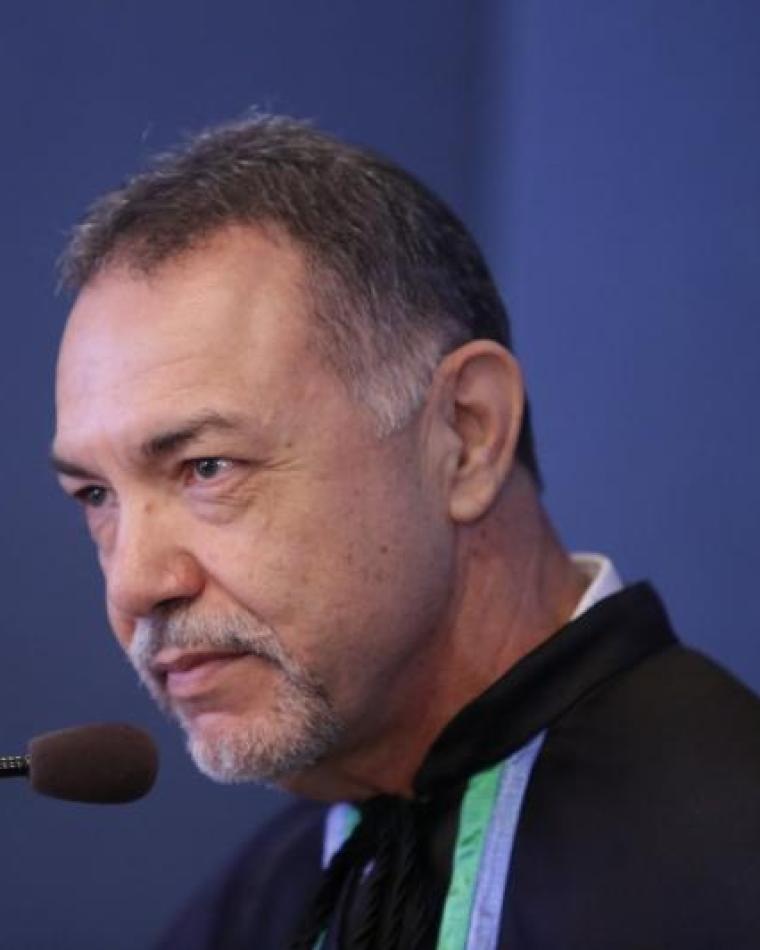
Abstract
This plenary talk presents a prospective immersion on the Hill’s model, introduced more than a century ago, aiming at to explain the binding of oxygen molecules to hemoglobin and subsequently used to explain a huge variety of biological data. Evaluation of cell viability challenged by a particular bioactive compound, including bioactive nanomaterials, is among the experiments Hill’s model has been applied. Nevertheless, even after half of a century has passed since the “NANO” term was coined and introduced into the scientific literature, only recently emerged a proposal on how to incorporate the morphological characteristics (mean size and size dispersity) of a nanomaterial in the description of in vitro bioassays, as for instance cell viability assays. Moreover, in recent years, the standard Hill’s model has been used to describe cell viability assays performed with nanomaterials. In view of this long-standing gap in the literature, the present talk aims to present a recently-developed Hill-inspired model that successfully accounts for the description of MTT assays performed with nanomaterials, emphasizing the impact of the mean size and size dispersity in the biological response. In conclusion, the concept of “biological polydispersity” of a nanomaterial is then introduced, meaning the size characteristics of a nanomaterial while recognized by a particular biological assay. Last, but not least, for a nanomaterial, the “biological polydispersity” is compared with the morphological polydispersity, the latter assessed from high-resolution microscopy micrographs.
Biography
Professor De Morais, PhD, full Professor of Physics at the University of Brasilia (UnB) – Brazil up to 2013. Appointed as UnB’s (Brazil) Emeritus Professor (2014); Visiting Professor at the Huazhong University of Science and Technology – China (2012-2015); Distinguished Professor at the Anhui University – China (2016-2019); Professor at the Catholic University of Brasília – Brazil (since 2018); 2007 Master Research Prize from UnB. He held two-years (1987-1988) post-doc position with Bellcore – USA. Doctoral degree (1986) from the Federal University of Minas Gerais – Brazil. With more than 14,500 citations, He has published more than 500 papers (Web of Science), presented about 300 invited talks worldwide (35 countries), and filled 18 patents.
Abstract
In recent years, environmental issues including air and water pollution, climate change, overexploitation of marine ecosystems, exhaustion of fossil resources, conservation of biodiversity are receiving major attention from the public, stakeholders and scholars from the local to the planetary scales. It is now well recognized that human activities yield major ecological and environmental stresses with irreversible loss of species, destruction of habitat or climate catastrophes as the most dramatic examples of their effects. From this point of view, it is of great concern and environmental challenges today to preserve, conserve and manage the renewable natural resources in the marine and coastal areas for the sustainable development in Bangladesh. Sustainable development emphasizes the need to organize and control the dynamics and the complex interactions between man, production activities, and natural resources in order to promote their coexistence and their common evolution.
Efficient and sustainable management of natural recourses and the control measure of such systems mainly depends on essential understanding the mechanisms of their evolution over time where mathematical modeling in terms of nonlinear differential equations (ODEs) can play a significant role. Marine resources are the renewable natural resources which can be modeled in terms of ODEs to promote understanding the behaviors of such nonlinear systems and contribute to potential solutions to environmental challenges. In this talk, we discuss a nonlinear dynamic model to illustrate the adverse effects of global warming and rapid concentrations of greenhouse gas (GHG) on marine ecosystems. We develop an optimal control model to efficiently manage our marine ecosystems. This study establishes a mathematical relationship between the environment and marine ecosystems that could contribute to sustainable management.
Biography
Dr. Md. Haider Ali Biswas is currently affiliated with Khulna University, Bangladesh as a Professor of Mathematics under Science Engineering and Technology School and he served as the Head of Mathematics Discipline from 2015 to 2018. Prof. Biswas obtained his B Sc (Honors) in Mathematics and M Sc in Applied Mathematics in the year 1993 and 1994 respectively from the University of Chittagong, Bangladesh securing First Class First both in BSc (Hons) and MSc programs, M Phil in Mathematics in the year 2008 from the University of Rajshahi, Bangladesh and PhD in Electrical and Computer Engineering from the University of Porto, Portugal in 2013. He has more than 24 years teaching and research experience in the graduate and post-graduate levels at different public and private universities in Bangladesh. He published Six Books, Twelve Book Chapters and more than 250 research papers in the peer reviewed and indexed journals and international conferences. Prof. Biswas supervised more than 150 undergraduate students (Undergraduate Project Thesis), 80 MSc Students (MSc Thesis and Project Thesis), 5 MPhil Students and 12 PhD Students at Different Public Universities in Bangladesh and Indonesia. Prof. Biswas has worked at several R & D projects in home and abroad as PI and/or Researcher, particularly he conducted several research projects funded by Khulna University Research Cell, the Ministry of Science and Technology, Bangladesh, University Grants Commission of Bangladesh, Foundation for Research on Educational Planning and Development (FREPD), Bangladesh and The World Academy of Science (TWAS), Trieste, Italy. His present research interests include Optimal Control with Constraints, Nonsmooth Analysis, ODEs and Dynamical Systems, Mathematical Modeling, Mathematical Ecology, Environmental modeling and Climate change, Mathematical Biology and Biomedicine, Epidemiology of Infectious Diseases. Since the last ten years, Prof. Biswas has been working on the applications of mathematical models for designing and implementing those to real life problems, specially for the sustainable/optimal management under the changing environment due to global warming. He is the life/general members of several professional societies and/or research organizations like Bangladesh Mathematical Society (BMS), Asiatic Society of Bangladesh (ASB), Institute of Mathematics and its Applications (IMA), UK, European Mathematical Society (EMS) and Society for Mathematical Biology (SMB). Dr. Biswas is the founder member of Mathematics Forum Khulna and served as the General Secretary of the Forum in 2013-2015. Dr. Biswas organized several national and international seminars/workshops/conferences in home and abroad and he has been working as Chief Guest Editor/Associate Editor/Editor/Member of editorial boards of several international peer-reviewed journals. Presently Prof. Biswas has been acting as the Associate Editor of Khulna University Studies since 2022. Professor Biswas delivered more than 80 Talks as Keynote/Invited/Plenary/Panel Speaker at several international conferences/seminars/workshops in home and abroad. Professor Biswas was nominated as the Member of the Council of Asian Science Editors (CASE) for 2017-2020 and the Associate Member of the Organization for Women in Science for the Developing World (OWSD) since 2017. Professor Biswas was the elected Vice-President of Bangladesh Mathematical Society (BMS) for the year 2022-2023. Professor Biswas has been presently serving as the Founding President of Bangladesh Society for Mathematical Biology (BSMB) since 2020. Recently, Professor Biswas received the "Vice-Chancellor Award 2020" awarded by Khulna University, Bangladesh for his outstanding contributions to education and research and received the "Outstanding Researcher Award 2022" awarded by IEOM Society International in recognition and appreciation of outstanding research and publications in applied mathematics and service to IEOM profession and "Special Commemoration Award 2023" in Recognition for his Outstanding Contributions to Education and Research in an Occasion "Education Fair 2023", awarded by the Dumuria-Phultala Upazila Public University Students' Welfare Society, Khulna, Bangladesh.
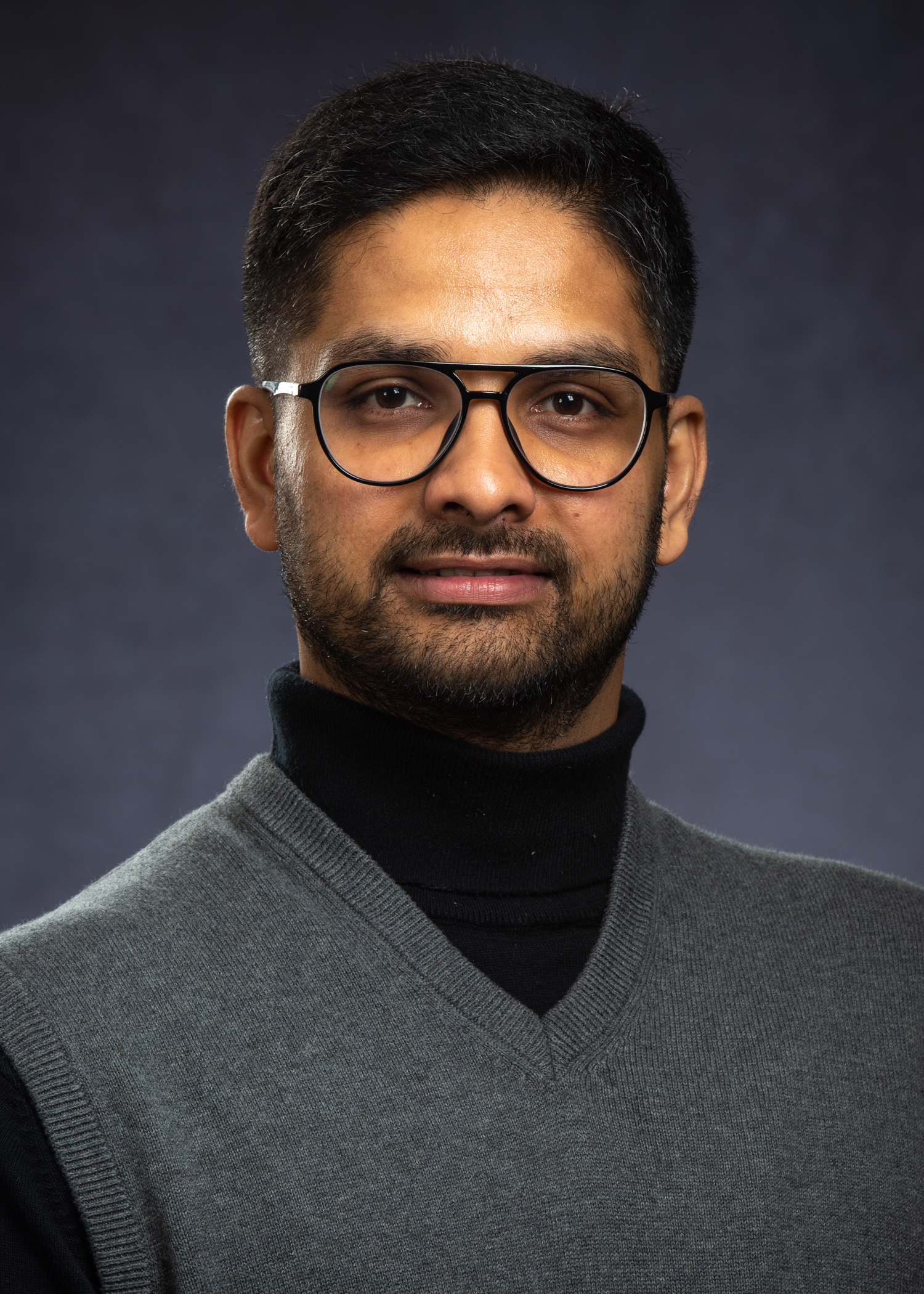
Abstract
Quantum computing is rapidly progressing from a primarily academic pursuit toward a technology capable of addressing real-world computational challenges. However, ensuring the correctness of quantum algorithms remains a significant obstacle. The unique characteristics of quantum computation, including superposition, entanglement, measurement effects, operation within complex Hilbert spaces, and the exponential growth of quantum state spaces, make verification considerably more difficult than in classical systems. These challenges are further compounded by the current limitations, cost, and immaturity of quantum hardware.
This keynote presents a scalable and platform-independent approach for the functional verification of gate-based quantum programs through the use of symbolic bit-vector abstractions. The method enables formal reasoning about quantum algorithms while avoiding
the prohibitive complexity associated with explicit state-space analysis. Its effectiveness is demonstrated through the verification of Quantum Phase Estimation (QPE) circuits containing more than 10,000 qubits, highlighting its potential for large-scale quantum systems.
The talk will provide attendees with insights into contemporary challenges in quantum circuit verification and illustrate how formal methods can be applied to achieve scalable and rigorous verification of quantum algorithms as the field continues to mature.
Biography
Dr. Arun Govindankutty is a researcher in Electrical and Computer Engineering, with research interests spanning quantum information and computing, formal verification, electromagnetics, and emerging computing technologies. His notable works among others include developing scalable verification methodologies for quantum algorithms and circuits, including the Quantum Fourier Transform, quantum phase estimation, quantum data encoding, quantum error detection, and entanglement with publications in leading venues including reputed IEEE International Conferences and IET journals. In addition to his contributions to quantum verification, he has conducted research in electromagnetic modeling, transformation electromagnetics, cryogenic in-memory computing, and novel device applications. Dr. Govindankutty is actively involved in the quantum computing community through research, mentoring, and professional engagement, with a growing body of scholarly work aimed at improving the reliability and scalability of future quantum systems. He also brings extensive experience from the VLSI industry, with expertise in electronic design automation (EDA), chip design, validation, and verification. Over the course of his career, he has held technical leadership roles, including Senior Engineer at Ansys and Technology Lead at Intel Technologies.
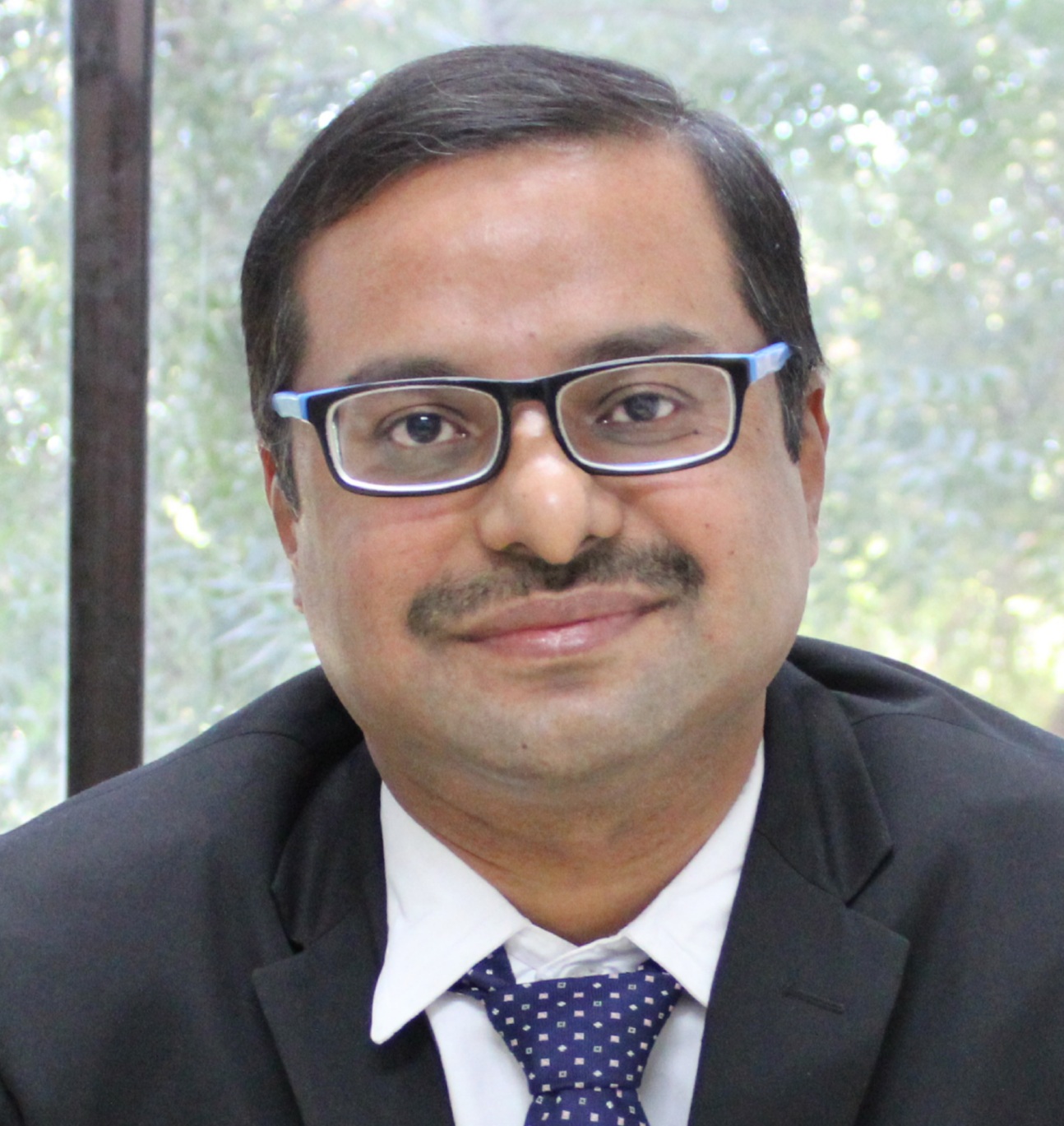
Abstract
Image Forensics market is the exponential rise in digital content creation and distribution. The proliferation of social media platforms, online news portals, and user-generated content has led to a significant surge in the circulation of digital images. This has, in turn, heightened the risk of image forgery, misinformation, and copyright infringement. Organizations and governments are increasingly investing in sophisticated image forensic tools to authenticate visual content, identify tampering, and ensure the integrity of digital evidence. The demand for automated forensic solutions powered by AI and machine learning is further accelerating market growth, as these technologies offer enhanced accuracy, scalability, and real-time detection capabilities.
The global Image Forensics market was valued at USD 1.8 billion in 2025 and is projected to expand significantly to USD 4.3 billion by 2034, registering a robust Compound Annual Growth Rate (CAGR) of 12.4%. If considering the broader Forensic Imaging sector—which encompasses hardware modalities like post-mortem CT, MRI, and 3D crime scene scanners—the market is substantially larger, expanding from USD 6.91 billion in 2026 to USD 11.40 billion by 2032.
The rapid advancements in hardware and software technologies are also playing a pivotal role in the expansion of the Image Forensics market. Innovations in high-resolution imaging devices, cloud-based forensic platforms, and real-time analytics are enabling more efficient and comprehensive image analysis. The integration of blockchain for tamper-proof evidence management and the emergence of edge computing for on-site forensic analysis are further enhancing the capabilities of image forensics solutions. These technological breakthroughs are attracting investments from both public and private sectors, driving the development and adoption of next-generation forensic tools. Image Forensic Research trends cover broad areas of Healthcare Imaging, Multimedia Forensics, Social Media Forensics and Cyber Forensics making it a very interesting multidimensional research domain.
Keywords: Forensic Imaging, Cyber Forensics, Multimedia Forensics, Healthcare Forensics.
Biography
Prof. (Dr.) Sailesh Suryanarayan Iyer has a Ph.D. (Computer Science), Post Doc from University of Louisiana, Lafayette, USA (Public University ranked among the top 100 Public Universities) and currently serving as a Professor and Principal at NSIT-IFSCS, Ahmedabad. 9 Scholars have been awarded Ph.D. and also recognized as Supervisor for Lincoln Global Post Doctoral Program and Adjunct Research Faculty at Lincoln University College, Malaysia. He is also Co-Guide for Post Doc Scholars at reputed International Universities like University of Louisiana (Lafayette, USA) and Singapore Institute of Technology (Singapore). He is an IEEE Member and CSI Lifetime Member. He has more than 25 years of experience in Academics, Industry and Corporate Training out of which 20 years are in core Academics. He has been awarded Research Excellence Award for years 2021, 2022 and 2023 by Rai University and an Honorary Adjunct Research Scientist at Neurolabs International under Dana Brain Health Institute, Iran from August 2022 to August 2025. He has several Patents granted and published to his credit and is involved as an Editor for various book projects with Elsevier, IGI Global (USA), CRC Press Taylor and Francis (UK), Screnevier Wiley and Bentham Science (UAE). He has been invited as Keynote Speaker in various International Conferences held in 12+ Countries all over the world. A hardcore Academician and Administrator, he has excelled in Corporate Training, delivered 250+ Expert Talks in various AICTE sponsored STTP’s, ATAL FDP’s, Reputed Universities, Government organized Workshops, Orientation and Refresher Courses organized by HRDC, Gujarat University. Research Contribution include reputed Publications, Track Chair in reputed International and National Conferences, Reviewer of International Journals like Multimedia Tools and Applications (Springer), Journal of Computer Science (Scopus Indexed), International Journal of Big Data Analytics in Healthcare (IGI Global), Journal of Renewable Energy and Environment and Editor in various Journals. He has also been invited as a Judge for various events, Examiner for Reputed Universities, is a Computer Society of India Lifetime Member and also serving as Managing Committee (MC) Member, CSI Ahmedabad Chapter from 2018-2020. Research interest areas: Computer Vision and Image Processing, Cyber Security, Data Mining and Analytics, Artificial Intelligence, Machine Learning, Blockchain.
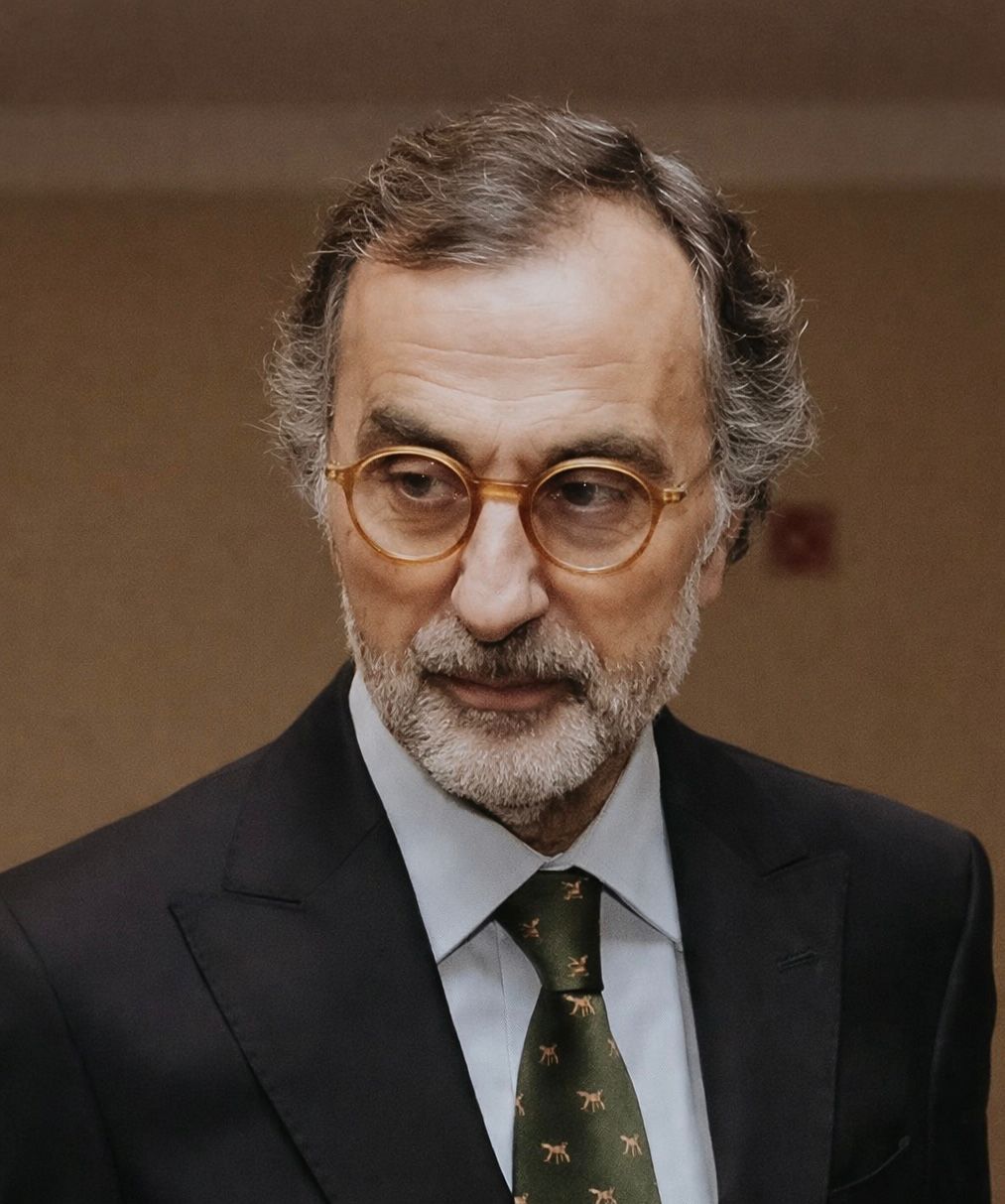
Abstract
Abstract - Artificial intelligence has moved through several scientific lives: a logic of formal symbol manipulation, a statistical theory of pattern recognition, a neural theory of representation learning, and now a foundation-model paradigm in which large-scale pretraining, multimodal alignment, tool use, and deployment infrastructures reshape the relation between computation, knowledge and action. This article offers a critical synthesis of AI's past, present and future for a high-impact journal audience. The past is reconstructed through the milestones that changed the epistemic contract of the field: formal neurons and computability; symbolic search and expert systems; probabilistic and statistical learning; backpropagation and deep neural networks; reinforcement learning; large-scale self-supervision; transformers; generative models; and alignment by human preference. The present is examined as a multi-layered capability stack rather than as a set of isolated algorithms: data and compute infrastructures, foundation models, multimodal systems, retrieval and tool-using agents, AI-for-science platforms, evaluation regimes, and socio-technical governance. The central thesis is that the next phase of AI will not be decided by scale alone. It will be decided by whether AI systems can become epistemically reliable, physically grounded, privacy-preserving, multilingual, energy-conscious, auditable and scientifically useful under real-world distribution shift. The article concludes with a research agenda for AI as a verified, situated and governable scientific infrastructure.
Keywords: artificial intelligence; foundation models; generative AI; AI history; large language models; agentic AI; AI governance; AI safety; AI futures; AI for science.
Biography
Fernando Moreira established the Science and Technology Department, created the first engineering degrees, and served as its head from May 2018 until February 2022. He earned his Bachelor's degree in Computer Science in 1992, a Master's degree in Electronic Engineering in 1997, and a Ph.D. in Electronic Engineering in 2003, all from the Faculty of Engineering at the University of Porto. In 2018, he also achieved his Habilitation. He has been a member of the University since 1992 and currently holds the position of Full Professor. Additionally, he serves as a visiting professor at several other esteemed universities. His teaching portfolio encompasses a range of subjects across undergraduate and postgraduate studies. He also supervises Ph.D. and Master's students. He has made significant contributions to his field, with over 325 peer-reviewed, Scopus-indexed scientific publications in national and international journals and conferences. He serves on the Editorial Advisory Board for several journals and books. He has organized numerous special issues for JCR journals (Telematics and Informatics, Future Generation Computer Systems, Cluster Computing, Expert Systems, etc.). His commitment to advancing research is reflected in his consistent participation as Conference Chair, Workshop Chair, Chief Guest, and Keynote speaker, as well as on the programme and scientific committees of national and international conferences. He served as the MSc in Computation coordinator for a decade, demonstrating his dedication to academic leadership. He is a member of the REMIT research centre steering committee, with extensive editorial experience and a track record of co-editing several books. His professional affiliations include NSTICC, ACM, and IEEE. His primary research interests include mobile computing, AI in higher education, Machine Learning, and Digital transformation. He received the prestigious Atlas Elsevier Award in April 2019 for his contributions.
“ Will be updated soon...”
“ Will be updated soon...”