Abstract
What is the Connection Between Essential Oils and Self Development? essential oils benefits, aromatherapy, holistic healing, emotional well-being, mind-body connection
Essential oils have gained significant recognition in recent years, emerging as essential tools for personal development and holistic healing. These concentrated plant extracts are much more than fragrant additions; they possess a wide array of therapeutic properties that can profoundly influence our mental, emotional, and physical well-being. When used correctly, essential oils can facilitate transformative experiences, helping individuals achieve a greater sense of balance and harmony in their lives.
Essential oils, whether added to meditation sessions, yoga practices, or moments of self-reflection, essential oils can help individuals cultivate a deeper awareness of their thoughts and feelings. This heightened state of consciousness is fundamental for anyone committed to self-development, as it allows for greater introspection and understanding. By taking a moment to focus on the aromas, individuals can create sacred spaces for themselves, enhancing their ability to connect with their inner selves.
As we explore the vast realm of essential oils, it becomes clear that they are not just tools but true allies on our journey toward holistic health. Thoughtfully integrating these oils into our lives can unlock new pathways for growth, fostering a sense of balance and harmony within ourselves. Each essential oil carries its unique properties and potential benefits, making it essential to choose ones that resonate personally. For instance, lavender is often associated with calming effects, while citrus oils like lemon can invigorate and uplift the spirit.
The core of this technique lies in understanding how essential oils influence mood and emotional states. They interact with our olfactory system, intricately linked to the brain’s limbic system—the area responsible for emotions and memory. This connection explains why certain scents can evoke specific feelings or memories, creating a powerful emotional response. For example, the scent of peppermint may energize and enhance focus, while the aroma of chamomile can foster relaxation and tranquility.
By employing these natural fragrances, individuals can create environments conducive to emotional wellness and the psychological effects of scents extend well beyond simple mood enhancement; they can trigger specific memories or associations that positively affect one’s state of mind. This
In conclusion, integrating aromatherapy into life offers a powerful tool for managing stress and enhancing overall mental health, which in turn enhances our leadership and emotional reactivity. By embracing these natural allies, we can cultivate a more balanced and harmonious existence, unlocking new levels of growth, self-awareness, which can implement our social and business health. Ultimately, essential oils provide pathway to deeper emotional and physical well-being and unlock our healing capabilities transforming not only our routines but our entire approach to life, allowing us to thrive in our personal journeys toward “holistic health”
Biography
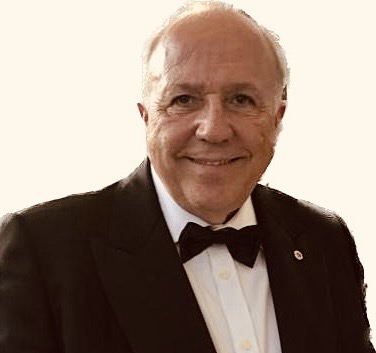
Born and raised in the United States, after studying Medicine at the University of Genoa, I specialized in he graduated from Medicine & Health Sciences Founder, Educational Director and Professor of Holos Academy – Educational & Training Center (Switzerland) and President of the Swiss Clinical Aromatherapy Association (Switzerland) Consultant in Clinical Aromatherapy and Emotional Aromatheraoy for the Geriatric Center of the Luganese Hospital of Moncucco - Dr. Pio Eugenio Fontana and Geriatric Center at Felix Platter Hospital - Prof. Reto Kressig I worked as an assistant at Peking University during his specialization in Traditional Chinese Medicine and as an Associate Professor at the University of Siena where he taught Medical Informatics, Naturopathic Phlebolymhlogy and Vodder Technique.
Abstract
Artificial intelligence, i.e., molecular modeling based on density functional theory (DFT) enables theoretical verification of the properties and reaction processes of molecular aggregates. The Q-chem calculation code that is the basis of molecular modeling incorporates AI in the form of a neural network model, making calculation speed extremely fast. I have experience in clarifying the actual state of intermolecular associations using the molecular modelin software Spartan 20 incorporating the Q-chem calculation code.. In other words, Spartan 20 is the same artificial intelligence molecular modeling software, AlphaFold2, used by last year's Nobel Prize winner in chemistry.
Using the molecular modeling software Spartan 20, I have verified that the energy supplied by the mitochondria of the cells is microwave and radio wave energy, and that the microwave and radio wave energy from the mitochondria are converted into infrared, i.e., theramal energy, which thermally promote metabolic chemical reactions in the cells.
While reviewing this abstract, I came across a 2003 review paper by Michael B. Schacter, MD, entitled "Iodine: Its Role in Health and Disease: Some New and Stimulating Concepts.”
The presentation will highlight the following points related to iodine-related disease prevention and healing:
- The cause of disease is never a pathogen, but rather the destruction of the mitochondrial endoplasmic reticulum, the engine of the cell, by harmful hydrated hydroxyl radicals [HO*(H2O)2], which causes cellular aging (cell theory). It is believed that cellular aging induces disease caused by pathogens.
- Iodine, which contributes greatly to health and disease prevention, is available in the forms of hydrated potassium iodide [KI(H2O)2] and hydrated potassium iodate [KIO3(H2O)2].
- Hydrated potassium iodide and hydrated potassium iodate inactivate hydrated hydroxyl radicals[HO*(H2O)2], generated in the mitochondrial endoplasmic reticulum, thereby inhibiting cellular aging and promoting health
Conclusion.
Proper dietary habits that include the mineral iodine in the ppm range, such as the Mediterranean diet or Japanese diet, are essential to maintaining good health.
Reference.
Iodine: Its Role In Health and Disease; Some New Exciting Concepts
Michael B. Schachter, M.D.
https://refp.cohlife.org/_schachter/schachter-Iodine.pdf
Biography
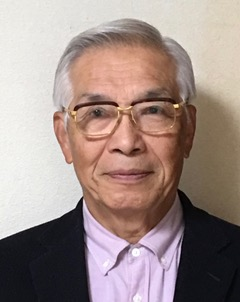
Shozo Yanagida (Emeritus Professor of Osaka University since 2004) is a pioneer of molecular-structured solar cells and now stay at the forefront with regards to density functional theory-based quantum chemisty molecular modeling of molecular aggregats. Now, he may be regarded as a molecular-structure chemist using density-functional theory. He presented a plenary lecture entitled “Carbon dioxide is by no means the cause of climate change, and solar radio radiation causes climate change. Forecast/Verification by Quantum Chemistry Molecular Modeling in a global conference. Many theoretical verification examples by molecular modeling can be found on the homepage of M3 Laboratory Co., Ltd. (https://www.m3lab.en/).
Abstract
The Mediterranean Diet (MD) is widely recognized as one of the world’s healthiest and most enduring dietary patterns, with roots stretching back thousands of years. It has evolved over millennia through geographic, cultural, and historical influences by diverse civilizations in the Mediterranean region mainly by emphasizing locally available seasonal plant foods, whole grains, fruits, vegetables, beans, legumes, nuts, seeds, herbs, spices, and healthy fats such as olives and extra virgin olive oil. Moderate amounts of lean protein (such as fish, seafood, and poultry) as are eggs, dairy products such as yogurt, and wine (red wine, in particular, with meals. The MD was also shaped by the holistic health principles advocated by figures like Hippocrates, Plato and Galen. It stands out as a well-researched dietary pattern in the world. It’s associated with many health benefits; it has a significant effect on the immune system, in reducing cardiovascular disease, and chronic conditions. It has been linked with a decreased incidence of various forms of cancer, diabetes and metabolic disorders, neurodegenerative conditions, lower risk of mental disorders, cognitive decline, depression, inflammatory diseases, management of weight, obesity and promoting healthy aging and longevity
Biography
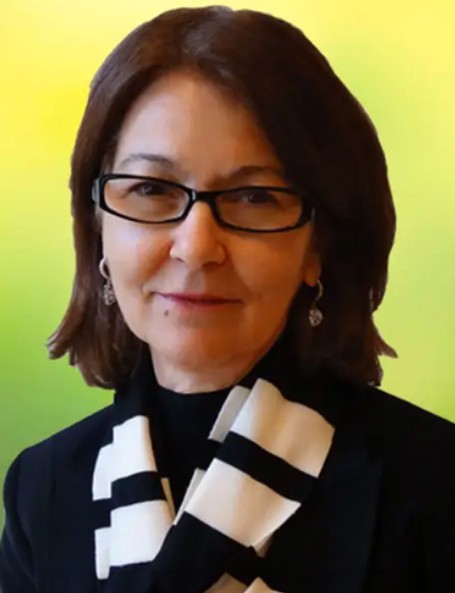
Dr. Matina Chronopoulou was born in Sparta, Greece. Today, she is a practicing Naturopathic Doctor, Homeopath, Acupuncturist and Bioresonance Therapist. She has been involved in natural therapies since the late 1970s. Since 1995 she has been the director of the Center for Natural Medicine and Acupuncture in Athens, with an emphasis on physiotherapy, nutritional medicine, lifestyle modification, herbal medicine, homeopathy, acupuncture, flower essences and energy medicine. She practices private practice, lectures and teaches. Additionally, she specializes in educational workshops and seminars for professionals. She shares her knowledge about the traditional Mediterranean therapeutic diet, herbal walks and herbal retreats in the Greek countryside. She has presented scientific papers around the world and has regularly contributed articles to natural health journals, newspapers, television and radio talk shows for the past 25 years. Dr. Matina Chronopoulou is a columnist for the Huffington Post and Director of the Naturopathy and Complementary Medicine program and a member of the Board at Warnborough College Ireland.
Abstract
The understanding of Qi, the cultivation of Qi, along with a practical clinical understanding of Chinese Medicine and Acupuncture makes Long Distance Medical Qi Gong a viable medical practice which becomes very useful in an era of Covid. No needles needed, no in person session is needed for outstanding clinical results. Musculoskeletal pain , rashes, headaches, urinary tract infections, sleep improved, spirits lifted, immune system fortified.
Medical Qi Gong is the intersection of the science of consciousness meeting the science of medicine for the purpose of healing and health. Medical Qi Gong is far more sophisticated than simply hands on healing. It is a specialty within Traditional Chinese Medicine with roots going back 7,000 years, to the Huang Di Nei Jing. Acupuncture itseif is actually the medical study of Qi, with needles simply a conduction tool. Acupuncture is the study of Qi, the understanding of Qi, and the manipulation of Qi for therapeutic purposes. The manipulation of Qi within a very sophisticated system of medicine. It is the practice of Acupuncture and that is also the practice of Medical Qi Gong.
Biography
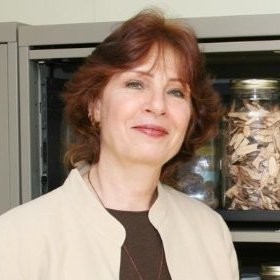
Dr. TruthSayer, DAOM, Dip.OM, LAc, LMFT, has a doctorate in Acupuncture and Oriental Medicine, a Masters of Science in Traditional Chinese Medicine, three Masters Degrees in Psychology and a Bachelors in Chinese Linguistics. She is President Emeritus of the California State Oriental Medical Association, and a former faculty member of the American College of Traditional Chinese Medicine in San Francisco. She has 20+ years of clinical experience and has been the disciple for ten years, of Dr Huang Li Chun,MD(China), LAc., world famous physician, teacher, and WHO recognized top expert in Auricular Medicine

Abstract
This presentation explores the evolving understanding of how refined sugars and carbohydrates contribute to chronic inflammatory diseases, tracing key milestones from ancient times to modern science, and explaining the biological mechanisms behind this link. In early history, diets were low in sugar, and traditional medicine hinted at connections between food and illness. With the rise of sugar refining in the 17th century and its widespread use during the Industrial Era, health issues like obesity, diabetes, and heart disease became more common. By the 20th century, scientists began to suspect sugar— not just fat—might be fueling these modern epidemics. Visionaries like John Yudkin warned of sugar’s dangers decades before it became widely accepted. Modern research has confirmed that refined sugars trigger chronic, low-grade inflammation. When blood sugar spikes repeatedly, the body releases arachidonic acid from cells, which is converted into inflammatory chemicals such as prostaglandins and leukotrienes. These, along with cytokines like TNF-α, IL-6, and IL-1β, create a harmful feedback loop that keeps the immune system activated unnecessarily. This internal inflammation damages blood vessels, disrupt insulin signaling, and fuel conditions like atherosclerosis, obesity, and neurodegenerative disease. The interaction between inflammatory fats and immune messengers lies at the heart of many chronic diseases today. Encouragingly, science also shows that reducing refined sugars and eating anti-inflammatory foods—like those rich in omega-3s—can help break this cycle and support long-term health.
Biography
Dr. Kevin KF Ng, a distinguished pharmacologist, began his career in Singapore in 1962. His early research uncovered emetine’s neuronal blocking effects, earning him an MD in 1967. Working with Nobel Laureate Sir John R. Vane, he discovered angiotensin-converting enzyme (ACE) in the lungs and an ACE inhibitor in snake venom, paving the way for drugs like captopril. He received his PhD from the University of London in 1968. After moving to the U.S. in 1981, he conducted over 150 clinical trials. Since 2008, he has focused on “Food as Medicine,” exploring phytochemicals' roles in pain relief and disease prevention.
Abstract
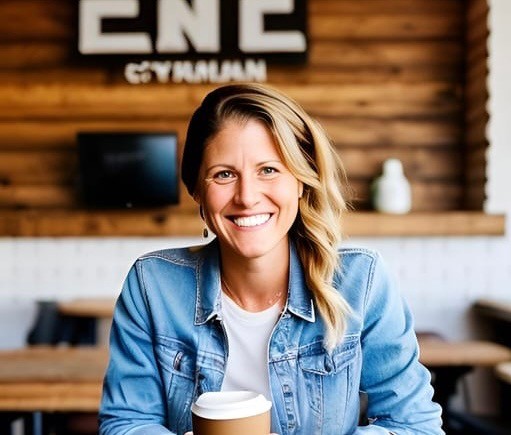
10%-40% of adults will experience an eating disorder (ED) at some point in their lifetime. While anorexia nervosa tends to be the most commonly recognized and detected ED, binge eating disorder (BED) is by far the most prevalent, with 22–31% of individuals estimated to experience BED at some point in their lifetime. BED prevalence rates are similar to those of substance related and addictive disorders (SRADs), anxiety, and depression (~16–30%). Moreover, ~95% of individuals who meet diagnostic criteria for BED never receive a formal diagnosis or self-recognition, suggesting prevalence rates are higher than estimated. Broadly, EDs are characterized by persistent disturbances of eating-related behaviors that result in altered food consumption or absorption. While this categorization focuses on feeding and eating behaviors, EDs are bio-psycho-social and impact physical, psychological, emotional, cognitive, and social function. For example, BED is characterized by episodes of rapidly consuming objectively large amounts of food in discreet time periods, due to loss of control, associated with distress, guilt, and shame, occurring at least weekly for at least three months. BED is also associated with a complex health sequela that includes high co-occurrence (65-85%) with adverse childhood and lifetime experiences, PTSD, SRADs, depression, anxiety, ADD/ADHD, overweight, obesity, diabetes, and cardiometabolic disorder. These comorbidities often go undiagnosed, contributing to BED development and maintenance. This presentation will review environment and risk factors associated with BED, as identified by experts in the fields (researchers, clinicians, and healthcare administrators). Clinical factors, treatment options, and clinical gaps will also be addressed. R90 AT008924/AT/NCCIH
Biography
Brenna Bray holds a PhD in Biomedical Sciecne and Neuroscience focussing on the impacts of stress hormones on reward neurotransmission in control- and drug withdrawal states. She received postdoctoral training in Complementary and Integrative Health through the National Institute of Health (NIH/NCCIH)’s BRIDG_R90 Fellowship focussing on nutrition, mental health, public health, and eating disorders. She serves as Associate Professor at the National University of Natural Medicine (Graduate and NIH/NCCIH BRIDG_R90 Training Programs), Associate Adjunct Professor at Naropa University (Graduate and Undergraduate Schools), and Directs the NourishED Research Founation (www.nourishedrfi.org). She has 7 first-author PubMed-indexed publicaations and >45 Peer-Reviewed Scholarly works.

Abstract
Emerging interdisciplinary research at the intersection of occupational health, immunology, and behavioral science underscores a profound biological cost of toxic workplace environments—particularly those characterized by chronic stress, poor leadership, and lack of psychological safety. This keynote explores the physiological consequences of sustained psychosocial stress in the workplace and the protective role of emotionally intelligent leadership in mitigating these effects.
Studies have shown that hostile or emotionally unsafe work environments—marked by micromanagement, lack of autonomy, emotional invalidation, or fear-based leadership—activate the hypothalamic-pituitary-adrenal (HPA) axis, leading to chronically elevated cortisol levels and dysregulated inflammatory responses. Chronic stress exposure is linked to suppressed lymphocyte activity, increased pro-inflammatory cytokines (e.g., IL-6, TNF-alpha), and greater susceptibility to infections, autoimmune conditions, and metabolic disorders. Employees under toxic leadership also exhibit higher allostatic load and show early signs of immunosenescence.
Conversely, emotionally intelligent leadership—defined by self-awareness, social attunement, empathy, and emotionally supportive communication—has been associated with lower employee cortisol levels, reduced absenteeism, and improved psychological resilience, according to longitudinal data from occupational health studies. Supportive leadership environments align with improved heart rate variability, immune cell recovery, and perceived well-being, demonstrating a measurable impact on physical health markers.
Integrating insights from organizational psychology, immunology, and leadership science, this keynote will present a compelling argument that leadership is a modifiable environmental factor with biologically significant health outcomes. The teachings of Dr. John C. Maxwell, which position leadership as a form of service and emphasize the intrinsic value of individuals, offer a practical and ethical framework to operationalize emotionally intelligent leadership for health-preserving organizational cultures.
Biography
Ine-Mari Bredekamp, a 1997 graduate of the Isa Carstens Health and Skin Care Academy in South Africa, holds a CIDESCO Health and Skin Care Diploma. Her CIDESCO final paper focused on stress's impact on daily life. Married to pilot Louis Bredekamp since 2004, she witnessed firsthand the effects of sleep disruption in aviation. After the recent sudden death of her husband, Ine-Mari’s curiosity spiked into the correlation between mindset and immunity. Amid the COVID pandemic, her husband was flying cargo to different parts of the world, however the horrific circumstances that they were treated in other countries, as well as severe jetlag, impacted his mental health tremendously. In a Global Webinar on Emotional Intelligence and the impact your mind has on your immunity, Ine-Mari aims to share insights that can shed the light on Emotional Intelligence in the workplace and the impact it will have on the office / employees.

Abstract
Somatic dysfunctions, such as pain, ROM restrictions, trigger points in the muscles, fascial restrictions, postural changes, etc., are triggered by trauma or chronic overload. However, a less known cause is the phenomenon of reflex zones formation. In such cases, clinical symptoms in the soft tissue are formed secondarily to silent triggers located in completely different parts of the body.
The frequent lack of stability in the clinical results of somatic pain and dysfunction therapies revived interest in 'the groundbreaking work by Prof. Korr, (1947) and Dr. Glezer, and Dr. Dalicho (1955) on reflex zone formation, which is the topic of this presentation.
Reflex zones in the soft tissues resulted from two main factors: 1. Even mild irritation of the spinal and peripheral nerves in proximal segments presents as clinical symptoms at the end of innervation. As a result, the function of the peripheral receptors in these areas is altered, and sensory input into the brain forms pathological motor output. At this stage, the patient's brain cannot identify the real trigger, concentrating solely on the areas with dysfunctions of peripheral receptors. It misleads practitioners who see symptoms as a local pathology rather than reflex zones phenomenon. It requires a different treatment strategy. 2. According to Neuromatrix Theory of Pain, chronic somatic dysfunctions activate the brain's neuromatrix, which reprints the same pattern of pain, enhancing the intensity of local clinical symptoms.
The practitioners' ability to examine and detect the presence of reflex zones is critical to the stability of the treatment results.
Biography
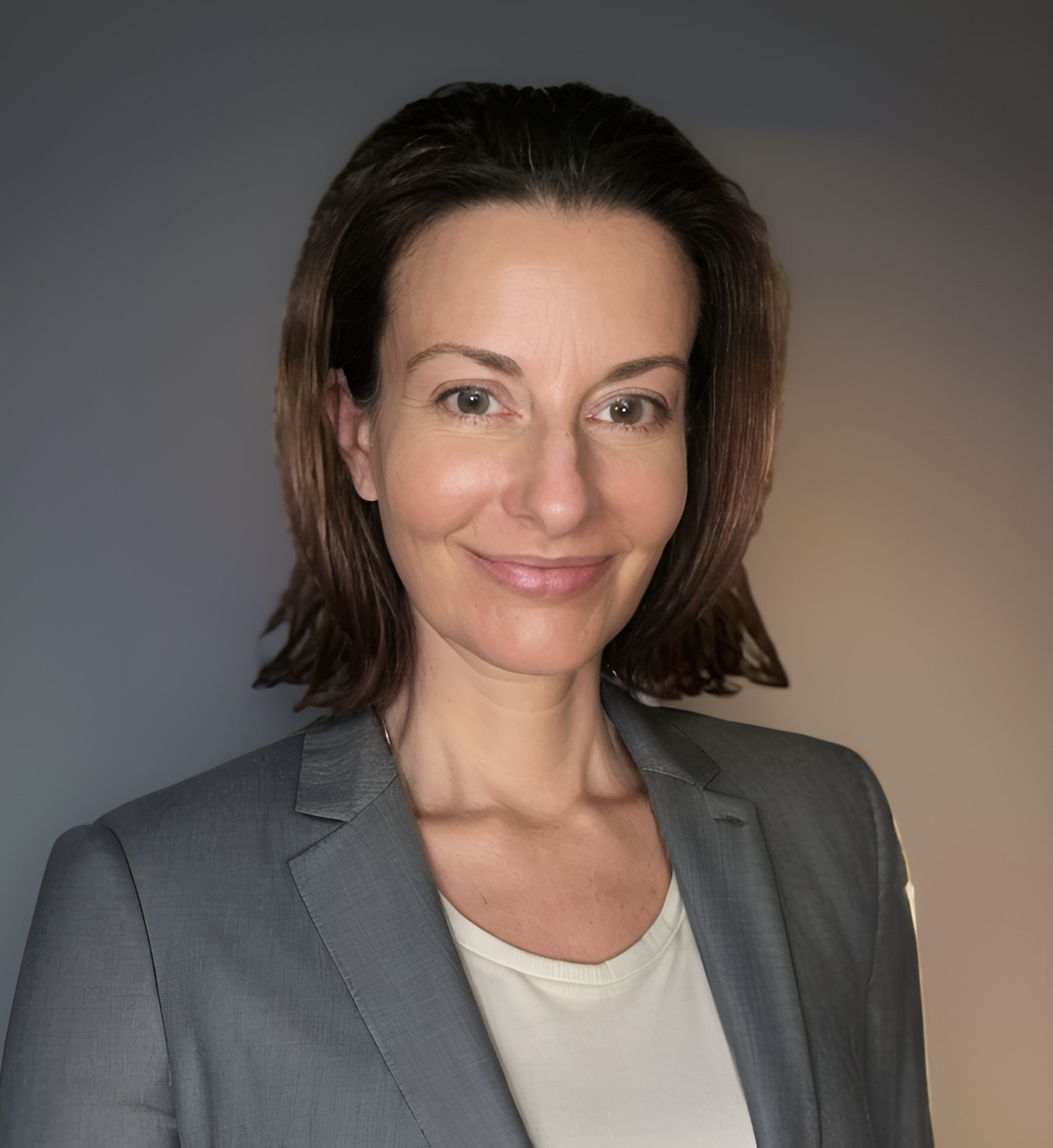
Dr. Turchaninov graduated from the Odessa Medical School in Ukraine in 1982 and residency at the Kyiv Institute of Rehabilitation. In 1989, he obtained a PhD degree in medicine. Until 1992, he worked as supervisor of the rehabilitation for the Ministry of Public Health and senior researcher at the Kyiv Institute of Rehabilitation. Since 1992, he has been practicing and teaching manual therapy in Phoenix, Arizona. Dr. Turchaninov is the author of more than 100 articles in professional journals and three textbooks: Medical Massage, Vol. I; II, and Therapeutic Massage: A Scientific Approach. He is the editor-in-chief of the Journal of Massage Science.
Abstract
Ehlers-Danlos syndrome (EDS) is a connective tissue disorder that is frequently underdiagnosed, with many patients presenting a variety of comorbidities that may not be recognized as part of the syndrome. This study investigates the critical role of protein in gut repair for individuals with EDS and related chronic illnesses. It highlights notable comorbidities, including dysmotility, mast cell activation syndrome, and dysautonomia. Issues with connective tissue can contribute to reflux and pyloric sphincter dysfunction, which may elevate gastric pH and lead to challenges in digesting protein and absorbing vitamins. Consequently, correcting gastric pH is essential before increasing protein intake.
The research underscores the importance of sufficient protein consumption for collagen synthesis, immune function, and the maintenance of gut integrity. It also identifies optimal protein sources and proposes practical intervention strategies tailored to individual dietary needs. The findings support a multidisciplinary approach that incorporates gastric acid assessments and evidence-based nutritional interventions to improve patient outcomes. This study seeks to inform healthcare professionals about the importance of prioritizing protein in dietary protocols to enhance gut health and overall well-being in patients who may be living with undiagnosed EDS.
Biography
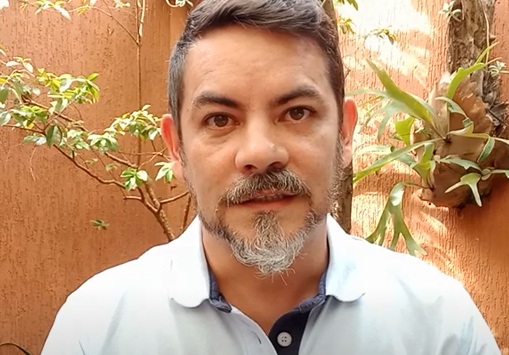
Sandra Kirkby, FNP-BC, is a board-certified Family Nurse Practitioner and Certified Autism Specialist with degrees in biochemistry and nursing. With 15 years of experience as an ICU nurse, her personal journey through chronic illness inspired her focus on integrative health approaches. She founded Neurodivergent Health, a research-driven social media platform that empowers patients to advocate for their well-being by integrating evidence-based medicine and personal experience. Her work combines clinical expertise with a commitment to holistic, patient-centered solutions, providing practical tools and insights for systemic advocacy in healthcare.
Abstract
Traditional Chinese Medicine (TCM) sees the world from the perspective of the existence of an Energy (Qi) present in everything that is alive, whose balance guarantees the health of the human organism and animals. The concept that Chinese Medicine is based on the flow of this energy through its own channels, called Meridians in the West, is already widely known and established in various health sectors. However, due to the complexity of the concept of the distribution of Qi through these channels, in general, as a way of facilitating learning, great emphasis is placed on the use of the so-called Main Meridians, often forgetting the richness and importance of other Channels that are also important in maintaining the energetic health of the human being. The formation of stagnant masses in the body has several approaches and forms of treatment. The so-called Connection Channels (Luo) establish a network of small subcutaneous channels, from superficial to deep, susceptible to the formation of stagnant masses when out of balance. Hence the importance of knowing these channels and maintaining them in order to avoid and contribute to the treatment of tumor masses.
Biography
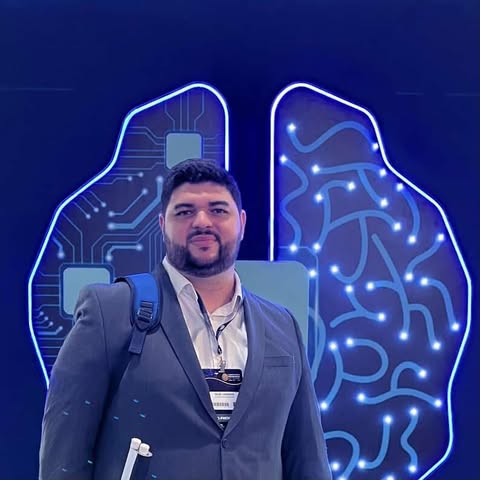
Clelcio Ribeiro is a Physiotherapist with a Latu Sensu postgraduate degree in Osteopathy and Traditional Chinese Medicine in Brazil and at Nanjing University, China. He has been in clinical practice for around 28 years in his own clinic and works as a professor of Chinese Medicine in several schools in São Paulo, Brazil.
Abstract
Introduction: Urinary incontinence (UI) is a disease that consists of the involuntary loss of urine and characterizes a manifestation that there is a problem with the functioning of the lower urinary tract. The disease generates social discomfort, professional and psychological harm to the patient. UI is more common in the geriatric phase and in women, and can be aggravated by the relaxation of the perineal muscles, as a result of age, and is a common problem among people living with Multiple Sclerosis (MS), around 90% - ABEM, 2014. The five movements of Seitai, which is a form of body work of Japanese origin, uses spontaneous movements combined with Contact Acupuncture, which is a non-invasive stimulus technique at specific points on the body. Objective: To evaluate the effect of the five spontaneous Seitai movements associated with Contact Acupuncture on whether or not there is an improvement in the discomfort caused by urinary incontinence (UI). Methods: A total of 9 female patients with MS and UI, aged 43 to 76 years. Clinical trial with 9 people diagnosed with MS and UI, received 8 treatments (1 treatment per week for 8 uninterrupted weeks), performed five seitai movements and after being evaluated for each movement, received contact acupuncture and released after improvement in movement. Participants were evaluated before and after treatment using the ICIQ-SF (International Consultation on Incontinence Questionnaire - Short Form in patients with urinary incontinence; Tamanini, 2004. Results: There was an improvement in the ICIQ SCORE of 80.98%. Conclusion: It is possible to associate spontaneous movements to contact acupuncture to improve urinary incontinence in people with multiple sclerosis.
Biography
Acupuncturist and practitioner of Traditional Japanese Therapies (SEITAI). Since 2018, he has coordinated the Volunteer Outpatient Clinic for Integrative and Complementary Practices at the Brazilian Association for Overcoming Lupus, Rheumatic and Rare Diseases, the Pro-Sickle Cell Anemia Association, and the Brazilian Multiple Sclerosis Association.

Abstract
Wellbeing is not simply the absence of disease, rather having physical and mental energy to do everything in your life, with a foundation of resilience and positivity to address life’s curve balls, embracing each day. Traditionally we look at disease conditions in silos – the cardiovascular system, respiratory system, colon etc. This may or may not be correct. Looking at each presenting condition holistically, not only from a systemic point of view, but on all levels – physical, mental, emotional and spiritual provides a deeper understanding and integrated map for both practitioner and client. Through experience of treating clients my firm belief, is that unless you treat the underlying emotional and spiritual elements there will only be temporary relief physically and mentally from the presenting issue. Not all clients are willing to go into the aspects of why a particular condition or dis ease is manifesting, nor is it necessary. This is where plants and plant remedies can support the healing process in a non-intrusive manner. Plants are much more than what meets the eye - leaf, flower, berry, root etc. Plants resonate on energetic frequencies that support gradual change and the ability of the client to heal on a deep level without them re-living negative experiences. Plants address patterns of behaviour that do not serve and which over time manifest into dis ease. My presentation will be addressing the different aspects of holistic healing and the application of herbal remedies, Phytobiophysics and orchid essences.
Biography
Rachel Shackleton, founder of Green Key Personal Development & Green Key Health is a business trainer and corporate health specialist as well as practicing kinesiologist, medical herbalist and naturopath. She has over 30 years training experience in medium and large international organisations, providing solutions in leadership, customer excellence, and workplace wellbeing. A practicing medical herbalist, naturopath and kinesiologist, Rachel believes wellness and vitality will only be achieved when addressing the physical, emotional and spiritual history through treating the client holistically. Also addresses workplace wellbeing through the same light. Featured in Thrive Global, Up Journey, Authority magazine and The Entrepreneur!s Journey as well as interviewed on UK Health Radio and the" My Future Business Show”. September 2020 Rachel was a guest speaker at the 2nd International Health Congress in Geneva on NonCommunicable diseases.

Abstract
Attention Deficit Hyperactivity Disorder (ADHD) is a complex neurodevelopmental condition affecting both children and adults, with widespread implications across behavioural, emotional, and cognitive domains. As pharmacotherapy and cognitive behavioural therapy (CBT) remain foundational treatments, there is growing interest in the role Traditional Chinese Medicine (TCM)—particularly acupuncture—can play within a multidisciplinary care model.
This abstract presents an integrative ADHD management plan incorporating acupuncture, CBT, and pharmaceutical intervention. In TCM, ADHD is understood as a disruption of internal harmony involving the Heart, Liver, Spleen, and Kidney organ systems and their associated mental-emotional aspects: Shen, Hun, Yi, and Zhi. Acupuncture treatments are tailored to individual patterns to calm the Shen, soothe Liver Qi, resolve Phlegm, and nourish Kidney Essence, aiming to reduce hyperactivity, improve focus, and support emotional regulation.
Emerging research supports acupuncture’s ability to influence key neurotransmitters and cerebral blood flow, offering physiological support that aligns with the neurological underpinnings of ADHD. When integrated with CBT and medication, acupuncture contributes to a multi-layered treatment approach addressing both symptom management and long-term wellbeing.
Drawing from both clinical insight and lived experience with neurodivergence, this model is client-centered, trauma-informed, and adaptable. It also explores the need for improved interprofessional communication between TCM practitioners and biomedical providers, offering strategies to foster collaborative care.
This framework highlights acupuncture’s potential to enhance quality of life and support cognitive and emotional function in individuals with ADHD, particularly when applied as part of a coordinated, holistic treatment plan.
Biography
Dr. Taralee Reynolds is a Doctor of Chinese Medicine, Clinical Hypnotherapist, Strategic Psychotherapist, and EFT Practitioner based in Australia. With both clinical and lived experience of neurodivergence—being ADHD herself and the parent of a child with ASD/ADHD—Taralee brings deep empathy and insight to her work. Her integrative, traumainformed approach blends acupuncture with evidence-based psychological strategies to support emotional regulation, cognitive clarity, and holistic wellbeing. Taralee specialises in the treatment of ADHD, perimenopause, fertility, and psychoemotional trauma and is passionate about bridging Eastern and Western paradigms in healthcare. She is particularly interested in the intersection of Chinese Medicine and neuroscience, offering personalised treatments that address the root causes of imbalance. Taralee advocates for collaborative, patient-centered care, and sees her role as both practitioner and translator—helping clients and other health professionals communicate across diverse models of health and healing.
Abstract
This 28-day study was conducted as an interventional, open label, pilot trial to examine the effects of plant-based melatonin (phytomelatonin) from Somato® tomato extract (Nutraland USA) on key physiological and psychological domains associated with sleep quality, autonomic function, and health-related quality of life (HRQoL). Twenty-two healthy men and women (mean age: 42 years) received 2 mg of phytomelatonin daily from Somato® (a tomato extract). Using a decentralized, real-world evidence (RWE) design, the study integrated objective biometric data from Oura ring wearable devices with validated participant-reported outcomes (e.g., Pittsburgh Sleep Quality Index (PSQI) and HRQoL using Short Form 36 Health Survey (SF-36)) to explore tolerability, early efficacy signals, and mechanistic trends. Results were that supplementation with Somato® phytomelatonin resulted in significant improvement in: sleep latency (33%, PSQI, p=0.005; 11.55%, Oura ring, p-0.016), time awake (Oura ring, 10.08%, p=0.002), sleep efficiency (Oura ring, 1.21%, p=0.011), and the global PSQI score (14.22%, p=0.025). Significant improvement was also demonstrated in HRQoL using SF-36 for emotional well-being (8.22%, p=0.02). Other SF-36 variables showing improvements included: general health (3.22%), energy & fatigue (15.12%), limitations due to emotional problems (15.22%), pain (5.83%), social functioning (6.11%), physical function (2.81%), and limitations due to physical functioning (-9.33%). In conclusion, this pilot study found that 2 mg/day of phytomelatonin from Somato® tomato extract improved physiological and psychological domains associated with sleep quality, autonomic function, and HRQoL. Consequently, conducting a randomized controlled trial with a larger sample size is warranted to confirm beneficial findings demonstrated in the current pilot study.
Biography
Gene Bruno doctorate is in botanical medicine (DBM) from National University of Medical Sciences (USA) , his master of health science (MHS) in herbal medicine from University of New England (Australia) and his master of science (MS) in nutrition from Huntington University of Health Sciences (USA). Dr. Bruno is the Chief Scientific Officier for Nutraland USA, and Professor Emeritus of Nutraceuticals Sciences with Huntington University of Health Sciences. He has written hundreds of articles for trade and scientific journals, and written textbook chapters on nutraceutical science related topics. He also hosts “The Vitamin Professor” and “The Bioactive Nexus” podcasts.
Abstract
Harmonizing Body and Mind: Proprioception through the practice of CranioSacralQigong "
Synopsis:
In this presentation, "Proprioception is a Birthright," we will explore the profound concept of proprioception and its vital role in our overall well-being. Proprioception, often described as the 6th’s sense and the body’s innate ability to sense its position and movement in space, is an essential component of physical, mental and emotional health.
We will delve into the essence of the practice of CranioSacralQigong, a holistic approach that integrates gentle interface through Qi, and mindful movement to enhance proprioceptive awareness. Through this practice, participants can reconnect with their bodies, harmonize their physical and mental states, and cultivate a deeper understanding of the intrinsic body awareness.
Attendees will learn how CranioSacralQigong serves as a bridge to unlock the full potential of proprioception, facilitating healing and promoting a sense of balance and harmony. Join us for an enlightening presentation on how this ancient practice can empower individuals to reclaim their birthright of proprioceptive awareness, leading to improved health and vitality.
Biography
Dr. Cloe Couturier is a medical Qigong doctor (China), nationally certified as an energy healing practitioner in the clinical Qigong division. She is an advanced certified medical Qigong Instructor (NQA.Org). Dr. Cloe Couturier is a Certified Osteopath (France, UK) and a Craniosacral Therapy Diplomate (Upledger International). Dr. Couturier is a published author and the developer of CranioSacralQigong®. She was awarded “Medical Qigong Master of the Year 2023” by the 23rd World Congress on Integrative Health: Healing with Peace. In 1995, shortly after graduating from Osteopathic College, world-renowned Osteopath Dr. John Upledger D.O. (1932-2012) personally invited Dr. Couturier to work beside him at his clinic. As a result, she had the great privilege of knowing well, working alongside, and being mentored directly by Dr. John Upledger from his prime to the end of his life. For the past 30 years, Dr. Couturier has been in clinical practice in Palm Beach County, Florida.
Abstract
Amyotrophic Lateral Sclerosis, ALS, has been considered irreversible, typically leading to death within 3 to 4 years of diagnosis. There are, however, 60 confirmed cases of ALS reversals, 46 of whom have been published by the Duke University team. A reversal is defined as a dramatic and persistent recovery of motor function for at least 12 months.
Multi-factorial causes for ALS have been postulated in the literature, yet medications to date have not changed the outcome significantly. Medication typically only targets a single metabolic pathway. Integrative Medicine, however, used by many of the ALS reversals, attempts to identify and mitigate as many root causes as possible through non-toxic therapeutic interventions.
Because of the growing number of reversals, a group of ALS patients, their caregivers and their integrative practitioners decided to develop a Healing ALS Education and Registry program to facilitate and document the reversal process. The Education Program is presented in an online seven-part ALS Essentials, followed by a 47 Step training (https://healingals.org/47-steps/), with additional individual webinars, internet searches and other self-directed research, as well as consulting with their integrative doctors. The patient integrates the information and makes decisions about treatment on their own behalf. The Healing ALS registry tracks their progress monthly.
As an initial gauge of the Healing ALS education and registry program, HealingALS.org collected and analyzed data in the registry from 45 Patients with ALS (PALS confirmed by a neurologist) over a one-year period. 85% of these 45 PALS had better outcomes than what is published in the peer-reviewed literature. The ALS literature reports an average loss of 1 point per month (out of 48 optimal points) in the ALS Functional Rating Score-Revised (ALSFRS-R). The analysis of these 45 PALS showed an average loss of 0.31 points per month in ALSFRS-R, indicating a significant slowing of ALS disease progression. There were 9 patients who actually gained functionality (increased ALSFRS-R score) and 9 patients who had no loss of function during that year.
It appears that identifying root causes, combined with integrative medicine interventions focused on mitigating those root causes, may slow ALS progression more than standard of care and in some cases reverse the disease. HealingALS.org will soon start a prospective, ongoing study of at least 1000 ALS patients, with the hope of identifying in more depth the root causes of ALS and the most successful treatment strategies. As the program is refined and that collected data is analyzed, it is hoped that many more PALS will be able to reverse this devastating disease.
Patients diagnosed with ALS and integrative practitioners willing to guide ALS patients should contact HealingALS.org to participate in this landmark research.
Biography
William Lee Cowden, MD, MD(H), is Chairman of the Scientific Advisory Board & Professor of the Academy of Comprehensive Integrative Medicine (ACIMconnect.com). He has been a USA board-certified cardiologist & internist and a licensed homeopathic medical doctor, but recently retired from patient care & is now teaching full-time. He has been studying integrative medicine since he was at the University of Texas Medical School at Houston in 1975-78. He has co-authored 6 books & is internationally known for his knowledge and skill in practicing & teaching integrative medicine. He has pioneered successful treatments for cancer, Lyme disease, atherosclerosis, cardiomyopathy, various neurological conditions, silicone implant disease and other illnesses, but he gives credit to God, Jesus and the Holy Spirit as the ultimate source of all healing. www.drleecowden.com
Abstract
This talk introduces The Cell as the Self, a multidimensional healing model that draws upon spiritual, biological, and ancestral insights to explore how the body serves as a living map of the soul’s evolution. Rooted in Amazonian plant spirit traditions, intuitive medicine, and systems of esoteric wisdom, this framework reveals how each layer of the human cell reflects aspects of identity, lineage, trauma, and soul consciousness.
The model is structured around three core layers: the protective layer, where ancestral imprints, perception, and defense mechanisms shape our worldview; the archetypal layer, where unconscious narratives and collective roles (such as victim, martyr, or savior) influence behavior and self-perception; and the nuclear layer, which holds the eternal, sovereign essence of the soul—pure, undivided, and in constant communion with Source. Within this framework, judgment and ignorance are shown to function as dualistic distortions of perception that obscure the truth of our interconnected nature.
Drawing upon over a decade of experience as a curandera and medical intuitive, and grounded in teachings from Amazonian plant spirits, the presentation explores how master plants such as Ayahuasca, Huachuma, and Noya Rao support the evolution of consciousness by guiding individuals back to their cellular truth. In traditional indigenous worldviews, the spirit of the plant serves as an intelligent ally that reveals not only what the patient needs, but also how their healing is interwoven with ancestral, emotional, and karmic patterns.
This material is drawn from the forthcoming book Death of Duality, and offers a unique synthesis of sacred plant medicine, cellular biology, and spiritual psychology, inviting a deeper integration between traditional medicine and quantum healing paradigms
Biography
Pamela Lyness (Cyana) is a curandera, medical intuitive, and channeler with over 20 years of experience working with Ayahuasca. Trained in the Amazonian plant-spirit healing traditions, she was formally coronated as a Maestra of Amazonian Plant Medicine following 7 years of traditional apprenticeship and dieta practice. In 2013, she founded The Avatar Centre, a retreat center in the Peruvian jungle dedicated to ancestral healing and consciousness evolution. She also holds formal training in spiritual psychology, bridging energetic, emotional, and somatic dimensions of integrative healing. For the past nine years, Cyana has toured internationally offering retreats and online courses that explore the intersection of soul-based medicine and plant intelligence. Her work reveals how the human body—down to the cellular level—encodes karmic imprints, ancestral memory, and sacred geometry. Her forthcoming book, Death of Duality, introduces her original framework: The Cell as the Self—a multidimensional map of transformation and spiritual remembrance.
Abstract
The obesity epidemic pushed fatty liver disease ( nonalcoholic fatty liver disease and nonalcoholic steatohepatitis) to the forefront of the 21st century. Disease work-up is invasive with liver biopsy or noninvasive using elastography and alanine aminotransferase (ALT) and aspartate aminotransferase (AST) liver enzyme biomarkers. There are no FDA-approved drugs on the market to treat the disease. Alternative medicinal treatments include altering intestinal microbiota, consuming anti-inflammatory, herbal-based, vitamin-based, and plant-based medications, and following a healthy lifestyle. In this study, databases including Biomedical Reference Collection: Comprehensive, Cumulative Index of Nursing and Allied Health (CINAHL), Google Scholar, and PubMed were used to identify articles pertaining to fatty liver disease (FLD). Articles were less than 10 years old to ensure recent information. Peer review was confirmed using Ulrich’s web. In all 13 peer-reviewed articles used for this review, the diagnosis of FLD was most commonly done using ALT and AST and lipid profiles. Liver ultrasound, liver FibroScan, and liver biopsy were supplemental tools used. Anti-inflammatory, herbal-based, vitamin-based, and plant-based medications and healthy gut microbiota had beneficial and therapeutic effects in treating FLD when coupled with healthy lifestyle changes. All medicinal treatments lowered the ALT and AST liver enzymes, lipid profiles (total cholesterol, triglycerides, low-density lipoprotein), and liver steatosis scores in studies where ultrasound was used before and after treatment. There were no reported side effects of these treatments. The treatment options studied may have beneficial impacts in treating FLD patients and may be used in the development of future medications to combat the disease
Biography
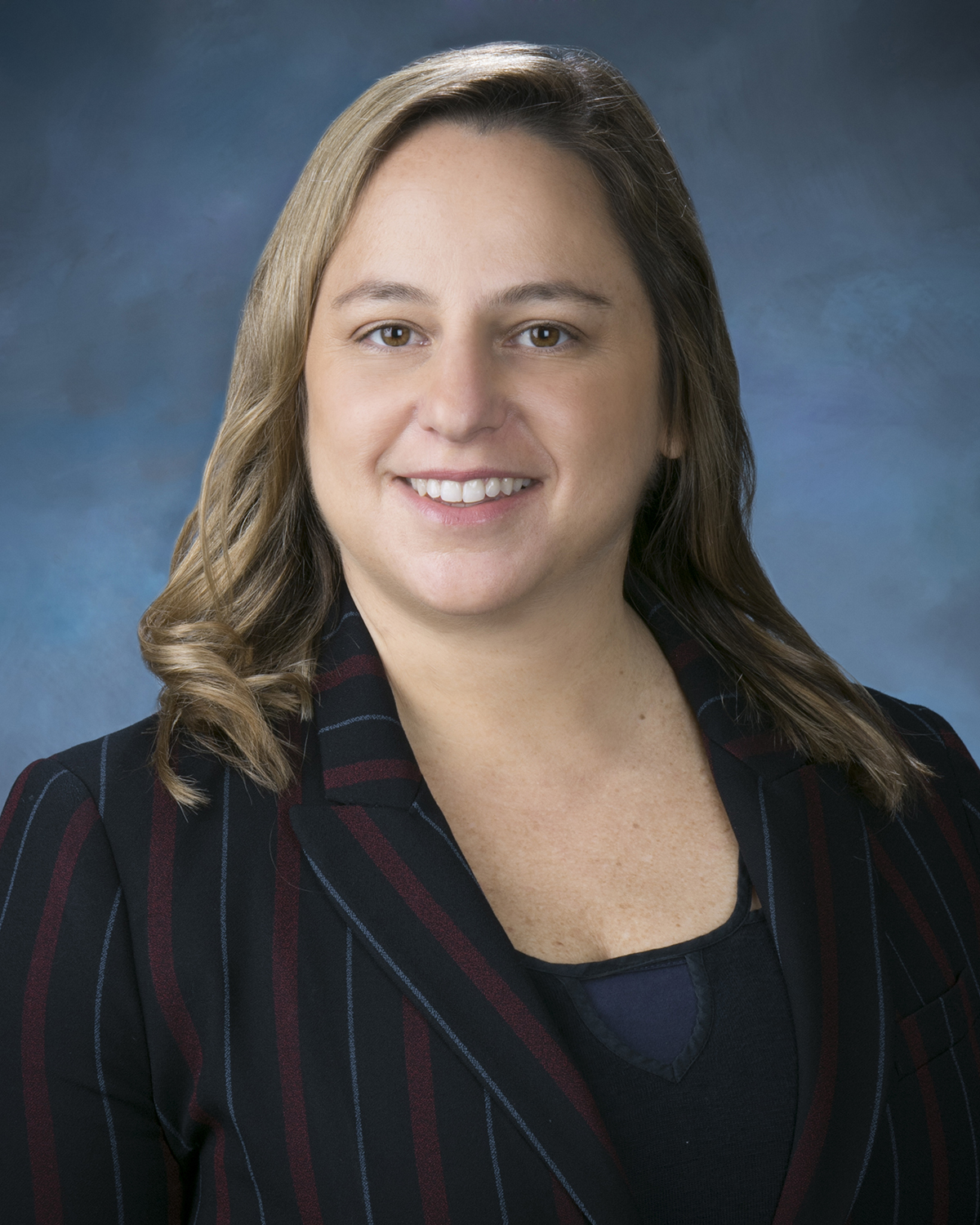
Suzanne Riskin completed her MD from the University of Miami, Miller School of Medicine and residency training from the University of Miami, United States. She has been working as an Assistant Professor of the Dr. Kiran C. Patel College of Osteopathic Medicine (KPCOM), Nova Southeastern University (NSU), United States since 2019. She has published in reputed journals and has been serving as a journal editor at The Cureus Journal of Medical Science.
Abstract
Why community acupuncture? Because acupuncture helps us move through both the mundane and the profound. Because when we come together to heal, something powerful happens— everyone is uplifted, and what’s possible expands beyond measure. Community acupuncture is the practice of offering acupuncture in a shared space. This shared space makes it possible to offer care on a sliding scale, which in turn makes acupuncture accessible to more people—people who might otherwise be left out of the healthcare system. It also supports financial sustainability for practitioners. But the benefits go far beyond economics. To be in the presence of others healing—to enter a space dedicated to collective rest, release, and restoration—is itself deeply healing. Just as we find joy and connection by gathering in places like restaurants or parks, we can—and need to—also find solace and renewal when we gather to heal. The suffering of our time—whether personal or global—is simply too much to carry alone. Many of us, and many of our patients, are navigating the painful effects of isolation. Community acupuncture offers a gentle but profound counterbalance. Acupuncture is remarkably versatile. It supports us in moments of emergency—shock, burns, acute pain—as well as in managing chronic conditions, digestive repair, recovery from surgery, and the side effects of chemotherapy. The list of benefits is long. Just as importantly, acupuncture plays a vital role in mental health care. Even those of us living in peaceful neighborhoods are not immune to the anxiety and grief brought on by climate change, technological upheaval, and global conflict. This talk is about acupuncture—about how this ancient medicine supports us through both the everyday and the extraordinary—but it’s also about something larger: the need to bring the collective back into our understanding of healing and ways to do this. Whatever our modality, we must find ways to integrate shared space, shared care, and shared presence. Community acupuncture—and the lessons gleaned from diving deep into its practice—is one powerful model for how that can happen.
Biography
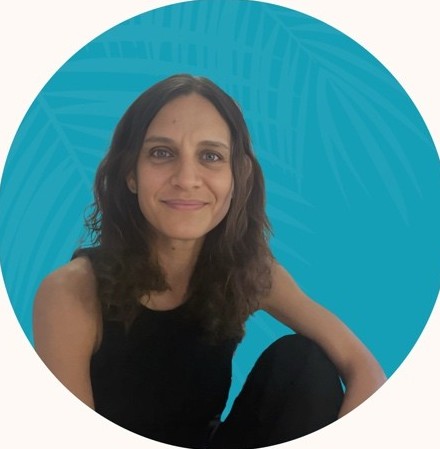
Felicia Desrosiers is a licensed acupuncturist, wellness practitioner, and mother of four with over 20 years of experience in the healing arts. Her work draws from deep study across modalities— including acupuncture, massage, nutrition, childbirth education, and community-based care— woven with lived experience in diverse cultural and clinical settings. Felicia is passionate about collective healing and the power of accessible care. She has offered acupuncture in community clinics, retreat spaces, and private practice, always with an eye toward connection, sustainability, and justice. Now based in Madrid, she is in the early stages of introducing community acupuncture there—an unfolding experiment in shared healing. You can learn more at: www.madridcommunityacupuncture.com
Abstract
“Physical Healing Through a Spiritual Lens”:
In this talk, Suzanne will explore physical healing through the lens of spiritual evolution—beyond emotional release and psychological insight. True transformation, at a certain stage, does not arise from processing trauma or human relationships, but from the depth of one’s direct relationship with the Divine. Suzanne will share examples of profound physical healing that occurred not through emotion, but through spiritual realization, to illustrate how healing shifts when consciousness expands beyond the personal into the sacred.
Biography
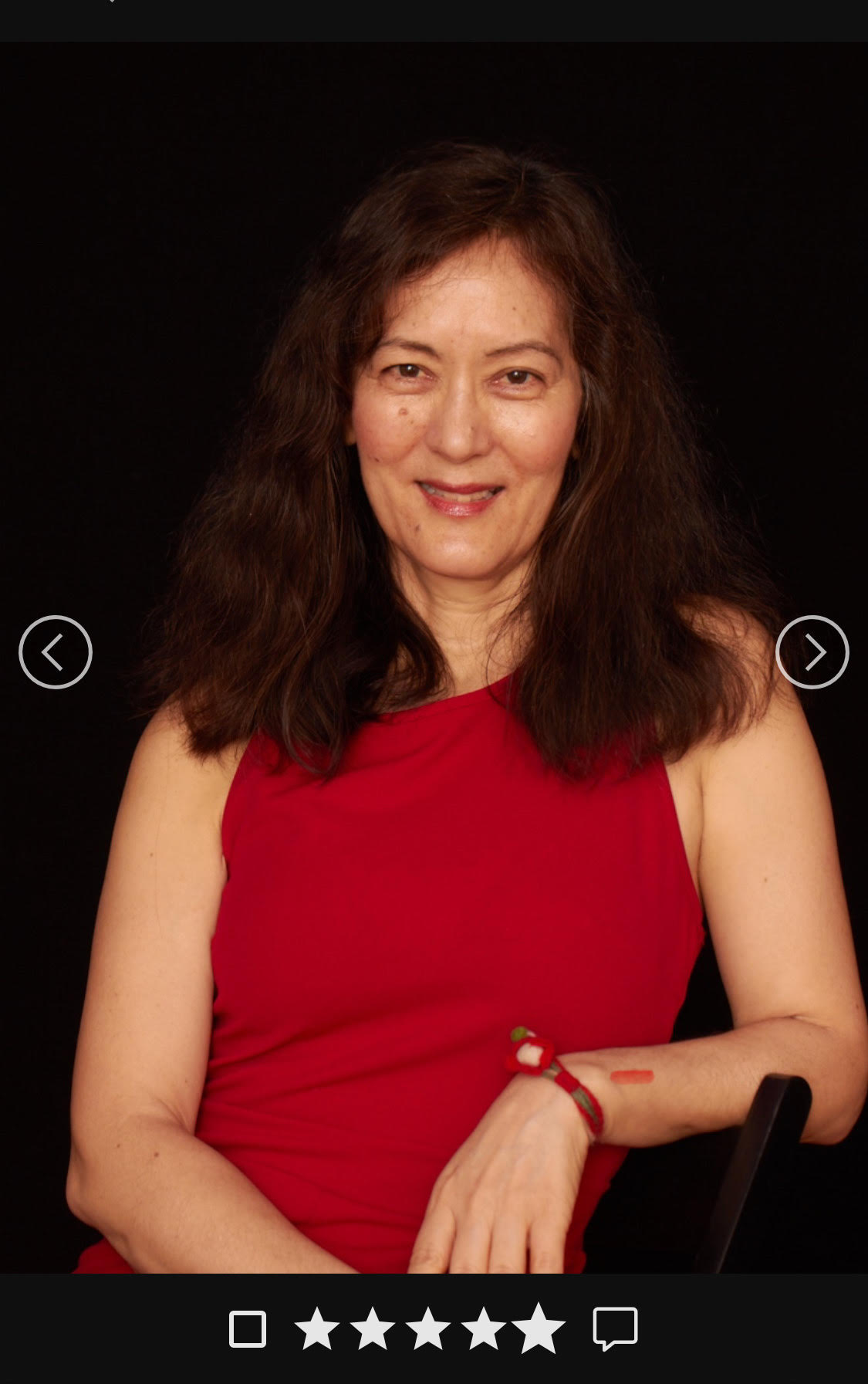
Suzanne Hill graduated from Brown University in 1987 and began her career in investment banking before shifting to holistic healing. She earned her M.Sc. in Acupuncture from Tri-State College of Acupuncture in 1999, later serving as Dean of Post-Graduate Studies. She also trained at Columbia University, the Swedish Institute of Massage Therapy, and the Ohashi Institute. With additional certifications in Reconnection, Regenetics, and Quantum Healing Hypnosis, Suzanne has maintained a thriving acupuncture practice for 26 years, specializing in chronic, hard-to-diagnose conditions that resist conventional treatment
Abstract
Temporomandibular joint disorders (TMD) are prevalent conditions that can cause significant pain and limit mandibular function. This pilot study aimed to evaluate the effects of laserpuncture in adults with myogenous TMD. Ten adult volunteers diagnosed according to DC-TMD criteria underwent ten weekly sessions of low-level laser therapy (Therapy EC, DMC, São Carlos, Brazil; 660 nm, 100 mW, 3 J/point) applied via laserpuncture at bilateral acupoints GB3, ST7, SL19, GB20, Anmian, ST36, LI11, LV3, and LI4. A total of 10 treatment sessions were performed, with an interval of 7 days between sessions. Evaluations were conducted at three different time points: Assessments at baseline (T1), mid-treatment (T2), and post-treatment (T3) included thermographic imaging, mandibular range of motion, pain intensity (VAS), pressure pain thresholds (anterior temporal and masseter muscles), and DASS-21 scores for depression, anxiety, and stress. Data were analyzed with Friedman, Shapiro-Wilk, and Wilcoxon tests. The median age was 40 years, predominately female. Absolute skin temperatures showed no side-to-side differences (p > 0.05). Mandibular range of motion improved significantly over time (p < 0.05), particularly between T1–T3 and T2–T3. Pain intensity decreased significantly (p < 0.05), and pressure pain thresholds increased at T2 and T3 (p<0.05). DASS-21 subscale scores also declined significantly (p< 0.05). Under these parameters, laserpuncture proved effective for TMD management, enhancing range of motion, alleviating pain (VAS and algometry), and reducing emotional symptoms, thus underscoring the clinical relevance of photobiomodulation at acupuncture points as a viable alternative for TMD treatment.
Biography
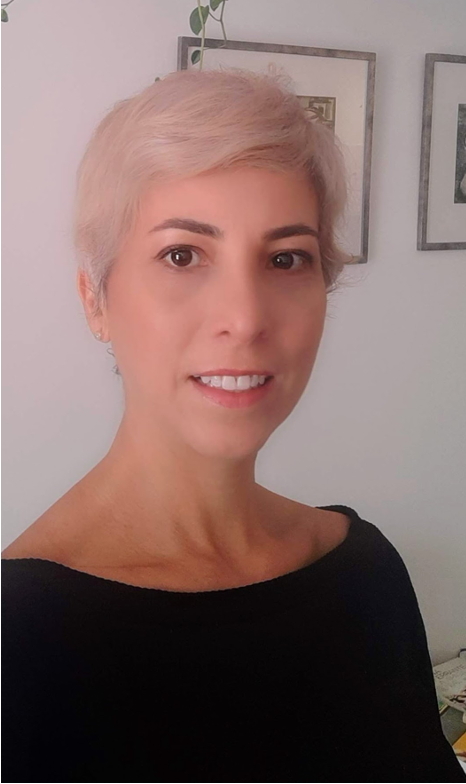
Amanda Frade Barros is a pharmaceutical biochemist and currently works as an integrative clinical pharmacist. She holds a Master’s degree in Clinical Analyses, a PhD, and completed a postdoctoral degree in Sciences at FMUSP/Université Aix-Marseille (France). With over 20 years of basic and clinical research experience in national and international laboratories, she served as professor and researcher in the Bioengineering Program at Universidade Brasil and led high-impact multicentric projects. In clinical practice, she applies integrative protocols of Chinese medicine, photobiomodulation, and laser therapy to address chronic pain, emotional disorders, intestinal health, and women’s health, translating scientific evidence into personalized, effective care.
“ Will be updated soon...”