Abstract
This keynote explores how ATMOS Global™ is pioneering a new metacognitive operating system that builds trust and unlocks decisive action for boards and CEOs. Conventional leadership models, built for slower, centralised and largely humanmediated decision cycles, are increasingly misaligned (the Great Divergence) with a world in which agentic hyperevolution and AIenabled perception, prediction and action unfold at the network edge in milliseconds, while risk accumulates at system speed. In financial services and healthcare organisations, the
binding constraint is no longer access to advanced AI, but the metacognitive capacity of the leaders who govern it. Drawing on neuroscience, systems thinking and ATMOS Global™’s applied work in AI governance across finance and healthcare, the session reframes the board and CEO from topdown controllers to architects and stewards of distributed human-AI cognition. ATMOS Global Panawareness MetaCognitive Operating System for Executive Leadership in finance and healthcare™ (panawareness.ai™) operationalises this shift through four core capabilities: extended executive cognition across teams and models; biasaware decision architectures for highstakes, edgebased workflows; embedded metacognitive routines that stresstest AIsupported recommendations; and sectorspecific, riskinformed governance patterns
for capital, clinical and workforce decisions at board and Csuite level.
The keynote showcases advanced leadership practices that boards and CEOs can use to “rewire” how they think, feel and decide in partnership with intelligent machines, in order to create value, positive impact and durable strategic advantage. Participants will see how evolving their metacognitive operating system can improve decision quality, strengthen oversight of AI risk, accelerate responsible adoption and build more resilient advantage in riskintensive financial services and healthcare settings. Ultimately, the session positions metacognition as the decisive lever of competitive advantage in the age of edge AI complexity, and challenges boards and CEOs to deliberately evolve their internal architecture before attempting to transform the external one.
In this view, the core leadership challenge is no longer whether to deploy AI, but how to reshape executive thinking for a world saturated with intelligent, edgebased systems. The greatest pressure now sits at the intersection of governance, ethics, workforce transformation and decision quality, where traditional leadership models struggle to keep pace with rapid, opaque algorithmic dynamics. The real deficit is not powerful technology but metacognitive capability at the top: the capacity of executive leaders to step back from automation, continually reframe complex situations, interrogate machinegenerated outputs, and deliberately weave human judgment, organisational values and longterm strategic intent into every AIaugmented decision. Are you ready?
Biography
Dr Orestis D. Valianatos is the Global President and CEO of ATMOS Global Pty Ltd (ATMOS Global ™), a highly accredited and accomplished professional company director, an astute investor in the capital markets, an established innovator, a role model, a visionary thinker with a diverse portfolio of formal qualifications (BSc, MSc, PhD in Atmospheric Physics, Climate & Sustainability, Master of Business Administration, Professional Doctorate in International Business and Sustainability, Corporate Governance training as a Professional Board Director, and soon a Diploma of Finance), experience, unique insight and influential global perspective across multiple domains including artificial intellignce, leadership, strategy and innovation, sustainability, ESG, climate-tech, thematic and sustainable investing. Entrepreneur and agent of change, he has authored more than 50 ground-breaking international research papers as a subject matter expert working in partnership with senior personnel from government departments, universities and major private clients from the mining, manufacturing, energy & utilities, health and finance sectors.
Abstract
A time-dependent queueing system containing two stages in tandem has been considered. Carriers carry jobs by bulks of various sizes and arrive at the first stage according to a Poisson distribution. There is a possibility of balking and, hence, jobs attend with some probability at an infinite size buffer, located at the entrance of the first stage. As the jobs attend, they will be placed randomly in the buffer with some type of identification for later to be served based on that order, that is, first-come – first-served rule. For jobs to be served by batches, they will be grouped with a minimum and a maximum limit and will be moved to be served by a single server. However, before being served, jobs must go through a procedure that causes service to be performed with delay. There is also a possibility of a server breakdown that would require it to be repaired, which will affect arrivals, that cause another possible delay in service. As a batch exits the first stage, some may leave the system at that point with some probability. The rest of the batch attend an infinite buffer at the second stage with the complement of the probability of leaving. The attending batches will be numbered, and they will move to service as they are. As can be anticipated in a time-dependent case, the system is a complicated one. Nonetheless, the time-dependent probability generating function for the number of jobs at each stage and the system as a whole, as well as the first and the second moments are found. The probability generation function and convolution of exponential functions and generating functions have been used to obtain moments for each stage as well as the system. Several special cases have been illustrated to show the validity of the results.
Biography
Aliakbar Montazer Haghighi is a Regent Professor & Professor and former Head of the Mathematics Department at Prairie View A&M University, Texas, USA. He received his Ph.D. in Probability and Statistics from Case Western Reserve University, Cleveland, Ohio, USA, both his BA and MA in Mathematics from San Francisco State University, California, USA. His research publications, in probability, statistics, stochastic processes, queueing theory, and fuzzy set theory, are extensive and some are partially included in his mathematics books, a book-chapter, and lecture notes. He is the Co-Founder (2004) and part of the Editors-in-Chief Team of Application and Applied Mathematics: An International Journal (AAM).
Abstract
This talk will focus on the description of surface functionalized ultrafine CoFe2O4 nanoparticles (NPs), with mean diameter ~ 5 nm. The investigated properties include DC magnetization and AC susceptibility measurements over the temperature range of 4 – 400 K. All evaluated NPs present the same CoFe2O4 core, with different molecular surface coatings, increasing gradually the number of carbon atoms in the coating layer, in the following list: glycine (C2H5NO2), alanine (C3H7NO2), aminobutanoic acid (C4H9NO2), aminohexanoic acid (C6H13NO2), and aminododecanoic acid (C12H25NO2). Importantly, samples were intentionally fabricated in order to modulate the core-core magnetic dipolar interaction, as the thickness of the coating layer increases with the number of carbon atoms in the coating molecule. The magnetic data of the uncoated CoFe2O4 NPs it is also presented for comparison. All investigated CoFe2O4 NPs (coated and uncoated) are in magnetically blocked state at room temperature as evidenced by ZFC/FC measurements and the presence of hysteresis with ~700 Oe coercivity. Low temperature magnetization scans show slightly constricted hysteresis loops with coercivity decreasing systematically while the number of carbon atoms in the coating molecule decreases, possibly resulting from differences in magnetic dipole coupling between NPs. Large thermomagnetic irreversibility, slow monotonic increase in the FC magnetization and non-saturation of the magnetization give evidence for the cluster glass (CG) nature in the CoFe2O4 NPs. The out of phase part of the AC susceptibility for all samples shows a clear frequency dependent hump which is analyzed to distinguish superparamagnetic (SPM), cluster glass (CG) and spin glass (SG) behavior by using Néel-Arrhennius, Vogel-Fulcher, and power law fittings.
Biography
Professor Paulo César De Morais, PhD, was full Professor of Physics at the University of Brasilia (UnB) – Brazil up to 2013. Appointed as UnB’s (Brazil) Emeritus Professor (2014); Visiting Professor at the Huazhong University of Science and Technology (HUST) – China (2012-2015); Distinguished Professor at the Anhui University (AHU) – China (2016-2019); Full Professor at the Catholic University of Brasília (CUB) – Brazil (2018); CNPq-1A Research Fellow since 2010; 2007 Master Research Prize from UnB. He held two-years (1987-1988) post-doc position with Bell Communications Research, New Jersey – USA and received his Doctoral degree in Solid State Physics (1986) from the Federal University of Minas Gerais (UFMG) – Brazil. With more than 14,500 citations, He has published more than 500 papers (Web of Science), presented more than 250 invited talks worldwide (35 countries) and filed 16 patents.

Abstract
In the face of escalating cyber threats, the fusion of artificial intelligence (AI) with cybersecurity strategies has become a cornerstone for modern defense systems. This presentation, delivered by Dr. Farah Jemili, explores the pivotal role of generative AI in fortifying cybersecurity frameworks. As modern communication technologies generate vast amounts of data daily, the presentation addresses the pressing need to harness this data to safeguard Industry 4.0 infrastructures, which are increasingly vulnerable to cyber-attacks. With cyber-attack damages projected to reach $8 trillion in 2024 and escalate to $10.5 trillion by 2025, innovative solutions are essential.
The presentation outlines the current cybersecurity landscape, identifying key challenges such as data collection, storage, processing, and the accurate detection of cyber threats. It emphasizes the transformative potential of AI methodologies, including machine learning, deep learning, and generative learning, in developing robust intrusion detection systems and real-time threat response mechanisms.
A detailed examination of real-world AI applications in cybersecurity is provided, showcasing technologies like Cylance for malware prevention, AEG for automatic exploit generation, AI2 for predictive threat analysis, and IBM's Watson for IoT network analytics. The comparative study of various deep learning models highlights their distinct advantages and limitations in cybersecurity contexts.
Furthermore, the presentation discusses the integration of AI with other technological pillars such as cloud computing and big data, illustrating how these synergies enhance cybersecurity capabilities. The research contributes to understanding how AI can be leveraged to develop intelligent, adaptive, and resilient cybersecurity systems, ultimately aiming to mitigate the risks and impacts of cyber-attacks.
The presentation concludes with perspectives on future research directions and the evolving landscape of AI in cybersecurity, underscoring the critical role of continuous innovation and collaboration in this domain.
Biography
Farah JEMILI is an Associate Professor at the Higher Institute of Computer Science and Communication Technologies of Sousse (ISITCOM), Tunisia. She has completed her Ph.D. in 2010, from the National School of Computer Sciences (ENSI), Tunisia. She is a Scientific Referent at the Tunisian Agency of Evaluation and Accreditation (ATEA), and Internship Director at ISITCOM. She has been member of the Scientific Council of ISITCOM for 3 years (2011-2014), and Head of the Department of Computer Science at ISITCOM for 3 years (2017-2020). Her research interests include Artificial Intelligence, Cyber Security and Big Data Analysis. She served as a Reviewer for many international conferences and journals. She has published around 60 Research papers in international journals and conferences and has presented many invited and contributed Talks at international conferences.

Abstract
Artificial intelligence privacy research has produced a robust set of technical protections, including differential privacy, membership inference defenses, secure training, and privacy-preserving machine learning. Yet as AI systems transition from academic research into real enterprise environments, many of these protections weaken, fragment, or disappear altogether. This session examines why technically sound privacy methods often fail in production and how organizations can bridge the gap between research-grade solutions and operational reality.
Drawing on enterprise AI risk management experience, this talk introduces the AI Privacy Reality Gap, the structural distance between model-level privacy techniques and the complex pipelines, infrastructures, and governance systems in which AI operates at scale. We present a practical three-layer AI privacy framework spanning the Model Layer, Pipeline Layer, and Governance Layer, illustrating where privacy risks actually emerge across the AI lifecycle and why many of the most significant exposures occur outside the model itself.
Participants will explore how privacy vulnerabilities arise through data ingestion, experimentation, artifact storage, APIs, logging, and third-party integrations, even when models are built using state-of-the-art research methods. The session also connects academic privacy advances to enterprise governance mechanisms, such as MLOps controls, data lineage, risk assessments, and emerging standards, including the NIST AI Risk Management Framework and ISO/IEC 42001.
The session concludes with a take-home, team-ready exercise designed for immediate application within participants’ organizations. This guided activity helps attendees identify privacy risks across the full AI lifecycle, map research-based privacy protections to real pipeline stages, and propose concrete enterprise controls that translate technical safeguards into sustained organizational practice.
Biography
Nia Luckey is a cybersecurity risk executive at AT&T, an author, and a TEDx speaker recognized for her strategic acumen in governance, risk, and compliance. A co-author of The CISO Playbook, she blends technical expertise with leadership insight to drive digital resilience and trust transformation across complex enterprises. Drawing on her military background and executive experience, Luckey is a global voice on the intersection of trust, technology, and human behavior, and an advocate for inclusive pathways into the cybersecurity field.

Abstract
New very effective methods for 3d computergraphics is invented.
Object generation is most often a very tedious task since objects has to be modelled for the rendering machine.
Most common is to model the polygon mesh built objects in a modelling tool for triangular meshes.
An object can have a consistuent of just a few up to many millions of triangular polygons.
Such constructions is mostly very problematic.
We propose invent and implement a much faster and efficient method by generationg object through algorithmic analysis of texture or topological height maps, collecting up to millions of polygons into just one single or a few basis polygon/s.
The algorithmic analysis is simple performed by the "pickup"-function coded by a simple mathematic equation.
The pickup then inserts a 3d height or depth coordinate into a two dimensional mesh of triangles or rectangles building the basis.
The simplification or speedup can be of a order up to factor 100-30000 times heightened efficiency.
Biography
Tony Barrera is a certified autodidact math genius. He have published more than 42 Ordinary high rated scientific papers And up to several hundred publications ,computer simulations and animations In different subjects, scientific papers in mathematics , computer graphics, numerical analysis, astrophysics and Particle Atomic physics. Tony does research general together with prof Ewert Bengtsson, Prof Anders Hast and Physicist Bo Thelin and the crew of Barrera Science Lab. Tony Barrera have been working for the company AB Consonant with implementation of the Fast Fourier Transform, FFT , and as a computergrahics researcher at Cycore AB (Webbgraphics). Constructor of about 10 - 20 different Graphics Engines , Assembler ,Basic, Pascal and/or C++ computer languages. Started with mahematics and science at age 3, got the first Astronomy book (from mother Elisabeth Mercadal) at 9, the first Chemistry set at 10 , Chief (head) of Barrera Science Lab.
Abstract
Graphene exhibits strong nonlinear optical properties, making it a promising candidate for applications such as harmonic generation. However, these effects are typically weak and require high input power. To overcome this limitation, we propose what we believe to be a novel ultrathin metasurface design based on graphene to enhance third-harmonic generation (THG) in terahertz (THz) regimes. During computation the Third Harmonic generation has high sensitivity toward alter of Fermi energy of Graphene, so we use benefit to design biosensor based on this phenomenon to detect b2microgolbien. In this work, we investigate the third-order harmonic generation (THG) in graphene using plasmonic structures. The geometry of the proposed nonlinear graphene metasurface is An array of graphene micro-ribbons is placed over a thin dielectric spacer layer based on gold a gold substrate. The spacer layer between graphene micro-ribbons and gold is filled with a Kerr nonlinear dielectric material. Initially we investigate the tuning of structural parameters, such as Fermi energy, input intensity, and thickness of dielectric, which results in a shift of the THG peak frequencies, which is crucial important factor in biosensing. Finally, we compute the absorption, reflection and power intensity of THG of graphene in presence different concentrations of b2-microglublien.
Biography
I am a biomedical engineer and nanotechnology researcher specializing in graphene-based biosensing technologies, optoelectronic systems, and plasmonic-enhanced nanostructures for advanced biomedical applications. I earned my PhD in Biomedical Engineering (Nanotechnology) from the University of Modena and Reggio Emilia (UNIMORE), Italy, under the supervision of Prof. Luigi Rovati and Prof. Francesco Rossella. My doctoral research focused on the development of optoelectronic methods and instrumentation for smart biomedical sensors, with particular emphasis on graphene field-effect transistor (GFET) biosensors for physiological tissue analysis. I integrate experimental techniques with advanced computational modeling, particularly COMSOL-based multiphysics simulations, to optimize sensor sensitivity, detection limits, and overall device performance. My work includes modeling of electrical double layers in electrolytes, ion-sensitive GFETs, graphene-enhanced surface plasmon resonance (SPR) biosensors, and nonlinear optical approaches such as third-harmonic generation for biomarker detection, targeting clinically relevant molecules such as β2-microglobulin and albumin.
Abstract
Teaching beyond the classroom is essential in applied science, engineering, and technology education to meet modern professional demands. This presentation examines learning approaches that extend beyond traditional classrooms through experiential learning, digital platforms, industry collaboration, and project-based activities. Such approaches bridge theory and practice, enhance critical thinking, innovation, and student engagement, and improve employability. The role of educators shifts from content delivery to facilitation and mentorship. The study concludes that teaching beyond the classroom is a necessary evolution for developing skilled, adaptable, and future-ready graduates.
Biography
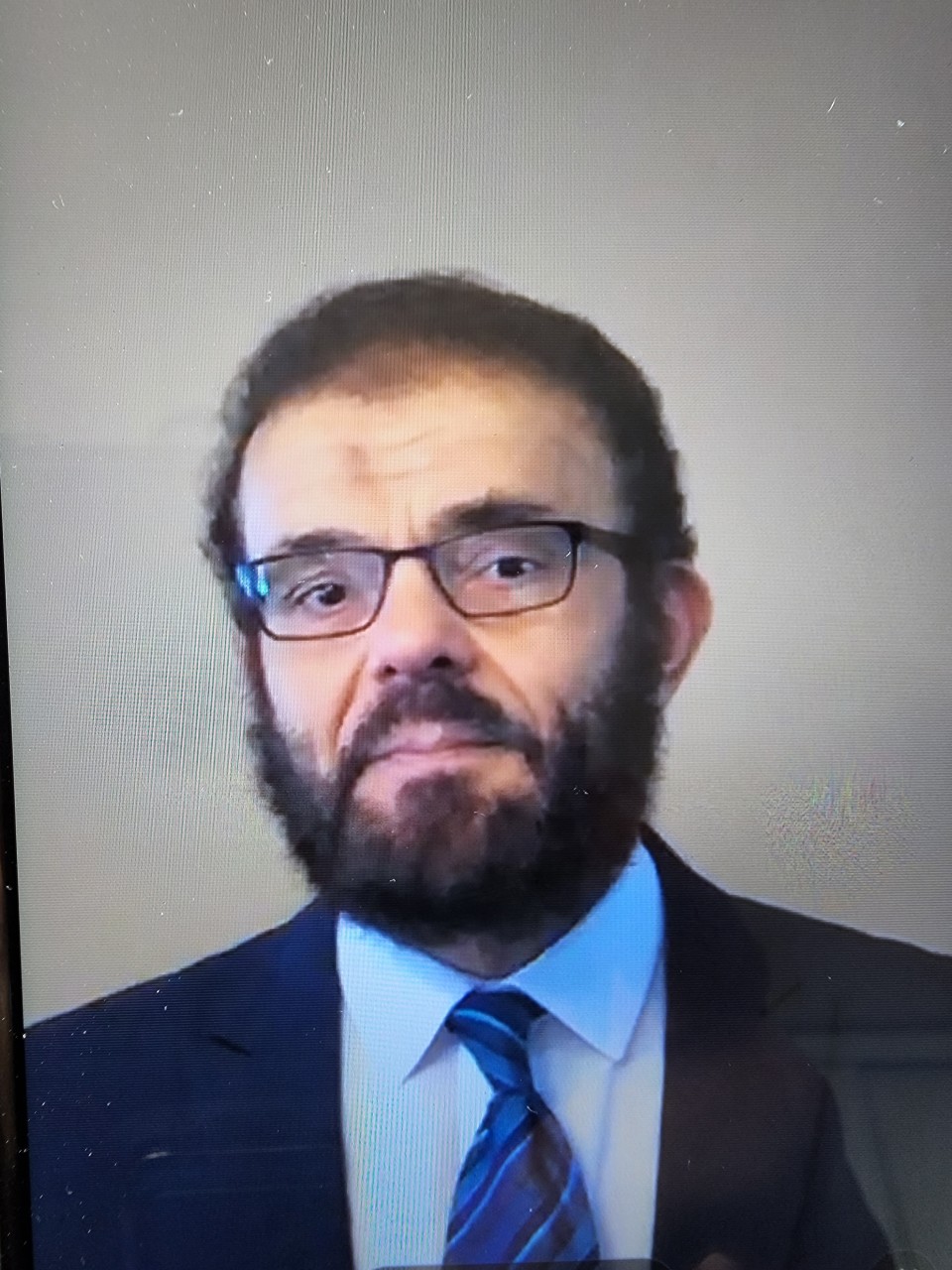
Dr. Adel Esayed, brings over three decades of leadership, academic expertise, and industry-focused innovation to the conversation. He currently serves as the Dean of the Faculty of Applied Science, Construction, and Engineering Technology at George Brown Polytechnic , where he has spent the past 10 years shaping programs that respond to the rapidly evolving needs of the construction and engineering sectors. Dr. Esayed’s career includes impactful leadership roles such as Associate Dean at Niagara College, as well as Academic Chair at St. Clair College, leading 75 faculty while advancing student success, accreditation, and program quality. Before moving into senior leadership, Dr. Esayed spent seven years as Program Coordinator and Faculty at George Brown Polytechnic, strengthening industry partnerships, guiding curriculum development, and mentoring new faculty. His academic foundation includes research, instruction, and a post-doctoral fellowship in Materials Science and Engineering at the University of Toronto.
Abstract
The increasing demand for sustainable and environmentally friendly materials has accelerated the search for renewable alternatives to conventional petroleum-based products. In this context, microalgae have emerged as a promising and versatile feedstock for the development of next-generation biomaterials due to their rapid growth rates, high carbon dioxide sequestration capacity, and rich biochemical composition, including lipids, proteins, and polysaccharides. This review explores the potential of microalgae-derived biomaterials as sustainable solutions for engineering and technological applications. The work critically examines recent advancements in the production of microalgae-based bioplastics, bio-composites, hydrogels, and carbon-derived materials, highlighting their properties, fabrication methods, and application potential across sectors such as packaging, construction, biomedical engineering, and energy storage. Key processing pathways, including biomass cultivation, harvesting, polymer extraction, and material fabrication techniques, are discussed to provide a comprehensive understanding of the value chain.
Despite their significant potential, several challenges hinder large-scale implementation, including high production costs, scalability limitations, variability in biomass composition, and the need for improved material performance. The review also identifies emerging research directions, such as the integration of artificial intelligence for process optimisation, the development of hybrid biomaterials, and the adoption of biorefinery-based approaches to enhance economic feasibility. This work highlights the transformative potential of microalgae-derived biomaterials in advancing sustainable engineering practices and contributing to a circular bioeconomy. The insights presented aim to support future research and industrial adoption of microalgae as a viable resource for innovative material development.
Keywords
Microalgae Biomaterials, Sustainable Materials, Bioplastics, Bio-composites, Circular Bioeconomy
Biography
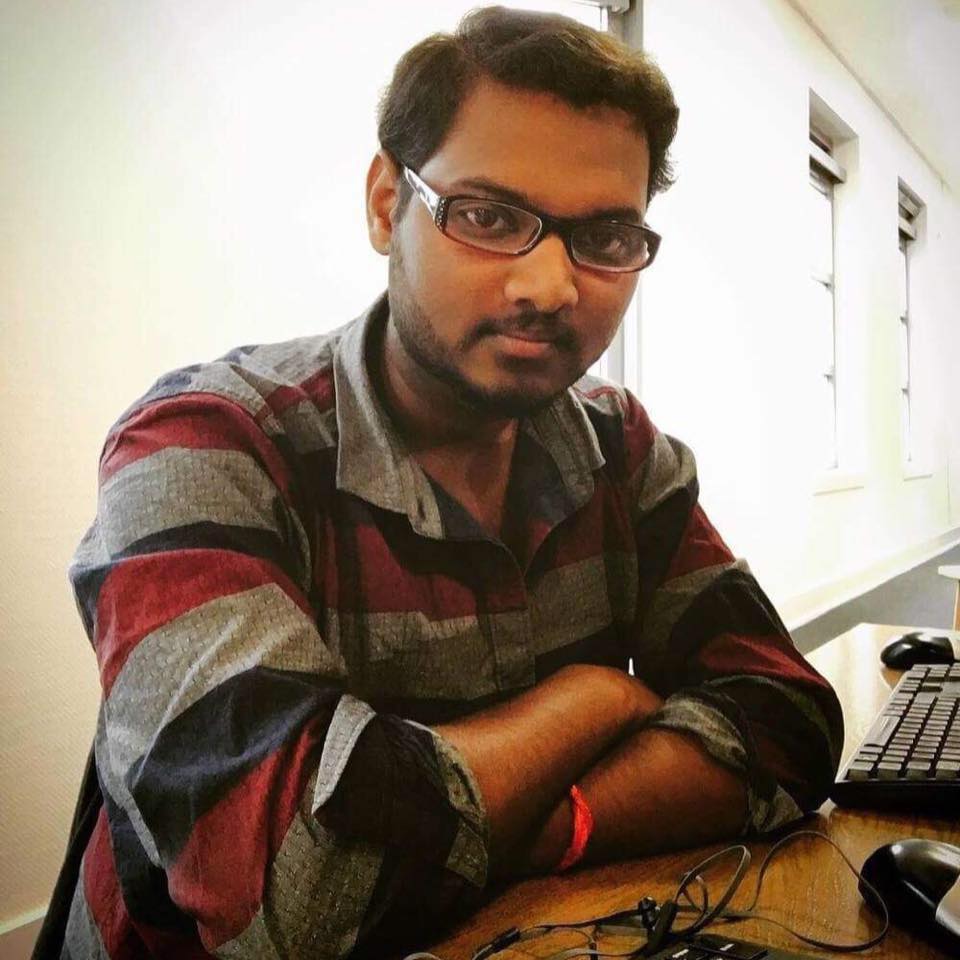
Amarnath Krishnamoorthy is doing his PhD in biomass conversion to energy at the School of Computing, Engineering & Physical Sciences, University of the West of Scotland (United Kingdom). His research explores the implementation of pre-treatment methods in microalgal species for cell disruption, and his research added value to the third generation of biofuels. His dissertation deploys recent studies of microalgal pre-treatment in biodiesel production and literature and leads questions about the upcoming phases of dewatering approaches and research exploration.
Abstract
The entire solar plasma system naturally functions as a complex plasma laboratory exhibiting a mystic plethora of collective structural modes. The complex plasma dynamics of the self-gravitationally bounded Sun and its circumambient unbounded radially evolving atmosphere are critically investigated. The exceptionality, especially featuring the latter, is systematically applied to illuminate solar wind acceleration characteristics. The vital applicability of this thematic study in resolving some major long-standing solar plasma problems (e.g., solar T-valley, etc.) is outlined.
Biography
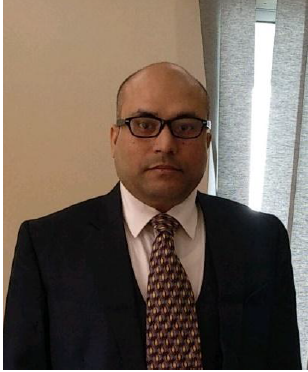
Prof. Pralay Kumar Karmakar has completed his PhD from the Centre of Plasma Physics – Institute for Plasma Research (CPP-IPR), Guwahati, India, under Gauhati University, Assam, India. He has joined Tezpur University as an Assistant Professor in the Department of Physics, Tezpur University, Tezpur, India. He has, since then, been widely interested in diversified research and teaching areas, such as Astrophysical plasmas, Cosmic fluid dynamics, Stability analyses of complex media, Nonlinear wave dynamics, Structure formation, Plasma-wall interaction, Gravito-electrostatic sheath, Physics of complex plasmas, Nonlinear plasma theory, Advanced electrodynamics, and so forth. He is the principal investigator of the Astrophysical Plasma and Nonlinear Dynamics Research Laboratory (APNDRL), Department of Physics, Tezpur University. He has completed several awarded research projects, sponsored by the Government of India, such as DST, SERB, UGC, etc. He is on the editorial and review board of several prestigious international refereed journals. A noteworthy number of active reviewer certificates of honour have been awarded to him. He has published in reputable peer-reviewed journals (#144+), book chapters (#17+), proceedings (#32+), and so on. The number of PhDs he has produced freely, so far, is 11, with 3 more in a possible submission phase. He has served as an invited, keynote, and plenary speaker at a reasonable number of scientific programs in India and abroad, including NEP-2020 orientation and induction programs for Teachers. He has chaired several technical sessions in different areas. He has guided a sensible number of Research Scholars for PhD, Project Students for Master's Degrees, and Interns for Bachelor's Degrees. He has recently received an award of IUCAA Associateship for executing supported research works in Astronomy in the period 2023-26. He has been working as the Chairman of several technical evaluation committees at Tezpur University since 2024. He is actively associated with several national and international scientific societies of high repute towards promoting science, technology, and academic expansion for mankind globally.
Abstract
Multi-Agent Systems (MAS) represent a powerful paradigm in distributed artificial intelligence, where multiple autonomous agents interact to achieve individual or collective goals within a shared environment. The design of effective MAS hinges on robust mechanisms for collaboration, coordination, and conflict resolution, particularly in complex, dynamic, and resource-constrained domains. This work presents a comprehensive overview of the principles and design methodologies underlying collaborative and coordinated multi-agent architectures, emphasizing how agents communicate, negotiate, and adapt their behaviors to optimize system-level performance.
The study explores key coordination strategies, including task decomposition, role assignment, shared goals, and temporal synchronization, alongside formal interaction protocols such as contract-based coordination and negotiation models. Special attention is given to conflict detection and resolution mechanisms arising from resource contention, goal inconsistency, and communication ambiguity. Approaches such as negotiation, mediation, arbitration, and game-theoretic strategies are discussed to ensure fairness, efficiency, and system stability.
Furthermore, the abstract highlights the relevance of MAS design in real-world applications such as smart grids, autonomous traffic systems, supply chain optimization, cybersecurity, and collaborative AI assistants. By integrating learning-based techniques and adaptive decision-making, modern MAS can exhibit emergent intelligence and scalability while maintaining robustness in uncertain environments. Overall, this work underscores the importance of structured collaboration, efficient coordination, and principled conflict resolution in designing scalable, intelligent, and resilient multi-agent systems capable of addressing complex real-world challenges.
Biography
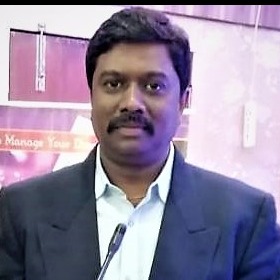
Dr.S.Balakrishnan is a Professor and Head of Department of Computer Science and Engineering, Aarupadai Veedu Institute of Technology, Vinayaka Mission’s Research Foundation (Deemed to be University), Paiyanoor, Chennai. He has 24 years of experience in teaching, research and administration. He has published over 39 books, 10 Book Chapters, 30 Technical articles in CSI Communications Magazine, 27 technical Blogs, 1 article in Electronics for You (EFY) magazine, 20 articles in Open Source for You Magazine and over 150+ publications in highly cited Journals and Conferences. He has completed 2 funded projects under DST TIDE and CSRI scheme in AI applications. Some of his professional awards include: Iconic Teacher in Research Award at Symbiosis University of Applied Sciences, Indore, Best Patent Award from IEEE Madras Section for the year 2024, Certificate of Award with cash prize $250 for 1st place in the International Poster Challenger by Peeref, Kalpa Acharya Award (Best researcher Award) Bharath Education Excellence Awards (BEEA) 2021-22 organized by BrainOVision, IEEE MAS Best Researcher Award - 2022 (Age 40 and Below 50) by IEEE Madras Section, AICTE Lilavati Award 2021-22 winner with 1 Lakh Cash Prize, Best Performer in the Poster Display at IIC Regional Meet held at Sathyabama Institute of Science and Technology Chennai on 21st July 2022, Best Model/Technology Presentation Award by IEEE-Nanotechnology Council Student Chapter IIT Indore, Yuva Mentor as a Changemaker Award, Faculty with Maximum Publishing in CSI Communications 2017-2019, International Data Science Writer of the Year 2019 by Data Science Foundation UK with cash prize €900, MTC Global Outstanding Researcher Award, Inspiring Authors of India, Deloitte Innovation Award Deloitte for Smart India Hackathon 2018, Patent Published Award, and Impactful Author of the Year 2017-18. He acted as a Mentor, Evaluator cum Jury Panel Member, Grand finale of SIH 2022 and MANTHAN, Mentor and Jury member in ASEAN-India Hackathon 2021, Primary SPOC and Evaluator for Toycathon 2021. He has received an appreciation certificate for Developing SIH Alumni Portal and SIH 2022 Portal for Ministry of Education's Innovation Cell by Ministry of Human Resource Development, Government of India and MHRD’s Innovation Cell 25th May 2022. He has delivered 110+ guest lectures/seminars in National & International levels, delivered 30+ keynote speech/invited speech and chaired 350+ sessions for various National and International Conferences. He is serving as a Reviewer and Editorial Board Member of many reputed Journals and acted as Technical Program Committee member of National conferences and International Conferences at Vietnam, China, America and Bangkok. His research interests are Artificial Intelligence, Cloud Computing and IoT. He has delivered various guest lecture under AI applications in power grid applications. Dr.Balakrishnan has acted as mentor in prestigious IndiaAI Fellowship under the IndiaAI Mission with a fellowship grant of ₹1,00,000. And he has acted as Mentor in Kavach 2023 Hackathon Title Winner with 1 Lakh Cash Prize, Mentor in Smart India Hackathon (SIH) 2020 Title Winner with 1 Lakh Cash Prize. He has 14 Granted International Patents, 45 Indian Patents on IoT Applications, 22 Design Patent Grants and 3 granted Copyrights. Dr. Balakrishnan has been appreciated under India Book of Records 2021 for filing 18 patents over a period of 15 months. He is acting as an Author at IEEE Teaching Excellence Hub, IEEE EduMentor Connect Program mentor, IEEE YESISI’12 2023 Publicity Ambassador, IEEE.TV Region 10 Global Ambassador, IEEE Brand Ambassador, IEEE Publicity Ambassador, IEEE Senior Member, T4 Ambassador and Bentham Science Publisher Brand Ambassador.

Abstract
The purpose of this study is to empirically examine the impact of artificial intelligence (AI) and value engineering (VE) tools on the effectiveness of continuous process improvement (CPI). A quantitative research approach was adopted using a structured survey administered to managers and process improvement specialists across industrial and service organizations. Structural equation modeling (SEM) was applied to analyze relationships between AI usage, value engineering practices, decision-making quality, and continuous improvement performance. The results confirm that AI significantly strengthens the effectiveness of value engineering and positively influences continuous improvement outcomes. The findings contribute empirical evidence to management science by demonstrating the synergistic role of AI and value engineering in enhancing process performance and organizational learning.
Keywords: continuous process improvement, artificial intelligence, value engineering, empirical study, process management
Biography
Eng. Renata Stasiak-Betlejewska PhD., works at Faculty of Management, Czestochowa University of Technology since 2000 as a teacher, scientist and coordinator of Erasmus+ programme and supervisor of Scientific Students Group. The main research areas: quality and production engineering, innovations management, industrial property management. Author and co-author of approximately 400 scientific publications. Holder of CEEPUS scholarship and several Erasmus+ teaching mobility scholarship. Member of the scientific team in the international research projects: European projects (Supporting Fraternity on entrepreneurship and education, ECO-SANDWICH – energy Efficient, Recycled Concrete Sandwich Façade Panel), VEGA 1/0067/11 Dynamics and content of decision taking processes in motivating of human potential, VEGA 1/0079/14 Competitiveness growth barriers (of organizations in Slovak Republic) in accordance with use and development of the innovative potential of human capital), an international scientific project under the auspices of the Ministry of National Education and Scientific Research in Romania, implemented by Transilvania University of Brasov (title of the project: Regional Network of Academic Success Centres (CRU), type of project: AUF ( Agence Universitaire de la Francophonie) – Francophone action plan.
Abstract
This paper develops a comprehensive hybrid methodology combining Goal Pro- gramming (GP), Chance-Constrained Optimization (CCO), and Intuitionistic Fuzzy Mathematics (IFM) for solving Hierarchical Multi-Objective Linear Fractional Prob- abilistic Optimization (HMOLFPO) problems under neutrosophic uncertainty. The framework addresses hierarchical decision structures, multiple conflicting ratio ob
jectives, probabilistic constraints, and parameter indeterminacy simultaneously. Seven detailed numerical examples are solved step-by-step, demonstrating the methodol ogy’s effectiveness in various domains including agriculture, energy, healthcare, and supply chain management.
Keywords: Hierarchical optimization, Fractional programming, Chance constraints,
Neutrosophic sets, Goal programming, Agricultural planning
Biography
Abstract
The efforts are focused to develop physicochemical and spectroscopic methods & technologies to characterize the in-situ chemical speciation of the inorganic contaminants for remediation of water & environmental pollution by catalytic oxidants to save marine life. Also, to discuss strategies to control Water & Environmental pollution resulting due to toxin, toxic gases, GHG (Green House Gases), by making use of Catalytic oxides of first row transition metal oxides.
The oxidation process would be employed to treat Groundwater contaminants by making use of the chemical oxidantsviz. hydrogen peroxide, persulfate, permanganate & ozone . These oxidants have been able to cause the rapid and complete chemical destruction of many toxic organic chemicals; other organics are amenable to partial degradation as an aid to subsequent bioremediation. Its presumed that Cobalt oxide should optimize the process of subsurface remediation and above-ground water treatment systems depending on a variety of site-specific conditions e.g. reaction rate kinetics.
Also, to correlate Physico-chemical properties of these catalytic oxidants involving chemical oxidation be applied in subsurface systems and in above ground water treatment systems involving chemical oxidation regeneration of Granular Activated Carbon (GAC).
Water gets polluted due to toxin & toxic gases through four types of toxic entities; chemical, biological, physical and radiation . Aim is to develop innovative methods to entrap toxins , Chemical toxicants ,inorganic substances( lead, mercury, hydrofluoric acid, chlorine gas), organic compounds ( methyl alcohol), by developing High AffinityToxin Receptors (HART).
Next, to evaluate correlation of chemical oxidants with chemical species associated with soil and aquifer materials, and with target and non-target contaminants during water treatment processes.Finally,to developModel of Chemical Reaction Kinetics(MCRK) in order to investigate process fundamentals & assess contaminant transformation.
Biography
Dr. Virendra Kumar Goswami, Ph.D. IndianInstitute of Technology, Kharagpur, MS from the University of Wisconsin, USA. Post Doctorate Fellow at the University of Illinois, Chicago, USA. ‘Visiting Scientist’ to United Nations Industrial Development Organization (UNIDO), ICTP, Italy. Expert Panelist International Civil Aviation Organization (ICAO), Canada & Association of Indian Universities. Founder President ’Environment & Peace Foundation & Ex. Wing Commander, IAF. Dr. VirendraGoswami worked at Space Science Engineering Centre, NASA /NOAA, University of Wisconsin,USA. Former Vice Chancellor: Sangam& Sunrise Universities. DirectorGeneral/Director of Management/Engineering Institutes. Prof. Emeritus& Advocate: Supreme Court of India. Ph .D & M. Tech Examiner at Centre of Energy Studies at IIT Delhi . More than 44 years of teaching, research and administrative experience at Home and Abroad. Presented Papers in the field of Chemical Technology, Atmospheric Sciences, Space Sciences, Satellite Application, Climate Variability, Control of Global Warming & Quality Higher Education at International/National Conferences held in India, USA,UK Latin America, South Africa, Canada and Europe(more than 31 countries of all the Continents). Besides, headed various delegations at National & International Levels. Special Invitee by the World Meteorological Organization(WMO), Geneva in 2001& NPW:NCAR USA inApr’15. Invited Speaker to the Coupled Data Assimilation Workshop, sponsored byWMO, Météo-France, Toulouse, October 2016 , IV Family Child Conference ,Nigeria in Nov’16& Lomonosov Moscow State University during Sep17&Univ. of California, Berkley in Apr’18.Lately,Chaired the session & Guest Speaker at International Conf. on Defense & Space Application ,AKT Univ, Aug’19.
Abstract
The rise of green nanoparticles has revolutionized water treatment approaches, offering Eco-friendly solutions for combating hydrocarbon and heavy metal pollution. Within nanoparticle-driven water treatment facilities, environmentally friendly options like copper oxide (CuO) and zinc oxide (ZnO) play crucial roles in tackling pollutants. These nanoparticles, known for their eco-friendliness, low toxicity, and sustainable production methods, exhibit impressive capabilities in degrading hydrocarbons and adsorbing heavy metals. Utilizing mechanisms such as adsorption, oxidation, and photocatalysis, CuO and ZnO nanoparticles effectively remove contaminants from water treatment systems. Integrating these green nanoparticles into infrastructure promotes scalable and environmentally sustainable purification of contaminated water sources. In conclusion, green nanoparticle-based water treatment has demonstrated their efficacy as a viable solution for hydrocarbon and heavy metal pollution. By utilizing environmentally friendly nanoparticles, these facilities effectively remove contaminants while prioritizing sustainability and eco-friendliness. This successful integration underscores the importance of sustainable solutions in addressing water pollution challenges.
Key words : Green nanoparticles; Hydrocarbon pollution; Heavy metal pollution; Copper oxide (CuO); Zinc oxide (ZnO).
Biography
I am Dr. Feriel REMITA, holding a Ph.D. in animal ecophysiology from the University of Badji Mokhtar Annaba, and as a researcher at the Environmental Research Center (CRE) in Annaba, my career has been defined by an unwavering passion for environmental preservation. Currently, my work at CRE is centered around an innovative project that explores the application of green nanoparticles as a depollution agent while assessing their impact on cellular health. This pioneering initiative aims to develop sustainable solutions to mitigate pollution issues while safeguarding ecosystem health. My dedication to environmental research and conservation continues to drive me to be a catalyst for a cleaner and healthier future.
Abstract
Machine Learning has emerged as one of the most transformative forces in contemporary science and technology. In this lecture, I will discuss Machine Learning through the lens of applied mathematics, highlighting its connections with control theory, partial differential equations, and numerical analysis, and organizing the presentation around three central goals: representation, generalization, and generation. We begin by revisiting the historical and conceptual links between Machine Learning and systems control (cybernetics). This viewpoint allows us to reinterpret representation and expressivity in deep neural networks in terms of ensemble (or simultaneous) controllability of neural differential equations. Within the same framework, generalization naturally appears as a stability property with respect to perturbations in the data and the model. Next, we discuss neural-network architectures as tools for numerical approximation. As a guiding example, we consider the classical Dirichlet problem for the Laplace equation, formulated as an energy minimization problem under neural-network constraints. Particular attention will be paid to the lack of convexity and coercivity in the resulting optimization landscape. We will show how relaxation techniques can restore convexity, at the cost of losing coercivity, and discuss the mathematical implications of this trade-off for both analysis and computation. Finally, we present a PDE-based perspective on generative diffusion models. Their convergence can be reinterpreted through the asymptotic behavior of Fokker–Planck equations driven by the so-called score field. We will explain how classical tools, such
as Li–Yau-type differential inequalities for positive solutions of the heat equation, shed light on the regularization and convergence properties of these models. We conclude with a discussion of open problems and promising research directions at the interface of control theory, PDEs, numerical analysis, and modern Machine Learning.
Biography
Enrique Zuazua (Eibar, Basque Country–Spain, https://dcn.nat.fau.eu/enrique-zuazua/) holds, since September 2019, the Chair for Dynamics, Control, Machine Learning and Numerics - Alexander von Humboldt Professorship, at the Department of Mathematics of the Friedrich-Alexander-Universität Erlangen-Nürnberg (FAU) in Germany and part-time appointments at Universidad Autónoma de Madrid (UAM) and the University of Deusto, Bilbao, Spain. He is also a member of the Basque Academy “Jakiunde“, Fellow of the Artificial Intelligence Industry Academy (AIIA), of the Asia-Pacific Artificial Intelligence Association (AAIA), and of the Academia of Europaea, and scientific advisor of the artificial intelligence company Sherpa AI in Bilbao. He holds a degree in Mathematics (1984) from the University of the Basque Country, and a dual Ph.D. degree from the same university (1987) and the Université Pierre et Marie Curie, Paris (1988). In 1990 he became Professor of Applied Mathematics at the Universidad Complutense de Madrid, to later move to UAM in 2001. His fields of expertise in the broad area of Applied Mathematics include Partial Differential Equations, Systems Control and Numerical Analysis and Machine Learning. He has been awarded the Euskadi (Basque Country) Prize for Science and Technology 2006 and the National Julio Rey Pastor Prize 2007 in Mathematics and Information and Communication Technology and the Advanced Grants of the European Research Council (ERC) NUMERIWAVES in 2010, DYCON in 2016 and CoDeFeL in 2022. In 2022 he was awarded the W.T. and Idalia Reid Prize of SIAM. He is an invited section speaker in “Control and Optimization” in ICM2006, Madrid. With over 300 articles published, his work had an important impact (h-index = 50). He has supervised 30 PhD students and a broad network of master students, post-doctoral researchers and research and management technicians. He is the co-editor-in-chief of the Journals “Mathematical Control and Related Fields” and “Advances in Continuous and Discrete Models” and member of the editorial committee of other Journals and of scientific committees of various centers and agencies. He was the first Manager for Mathematics of the Spanish National Research Plan in 1999-2002, the Founding Scientific Director of the Basque Center for Applied Mathematics (BCAM) in 2008-2012 and of the Chair of Computational Mathematics at the University of Deusto-Bilbao in 2016, both in Bilbao. Since 2021 he is the inaugural Speaker of the FAU Research Center for Mathematics of Data (MoD). He also develops an intense dissemination agenda, gathered at https://cmc.deusto.eus/enzuazua/
Abstract
Since 2017, with the development of China's economy and society, the concept of high-quality development was proposed. To achieve high-quality development, it is necessary to accelerate scientific and technological innovation. Based on years of innovative research, the basic laws of scientific and technological innovation was put forward , that is, innovators should set lofty goals, persevere and elevate, and propose innovative theories and technologies. Only in this way can we accelerate scientific and technological innovation and promote the high-quality development of the economy and society.Key words: high-quality development; Innovator Technological innovation; Basic law
Biography
Zhongsheng Guo got his master degree and his doctor degree in 2000 and 2004 in the Northwest A&F University, and now, he is a professor in Northwest Agriculture and Forestry University, China. He have researched sustainable use of natural resources is the high-quality Agricultural development for a long time, and put forward the theory of resources use limit by plants, the theory of vegetation carrying capacity, the theory of critical period of regulation of plant resource relations and the new theory of soil and water conservation. This is the theoretical basis for high-quality development of forest, grass, agriculture and soil and water conservation. Since June 2022, he is the Head of "innovation China" Agricultural high-quality production and industry Service Group.

Abstract
The Middle East and North Africa (MENA) region faces an escalating groundwater crisis, driven by arid climatic conditions, rapid population growth, and unsustainable water management practices. As the most water-scarce region globally, MENA relies heavily on non-renewable aquifers to meet agricultural, industrial, and domestic demands. Over-extraction, particularly in countries such as Saudi Arabia, Iran, and Libya, has led to declining water tables, aquifer salinization, and land subsidence. The Green Revolution initiatives of the 1970s–1980s, which prioritized wheat and cereal production, exacerbated the problem through inefficient irrigation techniques and excessive groundwater pumping. Recent studies indicate that transboundary aquifers, such as the Nubian and Arabian systems, are being depleted at rates far exceeding natural recharge up to 100–200 times threatening regional water security. Compounding these challenges are climate change-induced droughts, which reduce surface water availability and further incentivize groundwater overuse. The depletion of these finite resources not only undermines agricultural productivity but also exacerbates socio-political tensions, as competing demands from urbanization, energy extraction, and environmental conservation strain already fragile water systems. Additionally, weak governance, outdated policies, and limited investment in alternative water sources hinder proactive mitigation.
Addressing groundwater depletion in the MENA region necessitates a multifaceted approach integrating technological innovation, policy reform, and regional cooperation. Advanced solutions such as desalination, water reuse, and precision agriculture offer potential but remain costly and energy-intensive in a region prone to energy-water conflicts. Regulatory frameworks must prioritize groundwater monitoring, recharge enhancement, and allocation reforms to ensure equitable access and sustainable extraction. International collaboration, as seen in the UNECE’s Transboundary Waters Convention, provides a template for managing shared aquifers, though geopolitical divisions often impede progress. Furthermore, public awareness and behavioral shifts toward water conservation are critical, particularly in agriculture, which accounts for over 80% of freshwater use. However, socio-economic disparities and entrenched interests in water-intensive sectors present barriers to systemic change. Climate resilience strategies must also align with UN Sustainable Development Goals (SDGs), emphasizing water efficiency and ecosystem preservation. Ultimately, securing the region’s groundwater future requires a paradigm shift from short-term exploitation to long-term stewardship, balancing developmental needs with ecological limits to safeguard human livelihoods and regional stability.
Keywords: Groundwater crisis, Transboundary aquifers, Urbanization, Energy-water conflicts, Groundwater monitoring
Biography
Mr. Suresh Aluvihara earned his first degree, a Bachelor of Science (Special) with Honours, in 2017 from a recognized government university in Sri Lanka, laying a solid foundation for a career that would span multiple disciplines of the built and natural environment. Building upon this undergraduate achievement, he completed his postgraduate Master of Science in Engineering, (EPC Engineering) in 2023, where his thesis addressed integrative project delivery frameworks that synergize sustainability and cost efficiency. Over the ensuing nine years, Aluvihara has cultivated extensive research experience across a broad spectrum of domains, including Earth Science and Engineering, Mineral Science, Water Science and Engineering, Environmental Engineering, Waste Management, Air Pollution Control, Climate Change mitigation, Artificial Intelligence technologies and their engineering applications, as well as Structural Engineering. His interdisciplinary expertise is reflected in a series of collaborative investigations that merge geotechnical insights with AI driven predictive modelling, advance novel waste to energy conversion processes, and propose resilient structural designs responsive to climatic stresses. Through sustained engagement with both academic institutions and industry partners, he has contributed to the development of policy relevant guidelines, technical standards, and innovative engineering solutions that address pressing global challenges. Aluvihara’s scholarly trajectory is distinguished by a commitment to methodological rigor, a propensity for cross disciplinary synthesis, and an unwavering dedication to translating research outcomes into practical, societal benefits. He currently leads a multinational research consortium that integrates AI analytics with climate adaptation strategies, securing collaborative projects with institutions in Europe, Asia, and North America. To date, Mr. Aluvihara has authored more than two hundred peer reviewed research and comprehensive review publications, encompassing abstracts, full length journal articles, conference proceedings, technical commentaries, and book chapters that collectively advance knowledge at the nexus of environmental science and engineering. His prolific output is complemented by an extensive record of scholarly dissemination; he has been invited to present at over one hundred twenty international research gatherings, assuming roles such as keynote, distinguished, plenary, featured, and invited speaker, where his presentations have addressed topics ranging from AI driven climate resilience to innovative waste management strategies. In addition to his authorial contributions, Aluvihara has served as a reviewer, editorial board member, and editor for several reputed journals, overseeing the rigorous evaluation of manuscripts in fields such as mineral processing, water resources, and structural dynamics, thereby upholding the standards of scientific integrity and fostering emerging research. His expertise is further recognized through participation on dissertation evaluation committees and viva voce panels, where he has provided critical assessments for master’s and doctoral candidates, guiding the next generation of engineers and scientists. As a resource person, he regularly conducts specialized workshops and serves as a guest lecturer at leading universities, delivering curricula on advanced environmental modelling, AI applications in engineering, and sustainable design principles. Looking ahead, Mr. Aluvihara is poised to commence doctoral studies, a natural progression that will deepen his investigative focus and expand his contributions to interdisciplinary research, reinforcing his status as a leading scholar and practitioner in the global engineering community. His influence extends to policy advisory panels worldwide and academic.
Abstract
Advanced materials based heterogeneous catalysis involving photochemical and photoelectrochemical water splitting is an ultimate source of hydrogen generation as renewable green energy for tackling the ongoing fuel crisis. Carbon based materials are ideal for overall water splitting as a result of the excellent alignment of its band edges with water redox potentials. However, a single catalyst with a limited number of active sites does not exhibit significant photo/electrocatalytic activity for hydrogen production. Therefore, we have developed the semiconductor heterostructures of carbon materials with oxides, sulphides, selenides, other TMCs/TMDs NPs and QDs as the highly efficient nanocatalysts for enhanced hydrogen evolution reactions. The monophasic heterostructures have been designed in different weight ratios with fairly uniform distribution of nearly spherical particles and high specific surface area which creates an interfacial charge transfer between two semiconductors. As prepared heterostructures showed significant hydrogen evolution which is evident by observing high apparent quantum yield, low onset potential, lower overpotential and high electrochemical active surface area that will be presented in detail.
Biography
Prof. Tokeer Ahmad, full Professor of Chemistry at JMI Delhi (graduated from IIT Roorkee and IIT Delhi) is extensively working on multifunctional heterostructures for HER, CRR and NRR applications towards green energy and sustainable environment. Prof. Ahmad has supervised 16 PhD’s, 88 postgraduates, 10 projects, published 244 research papers with cumulative impact factor ~950, one patent and three books with research citation of 11,550, h-index of 64 and i10-index of 202. Prof. Ahmad is active reviewer of 224 journals, delivered 245 Invited talks, evaluated 77 external doctoral theses and presented 140 conference papers. Prof. Ahmad is the recipient of prestigious CRSI/MRSI/SMC/ISCAS Medals, Inspired Teacher’s President of India Award, Springer Nature Editor of Distinction Award, DST-DFG award, IIT Delhi Alumni Faculty Award, Distinguished Scientist Award, Dr. S.S. Deshpande National Award, Maulana Abul Kalam Azad Excellence Award of Education, Teacher’s Excellence Award, Elected Member of National Academy of Sciences India and Fellow of Royal Society of Chemistry (FRSC), UK. Prof. Ahmad has been figured in World Top 2% Scientists for consecutive six years since 2020 in both coveted lists including career long by Stanford University, USA.
Abstract
The urgent need to shift from fossil fuel energy systems to climate-neutral alternatives is accelerating hydrogen's role as a versatile energy carrier. In particular, green hydrogen, produced through renewable-powered electrolysis, is emerging as a key method to convert intermittent renewable electricity into storable and transportable molecules. This overview examines hydrogen within the context of Southwest Europe, focusing on Portugal’s strategic position. It begins by clarifying the commonly used “hydrogen color” classification, distinguishing among green, gray, and blue pathways. It then discusses hydrogen's role in hard-to-abate sectors, including heavy industry (e.g., ammonia, refining, steel) and heavy-duty transportation, where direct electrification remains challenging. Building on this, Power-to-X is introduced as a framework for converting renewable electricity into fuels and chemicals such as methanol and ammonia, facilitating sector coupling and long-term energy storage. Portugal is particularly well-placed in this area due to its high renewable potential, with flagship projects such as the Madoqua initiative in Sines and ongoing efforts to enable hydrogen blending into the natural gas network. Finally, the discussion highlights the H2med project as a key element of the emerging European hydrogen backbone, connecting Iberian production to central European demand. While H2med holds significant strategic value, its development faces current challenges, including investment uncertainty, evolving policy frameworks, and the need for strong market creation mechanisms. Overall, this work discusses how the transition “from renewables to molecules” can position Southwest Europe as a major supplier in the future hydrogen economy, while examining the current technological, economic, and regulatory barriers.
Biography
Diogo M.F. Santos is a Principal Researcher at CeFEMA-Center of Physics and Engineering of Advanced Materials and an Invited Assistant Professor at Instituto Superior Técnico (Universidade de Lisboa, Portugal). His current work focuses on developing electrodes and membranes for fuel cells and electrolyzers. D.M.F. Santos has authored over 200 publications; his current h-index is 42. He has been listed since 2020 on Stanford University's “World’s Top 2% Scientists list.” His research interests are related to electrochemical energy conversion and storage.
“ Will be updated soon...”