
Abstract
Our research concerns the development of surface chemistry that reduces fouling of materials employed to fabricate various medical devices. The interaction of substrates with the components of biological fluids has constituted a research problem over many years. In this regard, a variety of strategies have been used to attempt an enhancement of biocompatibility with some emphasis being centered on the control of surface free energy and imposition of a plethora of surface coatings. In our work, we have designed an ultra-thin surface modification monolayer that displays remarkable antifouling properties. We are working on surface modification of several polymers employed in circuitry used in bypass surgery and renal dialysis and in catheter technology. With regard to bacterial adhesion on materials used for catheter fabrication, we have worked primarily with samples containing relatively high concentrations of E.coli, pseudomonas, candida (fungus) and staphylococcus aureus both in static and dynamic experiments. The results of these experiments involving extensive fluorescence microscopy show a dramatic reduction in bacterial adhesion caused by the ultra-thin covalently-attached monolayer. In terms of thrombogenicity, it is known that micro-clots can form on polymers exposed to blood leading to medical consequences such as cognitive disability. Our research on the polymer (or steel) surface-blood interaction shows an over 90% reduction of thrombus formation is achieved. Importantly, unlike many coatings, our surface-modified materials can be subjected to standard sterilization protocols without suffering damage.
Biography
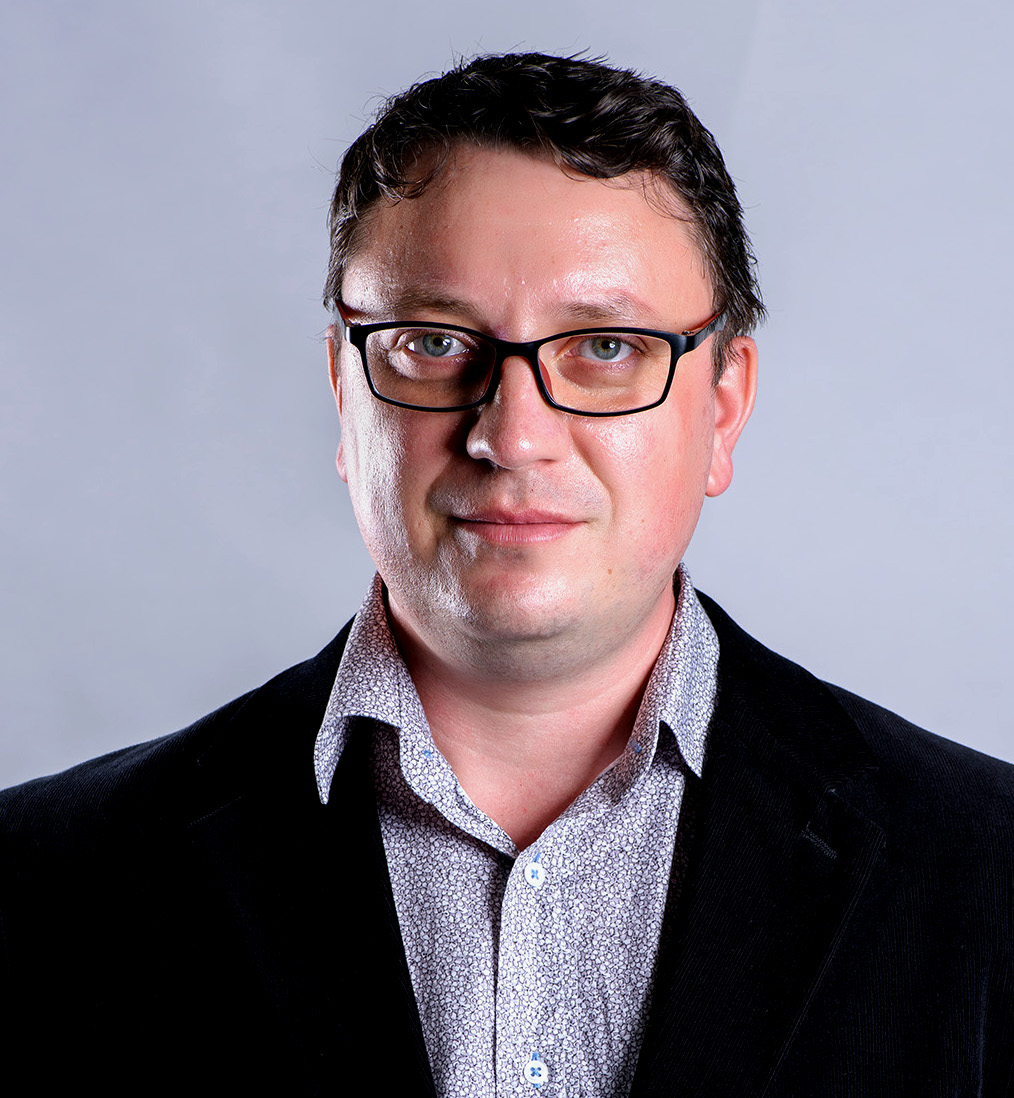
Professor Michael Thompson obtained his undergraduate degree from the University of Wales, UK and his PhD in analytical chemistry from McMaster University. Following a period as Science Research Council PDF at Swansea University, UK, he was appointed Lecturer in Instrumental Analysis at Loughborough University. He then moved to the University of Toronto where he is now Professor of Bioanalytical Chemistry. He has held a number of distinguished research posts including the Leverhulme Fellowship at the University of Durham and the Science Foundation Ireland E.T.S Walton Research Fellowship at the Tyndall National Institute, Cork City. He is recognized internationally for his pioneering work over many years in the area of research into new biosensor technologies and the surface chemistry of biochemical and biological entities. He has made major contributions to the label-free detection of immunochemical and nucleic acid interactions and surface behavior of cells using ultra high frequency acoustic wave physics. In recent years his group has concentrated on solutions to the ubiquitous fouling and biocompatibility problem of sensors and medical devices. This has included the direct operation of biosensors in biological fluids and avoidance of platelet aggregation on medical polymeric materials. Thompson has served on the Editorial Boards of a number of major international journals including Analytical Chemistry and The Analyst and is currently Editor-in-Chief of the monograph series “Detection Science” for the Royal Society of Chemistry, UK. He has been awarded many prestigious international prizes for his research including The Robert Boyle Gold Medal of the Royal Society of Chemistry, The Elsevier Prize in Biosensor and Bioelectronic Technology, the E.W.R. Steacie Award of the Chemical Society of Canada, and recently the 2023 Royal Society of Chemistry Horizons Prize in Analytical Science. He was made a Fellow of the Royal Society of Canada in 1999.
Abstract
Nanotechnology provides faster and more sensitive solutions for ensuring food quality and safety within complex supply chains. This paper outlines key nanomaterial families-noble metals, magnetic nanoparticles, metal oxides, carbon nanostructures, quantum dots, and functional polymers and their roles in plasmonic, electrochemical, chemiresistive, and fluorescence-based sensors. Applications include spoilage detection, adulteration monitoring, intelligent packaging, and real-time IoT-integrated systems. Challenges related to toxicity and environmental impact are discussed alongside safe-by-design strategies and scalable platforms for delivering safer foods and reducing waste.
Biography
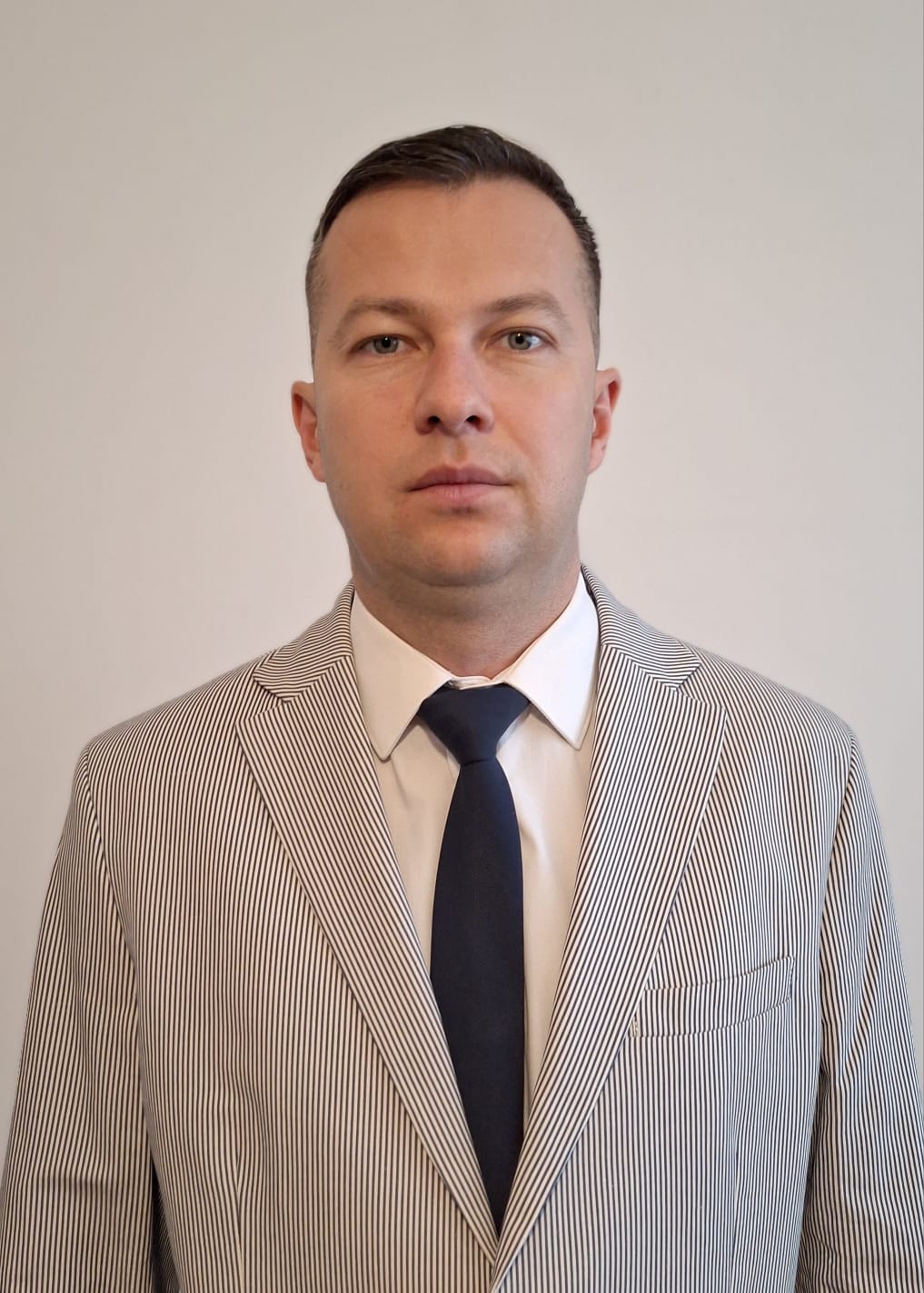
Andrei Ivanov is a second-year PhD researcher in Materials Engineering at Dunărea de Jos University of Galați, Romania. He completed his bachelor's studies in Industrial Robotics and later earned a master's degree in Advanced Materials and Innovative Technologies. His work focuses on nanomaterials for food quality and safety, with emphasis on nano-enabled sensors and smart packaging.
Abstract
Modern ballistic protection requires materials capable of providing high impact resistance, flexibility, low weight, and superior energy absorption efficiency simultaneously. High-performance fibers such as para-aramids and ultra-high molecular weight polyethylene (UHMWPE)—including Kevlar®, Twaron®, Dyneema®, and Spectra®—are widely used due to their excellent strength-to-weight ratio, toughness, and chemical stability. In ballistic applications, these fibers are integrated as woven fabrics or composite laminates, and their performance can be further enhanced through targeted modifications at the filament level, textile architecture, or composite structure. Among advanced optimization strategies, functional coatings play a critical role, as they increase inter-filament friction, stiffness, and penetration resistance while maintaining low mass. Shear-thickening fluids (STFs), ceramic and silica nanoparticles, graphene-based layers, carbon nanotubes, and hydrothermally grown ZnO nanostructures contribute to improving kinetic-energy dissipation, delaying crack propagation, and protecting the substrate from degradation. An integrated analysis of these surface treatments highlights their influence on energy-absorption mechanisms, structural stability, and impact behavior in ballistic materials. Current development directions emphasize the need for the simultaneous optimization of mechanical efficiency, durability, and multifunctionality to achieve lightweight, flexible protection systems capable of meeting the increasingly demanding requirements of modern military and civilian applications.
Biography
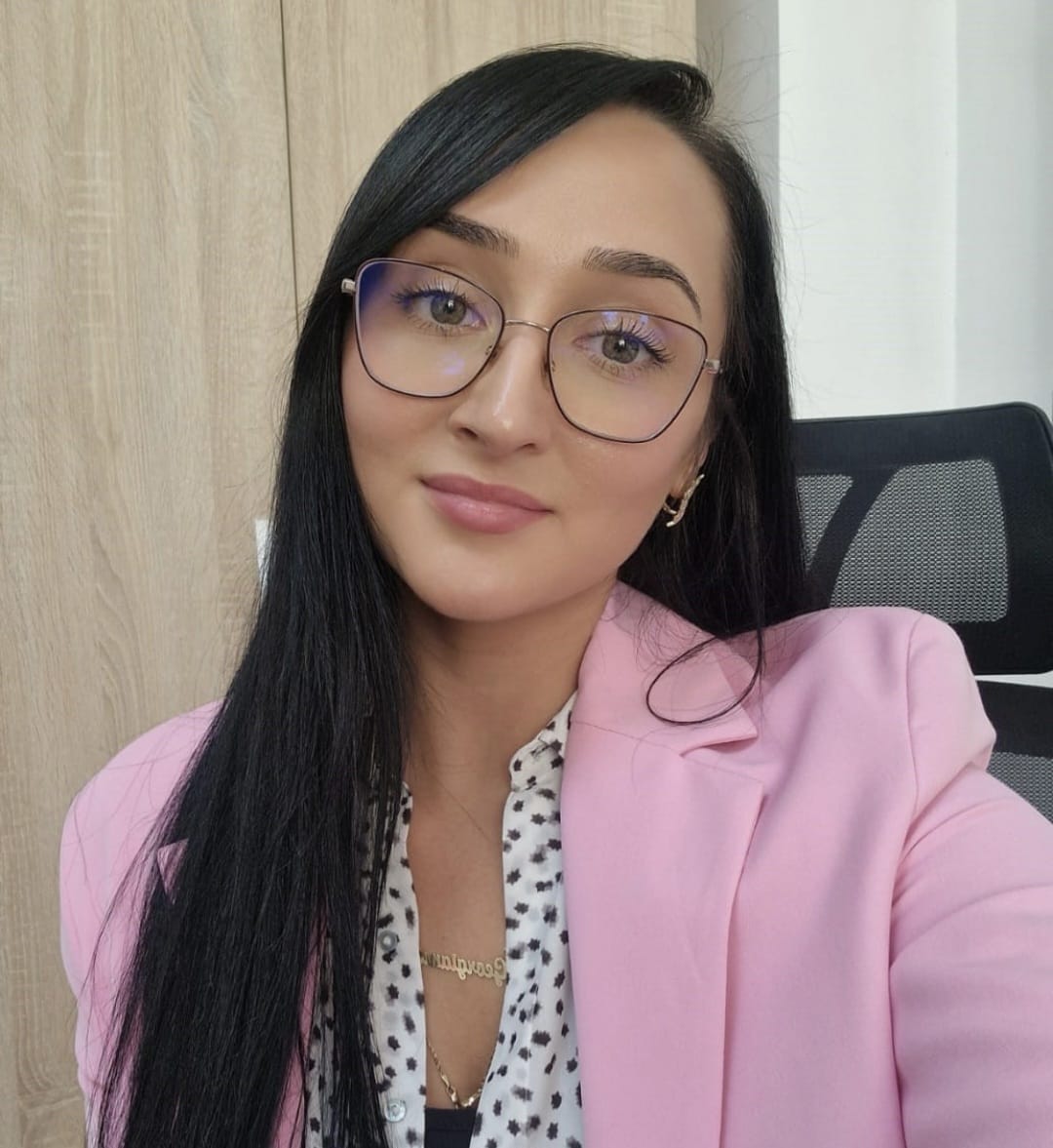
Georgiana Ghisman (Alexe) is a second-year PhD researcher in Materials Engineering at Dunărea de Jos University of Galați, Romania. She holds degrees in Materials Science, and Finance and Banking, as well as a master’s degree in Advanced Materials and Innovative Technologies. Her doctoral research focuses on the advanced materials for ballistic protection, with particular emphasis on coatings, high-performance fibers, and micro/nanostructured surface treatments.

Abstract
This paper provides an overview of recent advances in cryogenic technologies, highlighting the role of tanks in safely storing fluids at extremely low temperatures. It examines fluid behavior in single and two-phase regimes, boil-off mechanisms, and modern insulation solutions aimed at reducing energy losses. The study also discusses structural materials, functional coatings, and numerical models that support the optimization of performance and reliability. The paper emphasizes the importance of material selection and engineering strategies focused on extending equipment service life, as well as current trends such as miniaturization and the adoption of international standards.
Biography
Marian-Cristian Staicu is a second-year PhD researcher in Materials Engineering at Dunărea de Jos University of Galați, Romania. He completed his bachelor's studies at the Faculty of Naval Architecture, specializing in Naval Architecture, and later earned a master's degree at the Faculty of Engineering, in the field of Quality Management in Industrial Engineering, also at Dunarea de Jos University of Galati. His doctoral research focuses on the development and characterization of advanced materials designed for the storage of cryogenic liquids, with the aim of improving safety, structural integrity, and performance under extreme operating conditions.
Abstract
This presentation explores unconventional approaches—mechanochemistry, sonochemistry, and mechanical alloying—for the synthesis of metallic, ionic, and molecular (organic) materials. Recent advances in mechanochemistry are reviewed, with particular emphasis on proposed reaction mechanisms and the use of solid-state NMR( SS MAS NMR) to monitor solid-state transformations, illustrated by the authors’ experimental results. Examples of novel materials synthesis include metal–organic frameworks (MOFs), copper hypophosphate, complex metal hydrides, 3D heterostructures, and high-entropy transition-metal dichalcogenides. The role of mechanical processing in supporting Circular Economy objectives is also discussed, along with opportunities for scaling laboratory methods toward industrial and commercial applications.
Biography
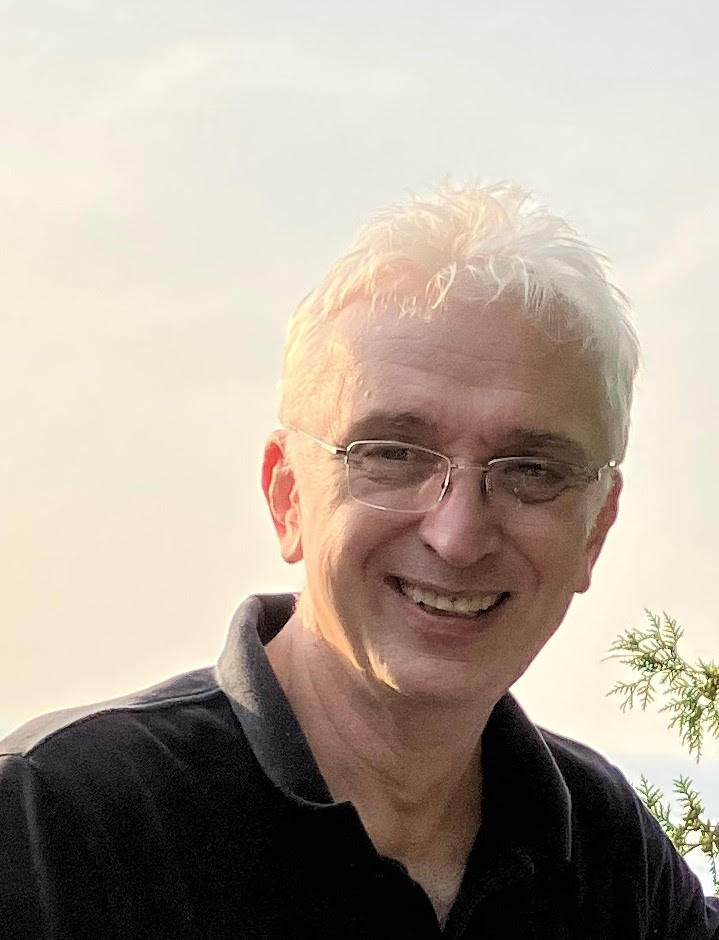
Dr. Viktor Balema is an expert in novel electronic and energy materials, as well as non-conventional materials preparation techniques. He earned his BS/MS degrees from L'viv State University, Ukraine, and PhD from the A. Nesmeyanov Institute of the Academy of Sciences in Moscow. Subsequently, he conducted research at the universities of Karlsruhe and Leipzig, Germany as Visiting Scientist, then joined Ames Laboratory of the US Department of Energy. Over two decades, Dr. Balema directed the Hard Materials Segment and Materials Science R&D at Sigma-Aldrich Co. and held Senior Scientist and CTO positions at Ames Laboratory and in the chemical industry. Currently, he is an Adjunct Professor at Clemson University, SC, USA. Dr. Balema has authored over 100 papers and patents, delivered numerous invited talks, and served as a reviewer for the US DOE, NSF, US CRDF, ACS PRF, and numerous peer-reviewed journals. His research has also been featured in popular scientific magazines, including New Scientist and Scientific American.

Abstract
Living systems routinely perform sensing, actuation, control, and energy conversion with a level of robustness, adaptability, and efficiency that exceeds most engineered devices. While biology is traditionally described in biochemical and physiological terms, this contribution proposes a complementary perspective: cells, organelles, and organs can be rigorously interpreted as mechatronic systems in their own right, implemented with molecular rather than electromechanical components.
The presentation develops a systematic mapping between classical mechatronic system elements—sensors, actuators, control architectures, energy sources, and structural frameworks—and their biological counterparts. At the cellular level, the cell is interpreted as an autonomous microrobotic system with distributed sensing, feedback control, and actuation. Major organelles are analyzed as modular sub-mechatronic systems, including mitochondria as adaptive power units, the cytoskeleton as a load-bearing and actuation network, and membrane trafficking systems as logistics and quality-control subsystems.
A focused case study on magnetotactic bacteria illustrates biological mechatronics in its simplest form: magnetic sensing via magnetosomes, actuation via flagella, closed-loop navigation control, and energy conversion via electrochemical gradients. These organisms are shown to function as naturally occurring microrobots optimized by evolution for low-complexity, high-robustness navigation.
The mechatronic interpretation is extended to the organ scale, with examples such as the heart and kidney analyzed as hierarchical, multi-scale control systems with embedded sensing, actuation, and feedback. The contribution highlights how biological systems realize distributed control, redundancy, self-repair, and graceful degradation—features that remain challenging in engineered mechatronic systems.
By reframing biological organization through a mechatronic and systems-engineering lens, this work aims to bridge engineering and life sciences, offering new insights for bio-inspired robotics, bio-hybrid systems, and future mechatronic design paradigms. The approach also raises fundamental questions about whether mechatronics is merely an engineering discipline—or a universal organizational principle of functional living matter.
Biography
Professor des. Dr. Per Arvid Löthman obtained his Ph.D. degree from Twente University , The Netherlands in the field of Magnetics and Self-assembly, conducted research in Canada, France and Germany on carbon nanotubes, Graphen and related 2D nanomaterials. His research is interdisciplinary and involve sensors and sensing, 2D advanced materials, BioNanotechnology including DNA, S-layers, Viruses (archaea, bacteriophages), Biomolecular Architecture, Botany and functional surfaces, Mechatronics and BioMechatronics. Dr. Löthman has published over 90 scientifical articles, several book chapters & books and serves as a reviewer and he is on the editorial board for several journals such as Nature, Nature Materials, Journal of Bioanalytical and Analytical Chemistry, Journal of Colloid and Interface Science, Thin Solid Films, Sensors and Actuators, Microsystems Technologies. Dr. Löthman is Professor des. in BioMechatronics at the European University of Applied Science Hamburg, and researchgroup leader at University of Bayreuth in the field Organ-on-a-Chip and 3D Bioprinting. Furthermore, Dr. Per Arvid Löthman is Senior lecturer in “Nanomedicine, Nanopharmacy” and “Sensors and Sensing in Engineering, Biology and Medicine” (Kaiserslautern University) and Mechatronics Systems and Design (Hamburg University), Germany and Manufacturing Engineering (HTW Berlin) Germany.
Abstract
Corrosion represents a major limitation to the durability and structural integrity of steels, especially in chemically aggressive environments. This study examines advanced methods for mitigating corrosion by the application of organic and inorganic inhibitors, emphasizing their mechanisms of action and effectiveness under varied conditions. This paper provides an overview of current strategies for improving the corrosion resistance of steels using inhibitors, highlighting their industrial relevance and practical applicability.
Biography
Balan-Balantof Ionut-Cristian is a first-year PhD researcher in Materials Engineering at Dunărea de Jos University of Galați, Romania. He holds degree in construction installation engineering – firefighting at Faculty of the “Alexandru Ioan Cuza“ Police Academy from Bucharest. He currently works at the Emergency Situations Inspectorate of Galati County as head of the Prevention Inspection Service. His doctoral research focuses on developing innovative strategies to enhance the corrosion resistance of steels in aggressive environments using inhibitors, aiming to improve material durability and performance in demanding industrial applications.
Abstract
This paper presents an integrated analysis of strategies aimed at improving the long-term performance of materials used in naval applications through advanced protective coating technologies. The study emphasizes the role of nanoparticle enhanced paint systems such as those incorporating ceramic, metallic, or polymer-based nanofillers in mitigating degradation processes typical of marine environments. Particular attention is given to understanding the combined effects of corrosion, fatigue, and mechanical loading, as well as the ways in which nanoparticle dispersion and coating microstructure influence protective coatingefficiency. The work explores multi-layer and multifunctional coating, predictive lifetime assessment methods to enhance durability and reliability of materials in maritime conditions.
Biography
Bianca-Elena Roșca (Neagu) is a first-year PhD student in Materials Engineering at “Dunărea de Jos” University of Galați. She completed her bachelor’s studies and master’s degree in Naval Architecture. Her doctoral research focuses on developing advanced strategies to prolong the service life of high-performance industrial materials, with an emphasis on enhancing the corrosion resistance of steels in order to improve long-term durability and operational reliability.

Abstract
The increasing demand for high-performance road infrastructure underscores the need for advanced monitoring technologies applied to asphalt materials. This study investigates the integration of smart sensors within asphalt mixtures to monitor key parameters related to composition, thermal behavior, and mechanical performance. By delivering real-time data on strain, temperature, moisture, and early degradation, these embedded sensors enable a proactive assessment of material behavior under service conditions. The results highlight the potential of sensor-enhanced asphalt systems to extend pavement durability, improve maintenance strategies, and support the development of safer and more sustainable road materials.
Biography
Andromeda Iacob is a first-year PhD researcher in Materials Engineering at Dunărea de Jos University of Galați, Romania. She holds degrees in Traffic Police, Law, and Business Administration, as well as a Master’s degree in Criminal Sciences and Criminology. Since 2013, she has worked at the Galați Traffic Police Department, with expertise in traffic management and road systematization. Her doctoral research focuses on the development and evaluation of advanced asphalt materials and the integration of smart sensors for real-time monitoring, aiming to enhance road safety, durability, and the sustainability of transportation infrastructure.
Abstract
The number of aerogel characteristics and applications is truly remarkable. It is acquainted that the highly porous nature and surface area of aerogels allows reactants to access active sites more easily as a catalyst, filter airborne particles, including allergens, dust, and pollutants. Hybrid aerogl has excellent controlled delivery of medications in biomedical applications. Silica aerogels have been used extensively in thermal insulation and acoustic insulation. Silica alumina aerogels with high amino content significantly improves CO 2 absorption and emerging applications for aerogels beyond insulation include biomedical, energy storage and environmental remediation. However, synthetic polymer aerogels offer greater mechanical strength than silica-based aerogels and are more suitable for energy storage and conversion applications. Similarly, Bio-based polymer aerogels can also be designed for biomedical applications, such as tissue engineering, regenerative medicine, and drug delivery systems and Aerogel have specific composites made with MXenes and metal-organic frameworks (MOFs) exhibit outstanding electrical conductivity, mechanical robustness, and specific capacitance that outperforms conventional supercapacitors. This paper briefly reviews the synthesis process, properties (i.e., thermal, mechanical, optical, and acoustic), and potential applications of aerogel. Furthermore, the interactions between impurities and porous nanoparticles were also analysed. It has been found that the sol-gel method is widely used for the synthesis of aerogel, and silica is one of the most utilized materials for the production of aerogel, followed by rice husk, coconut coir, and graphene.
Biography
Professor of Engineering. Ashish Thakur is currently Professor of Mechanical Engineering at Echelon Institute of Technology, India. Earlier, his expertise disseminate in Solid Mechanics and Design, Manufacturing Engineering at Mekelle University. His work engages with mechanical engineering in the Ethiopia, Thailand, India and cut across materials science, metallurgical, mechanical and industrial engineering regime. He is involved in various researches and consultancy activities and published around 75 research articles on mechanical, materials and industrial engineering domain, reviewed more then 40 papers worldwide, written book chapters, guided engineering students, authored and honour my degree from IIT Bombay in year 2007. He has won multiple awards for his research and teaching work across the borders of African states, visited many countries, world premier institutions like Harvard, MIT, Brown, Manhattan, AIT Thailand, Addis University subjected to field of engineering teaching and team research.

Abstract
Textiles are critical in modern industrial applications, where performance and durability are deciding. This paper examines an antimicrobial treatment on polyester fabric, highlighting not only its microbe-inhibiting function but also its antistatic effect and resulting impact on industrial textile performance, particularly in air distribution applications.
Biography
Rasa Gofman is a PhD candidate in textile engineering specializing in sustainable functionalization of technical textiles for air distribution systems (Kaunas University of Technology). Her research focuses on developing industry-applicable finishing processes that provide multifunctional properties such as antistatic and antibacterial performance while aligning with circularity, recyclability, and reduced environmental footprint. She has hands-on experience in national R&D projects in collaboration with industry and actively presents her scientific work at international events, connecting advanced material characterization (including FTIR-based analysis) with practical implementation in modern HVAC and technical textile applications.
Abstract
How do you bend the world’s strongest material (graphene) without breaking it? Graphene seems “unbendable” because it’s the strongest material ever measured in tension—but strength and bendability are different things. Important is how you apply the force and at what scale. Graphene is very strong in-plane, but it has only low bending stiffness because it’s only one atom thick. This makes graphene stronger than steel and flexible like rubber.
Through advanced LAMMPS simulations and the 0.7520 lattice precision, we demonstrate how harmonic frequency control allows for programmable shape-memory in graphene layers. This contribution will showcase the transition from atomic chaos to the architectural order of the "Origami Universe" of graphene, opening new doors for aerospace and high-performance industrial applications.
Biography
Visionary engineer specializing in Bio-Quantum Resonance and Atomic Architecture. Pioneer in the application of the Bravo Constant (0.7520) to molecular biology. Successfully unified graphene physics with protein engineering to achieve 99.9% structural purity and biological stabilization at 42.2 Hz. Currently leading the most advanced longevity and cellular repair project in the private sector.
“ Will be updated soon...”